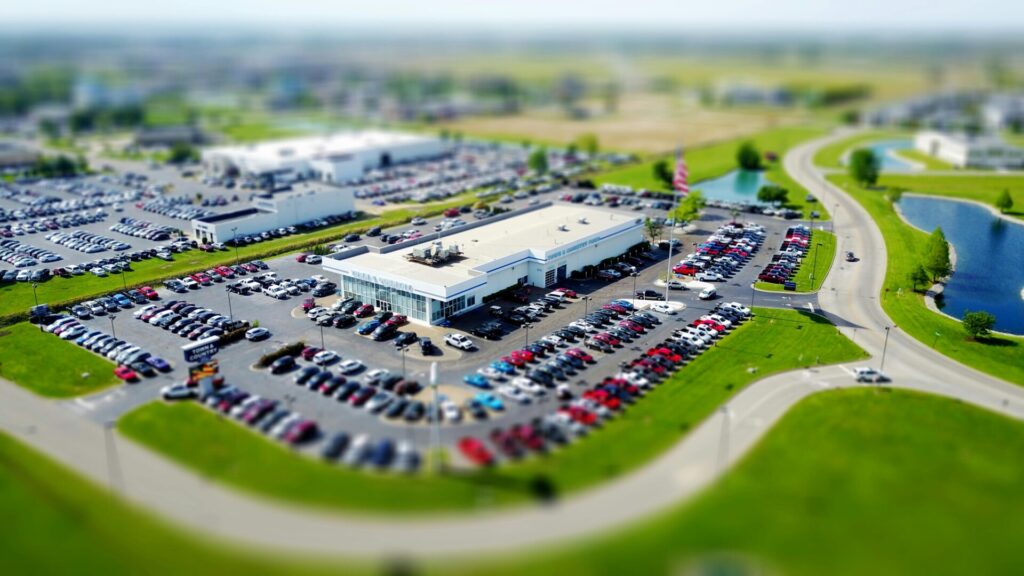
Automotive dealership upgrade and phasing divides renovation projects into strategic phases that keep your doors open during construction. One area operates normally while another undergoes improvement, eliminating the total shutdown that costs sales revenue and service appointments.
We see dealerships coordinate these upgrades around three core zones: showroom spaces for customer interaction, service lanes for maintenance work, and back-office areas for administrative functions. The sequencing allows brand image standards to guide each phase while maintaining the operational continuity that protects your bottom line throughout the construction timeline.
How Do Phased Construction Strategies Keep Sales And Service Running?

Zone sequencing forms the core of effective phased construction. We divide dealership facilities into distinct operational areas that can function independently during renovation work. This approach allows customer-facing zones like showrooms and service drives to remain fully operational while back-of-house areas undergo construction.
The key lies in maintaining clear physical and operational boundaries between active work zones and customer areas. Safety controls include temporary barriers, dedicated construction entrances, and noise management protocols that preserve the professional atmosphere customers expect. We coordinate material deliveries during off-peak hours to minimize disruption to sales activities and service appointments.
Strategic Work Sequencing Protects Revenue Streams
Revenue protection drives our sequencing decisions. We typically begin with areas that generate lower customer traffic, such as parts storage or administrative offices. This allows teams to refine workflows and identify potential issues before moving to high-impact zones like the showroom or service bays.
Service operations require particularly careful planning since they generate consistent revenue through maintenance and repair work. We coordinate service bay closures with appointment schedules, ensuring adequate capacity remains available for customer commitments. Quick turnaround work like oil changes and inspections can continue in designated operational bays while others undergo upgrades.
The showroom presents unique challenges since it serves as both a sales environment and the dealership’s primary brand presentation. We sequence showroom work to maintain vehicle display capacity and preserve customer consultation areas. Digital integration work often happens during evening hours to avoid disrupting daytime sales activities.
Logistics Planning Addresses Complex Coordination Needs
Construction logistics in active dealerships require coordination across multiple operational systems. We develop detailed plans for material staging, equipment access, and waste removal that account for ongoing business activities. This includes scheduling concrete deliveries around customer traffic patterns and positioning construction equipment to avoid interfering with service drive operations.
Access management becomes critical when construction zones share space with customer areas. We establish separate entry points for construction teams and coordinate with dealership management to ensure customer parking remains adequate throughout each phase. Clear signage and temporary wayfinding help customers navigate around construction areas without confusion.
Utility coordination presents another layer of complexity. We work with existing electrical, plumbing, and HVAC systems to maintain service to operational areas while upgrading infrastructure in construction zones. This often requires temporary connections and careful sequencing to avoid service interruptions that could halt sales or service activities.
Brand Standards Compliance Throughout Construction
Maintaining brand standards during phased construction requires careful attention to visual continuity and finish quality. We coordinate with manufacturer representatives to ensure that partially completed spaces don’t compromise the dealership’s brand presentation. This includes protecting completed finishes from construction damage and ensuring that visible construction areas maintain appropriate screening.
Quality control measures address both construction standards and brand requirements. We verify that materials meet manufacturer specifications before installation and coordinate inspections to catch any deviations early in the process. This front-loaded approach prevents costly rework and ensures that each completed phase meets both operational needs and brand standards.
Contractor experience proves essential for managing these complex requirements. We bring specialized knowledge of dealership operations, understanding how construction activities interact with sales processes, service workflows, and customer expectations. This experience helps us anticipate issues and develop solutions that keep projects on track while preserving business continuity.
What Belongs In A Preconstruction And Implementation Plan?
A comprehensive preconstruction and implementation plan serves as the operational blueprint for successfully executing phased dealership upgrades. We begin by conducting a thorough assessment that examines scope definition, cost projections, zoning requirements, and permit approvals alongside brand image package specifications.
The scope assessment identifies exactly which areas require renovation or expansion, from showroom layouts to service bay configurations. Cost projections include materials, labor, equipment, and contingency allocations typically ranging from 10-15% of total project value. Zoning analysis ensures compliance with local land use regulations, while permit approvals establish the regulatory pathway for construction activities.
Schedule Development And Sequencing
We develop detailed schedules that sequence showroom, service drive, and back-of-house work to minimize operational disruption. The scheduling process maps out construction phases against dealership peak periods, avoiding conflicts with high-traffic sales events or service appointments.
Showroom work typically begins during slower sales periods, allowing customer flow to continue through temporary configurations. Service drive improvements coordinate with maintenance schedules to preserve technician productivity and customer access. Back-of-house renovations, including parts storage and administrative areas, align with inventory cycles and staff workflow patterns.
Transition Plan For Staff Learning Curves
Staff transition planning addresses the learning curves associated with new systems, layouts, and operational procedures. We identify key personnel who require specific training on updated processes, from sales consultants navigating revised showroom configurations to service advisors using enhanced digital check-in systems.
The transition plan includes timeline buffers for staff adaptation periods, particularly when implementing new dealer management system interfaces or customer relationship management workflows. Training schedules coordinate with construction phases to ensure staff competency matches facility readiness.
KPI Integration And Performance Measurement
We tie implementation plans directly to dealership key performance indicators, establishing measurable benchmarks for success. Response times track how quickly staff handle customer inquiries during construction phases. Appointment show rates monitor whether facility changes affect customer scheduling reliability.
Customer satisfaction index scores provide feedback on service quality throughout the upgrade process. Finance and insurance per vehicle metrics ensure revenue streams remain stable despite physical changes. Cost per lead analysis helps maintain marketing effectiveness when facility access or appearance temporarily shifts.
These KPIs create accountability frameworks that guide decision-making during each construction phase. Regular monitoring allows for real-time adjustments when performance indicators trend below acceptable thresholds.
Supporting Systems Integration
Modern dealership operations depend on integrated technology systems that require careful coordination during facility upgrades. We plan for customer relationship management software implementations that enhance lead tracking and customer communication throughout construction periods.
Digital service lanes streamline vehicle check-in processes, reducing wait times and improving customer experience during facility transitions. Advanced diagnostics tools integrate with service bay renovations to support faster vehicle assessments and more accurate repair estimates. These technology upgrades align with physical improvements to create cohesive operational enhancements.
Role Definition And Timeline Coordination
Clear role definitions prevent confusion and ensure accountability during complex phased projects. We establish specific responsibilities for general managers, service directors, sales managers, and facility coordinators. Each role includes defined handoff points where responsibilities transfer between team members or project phases.
Timeline coordination maps individual responsibilities against construction schedules, creating accountability for both completion targets and quality standards. Communication protocols ensure all stakeholders receive timely updates about schedule changes, potential delays, or emerging opportunities to accelerate specific phases.
Project milestone reviews provide structured checkpoints where teams assess progress, address challenges, and confirm readiness for subsequent phases. This systematic approach maintains project momentum while preserving operational continuity throughout the dealership upgrade process.
How Can BDC And Customer Communications Reduce Disruption During Upgrades?
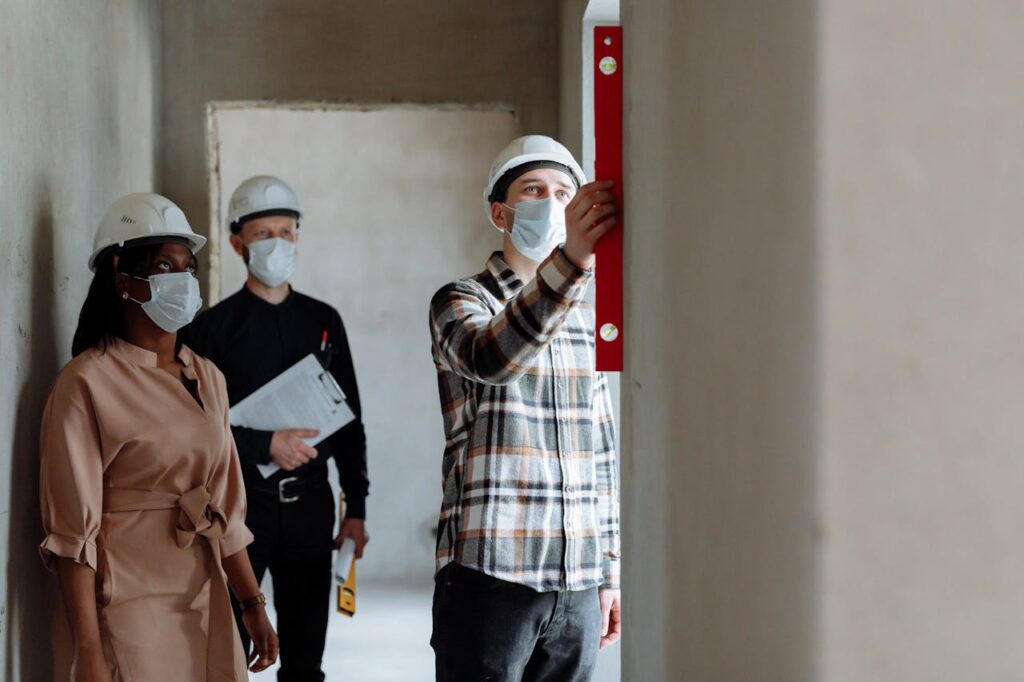
A business development center becomes the communication hub during dealership construction. Modern BDC systems manage multiple channels simultaneously, routing customer inquiries through phone, email, SMS, and social media platforms. This omnichannel approach prevents communication gaps that often emerge when construction disrupts normal operations.
We coordinate CRM integration to track essential metrics throughout each construction phase. Lead response times, appointment show rates, and customer satisfaction scores provide real-time feedback on how well communication strategies maintain customer confidence. These analytics help identify communication breakdowns before they affect sales performance.
Prioritizing Phone Communication For Revenue Protection
Phone responses generate higher revenue conversion than web leads during construction periods. Customers calling about service appointments or sales inquiries need immediate clarity about access routes, temporary facilities, and service availability. Fast phone response times become critical when customers face uncertainty about dealership operations.
We ensure BDC staff understand construction timelines and can provide specific information about parking changes, service bay availability, and temporary customer amenities. This preparation reduces customer frustration and maintains the professional service experience that drives repeat business.
Transparent Messaging Strategies
Construction communication requires transparency without creating anxiety. Clear messaging about construction progress, temporary inconveniences, and completion timelines helps customers plan their visits accordingly. We develop standardized responses that acknowledge construction while emphasizing continued service availability.
Transparency includes honest timelines for service appointments and parts availability. When construction affects certain service capabilities, we communicate alternatives proactively rather than letting customers discover limitations upon arrival. This approach according to Spectrum Business maintains trust through consistent interactions across departments.
Ethical Sales Practices During Construction
Construction periods test customer relationships, making ethical sales practices essential. We train BDC teams to listen carefully to customer concerns about construction impacts before presenting solutions. Clear communication about pricing, timing, and vehicle availability prevents misunderstandings that damage long-term relationships.
Pressure tactics become counterproductive when customers already feel uncertain about dealership operations. We focus on understanding customer needs and matching them with realistic solutions that account for construction constraints. This approach builds confidence that carries beyond the construction period.
Hybrid Support Approach
Online scheduling paired with in-person support creates flexible customer options during construction. Digital tools handle routine appointments and updates, while personal interaction addresses complex concerns or special circumstances. This combination maintains service efficiency while preserving the personal touch that differentiates successful dealerships.
We integrate online systems with staff training so customer preferences and concerns flow seamlessly between digital and personal interactions. When a customer schedules online but calls with questions, our team accesses their information immediately and provides consistent, informed responses.
Which Technology, Sustainability, And Service-Lane Upgrades Fit A Phased Approach?
Strategic technology and sustainability upgrades require careful timing to minimize operational disruption. We approach these improvements systematically, prioritizing upgrades that deliver immediate benefits while building toward long-term efficiency gains.
Service-Lane Technology Integration
Digital diagnostics and inspection systems transform the service experience when implemented during appropriate construction phases. These unmanned inspection technologies streamline the check-in process and provide technicians with detailed vehicle assessments before customers even leave their cars. The result: faster service turnaround and increased upsell opportunities for needed maintenance.
We coordinate the installation of service-lane technology during phases when electrical and network infrastructure is already being upgraded. This approach reduces costs and eliminates the need to disrupt operations twice. Modern diagnostic systems integrate with existing dealership management systems to provide seamless workflow improvements.
Energy-Efficient Facility Upgrades
Advanced HVAC systems offer significant operational savings when phased correctly with other facility improvements. Research shows that advanced HVAC systems can reduce energy consumption by 10% to 40%, making them attractive investments for dealerships focused on long-term cost control. Variable Refrigerant Flow systems provide precise temperature control while reducing energy consumption compared to traditional systems.
Energy-efficient lighting upgrades complement HVAC improvements by reducing heat load and electricity consumption. LED systems with smart controls adapt to occupancy patterns and natural light levels, creating comfortable environments for customers and staff while cutting utility costs. We time these lighting upgrades to coincide with electrical system improvements, maximizing efficiency and minimizing construction disruption.
Solar Integration And Sustainability Features
Solar installations work best when integrated into the overall construction sequence rather than added as an afterthought. We evaluate roof structural requirements, electrical panel capacity, and local utility interconnection policies during preconstruction planning. This allows us to coordinate solar panel installation with roofing work and electrical upgrades, reducing overall project costs.
Sustainability features extend beyond energy generation to include water management, waste reduction, and indoor air quality improvements. These elements support both operational efficiency and brand image goals, particularly for dealerships pursuing environmental certifications or appealing to environmentally conscious customers.
Brand Image Alignment During Phased MEP Upgrades
Mechanical, electrical, and plumbing upgrades must align with brand-specific design standards to avoid costly rework. We coordinate finish selections, fixture specifications, and technology integrations during the design phase to ensure all upgrades support the dealership’s visual identity requirements.
This coordination becomes critical when upgrading customer-facing areas like service drives and waiting areas. Technology installations, lighting fixtures, and HVAC components all contribute to the overall brand experience, and we ensure these elements work together to create cohesive, professional spaces that meet manufacturer standards.
Conclusion And Next Steps
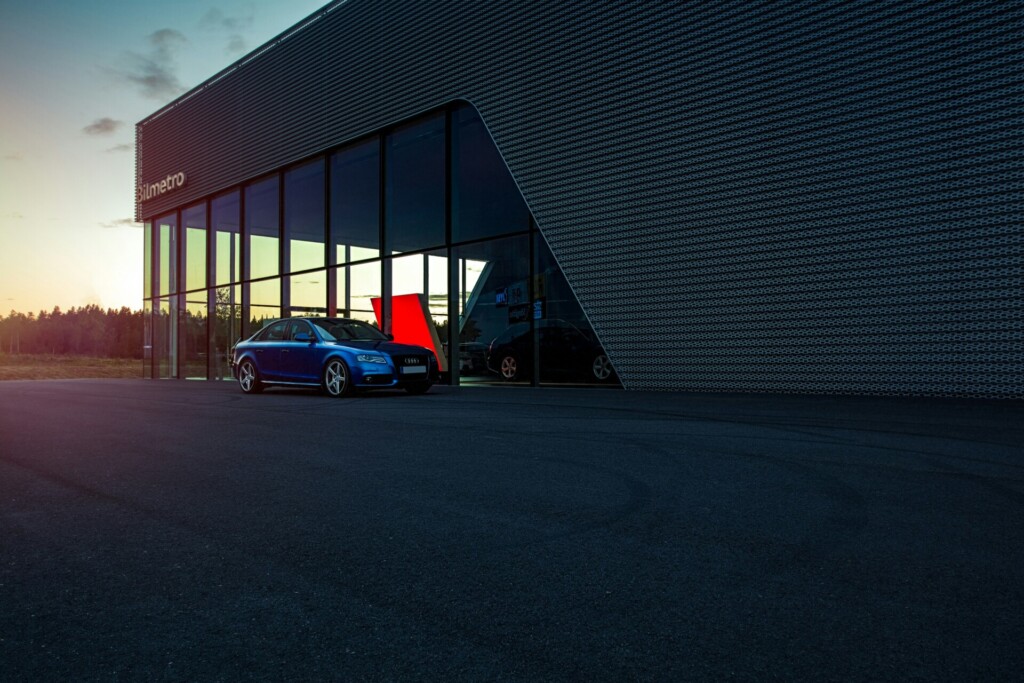
Automotive dealership upgrade and phasing transforms facilities while preserving business operations throughout construction. We use this approach to help dealerships maintain revenue streams and customer satisfaction during complex renovations. The process protects daily operations while delivering the improvements needed for modern automotive retail.
Successful dealership phasing requires coordinated planning across multiple elements. Construction sequencing must align with brand compliance requirements and integrate CRM workflows that support ongoing customer communications. Technology and sustainability upgrades need careful timing to maximize service-lane efficiency without disrupting daily operations. When dealership teams understand their roles and timelines, each phase completes on schedule with minimal customer impact.
Contact EB3 Construction to discuss your dealership renovation needs and develop a phased approach that keeps your business running strong.