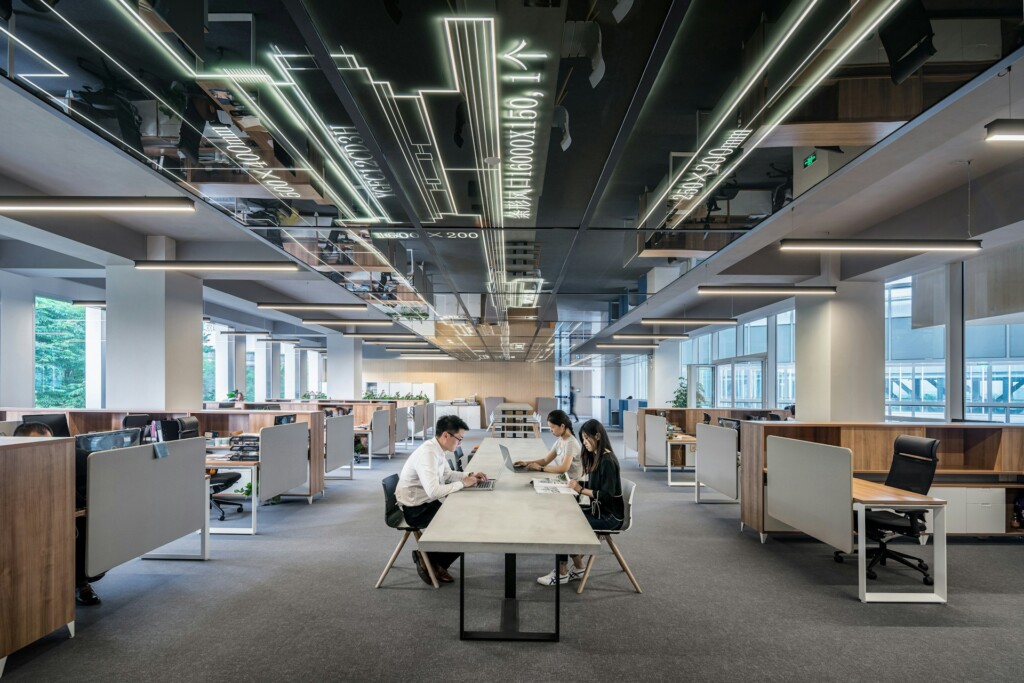
The U.S. office vacancy rate reached 20.1% in the third quarter of 2024, marking a 30-year high. These empty buildings present a significant opportunity for adaptive reuse, particularly as hybrid work patterns reshape how we think about office space. Commercial building-to-office conversion transforms underused structures into modern workspaces that meet today’s flexible demands.
This trend reflects broader shifts in urban planning and work culture. Buildings once designed for single purposes now become multi-functional hubs where coworking spaces, traditional offices, and retail amenities coexist. The approach supports urban revitalization while addressing construction waste reduction through strategic reuse rather than demolition and new construction.
Which Properties Make Good Candidates For Office Reuse?

Successful conversions begin with careful building selection. We evaluate structure, layout, and location to determine whether a property can support modern office requirements without prohibitive costs.
Floor Plates And Natural Light Access
Floor plate dimensions drive both construction costs and tenant satisfaction. Buildings with floor plates that allow daylight penetration perform better as office conversions. We typically favor structures where natural light can reach most workstations throughout the day.
Narrow buildings often work better than deep ones for office layouts. When floor plates extend too far from windows, interior spaces become difficult to lease and require extensive artificial lighting systems. Most successful conversions feature floor plates that balance rentable area with adequate natural light distribution.
Ceiling Heights And System Integration
Ceiling heights between 9 and 14 feet provide the best foundation for office conversions. This range accommodates modern HVAC distribution, fire protection systems, and electrical pathways while maintaining comfortable proportions for office workers. Lower ceilings constrain mechanical systems and feel cramped in open office layouts.
Higher ceilings offer more flexibility but increase heating and cooling costs. We analyze existing structural elements like beams and ductwork to understand how much usable ceiling height remains after system installations. Buildings with exposed structure can achieve dramatic office spaces, but they require careful coordination of new mechanical systems.
Window Patterns And Workstation Planning
Existing window placement affects furniture layouts and workspace efficiency. Regular window spacing supports modular office planning, while irregular patterns may limit tenant improvement options. We assess window size, orientation, and condition during initial site visits.
South-facing windows provide consistent daylight but may require solar control measures. North-facing exposures offer even lighting without glare concerns. Window replacement or modification can be expensive, so we generally work within existing configurations when planning office layouts.
Vertical Transportation Systems
Elevator counts, capacity, and location significantly impact conversion feasibility. Relocating elevator cores involves major structural work and substantial costs. We prefer buildings where existing vertical transportation can serve the planned office occupancy without major modifications.
Stair locations matter for emergency egress and code compliance. Buildings with centrally located stairs often provide better circulation patterns for office use. Freight elevators, when present, offer advantages for furniture moves and building operations but are not essential for most office conversions.
Location And Amenity Access
Site location affects both construction logistics and long-term tenant appeal. Properties near public transit, retail services, and restaurants attract quality tenants and support higher rents. We evaluate walkability scores and proximity to complementary uses during site selection.
Parking availability influences tenant decisions, particularly in suburban markets. Buildings with adequate on-site parking or nearby parking structures eliminate one potential obstacle to successful leasing. Dense urban locations may rely more on public transportation and ride-sharing services.
Existing Building Systems Assessment
We conduct thorough surveys of HVAC, electrical, plumbing, and life-safety systems before committing to any conversion project. Systems that can be modified or expanded cost less than complete replacements. Older buildings may have oversized utility services that work well for modern office loads.
Electrical capacity affects technology infrastructure and tenant improvement costs. Buildings with adequate power distribution and panel capacity accommodate modern office equipment without major upgrades. Plumbing distribution, while less critical for office use, still impacts restroom locations and break room planning.
Fire protection and alarm systems must meet current office occupancy requirements. Buildings with existing sprinkler coverage and alarm infrastructure provide cost advantages over those requiring complete new installations.
What Codes, Zoning, And Approvals Should Teams Anticipate?
Commercial building-to-office conversions navigate multiple regulatory layers that require careful coordination and early engagement. We approach these projects knowing that jurisdictional requirements vary significantly based on location, existing zoning classifications, and the scope of proposed changes.
Zoning compliance forms the foundation of any conversion project. Many commercial buildings occupy Planned Development (PD) zones that established specific use parameters when originally constructed. These special districts often require formal amendments or variances to accommodate office occupancy, particularly when the original approval limited certain activities or densities.
Building Code And Life Safety Requirements
The shift from commercial to office use typically triggers comprehensive building code reviews under change-of-occupancy provisions. Fire protection systems demand particular attention as office occupancy classifications often require enhanced sprinkler coverage, alarm systems, and monitoring compared to retail or warehouse uses.
Emergency egress becomes critical during conversion planning. Dead-end corridors that may have been acceptable for storage or retail operations often exceed allowable limits for office occupancy. We evaluate existing circulation patterns early to identify where new exit routes may be required or where corridor widths need adjustment to meet code requirements.
Life safety upgrades frequently include fire-rated assemblies, particularly when creating tenant separations or modifying vertical openings. Stairwell pressurization and smoke evacuation systems may require installation depending on building height and occupant loads.
Accessibility And Energy Standards
The Americans with Disabilities Act (ADA) requirements apply to conversion projects, often requiring accessible routes, restroom modifications, and parking adjustments. Energy code compliance under current International Energy Conservation Code standards may mandate envelope improvements, lighting upgrades, and HVAC efficiency measures that exceed the original building’s performance.
Historic buildings face additional complexity through design review processes. Properties with landmark status require documentation that proposed changes preserve character-defining features while meeting current safety and accessibility standards. We coordinate early with preservation authorities to identify acceptable approaches for code compliance that respect historic integrity.
Permit Sequencing And Approvals
Successful conversions require strategic permit sequencing to avoid delays and rework. Use change permits must be secured before construction permits, and occupancy permits cannot be issued until all code compliance items are resolved. Utility coordination for electrical service upgrades often requires months of lead time, particularly when voltage transformation or new service entrances are needed.
Planning department coordination proves essential for projects in complex zoning districts. Early meetings with code officials and plan reviewers help identify potential conflicts before design development advances too far. This proactive approach allows design adjustments that maintain project feasibility while meeting regulatory requirements.
How Do MEP, Structural, And Vertical Systems Adapt For Office Use?
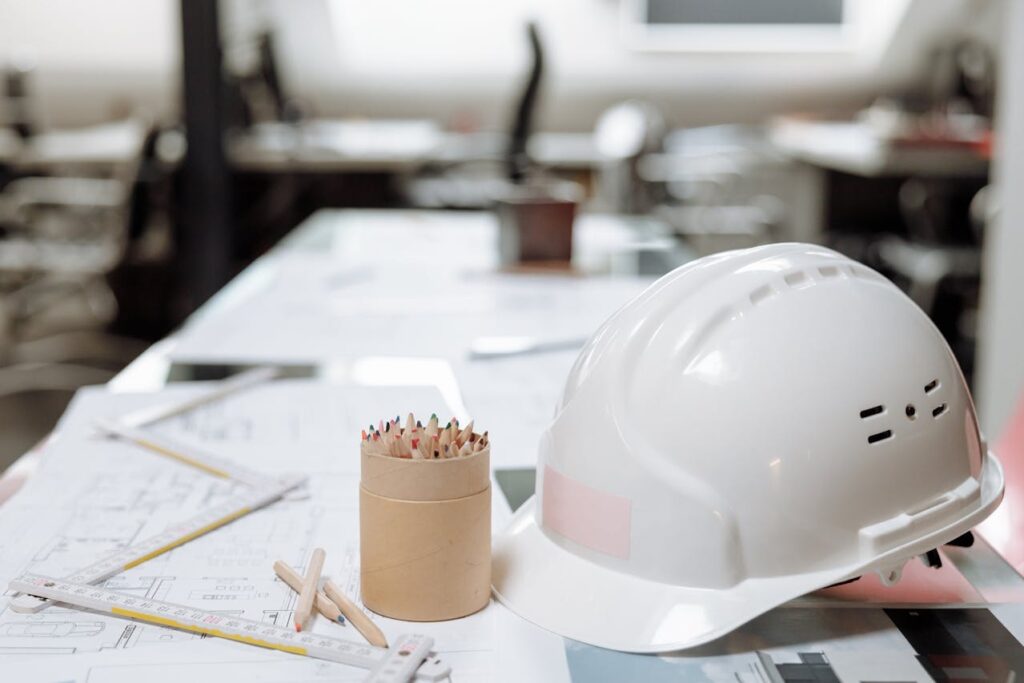
The success of any commercial building-to-office conversion depends heavily on how well we adapt the existing MEP infrastructure and structural systems. These components form the backbone of functional office space, and their modification often represents the largest portion of project costs and timeline.
HVAC System Redesign
Legacy HVAC plants typically serve the original building’s occupancy patterns and may lack the zoning flexibility modern office tenants expect. We conduct comprehensive field surveys to evaluate existing equipment capacity, distribution networks, and control systems before recommending upgrades. Air handling units sized for retail or warehouse use often require replacement or significant modification to provide the precise temperature and humidity control office environments demand.
Ductwork distribution becomes particularly challenging when floor plates weren’t designed for individual office zones. Existing systems may have oversized ducts running through prime ceiling space that office layouts can’t accommodate. We frequently install new, more efficient distribution systems that work with dropped ceiling grids and modular office configurations.
Electrical Service And Power Distribution
Most conversion projects require electrical service upgrades to meet modern office power demands. Older buildings may have 208V or 240V service that needs step-down transformers to supply standard 120V office circuits. Utility coordination for these upgrades often extends project timelines by six to twelve months, making early engagement with electrical providers essential.
We design new panel locations and distribution paths to serve multiple office suites while allowing for future reconfiguration. Power requirements for modern office equipment, lighting systems, and HVAC controls typically exceed what existing electrical infrastructure can handle. Load calculations help determine whether the building’s main service requires upgrading or if we can work within existing capacity through efficient design.
Structural Modifications And Trenching
Older concrete structures present unique challenges when installing new MEP systems. Trenching through concrete slabs for new conduit and piping routes requires specialized equipment and generates significant dust that must be contained. We coordinate these operations carefully to protect the building’s structural capacity while creating pathways for modern systems.
Post-tensioned concrete floors require particularly careful analysis before any cutting or trenching begins. We work with structural engineers to identify safe routing paths and ensure modifications don’t compromise load-bearing capacity. The process moves slower than wood-frame construction but provides the durability needed for commercial office use.
Vertical Transportation Systems
Existing elevators and stairwells often determine how efficiently we can organize office layouts. We evaluate elevator capacity, speed, and code compliance for office occupancy loads. Buildings with excess elevator capacity sometimes allow us to convert unused shafts into mechanical chases or waste management systems.
Freight elevator systems require careful evaluation for office conversion. While they provide valuable service access, their locations may not align with optimal office floor plate organization. We balance preservation of existing vertical transportation with the need for efficient office layouts and emergency egress paths.
Fire Protection And Monitoring Systems
Fire alarm, sprinkler, and monitoring systems require complete redesign to match new office layouts and occupancy patterns. We plan these life-safety upgrades early in the design process, before aesthetic improvements begin. Modern office fire protection standards often exceed what existing systems provide, particularly in buildings constructed under earlier codes.
Integration of alarm monitoring with building management systems allows centralized oversight that many office tenants expect. We coordinate with local fire departments during the design phase to ensure compliance with current requirements and smooth inspection processes.
What Benefits And Risks Define The Business Case?
Commercial building-to-office conversion projects deliver compelling advantages when executed properly. Cost-effectiveness stands as the primary driver, with conversions typically achieving 15-30% savings compared to ground-up construction. Faster project activation provides another significant benefit. While new construction timelines stretch 36-48 months from concept to occupancy, conversion projects compress this schedule substantially.
Urban revitalization represents a broader community benefit that strengthens project feasibility. Adaptive reuse brings activity back to underutilized districts, supporting local retail and services while creating pedestrian traffic. This ripple effect enhances property values in surrounding blocks and contributes to vibrant street-level environments that attract additional investment.
Environmental impact reduction adds measurable value to the business case. Conversion projects preserve embodied energy in existing structures while reducing construction waste by an estimated 50-75%. The sustainability profile appeals to tenants prioritizing environmental, social, and governance criteria in their real estate decisions. Historic architecture preservation provides additional value, maintaining neighborhood character while meeting modern functional requirements.
However, significant risks require careful evaluation and mitigation strategies. Regulatory risk tops the list of potential challenges. Zoning hurdles can delay projects by 6-12 months, especially when use changes require special permits or variances. Building code compliance adds complexity, particularly when older structures must meet current accessibility and life safety standards.
Structural limits present another category of risk that can impact project economics. Load-bearing walls may restrict layout flexibility, while floor loading capacities might not accommodate modern office densities. MEP complexity often exceeds initial estimates, especially when existing systems require complete replacement or substantial upgrades. These technical challenges can escalate construction costs by 20-40% if not properly assessed during feasibility studies.
Financing structures for conversion projects differ from traditional development scenarios. Lenders often require higher contingency reserves and more detailed technical reports before approving construction loans. Gap financing may be necessary to bridge the period between acquisition and permanent financing, adding carrying costs to the project budget.
Market and feasibility studies become critical tools for validating the business case. These analyses confirm office demand in the target submarket and establish appropriate rental rates for financial modeling. Absorption studies help determine realistic lease-up schedules, while comparable transaction data supports valuation assumptions for financing and investment decisions.
Successful conversion programs follow a structured multi-phase delivery approach. The predevelopment and due diligence phase typically spans 3-6 months, encompassing market analysis, technical assessments, and regulatory review. Design and approvals add another 6-12 months, depending on complexity and local permitting efficiency.
Construction phases vary significantly based on building condition and scope of work. Gut renovations requiring complete MEP replacement may take 12-18 months, while lighter touch conversions can be completed in 6-9 months. Commissioning and stabilization represent the final phase, involving system testing, initial occupancy, and lease-up activities.
Schedule management becomes critical for maintaining project economics. Typical programs run 24-36 months from initial feasibility through stabilized occupancy, though complex projects or regulatory challenges can extend timelines. We structure project schedules to account for potential delays while maintaining milestone accountability across all team members.
Conclusion and Next Steps
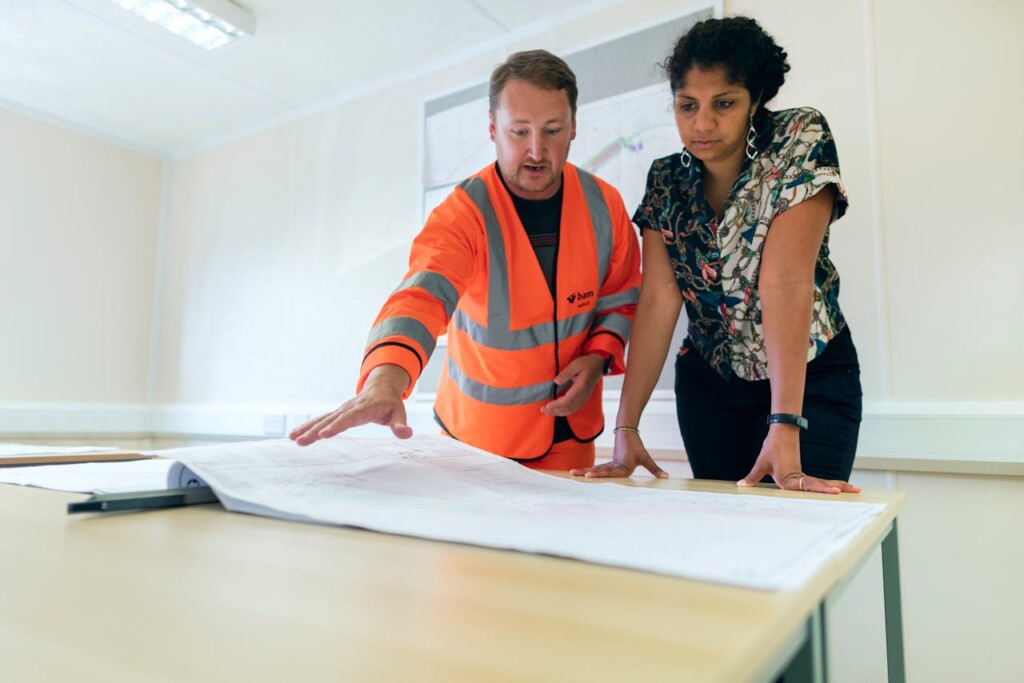
Commercial building-to-office conversion represents a strategic opportunity to unlock underutilized real estate value while advancing sustainability objectives. The adaptive reuse process transforms buildings that may no longer serve their original purpose into productive office environments that support modern work patterns.
Successful conversions follow a systematic approach. We begin with thorough due diligence that evaluates structural capacity, layout flexibility, and location advantages. Code officials become key partners early in the process, helping navigate zoning requirements and building code compliance before design work advances. Comprehensive MEP and structural surveys provide the technical foundation for informed design decisions and accurate cost projections.
Project sequencing across predevelopment, approvals, construction, and fit-out phases manages both cost exposure and schedule risk. This phased approach allows teams to validate assumptions at each milestone and adjust strategies as market conditions or technical discoveries require. We coordinate permit strategy with construction planning to maintain project momentum while ensuring regulatory compliance. When executed with careful planning and coordination, these conversions deliver flexible office space that strengthens mixed-use districts and supports urban revitalization goals.
Partner with EB3 Construction to evaluate your commercial building conversion opportunity.