
An industrial facility structural repair contractor handles the complex task of maintaining and upgrading critical infrastructure while plants remain operational. These specialized teams work on concrete structures, steel frameworks, equipment foundations, and protective systems that keep industrial operations running safely. The work demands precision because even minor structural issues can lead to costly shutdowns or safety hazards.
Industrial structural repair encompasses everything from routine maintenance to emergency stabilization across active manufacturing and power generation sites. We coordinate closely with plant operators to ensure operational continuity while addressing structural concerns that could compromise facility integrity or worker safety.
Which Facilities And Assets Are Typically Covered?
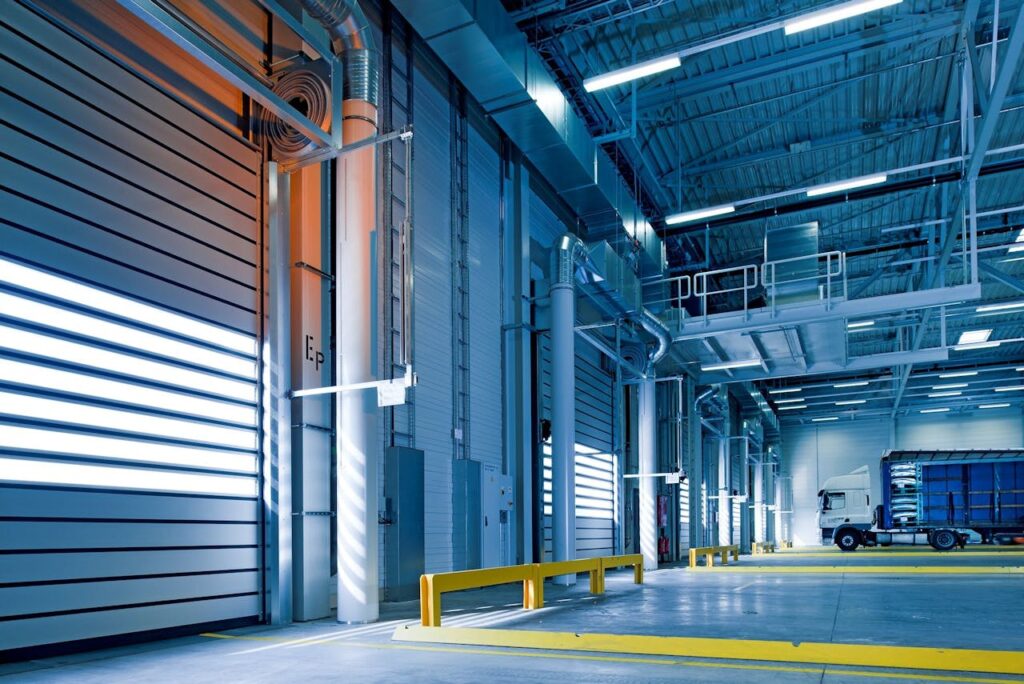
We work across a wide range of industrial sectors where structural integrity remains critical to operations. Refining facilities require specialized attention to handling corrosive environments and process-related stresses. Chemical processing plants present unique challenges with their exposure to aggressive chemicals and temperature variations.
Manufacturing operations depend on reliable structural systems to support heavy machinery and production loads. Pulp and paper facilities face moisture-related degradation that demands ongoing structural maintenance. Food and beverage plants need structures that meet strict sanitary requirements while withstanding cleaning processes.
Pharmaceutical facilities require precise environmental controls and contamination-free structural repairs. These sectors all share common needs for minimal downtime and stringent safety protocols during repair work.
Power Generation Infrastructure
Power generation facilities represent some of the most demanding environments for structural repair contractors. Fossil fuel plants subject structures to thermal cycling, vibration, and corrosive combustion byproducts. Nuclear facilities demand specialized expertise in radiation safety and strict regulatory compliance during any structural work.
Hydroelectric installations face unique challenges from moisture exposure and seismic considerations. Renewable energy facilities, including wind and solar installations, require structural systems that can withstand environmental loads while maintaining precise alignment. Transmission systems need reliable foundations and support structures to ensure grid stability.
Critical Asset Categories
Equipment foundations form the backbone of industrial operations, requiring precision and stability to support heavy machinery. We address settlement, cracking, and alignment issues that can affect production quality and equipment longevity.
Industrial chimneys and stacks demand specialized repair techniques due to their height, exposure, and structural loading. These structures face unique challenges from thermal stress, wind loads, and corrosive flue gases.
Concrete frames, beams, and columns provide the primary structural system for most industrial facilities. We repair cracking, spalling, and corrosion damage while maintaining load-carrying capacity. Post-tension systems require specialized knowledge of cable replacement and re-stressing procedures.
Pipes and pipelines throughout industrial facilities need structural support and repair, particularly in high-temperature and corrosive service conditions. Tanks and containment structures must maintain structural integrity to prevent environmental releases and ensure safe operations.
Building envelopes exposed to moisture and corrosion require ongoing attention to prevent water infiltration and structural degradation. We address these issues through comprehensive waterproofing and protective coating systems that extend structural life.
What Core Services Should You Expect?
Industrial facility structural repair contractors deliver comprehensive services that address structural deterioration and maintain operational integrity. We provide concrete repair to restore damaged surfaces and structural elements. Corrosion control prevents further degradation of steel and concrete components. Equipment foundation construction and rehabilitation ensure stable mounting surfaces for critical machinery.
Structural strengthening enhances load-bearing capacity when facilities expand operations or modify equipment. Maintenance services keep infrastructure functioning between major repairs. Coatings, linings, and waterproofing protect surfaces from chemical exposure and moisture intrusion. Fireproofing maintains required fire ratings for structural elements.
Specialized Repair Techniques
We employ proven methods tailored to specific damage types and operational requirements. Epoxy injection bonds concrete surfaces and restores structural continuity for static cracks. Urethane injection accommodates minor movement while sealing active leaks and dynamic cracks.
Sealant and expansion joint replacement prevents water intrusion at construction joints and movement interfaces. Shotcrete application rebuilds deteriorated concrete surfaces using pneumatic placement methods. Overhead and vertical repair mortars restore spalled areas where conventional placement proves difficult.
Advanced Strengthening Methods
Carbon fiber reinforcement provides high-strength structural enhancement without adding significant weight. We apply externally bonded carbon fiber sheets and plates to increase flexural and shear capacity. Post-tension repair maintains or restores prestressing forces in concrete elements through cable replacement and retensioning.
Supplemental steel installation adds structural capacity through welded connections and mechanical fastening systems. Full concrete column replacement addresses severely deteriorated vertical load-bearing elements. Beam reinforcement strengthens horizontal structural members through composite action with added materials.
Industrial Process Applications
Power generation and process facilities require specialized services beyond standard structural repairs. Pipe repair addresses wall thinning, corrosion damage, and mechanical failure in critical piping systems. We strengthen existing pipe through external wrapping and internal lining methods.
Chimney repair and maintenance addresses refractory deterioration, structural cracking, and liner damage in emission stacks. These repairs often require coordinated access planning and specialized high-temperature materials to maintain operational requirements while ensuring structural safety.
How Do Contractors Plan To Reduce Downtime And Risk?
Comprehensive preplanning forms the foundation of successful industrial facility structural repair projects. We collaborate extensively with engineers, facility owners, plant managers, and other contractors during the planning phase to establish realistic expectations and identify potential challenges before they impact operations. This early coordination allows us to develop targeted strategies that minimize disruption while maintaining safety standards throughout the project.
Constructability analysis represents a critical step in our planning process. We evaluate site conditions, access limitations, and operational requirements to determine the most efficient repair methods. This analysis helps us identify potential conflicts between our work and ongoing facility operations, allowing us to adjust our approach accordingly. Project sequencing follows naturally from this analysis, as we arrange tasks to limit interference with critical facility functions.
Strategic Scheduling And Site Control
Work scheduling addresses multiple factors that can impact facility operations. We coordinate work hours to avoid peak production periods whenever possible, ensuring our activities align with facility downtime or maintenance windows. Access planning considers equipment delivery routes, staging areas, and personnel movement to prevent bottlenecks during active work periods.
Traffic control measures protect both workers and facility operations by establishing clear pathways for construction vehicles and personnel. Noise control becomes particularly important in facilities with sensitive operations or nearby residential areas. We implement dust control measures through water suppression, barriers, and containment systems to prevent contamination of active production areas or equipment.
Safety Planning And Emergency Preparedness
Safety planning begins during the preplanning phase and continues throughout project execution. We develop comprehensive safety protocols specific to each facility’s hazards and operational environment. These plans address everything from confined space entry procedures to hot work permits, ensuring worker protection while maintaining facility safety standards.
Emergency response capabilities provide an additional layer of protection for urgent situations. Our 24/7 response teams can mobilize quickly when facility incidents require immediate structural stabilization or repair. Emergency Response Agreements (ERAs) formalize these arrangements, establishing clear protocols for rapid deployment of personnel and equipment.
Pre-staged resources at strategic locations enable faster response times for emergency situations. This includes specialized equipment, materials, and certified personnel positioned to respond within hours rather than days. These resources prove invaluable when facility incidents threaten operational continuity or safety.
Ongoing Communication And Stakeholder Management
Continuous communication keeps all stakeholders informed throughout the project lifecycle. We establish regular reporting schedules that provide updates on progress, upcoming activities, and potential impacts to facility operations. This transparency helps facility managers plan around our work and adjust their operations as needed.
Communication protocols extend from initial assessment through project closeout. We maintain direct contact with facility personnel, providing advance notice of activities that might affect their operations. Regular coordination meetings ensure all parties remain aligned on project goals, timing, and safety requirements. This collaborative approach reduces misunderstandings and helps prevent delays that could extend project duration and increase operational impact.
What Does The Repair Process Involve, And How Long Might It Take?
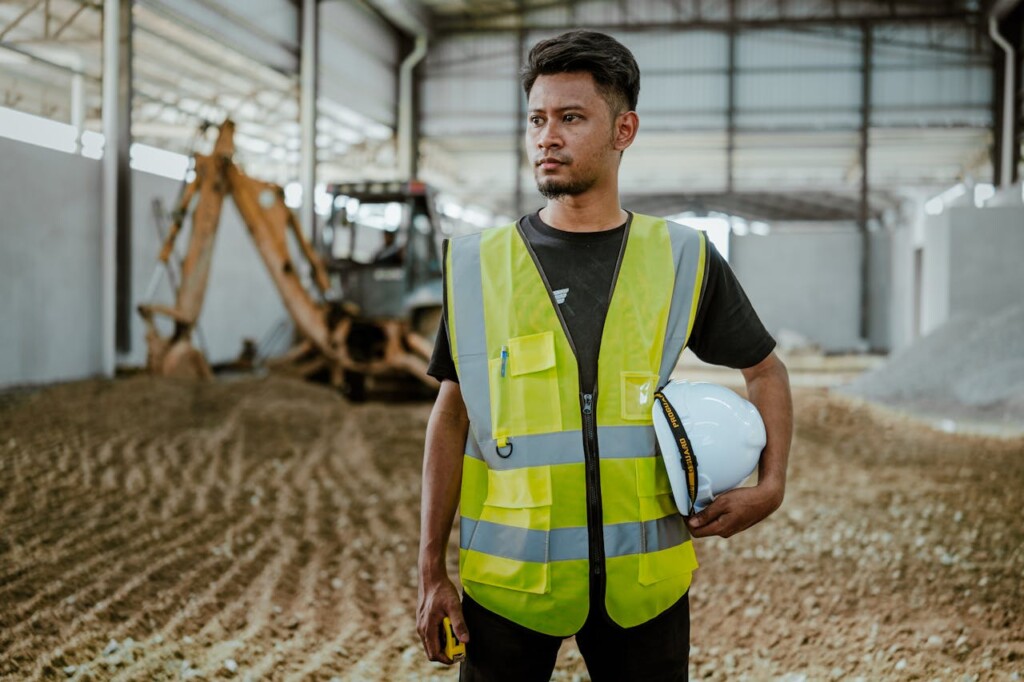
The industrial facility structural repair process follows a systematic approach designed to minimize operational disruption while addressing structural integrity concerns. We begin with a comprehensive structural assessment to identify both visible damage and underlying environmental issues that could affect long-term facility performance.
Initial planning involves design reviews and permit acquisition to ensure all work meets local building codes and regulatory requirements. This phase can take several weeks depending on the scope of work and municipal review processes.
Key Process Steps
Selective demolition and debris removal follows permit approval, where we carefully remove compromised materials while protecting adjacent operational areas. Material availability challenges continue to affect construction timelines industry-wide, making early procurement planning essential.
Reconstruction and strengthening work represents the core repair phase. We coordinate installation of new structural elements, reinforcement systems, and protective coatings to restore facility integrity. Interior repairs address any secondary damage from the initial structural issues.
Finishing and restoration work restores operational surfaces and protective systems. Post-restoration inspections verify that all repairs meet design specifications and regulatory standards before we return spaces to full operation.
Timeline Variables That Affect Duration
Several factors influence how long structural repairs take. Damage extent drives the fundamental scope of work, with minor concrete spalling requiring days while major foundation issues can extend projects for months.
Building size and complexity affect coordination requirements and access logistics. Large industrial facilities often require phased approaches to maintain operational continuity, extending overall timelines but preserving critical production schedules.
Weather impacts can halt exterior work and affect material curing times. We plan around seasonal conditions and have contingencies for unexpected delays from storms or extreme temperatures.
Foundational repairs generally require more time than surface-level fixes due to excavation requirements, curing periods for concrete work, and the need for comprehensive testing before load-bearing elements return to service. Material and labor availability continues to create scheduling challenges, particularly for specialized industrial repair components.
Conclusion And Next Steps
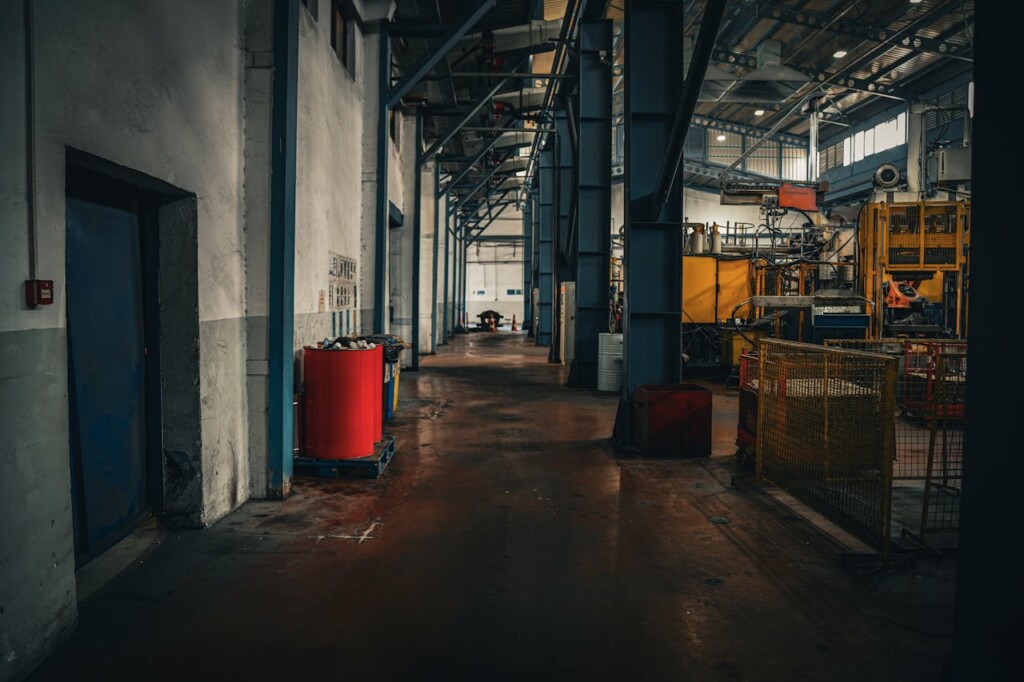
Successful industrial facility structural repair contractor projects require coordinated planning, proven methods, and safety-focused execution from start to finish. We approach each project by clearly defining scope parameters and identifying critical structural assets that need immediate attention versus those that can be addressed during scheduled maintenance windows. Key services like concrete repair, corrosion control, structural strengthening, and protective coatings must align with your facility’s operational requirements and maintenance programs.
Emergency response planning becomes essential for facilities where unplanned structural failures could result in significant downtime or safety risks. We recommend establishing emergency response agreements and pre-staging resources to enable rapid mobilization when urgent repairs are needed. A well-designed constructability review and project sequencing strategy minimizes operational disruption while ensuring worker safety throughout the repair process.
Ready to discuss your industrial facility structural repair needs? Contact EB3 Construction to review your project requirements and develop a comprehensive repair strategy.