
Downtown Austin’s commercial market demands construction partners who understand the unique challenges of urban projects, from parking restrictions to accelerated timelines. Property owners and developers need contractors who can navigate these complexities while delivering spaces that attract and retain tenants in today’s competitive market.
We coordinate every aspect of office retrofit contractor Downtown Austin projects, bringing together design vision and construction execution under one roof. This approach streamlines communication and accountability while ensuring your investment creates the modern, functional workspace that drives occupancy and lease rates in the city center.
What Work Typically Falls Inside a Downtown Austin Office Retrofit?

Office retrofits in Downtown Austin span multiple construction disciplines. We coordinate structural modifications like new layouts and interior partitions alongside architectural finishes that reflect brand identity. Space planning drives these decisions, balancing function with aesthetic goals.
Electrical upgrades form a core component of most retrofit projects. We install new circuits, outlets, and lighting systems to support modern technology demands. Upgraded electrical infrastructure accommodates everything from high-capacity data centers to collaborative workstations with multiple device connections.
Plumbing modifications often accompany retrofit work, particularly when adding break rooms, wellness areas, or reconfiguring restroom facilities. HVAC system updates ensure proper climate control for new layouts while maintaining energy efficiency standards required in commercial buildings.
We handle tenant finish-out projects that transform shell space into functional offices. This work includes framing, drywall installation, flooring, and ceiling systems. Interior build-out coordination with architects and interior designers ensures space planning aligns with company culture and productivity goals.
Modern office features enhance employee experience and recruitment efforts. We install open seating arrangements, collaborative work areas with flexible furniture systems, and wellness amenities like natural lighting controls and improved air quality systems. These upgrades support contemporary workplace trends while maintaining professional functionality.
Renovation projects for existing offices require careful coordination to minimize business disruption. We work with property managers and tenants to schedule work during off-hours when possible. Our team coordinates material deliveries and construction activities around operational requirements.
How Does The Retrofit Process Run From Consult To Turnover?
The consultation phase sets the foundation for the entire project. We begin by assessing your specific needs, establishing a realistic budget, and determining the project timeline. This initial meeting allows us to understand your workspace goals, whether you’re improving functionality, updating aesthetics, or enhancing employee productivity. Clear communication during consultation prevents costly changes later and ensures the project plan aligns with your business objectives.
Design development follows the consultation phase. We create detailed project plans that translate your vision into actionable construction drawings and specifications. Our team can provide optional space planning services to optimize layouts for workflow efficiency. Interior design services help align the space with your brand identity while maintaining functionality. These comprehensive design services ensure every element works together before construction begins.
Single-Contact Coordination Throughout Construction
During construction, we provide single-contact coordination to streamline project communication. One dedicated team member serves as your primary point of contact, managing all subcontractors, suppliers, and scheduling. This approach eliminates confusion that often occurs when multiple parties handle different aspects of the project. You receive consistent updates and can address questions through one reliable source.
Project communication remains clear and direct throughout the construction phase. We provide regular progress reports and maintain open lines of communication to address any concerns promptly. This centralized communication structure reduces delays and keeps the project moving efficiently. The single point of contact ensures accountability and maintains project momentum from start to finish.
Focus On Schedule, Quality, And Budget Control
Schedule management drives our construction approach. We develop realistic timelines that account for permit approvals, material deliveries, and construction sequencing. Regular milestone tracking helps identify potential delays before they impact your occupancy date. This proactive scheduling approach minimizes downtime and keeps your business operations running smoothly.
Quality control measures are integrated throughout the construction process. We conduct regular inspections to ensure work meets specifications and building codes. Material quality checks and workmanship reviews happen at each project phase. This systematic quality focus prevents issues that could cause delays or require costly corrections after completion.
Budget monitoring occurs throughout the project lifecycle. We track expenses against the approved budget and provide transparent reporting on any potential changes. Change order management helps control scope creep that can inflate project costs. This financial oversight protects your investment and ensures the project delivers value within the established budget parameters.
Why Integrate LED Lighting Retrofits Into Your Office Project?
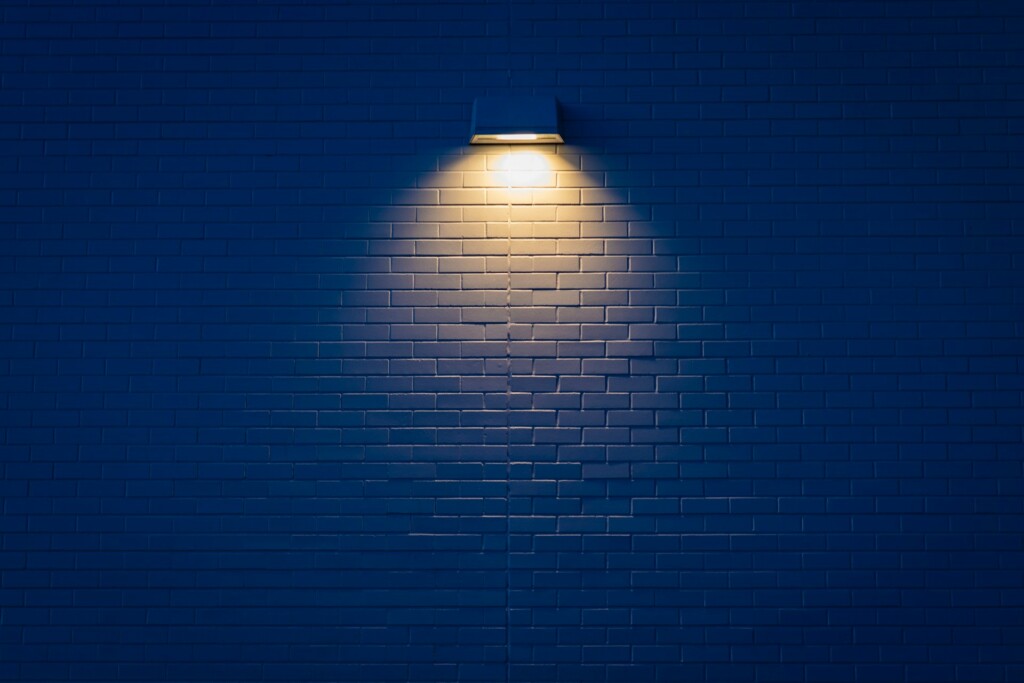
Commercial LED lighting retrofits deliver immediate improvements in workspace comfort while reducing long-term operating expenses. We coordinate LED retrofits alongside office renovations to maximize efficiency and minimize project disruption. The technology provides superior light quality compared to traditional fluorescent systems, creating better working conditions for office tasks.
Energy savings represent one of the most compelling benefits. LED systems typically consume 50-70% less energy than conventional lighting while producing higher light output and better color rendering. We design photometric layouts to ensure even light distribution across workspaces, eliminating shadows and glare that can reduce productivity.
Advanced Lighting Controls And Smart Systems
Modern LED retrofits integrate with sophisticated control systems that adapt to changing office conditions throughout the day. Occupancy sensors automatically turn lights off in unoccupied areas, while daylight sensors reduce artificial lighting when natural light is sufficient. Time scheduling controls allow facilities to operate at reduced lighting levels during cleaning hours or after-hours security rounds.
We install these control systems as part of the retrofit scope, ensuring proper integration with existing building automation systems. The controls can be programmed for different zones within the office, allowing customized lighting scenarios for conference rooms, open work areas, and private offices.
Austin Energy Rebates And City Permitting
Austin Energy offers substantial rebates for qualifying LED retrofit projects, with incentives of $420 per kW saved for lighting retrofits and $225 per kW saved for lighting control retrofits. We handle the rebate application process and ensure all installed products meet program requirements. The rebate application must be submitted before installation begins, and we coordinate this timing with the overall project schedule.
City of Austin permitting requirements vary based on project scope, but we navigate these regulations efficiently. Our familiarity with local codes ensures compliance without delays. Most LED retrofit projects require electrical permits when substantial rewiring occurs, and we coordinate these approvals as part of our project management process.
Installation Timing And Disruption Management
LED retrofit projects typically complete within days rather than weeks. We schedule installation work during off-hours or weekends to maintain normal business operations. The retrofit process involves removing existing fixtures, installing new LED systems, and programming control features without major structural changes to the office space.
Maintenance requirements drop significantly with LED systems. The fixtures typically last 25,000 to 50,000 hours compared to 10,000 hours for traditional fluorescent lamps. This extended lifespan reduces replacement costs and the disruption of ongoing maintenance activities in occupied office spaces.
Where Do Windows And Doors Fit Into An Office Retrofit?
Office fenestration creates direct impacts on energy performance, acoustic comfort, and visual appeal throughout the workspace. We handle window and door retrofits as a comprehensive service that includes product selection, precise installation, and thorough waterproofing protocols.
Our team maintains complete installation control by managing every aspect of fenestration work in-house. This approach ensures consistent quality standards and eliminates coordination gaps that can compromise performance or create schedule delays.
Thermally Broken Aluminum Systems For Office Performance
Thermally broken aluminum windows provide superior energy efficiency compared to traditional aluminum frames. The thermal break interrupts heat transfer between interior and exterior surfaces, reducing energy costs by 70-85% compared to non-thermally broken systems according to industry research.
We coordinate local fabrication capabilities that allow us to control manufacturing timelines and quality standards for thermally broken systems. This fabrication control helps us deliver consistent performance while meeting project schedules without relying on extended lead times from distant suppliers.
Installation And Waterproofing Integration
Proper installation requires precise coordination between window placement, structural connections, and waterproofing systems. We integrate flashing details, sealant application, and drainage management as part of our comprehensive fenestration scope.
Our installation teams follow specific protocols for thermal expansion, structural attachment, and moisture barrier continuity. This systematic approach prevents air infiltration and water penetration that can compromise building performance or create maintenance issues later.
Architectural Coordination And CAD Integration
We collaborate directly with architects to ensure fenestration details align with structural requirements and finish specifications. Our CAD-ready detailing supports seamless integration between window systems and building components like curtain walls, interior finishes, and mechanical systems.
This coordination process includes verification of rough opening dimensions, structural load requirements, and compatibility with adjacent building systems. We review architectural drawings to identify potential conflicts before installation begins, preventing costly field modifications during construction.
Conclusion And Next Steps
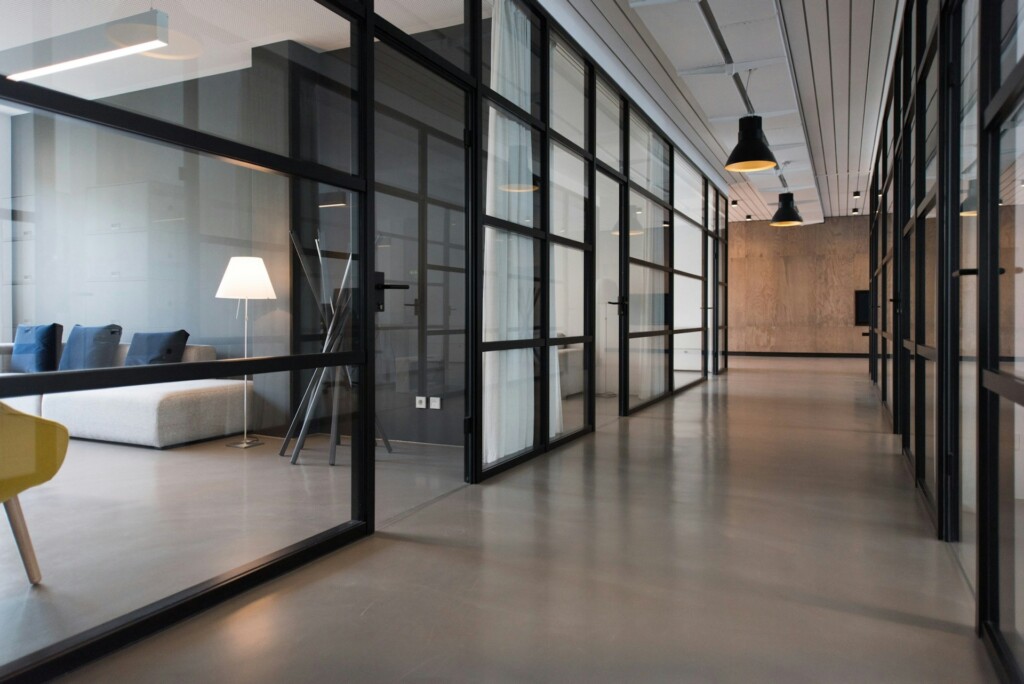
An effective office retrofit in Downtown Austin requires coordinated planning across design, systems, and construction phases. We manage build-outs, tenant improvements, lighting upgrades, and fenestration projects through single-point coordination. This approach ensures schedule alignment and maintains project continuity from initial consultation through final turnover.
The most successful retrofits combine strategic space planning with modern systems upgrades. LED lighting improvements deliver immediate energy savings and enhanced workplace comfort. Window and door selections affect long-term performance through energy efficiency and acoustic control. Together, these elements create functional office environments that support productivity and align with business objectives.
Ready to start your office retrofit project? Contact EB3 Construction to discuss your goals and schedule a consultation.