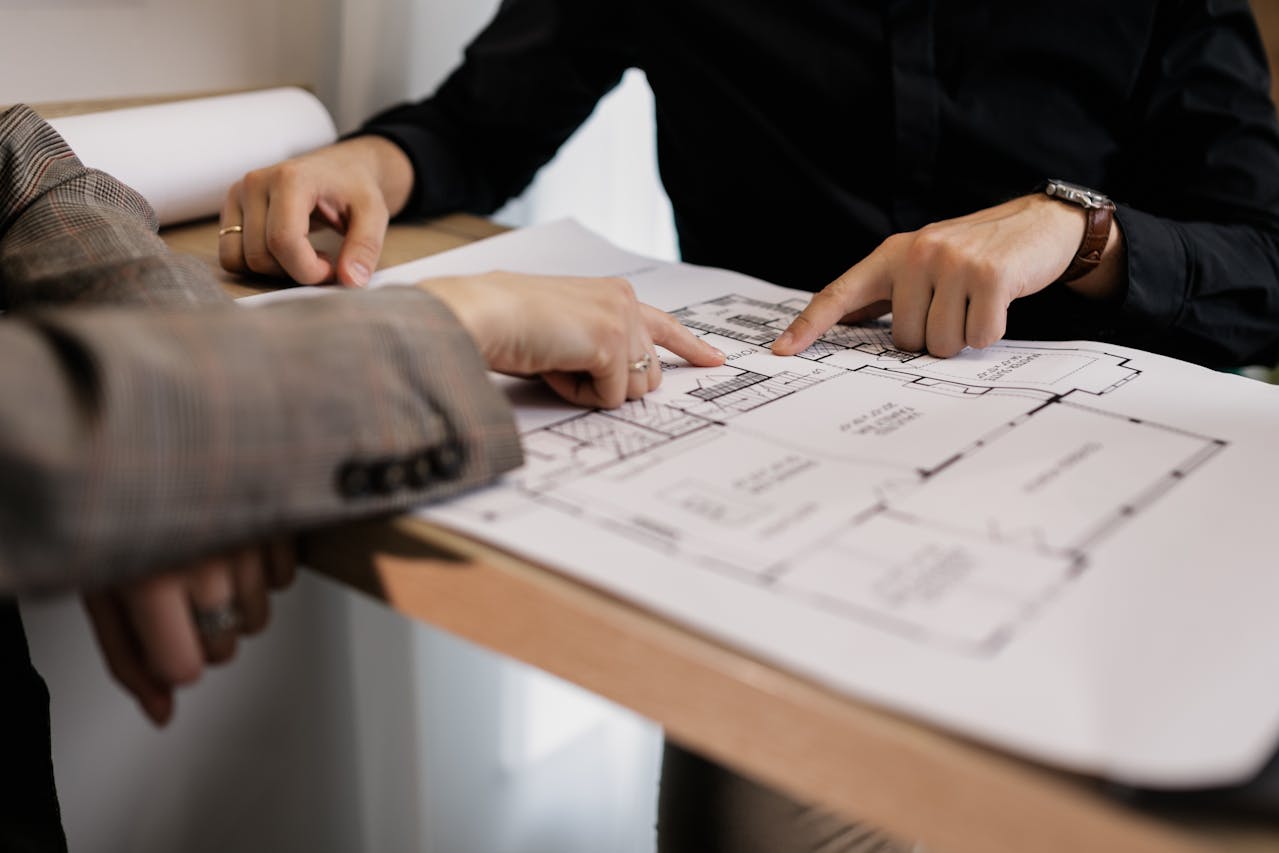
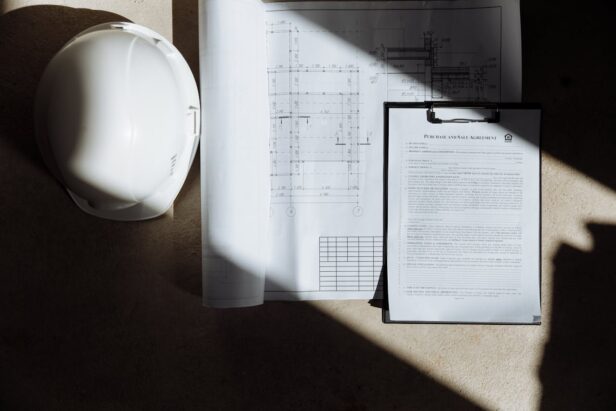
Commercial contractors in Mansfield transform empty shells into fully operational business spaces through comprehensive project management and construction expertise. We coordinate every phase from initial site preparation and structural framing to interior detailing and final cleanup.
The scope typically encompasses new retail build-outs, restaurant rebrands, tenant improvements, and general repairs across Mansfield’s diverse commercial landscape. Our teams align construction plans with local zoning laws and building codes, establish realistic timelines and budgets, then keep all stakeholders informed through regular progress updates on milestones and necessary adjustments. Through transparent reporting, rigorous quality checks, and proactive safety planning, we maintain project momentum while controlling costs from kick-off to closeout.
Which Commercial Services And Project Types Are Common In Mansfield?

QSR Remodels And Restaurant Construction
We handle Quick Service Restaurant remodels that require fast-track timelines and specialized understanding of kitchen workflows. These projects often involve system installations for ventilation, commercial-grade electrical work, and compliance with health department regulations. QSR remodels demand careful coordination with corporate brand specifications while maintaining operational efficiency during construction phases.
Restaurant construction extends beyond basic build-outs to include complex elements like drive-thru additions, specialized flooring for high-traffic areas, and brand-specific interior design. We coordinate everything from structural framing for equipment loads to final cleanup that meets food service standards.
Convenience Store Rebrands And Retail Build-Outs
Convenience store rebrands represent a growing segment in Mansfield, with independent operators and franchise chains modernizing their spaces. We manage site preparation for updated fuel systems, exterior signage installations that meet local zoning requirements, and interior renovations that maximize product visibility while improving customer flow.
Retail build-outs require detailed coordination of electrical systems for point-of-sale equipment, specialized lighting for merchandise display, and ADA compliance throughout the customer experience. These projects often include floor-to-ceiling renovations that transform dated spaces into modern retail environments aligned with current brand standards.
Office Renovations And Corporate Tenant Improvements
Office renovation projects in Mansfield range from simple refreshes to comprehensive workspace transformations. We coordinate system installations for modern technology infrastructure, updated HVAC systems for improved efficiency, and interior design elements that support productivity and employee satisfaction.
Corporate tenant improvements frequently require adherence to specific brand guidelines and operational requirements. We handle everything from sound-rated partition installations for privacy to specialized lighting systems that meet corporate standards. These projects often involve phased construction to minimize disruption to ongoing business operations.
General Repairs And Facility Maintenance Projects
General repair work encompasses everything from roof maintenance and exterior restoration to interior updates that extend building life cycles. We coordinate structural assessments, material procurement, and repair implementation while ensuring minimal disruption to occupants and maintaining safety protocols throughout the process.
These projects require flexibility and rapid response capabilities, particularly when addressing emergency repairs or seasonal maintenance needs. Our teams handle final cleanup and restoration work that returns facilities to full operational status while meeting all applicable building codes and safety requirements.
How Does The Planning-To-Closeout Process Typically Work?
We structure commercial projects through a systematic workflow that moves from initial consultation to final handover. Each phase builds on the previous work while maintaining clear accountability and communication channels.
Initial Consultation And Assessment
We start every project by defining clear goals, scope boundaries, and budget parameters with property owners and stakeholders. This phase includes comprehensive site condition reviews, local code verification, and zoning compliance checks. Our team develops preliminary design direction that aligns with operational requirements and regulatory standards.
During this assessment, we evaluate structural considerations, utility access, and any site-specific challenges that could impact construction feasibility. We coordinate with local building departments early to identify permit requirements and inspection schedules.
Customized Planning And Design
We develop detailed construction plans that integrate design specifications, project timelines, and resource allocation strategies. This planning balances structural requirements with aesthetic goals while maintaining budget alignment throughout the process. Our approach ensures that design elements support both functional needs and brand standards.
Resource allocation planning occurs simultaneously, identifying skilled trades, material procurement schedules, and equipment needs. We establish milestone targets that allow for progress tracking and schedule adjustments as construction advances.
Execution With Communication
We follow established schedules while maintaining regular progress updates with all stakeholders. Milestone achievements are highlighted through documented reporting that demonstrates measurable advancement toward project completion. Necessary adjustments are addressed transparently with clear communication about impacts on timeline or budget.
Our project teams conduct weekly progress reviews and provide real-time updates when site conditions or circumstances require schedule modifications. This systematic communication approach prevents misunderstandings and keeps all parties informed of project status.
Quality Control And Final Inspection
We conduct rigorous quality checks throughout construction to confirm conformance with approved plans and owner expectations. These inspections verify that all systems function properly, finishes meet specifications, and installations comply with applicable codes. Final walkthroughs ensure that every detail meets contractual requirements before project closeout.
Our final inspection process includes comprehensive testing of mechanical systems, verification of safety features, and confirmation that all closeout documentation is complete. We coordinate with local buildin0g authorities to obtain necessary certificates and approvals for occupancy.
What Delivery Methods Can Mansfield Owners Choose (GC, Design-Build, JOC/IDIQ, Early Involvement)?
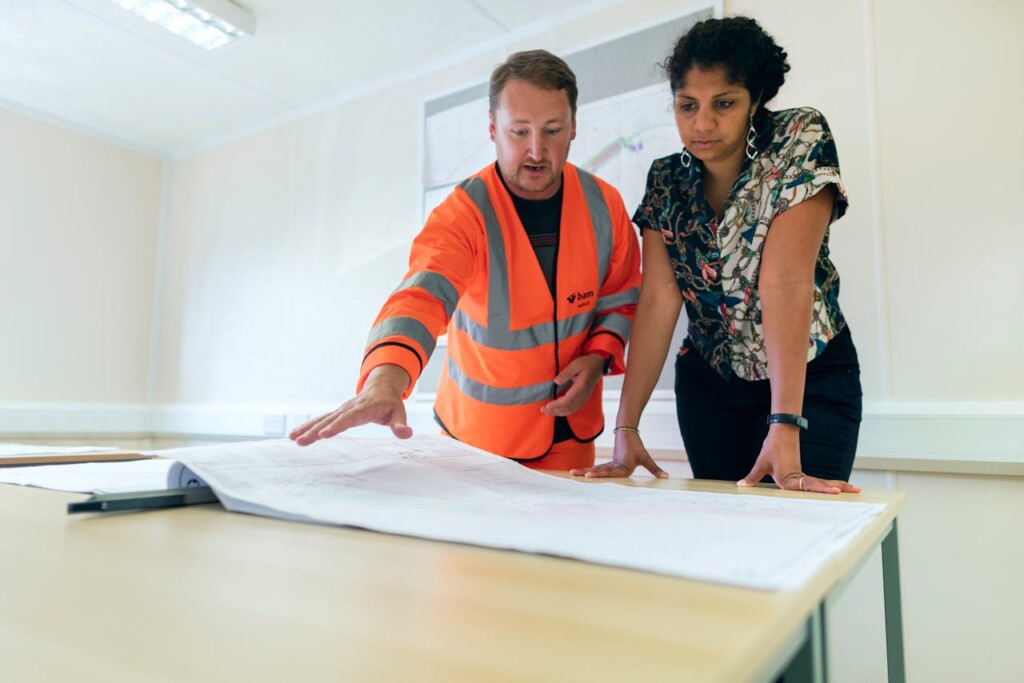
Mansfield property owners can select from several proven delivery methods, each offering distinct advantages for different project requirements. The choice shapes how we coordinate teams, manage timelines, and control costs throughout the construction process.
General Contractor (GC) Delivery
Under this traditional approach, we manage daily operations, subcontractor coordination, and vendor relationships while working alongside the design team to meet budget, schedule, and quality goals. The owner typically contracts separately with the design team and construction team. This method works well for Mansfield owners who want direct control over both design decisions and contractor selection, particularly on projects where design is complete before construction bidding begins.
We handle procurement of trade contractors, coordinate schedules among all parties, and maintain quality control throughout the build. This delivery method often appeals to owners familiar with construction processes who prefer managing separate contracts for design and construction services.
Design-Build Integration
Design-Build brings both design and construction under one contract and one team from project start. We engage early in the planning phase to align product vision, budget parameters, and schedule expectations before design work begins. This approach typically reduces project duration since construction planning happens parallel to design development rather than after design completion.
The integrated approach often benefits Mansfield owners working within compressed timelines or those seeking streamlined communication through a single point of contact. Early contractor involvement in design decisions helps identify constructability issues and cost control opportunities that might not emerge under traditional delivery methods.
Job Order Contracting (JOC) and IDIQ Arrangements
JOC and Indefinite Delivery/Indefinite Quantity (IDIQ) contracts establish pre-negotiated market rates for specific types of work, enabling streamlined task orders without full bidding cycles for each project. These arrangements work particularly well for property owners managing multiple locations or planning several smaller projects over time.
Under these contracts, we can mobilize quickly for tenant improvements, maintenance projects, or emergency repairs using pre-established pricing structures. Mansfield owners benefit from predictable costs and faster project starts, since procurement time drops from weeks or months to just days for routine work scopes.
Early Contractor Involvement Programs
Early contractor involvement means we join the project team during design and procurement phases to provide constructability input, cost control guidance, and schedule optimization before construction contracts are finalized. This approach helps smooth the transition from design to construction while maintaining separate contracts between owner, designer, and contractor.
We review design development for construction feasibility, suggest material and method alternatives that can reduce costs or improve quality, and identify potential scheduling challenges before they impact project timelines. This delivery method appeals to Mansfield owners who want contractor expertise during planning while maintaining traditional contract structures.
| Delivery Method | Description | Pros | Cons |
|---|---|---|---|
| Design-Bid-Build (DBB) | Traditional method involving separate contracts for design and construction. | Owner control over design; competitive bidding. | Longer timelines; potential design and construction conflicts. |
| Design-Build (DB) | A single contract for both design and construction, streamlining processes. | Shorter project duration; single point of contact. | Owner loses design oversight; potential conflicts of interest. |
| Construction Manager at Risk (CMAR) | A construction manager oversees a project with a guaranteed maximum price. | Improved cost control; collaborative approach. | Single point of failure; financial risk for CM. |
| Job Order Contracting (JOC) | Pre-negotiated unit pricing for projects over multiple locations. | Quick project mobilization; predictable costs. | Limited to specific task types; not suitable for all projects. |
| Integrated Project Delivery (IPD) | All stakeholders work under a single contract sharing risk/reward. | Enhanced collaboration; shared objectives. | Complex coordination; high early collaboration required. |
Each delivery method serves different project goals and owner preferences. Projects requiring fast completion often benefit from Design-Build integration, while owners managing multiple properties may find JOC arrangements most efficient. Traditional GC delivery remains effective for complex projects where design control and contractor competition are priorities.
What Should You Look For When Selecting A Commercial Contractor In Mansfield, TX?
Selecting the right contractor involves verifying credentials through multiple databases and establishing clear expectations upfront. We recommend starting with licensing verification, then expanding to insurance coverage, BBB accreditation, and management practices before evaluating communication protocols.
Proper vetting requires checking specific databases rather than relying solely on contractor-provided documentation. This systematic approach helps identify qualified professionals while avoiding common pitfalls that can derail commercial projects.
Verify Licensing, Insurance, And Bond Status
Check contractor licensing through the Texas Department of Licensing and Regulation database for trade-specific requirements. While Texas doesn’t require general contractor licensing at the state level, specialized trades like electrical, plumbing, and HVAC work require proper certification.
Request current certificates of insurance covering general liability and workers’ compensation. These documents protect against potential accidents or property damage during construction. Verify coverage amounts match your project scope and confirm the policy remains active throughout the construction timeline.
Bonds provide additional financial protection if contractors fail to complete work or pay subcontractors. Many Texas cities require contractor bonds at the municipal level, with amounts varying based on project type and location.
Evaluate BBB Accreditation And Ratings
BBB accreditation indicates a business has undergone evaluation against specific standards including complaint history, business practices, and transparency. Ratings range from A+ to F, providing insight into overall business performance and customer satisfaction.
Review complaint patterns and resolution methods through BBB records. We focus on how contractors respond to issues rather than the mere presence of complaints, since active businesses typically receive occasional customer feedback.
Consider both accreditation status and rating grade when evaluating potential contractors. Non-accredited businesses aren’t automatically disqualified, but accredited contractors with strong ratings demonstrate commitment to industry standards.
Assess Management Practices And Communication
Strong management practices include clear goal setting, firm timeline adherence, and reliable subcontractor scheduling. Ask about quality control procedures, safety protocols, and material sourcing methods during initial consultations.
Evaluate communication standards by discussing progress reporting frequency and milestone update procedures. We establish regular check-ins and change management protocols before projects begin to prevent misunderstandings during construction.
Understand role distinctions between project managers and general contractors. Project managers typically engage during design phases to coordinate stakeholder needs and budget parameters, while general contractors focus on construction execution after plans finalize.
Identify Red Flags During Selection
Unreasonably low bids often indicate missing scope items, inferior materials, or inexperienced labor. Compare detailed proposals rather than focusing solely on bottom-line pricing to understand true project costs.
Avoid contractors requesting complete payment upfront or unusually large down payments. Standard practice involves milestone-based payments tied to work completion and inspection approval.
Poor communication during the bidding process typically worsens during construction. Contractors who provide vague responses, miss scheduled appointments, or fail to return calls promptly may exhibit similar behavior throughout project execution.
Conclusion And Next Steps

Your path to selecting the right commercial contractor in Mansfield, TX starts with clear preparation. Begin by defining your project scope and establishing a realistic budget that accounts for both hard and soft costs. Gather your brand standards, ADA requirements, and any corporate specifications that will guide the design and construction process. These foundational elements provide the framework contractors need to deliver accurate proposals and realistic timelines.
Early coordination with local permitting requirements streamlines the entire process. Mansfield operates under specific local codes and zoning regulations that affect project feasibility and scheduling. Discussing these requirements upfront with potential contractors demonstrates their local expertise and helps identify any regulatory hurdles before they impact your timeline. From there, create a shortlist of licensed contractors with strong reviews, verified insurance, and proven track records in your project type. Evaluate their delivery methods to determine which approach aligns best with your goals, whether that’s traditional general contracting, design-build integration, or early contractor involvement for complex builds.
Ready to move forward with your commercial project? Contact EB3 Construction to discuss how our experience in Mansfield can help bring your vision to life.