
Fast-track completion contractors compress project schedules by up to 40 percent compared to traditional delivery methods. We start building before design reaches completion, overlapping construction phases that normally happen one after another.
A fast-track completion contractor manages projects where construction begins while architectural teams continue finalizing drawings. We keep design slightly ahead of site work, coordinate multiple bid packages, and secure phased permitting so work can start on defined project sections. This approach demands strong preconstruction planning, experienced subcontractor relationships, and tight coordination across all trades to balance speed with quality management throughout the build.
When Does Fast-Track Delivery Make Sense, And What Are The Benefits?
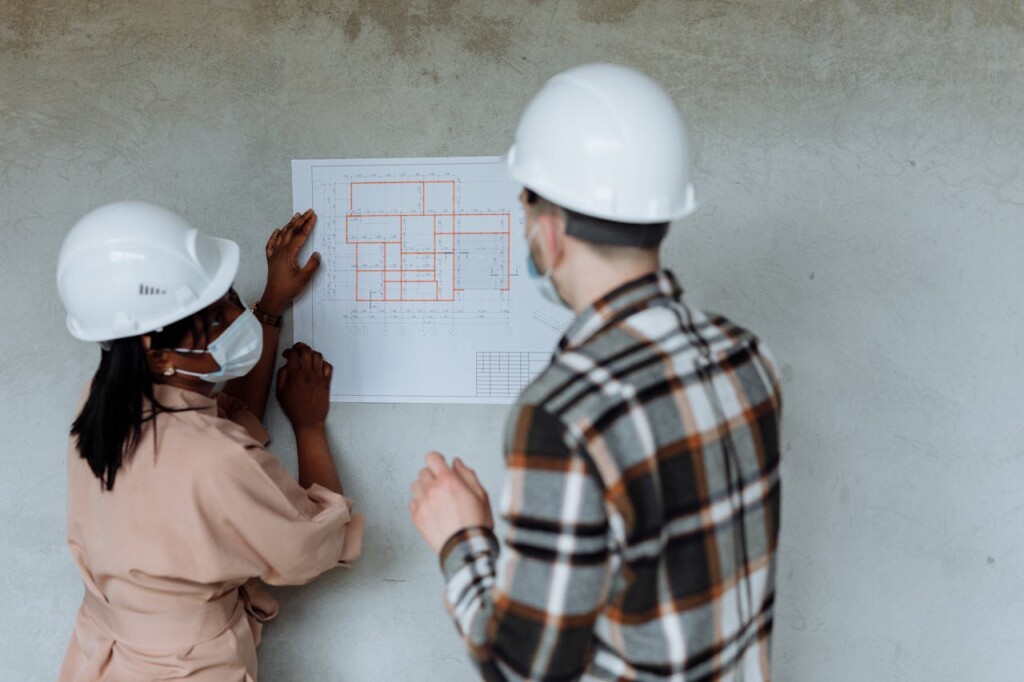
Fast-track delivery works best when time creates competitive advantage or addresses critical service needs. Mixed-use developments benefit from phased occupancy options, while high-rise construction leverages the approach by starting lower floors while upper-level designs progress. Public infrastructure projects use fast-tracking to minimize community disruption and restore essential services.
Healthcare facilities represent particularly successful applications, with some projects reducing delivery time from six years to four through overlapping construction phases. Educational facilities rely on fast-track methods to meet critical opening dates aligned with academic calendars. Office buildings, warehouses, and multifamily projects all gain value when market timing drives revenue generation.
Time Efficiency And Market Advantage
We typically see traditional projects requiring 24 to 30 months completed in 16 to 20 months through effective fast-tracking. This compression stems from starting foundation work while upper-level designs continue development. Property owners begin generating revenue or occupying space months ahead of conventional schedules.
For commercial projects facing immediate market demand, early occupancy translates directly to captured revenue that would otherwise shift to competitors. The accelerated schedule allows businesses to move in and start realizing income while traditional delivery methods keep facilities under construction.
Financial Benefits And Cost Control
Shorter construction timelines reduce debt service costs by minimizing the period between initial investment and revenue generation. Construction loans and interim financing carry lower total interest when project duration shrinks by six to twelve months. We track how this time compression directly improves project economics.
Labor cost exposure decreases with compressed schedules, particularly valuable given construction cost escalation at approximately 12 to 15 percent annually. Early material procurement helps mitigate inflation impact by locking in prices sooner in the construction cycle. The improved return on investment comes from both reduced carrying costs and earlier cash flow generation.
Public Projects And Disaster Recovery
Fast-track proves especially effective for public projects where community needs demand rapid facility restoration. Disaster recovery projects demonstrate the approach’s value in urgent situations requiring immediate service restoration. We coordinate emergency housing, medical facilities, and infrastructure repairs where speed directly impacts public welfare.
Public infrastructure projects use fast-tracking to minimize disruption to existing services. Schools benefit when construction must align with academic schedules, allowing partial occupancy while other phases continue. Critical facilities like hospitals and emergency services require the accelerated delivery that fast-track provides when community safety depends on rapid completion.
What Risks Come With Fast-Tracking, And How Can Contractors Manage Them?
Fast-track projects create pressure that increases construction error rates. When teams make rapid decisions with incomplete information, mistakes become frequent and expensive. We see defective work, coordination problems between trades, and quality issues that require costly rework.
Change orders multiply when construction begins before design completion. Scope and design creep are two of the most dangerous risks facing fast track projects, especially when guaranteed maximum price contracts rely on 70-80% complete documents. Assumptions and allowances fill information gaps, but they often prove inadequate when field conditions emerge. We control this risk through weekly GMP control meetings with estimating staff, clear documentation of assumptions, and strict change order protocols.
Financial exposure escalates quickly in compressed schedules. Construction delays trigger additional financing costs while lost revenue mounts from delayed occupancy. Early procurement decisions based on preliminary drawings carry substantial risk when specifications change during construction. We mitigate financial risk by building conservative contingencies into initial estimates, typically 10-15% depending on design completeness and site complexity.
Long-lead procurement creates vulnerability when structural steel, HVAC equipment, elevators, and curtain wall systems require early purchasing decisions. Material delivery schedules drive critical path activities, making procurement timing crucial for schedule success. We manage this exposure through early supplier engagement, backup sourcing options, and careful coordination between design development and procurement needs.
Overtime productivity declines rapidly beyond several weeks of extended hours. Research shows that continuous overtime operations beyond eight weeks result in less work accomplishment than standard 40-hour schedules. Worker fatigue increases error rates while labor costs inflate significantly. We address overtime risks by realistic scheduling, adequate workforce planning, and monitoring productivity metrics to identify declining efficiency early.
Construction sequence risks emerge when activities overlap without proper coordination. Trade crews working simultaneously create space conflicts, safety hazards, and quality problems. We control sequence risks through detailed coordination meetings, clear workspace assignments, and robust daily oversight by experienced superintendents who understand fast-track demands.
Risk management requires multiple control systems working together. We conduct conservative due diligence during preconstruction to validate site conditions, permitting requirements, and cost assumptions. Multiple bid packages get defined upfront with clear scope boundaries and delivery schedules. GMP assumptions receive weekly tracking and regular updates as design develops. Contingency plans include backup schedules, alternative suppliers, and phased completion options that protect project outcomes when issues arise.
Contract provisions address fast-track specific risks through differing site conditions clauses, force majeure protections, and clear change order procedures. Full-time onsite management provides immediate response to coordination challenges and quality control issues. Safety and quality controls become daily requirements rather than periodic checks, preventing small problems from cascading into schedule delays or cost overruns.
How Does The Fast-Track Process Work Step By Step?

The fast-track process follows a structured sequence that overlaps design phases with construction execution. We manage this progression through six distinct steps that maintain momentum while controlling quality and risk exposure.
Due Diligence And Preconstruction
We validate pro formas and cost projections before committing to fast-track schedules. Site investigations examine soil conditions, utility locations, and environmental factors that could delay construction phases. Permitting research identifies approval timelines and potential regulatory roadblocks.
Preconstruction planning establishes realistic budgets and completion dates based on current market conditions. We assess subcontractor availability and material lead times during this phase. Financial feasibility gets confirmed through detailed cost analysis and schedule compression benefits.
Early Contractor Involvement
We align project teams on delivery strategy and establish clear communication protocols. Long-lead items like structural steel, HVAC equipment, and elevators receive immediate identification and procurement planning. The bid package plan gets structured around construction logic and material availability.
Team coordination defines roles and responsibilities for overlapping design and construction phases. We establish guaranteed maximum price parameters based on preliminary documentation. Subcontractor selection prioritizes experience with fast-track demands and schedule commitments.
Phased Permitting And Construction
Foundation work begins once building footprint and structural loads are determined. We permit sections in manageable portions, typically three to five floors at a time while design teams complete upper levels. This approach allows construction to proceed while avoiding complete design documentation.
Permit submissions follow construction sequencing to maintain continuous work authorization. We coordinate with local authorities to streamline review processes and minimize approval delays. Each construction phase receives proper permits before field work commences.
Rolling Design
Design teams stay two to three lifts ahead of construction progress to maintain adequate detail for field execution. We issue field sketches daily to resolve immediate construction challenges and coordinate trade interfaces. Shop drawings receive priority review to prevent material delays.
Progress sets at 30%, 60%, and 90% completion guide construction phases and procurement decisions. Design coordination meetings occur weekly to address emerging issues and prevent conflicts. We maintain design flexibility while providing sufficient detail for accurate construction.
Coordination And Controls
Regular coordination meetings track design completion, construction progress, and schedule adherence. Critical Path Method scheduling identifies potential delays and resource allocation needs. Construction management software centralizes RFI tracking and change order processing for rapid response times.
We monitor guaranteed maximum price assumptions weekly to prevent scope creep and budget overruns. Communication protocols ensure immediate escalation of critical issues. Documentation standards maintain accountability across all project participants.
Safety And Quality
Daily safety inspections maintain rigorous standards despite accelerated schedules. We implement quality control checkpoints at each construction phase to prevent rework and costly corrections. Site housekeeping receives enhanced attention with multiple trades working simultaneously.
Quality assurance procedures continue unchanged from traditional construction to ensure long-term performance. We resist schedule pressure that could compromise safety protocols or workmanship standards. Robust daily checks prevent incidents and maintain productive work environments.
What Should You Require When Selecting A Fast-Track Completion Contractor?
Selecting the right contractor for fast-track construction demands rigorous screening criteria beyond typical project evaluation. We assess candidates on their ability to manage compressed timelines, coordinate complex sequencing, and maintain quality standards under intense pressure. The stakes are higher in fast-track work because delays compound rapidly and rework becomes exponentially more expensive.
Proven Fast-Track Experience And Project Management Expertise
We look for contractors with documented fast-track project history and dedicated project managers who understand overlapping design and construction phases. Experience matters because fast-track construction demands different skills than traditional sequential delivery. The project manager should demonstrate familiarity with phased permitting, rolling design releases, and coordination between design teams working just ahead of construction crews.
Request specific examples of similar projects including timeline compression achieved, budget performance against guaranteed maximum price, and how teams handled design changes during construction. We verify that their project managers have worked on projects where construction began with 70-80% complete documents and successfully managed assumptions and allowances throughout delivery.
Established Subcontractor Relationships And Compensation Readiness
Strong subcontractor relationships prove critical for fast-track success because traditional low-bid selection often fails under compressed schedules. We confirm contractors maintain relationships with experienced trade partners who understand fast-track demands and can commit dedicated project managers to maintain onsite oversight. Contractors should demonstrate willingness to pay premium rates for fast-track commitments because reliable subcontractors command higher compensation for the increased coordination and risk exposure.
Evaluate how contractors select and manage subcontractor teams. The best fast-track contractors often work with the same trade partners across multiple projects, building trust and communication efficiency that becomes essential when decisions must happen rapidly. We look for evidence of collaborative relationships rather than purely transactional bidding processes.
Multiple Bid Package Management And Long-Lead Procurement
Fast-track contractors must demonstrate capability to manage multiple bid packages simultaneously while coordinating early procurement of long-lead items. We assess their ability to sequence packages logically around construction phases and critical path activities. Structural steel, HVAC equipment, elevators, and curtain wall systems typically require advance ordering during early design phases.
The contractor should present clear strategies for identifying and procuring long-lead items based on preliminary specifications. We look for documented processes showing how they coordinate with design teams to lock in performance requirements while maintaining flexibility for final design adjustments. Their procurement approach should balance schedule compression against cost optimization and quality standards.
Guaranteed Maximum Price Controls And Financial Management
Tight GMP controls become essential when construction begins before design completion. We require contractors to demonstrate robust cost tracking systems and weekly assumption monitoring procedures. They should present clear methodologies for establishing GMP pricing based on incomplete documents and managing assumptions, clarifications, and allowances throughout construction.
Look for contractors who maintain detailed cost databases from previous fast-track projects and can provide realistic contingency recommendations based on design completeness levels. We expect them to show how they track actual costs against GMP assumptions and identify potential overruns before they impact project budgets. Their financial management approach should include regular reporting and early warning systems for cost variances.
Full-Time Onsite Construction-Phase Services
Fast-track construction demands dedicated onsite management throughout the construction process. We require contractors to commit full-time superintendents and project managers who can respond immediately to design changes and coordinate multiple trades working simultaneously. Part-time or shared management arrangements typically prove inadequate for fast-track complexity.
The onsite team should include personnel experienced with construction management software for tracking RFIs and change orders in real time. We look for contractors who can demonstrate rapid response capabilities for design clarifications and maintain comprehensive documentation of all project communications during compressed timelines.
Comprehensive Contract Provisions And Risk Allocation
Contract terms must address fast-track specific risks including submittal and RFI turnaround times, change order workflow procedures, and realistic completion date assessments. We require clear timelines for processing submittals and responding to requests for information because delays in these processes cascade quickly through compressed schedules.
The contract should include appropriate contingencies reflecting design completeness levels and project complexity. We insist on differing site conditions clauses and adverse weather provisions because unexpected issues become more costly when schedules lack buffer time. Force majeure provisions should address delays beyond contractor control while maintaining accountability for performance within their influence.
Design-Build Subcontractor Management And Professional Liability
When fast-track projects require design-build subcontractors for specialized systems, we verify contractors can establish clear performance criteria and manage design responsibilities effectively. The contractor should demonstrate ability to coordinate design-build trade work with overall project design development and maintain quality standards across all design disciplines.
Professional liability coverage requirements become critical for design-build subcontractors because design errors discovered during construction carry higher correction costs. We confirm contractors require appropriate insurance levels and understand how to manage design performance risks when multiple parties hold design responsibilities. Their contract management should clearly delineate design scope boundaries and coordination responsibilities.
Cultural Fit And Organizational Readiness
The contractor’s organizational culture must align with fast-track demands including high-stress decision making, continuous coordination, and quality maintenance under pressure. We assess their team’s ability to thrive in environments where design continues evolving during construction and multiple issues require simultaneous resolution.
Look for contractors whose staff demonstrate comfort with ambiguity and rapid problem-solving. Their project teams should show enthusiasm for fast-track challenges rather than reluctance about compressed schedules. We evaluate communication styles, stress management approaches, and collaborative attitudes because these factors significantly impact project success when teams must work closely under intense timelines.
Conclusion And Next Steps

Fast-track delivery compresses project timelines by strategically overlapping design and construction phases. We’ve seen how this approach can reduce labor expenses, minimize debt service costs, and protect budgets from material inflation. However, these benefits come with increased coordination demands and financial exposure that require careful management throughout the project lifecycle.
Moving forward with fast-track delivery requires methodical implementation rather than jumping into complex projects. Start with manageable projects that allow your team to develop expertise without overwhelming risk exposure. Conduct conservative due diligence on site conditions, permitting paths, and market factors before committing to accelerated schedules. Map out bid packages and long-lead procurement early to prevent bottlenecks. Establish phased permitting strategies that align with your construction sequence. Lock in safety and quality control routines that maintain standards under compressed timelines. Define GMP assumptions clearly and schedule weekly control meetings to track budget alignment. Organize RFIs and change orders in unified construction management software for rapid response times. With clearly defined roles, consistent communication protocols, and realistic project milestones, teams can achieve significant schedule compression while maintaining quality standards and controlling risk exposure.
Contact EB3 Construction to discuss how we can implement fast-track strategies that balance speed with quality outcomes on your next project.