Lewisville’s commercial construction market reaches beyond the traditional office buildings visible along I-35. As Dallas-Fort Worth continues its rapid growth, developers face increasing pressure to deliver functional spaces on tight timelines while contending with rising material costs and skilled labor shortages.
We manage the complete commercial construction process across multiple sectors in Lewisville. Our design-build approach integrates planning and permitting with ground-up construction, interior build-outs, and facility maintenance to support ongoing operations.
Which Project Types Are Common In Lewisville, And What Scopes Do They Include?
Office construction spans multiple sectors that shape Lewisville’s commercial landscape. Corporate headquarters require sophisticated infrastructure for technology integration and flexible workspace configurations. Multi-tenant buildings demand efficient floor plans that accommodate varying business sizes and operational needs.
Health care and dental facilities require medical-grade HVAC systems, specialized plumbing for equipment, and compliance with health care building codes.
Warehousing and industrial construction drive significant development activity across the region. Distribution centers prioritize high-bay storage with clear-span designs and loading dock configurations that support efficient freight movement. Manufacturing facilities require heavy-duty electrical systems, reinforced floors for equipment loads, and specialized ventilation for production processes.
Waste and recycling operations need containment systems and equipment access for specialized machinery. Food processing facilities demand sanitary construction materials, temperature-controlled environments, and drainage systems that meet health department standards. Energy sector projects often involve specialized structural requirements for equipment installation and safety protocols.
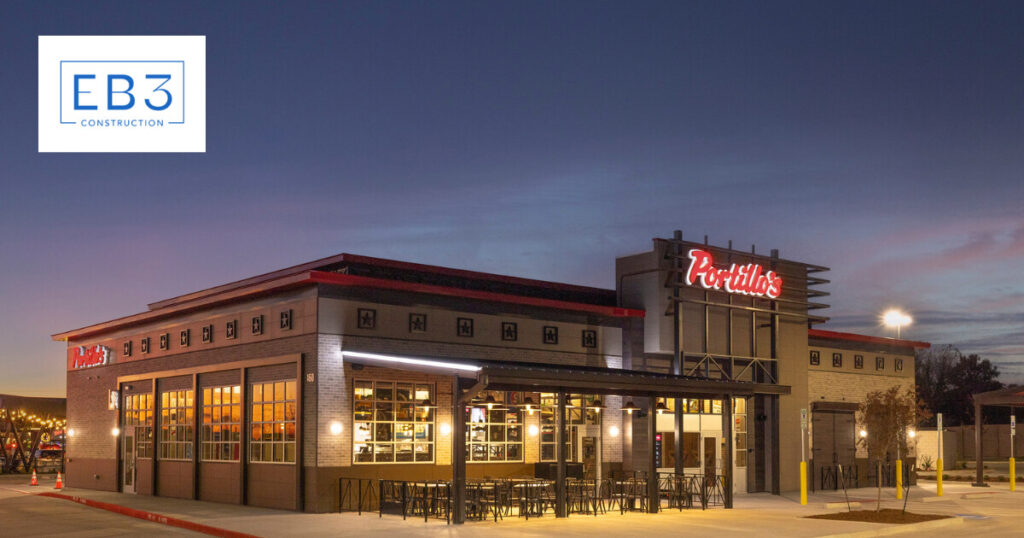
Service and retail construction addresses diverse commercial needs throughout the community. Car wash facilities require specialized plumbing, drainage systems, and chemical-resistant materials. Convenience stores need efficient layouts for customer flow and inventory management.
Hotel construction involves complex MEP systems for guest comfort and compliance with hospitality industry standards. Self-storage facilities prioritize cost-effective construction with security features and climate control options. Child care facilities require specialized safety features, age-appropriate design elements, and outdoor play area construction.
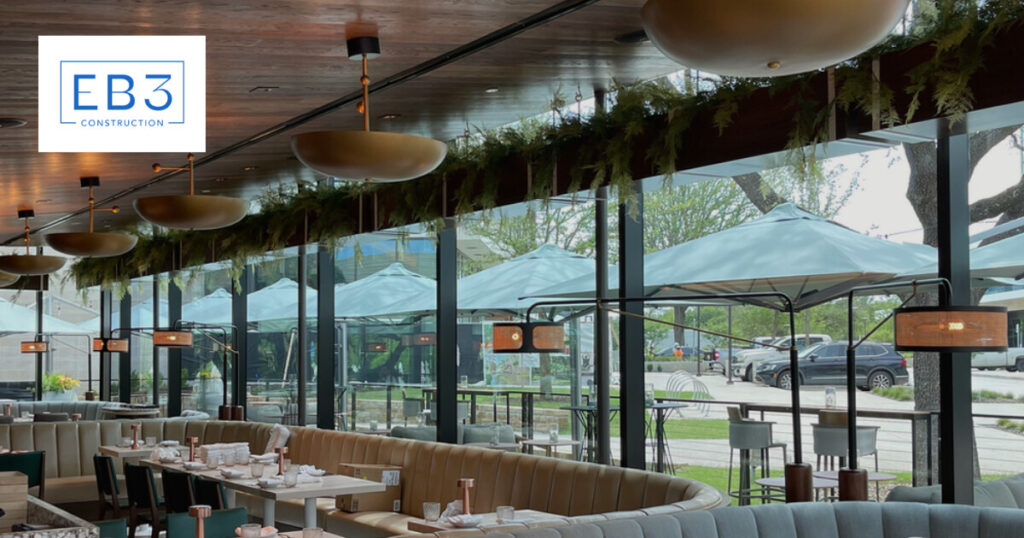
Restaurant construction demands commercial kitchen ventilation, grease management systems, and dining area layouts that optimize the customer experience. Strip malls require flexible tenant spaces with shared utilities and parking configurations. Automotive facilities need specialized flooring, equipment installation areas, and service bay configurations.
Multifamily and senior housing construction addresses growing residential demand across various market segments. Market-rate projects focus on amenity-rich designs that attract residents in competitive markets. Affordable housing construction balances cost efficiency with quality standards to meet community needs.
Mixed-use developments combine residential and commercial spaces with shared infrastructure and zoning considerations. Independent active senior housing emphasizes accessibility features and community spaces for aging-in-place residents. Assisted living facilities require specialized safety features, medical equipment access, and staff operational areas.
Memory care construction involves secure environments with specialized design features that support residents with cognitive challenges. These projects require enhanced safety systems and therapeutic environment design considerations.
| Project Type | Scope Elements |
| Office Buildings | Flexible workspace configurations, infrastructure for technology integration |
| Financial Institutions | Specialized security systems, vault construction |
| Healthcare Facilities | Medical-grade HVAC systems, specialized plumbing, code compliance |
| Warehousing | High-bay storage, clear-span designs, loading docks |
| Manufacturing Facilities | Heavy-duty electrical systems, reinforced floors, specialized ventilation |
| Retail Stores | Efficient layouts, inventory management, customer flow optimization |
| Hotels | Complex MEP systems, guest comfort, industry-standard compliance |
| Restaurants | Commercial kitchen ventilation, grease management systems |
| Multifamily Housing | Amenity-rich designs, cost-efficiency standards |
| Mixed-Use Developments | Shared infrastructure, zoning considerations, residential and commercial integration |
Pre-engineered metal buildings provide turnkey construction solutions for projects requiring rapid deployment and cost efficiency. Steel frame systems offer clear-span capabilities for warehousing, manufacturing, and large retail applications. Turnkey metal buildings include foundation design, structural systems, and basic MEP rough-in.
Fabric-covered buildings serve specialized applications where traditional construction may not be cost-effective. Clear-span structures provide large, unobstructed interior spaces for storage, athletics, or temporary facilities. Coverall structures offer weather protection for equipment and materials with flexible installation options.
We provide ongoing service, repair, and cover replacement support for fabric building systems. These structures require periodic maintenance and cover replacement to maintain structural integrity and weather protection.
Facility services and building maintenance support ongoing commercial operations after construction completion. General building maintenance includes routine repairs, system updates, and preventative care to extend building life cycles. Concrete work addresses foundation repairs, parking lot maintenance, and structural concrete restoration.
Preventative maintenance programs help identify issues before they become costly repairs. Urgent repairs respond to immediate building system failures that could impact business operations. These services maintain the value and functionality of commercial investments over time.
How Does The Design-Build And Permitting Process Work?
Design-build delivery creates a single point of responsibility for your entire project. We integrate planning, design, estimating, permitting, and construction under one contract to eliminate coordination gaps between separate teams. This approach streamlines decision-making and reduces the communication delays that often occur when multiple firms manage different project phases.
Our one-team approach begins during conceptual planning, when we involve construction expertise in design decisions. Early contractor input helps identify cost-effective building systems and construction methods before drawings are finalized. This collaboration prevents expensive redesigns and ensures constructability throughout design development.
Budget control starts in schematic design with preliminary cost modeling and value engineering reviews. We provide real-time cost feedback as design elements are selected, allowing immediate adjustments to stay within target budgets. This continuous estimating process prevents surprises when final construction documents are issued and helps align scope with available funding.
Permitting coordination runs in parallel with design development, with our team managing submissions to local authorities as drawings are finalized. We stay current on Lewisville building codes and zoning requirements to expedite the approval process. This parallel workflow shortens the overall timeline by preventing delays between design completion and permit approval.
Schedule visibility improves with integrated project management that coordinates design milestones with construction planning. We develop detailed project schedules that show how design decisions impact construction sequencing and overall completion dates. Regular coordination meetings keep stakeholders informed about progress and upcoming decisions requiring owner input.
Project communication uses construction management software to provide real-time updates on design progress, permit status, and construction preparation. Photo documentation illustrates design development progress, while schedule dashboards track milestone completion. Material and finish selections are managed through digital platforms that maintain approval records and help prevent miscommunication during construction.
Scope alignment is maintained through structured reviews at key project milestones. We conduct formal design reviews with owners to confirm that developing plans meet operational requirements and budget expectations. These checkpoints allow course corrections before significant resources are committed to detailed design or construction preparation.
What Should Owners Prioritize For Industrial And Warehouse Projects?

Industrial and warehouse construction demands strategic focus on four critical factors that directly impact operational performance. We evaluate these priorities early in design to ensure efficient outcomes align with business objectives and long-term growth plans.
Distribution Logistics and Operational Layout
Efficient flows for people, goods, and vehicles form the backbone of warehouse productivity. We design clear pathways that separate pedestrian traffic from equipment movement, reducing congestion and safety risks. Dock positioning aligns with internal circulation patterns to minimize travel distances between receiving, storage, and shipping areas.
Operational layout planning considers material-handling equipment paths and storage accessibility. Strategic placement of work zones supports lean operations while maintaining flexibility for future process changes. The layout directly affects daily productivity and long-term operational efficiency.
Building Code Compliance and Safety Standards
All systems must meet current OSHA safety standards and local building codes for industrial facilities. We coordinate with local authorities early in the design process to identify specific requirements for fire suppression, structural loading, and emergency egress systems. Code compliance planning prevents costly modifications during construction.
Fire safety systems, sprinkler layouts, and emergency exits require integration with operational workflows. Proper ventilation and electrical systems support both regulatory compliance and worker safety. These foundational elements cannot be easily retrofitted after construction is complete.
Location and Site Access Planning
Site compatibility with operations determines long-term success for industrial projects. We evaluate proximity to transportation networks, utility capacity, and workforce accessibility during site selection. Location affects both construction costs and ongoing operational expenses through freight and labor considerations.
Truck circulation requires careful design for safe maneuvering and efficient loading operations. We plan turning radii, queue areas, and dock approaches to accommodate the specific vehicle types that each facility will serve. Poor site access creates bottlenecks that reduce productivity and increase safety risks.
Square Footage Planning and Cost Efficiency
Right-sizing facilities to match function and budget prevents overbuilding while ensuring adequate capacity. We analyze operational requirements to determine optimal building dimensions, clear heights, and column spacing. Square footage cost efficiency balances the initial construction investment with operational performance needs.
Future expansion potential influences initial design decisions for growing operations. We evaluate phased construction options and modular layouts that support cost-effective facility growth. This approach manages capital expenditure while maintaining operational flexibility for changing business requirements.
Conclusion And Next Steps
Lewisville’s commercial construction market offers a range of opportunities across the office, retail, industrial, warehouse, multifamily, and senior housing sectors. We deliver design-build, tenant improvements, renovations, and facility services that align with the varied demands of developers and property owners in the growing DFW market. Our approach integrates planning and permitting coordination with transparent estimating practices to keep projects moving efficiently from concept to completion.
The right next steps lay the foundation for successful project outcomes. Define your project type and scope first, then choose between design-build or tenant build-out based on your timeline and budget. Plan estimating and permitting, and set schedule milestones early to avoid delays that affect costs and occupancy dates. Evaluate specialized options like PEMB or fabric structures when they match your operational requirements and site conditions. Align maintenance and concrete needs with long-term operations to support ongoing facility performance and reduce future capital expenses.
Ready to move forward with your commercial construction project in Lewisville? Contact EB3 Construction to discuss your specific requirements and develop a project plan that meets your goals.