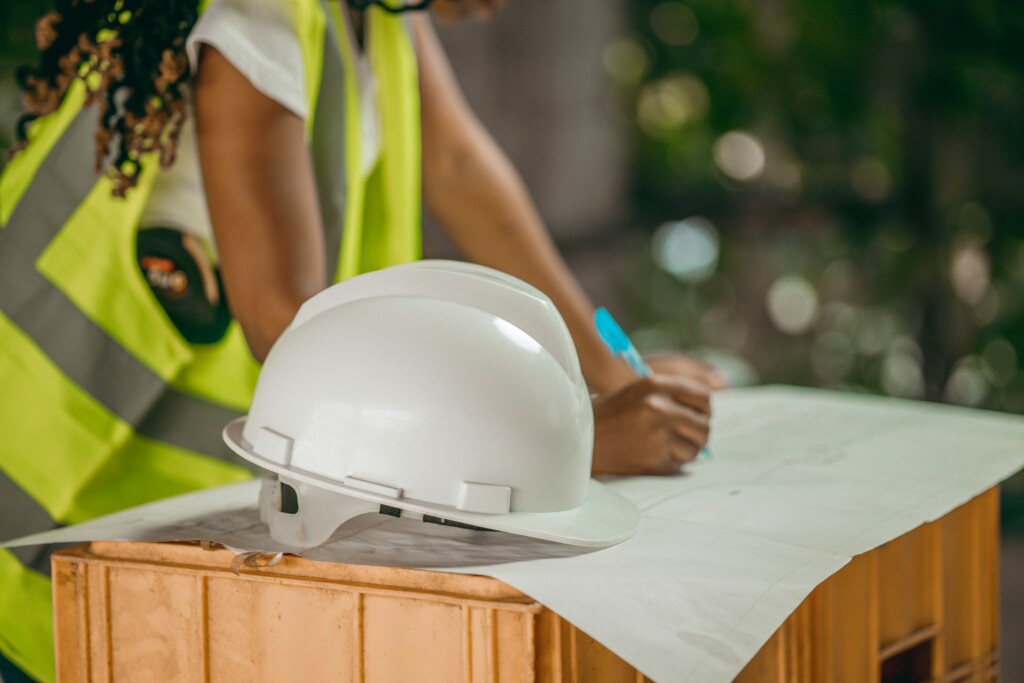
Uptown Dallas commercial construction demands precision in one of the city’s most challenging environments. Office towers stretch skyward while contractors navigate narrow streets, limited staging areas, and strict noise ordinances that protect the urban residential fabric below. Every project requires sophisticated coordination between multiple building systems serving thousands of daily occupants.
We manage high-occupancy mechanical systems, energy management goals, and tenant move-in scheduling that cannot afford delays. Dense urban logistics force careful planning where a single missed delivery window can cascade through an entire project timeline. Trade sequencing becomes critical when elevator access is limited and material hoisting requires street permits that affect traffic flow throughout this bustling district.
What Makes Uptown Dallas Projects Technically Unique?

High-occupancy systems define Uptown construction complexity. Buildings house thousands of workers daily, requiring advanced HVAC, electrical, and plumbing infrastructure. Energy management systems must balance comfort with efficiency targets. MEP engineers face coordination challenges when integrating these sophisticated systems within tight urban constraints.
Dense site conditions push specialized logistics planning. Just-in-time delivery becomes critical when staging areas measure mere feet rather than acres. Materials arrive in sequence to avoid storage conflicts. Crane access windows open briefly between peak traffic hours. Street closures require city coordination weeks in advance.
Advanced Building Systems Integration
MEP systems in Uptown towers interconnect beyond typical commercial projects. Access control networks tie into elevator systems and parking management. Audio-visual infrastructure supports video conferencing across multiple floors. Fire protection systems coordinate with building automation platforms. Each system depends on precise installation sequences to avoid costly rework.
BIM coordination becomes essential early in design phases. Three-dimensional modeling identifies conflicts before field installation begins. Mechanical ductwork, electrical conduits, and plumbing lines compete for limited ceiling space. Clash detection software helps contractors resolve routing issues that would otherwise create delays and change orders.
Urban Construction Challenges
Traffic management plans address construction impact on busy Uptown streets. Concrete pours require lane closures during off-peak hours. Delivery trucks coordinate with building security and parking restrictions. Noise ordinances limit equipment operation times, especially near residential towers.
Utility coordination adds complexity layers. Existing underground infrastructure often lacks accurate documentation. We conduct utility locates and coordinate with city departments before excavation begins. Power shutdowns require tenant notification and backup system planning. Communication lines serving multiple buildings need careful protection during construction.
Energy management systems meet stringent efficiency standards while supporting high-occupancy loads. Variable air volume systems adjust to real-time demand patterns. LED lighting integrates with daylight sensors and occupancy controls. Building automation platforms monitor consumption and optimize performance across multiple systems simultaneously.
Which Scopes Does EB3 Construction Deliver In Uptown?
We deliver comprehensive commercial construction across multiple market sectors in Uptown Dallas. Each project type brings specific technical requirements and coordination challenges that we address through specialized approaches and proven construction methods.
Office And Corporate Interiors
Office interior construction requires careful coordination when buildings remain occupied during work. We implement phased construction approaches that isolate work areas while maintaining business operations. Noise control measures include sound barriers and scheduled activities during off-peak hours to minimize disruption.
Corporate spaces demand sophisticated technology integration alongside traditional construction elements. We coordinate audio-visual infrastructure, access control systems, and networking components with mechanical and electrical systems. High-occupancy mechanical systems support dense workplace environments while maintaining energy efficiency standards.
Interior layouts accommodate modern work patterns through flexible partition systems and adaptable furniture arrangements. We sequence trades carefully to install these systems without conflicts, ensuring quality execution from rough-in through final finishes.
Retail And Restaurant Build-Outs
Retail construction focuses on customer experience elements that drive business success. Custom millwork creates distinctive brand environments while display areas optimize merchandise presentation. We coordinate these specialized installations with electrical systems that support modern point-of-sale requirements.
Restaurant projects operate under aggressive timelines with complex health code requirements. Kitchen ventilation systems require precise installation to meet health department standards while supporting operational efficiency. We coordinate equipment installation with plumbing, electrical, and fire protection systems.
Tight construction schedules leave minimal room for delays in restaurant work. We implement strict material procurement protocols and vendor coordination to maintain momentum from permit approval through final inspection.
Multi-Family And Mixed-Use Development
Multi-family construction combines residential finishing standards with commercial durability requirements. We select building materials and systems that balance resident comfort with long-term maintenance considerations for property management teams.
Amenity spaces drive leasing success in competitive multi-family markets. We construct fitness centers, business lounges, and outdoor gathering areas that create distinctive community environments. These specialized spaces require coordinated mechanical, electrical, and architectural elements.
Mixed-use developments integrate multiple building functions within single structures. Trade sequencing becomes critical when retail, office, and residential components require different construction approaches and completion schedules. We coordinate these diverse requirements through detailed project phasing.
| Project Type | Key Requirements | Examples |
|---|---|---|
| Commercial Construction | Adherence to building codes, managing budgets, and meeting deadlines | Offices, Retail Centers, Hotels |
| Residential Construction | Zoning law compliance, budget constraints, and environmental considerations | Single-family Homes, Apartments, Condominiums |
| Industrial Construction | Specialized facilities, safety standards compliance, and environmental regulations | Factories, Power Plants, Warehouses |
| Institutional Construction | Regulatory compliance, public funding management, and accessibility | Hospitals, Schools, Government Buildings |
| Mixed-use Construction | Coordination of diverse spaces, managing zoning laws, and integrated design | Urban Developments, Live-work Spaces, Mixed-use Skyscrapers |
| Heavy Civil Construction | Resource management, minimal public disruption, and environmental impact management | Highways, Bridges, Airports |
| Green Construction | Sustainability focus, high initial costs, and compliance with eco-friendly standards | LEED-certified Buildings, Solar-powered Homes |
Capital Improvements And Facility Upgrades
Capital improvement projects begin with comprehensive facility assessments that identify system capacities and code compliance issues. We evaluate existing mechanical, electrical, and structural conditions to develop upgrade strategies that address deficiencies without disrupting operations.
Building system upgrades often occur in phases to maintain operational continuity. We coordinate these improvements around tenant schedules and building access requirements. Code-compliant upgrades ensure long-term facility performance while meeting current regulatory standards.
Facility renovations balance preservation of functional building elements with strategic improvements that enhance property value. We assess which systems require replacement versus renovation to optimize project budgets while achieving performance goals.
How Does EB3 Construction Manage Permitting, Phasing, And Logistics In Uptown?
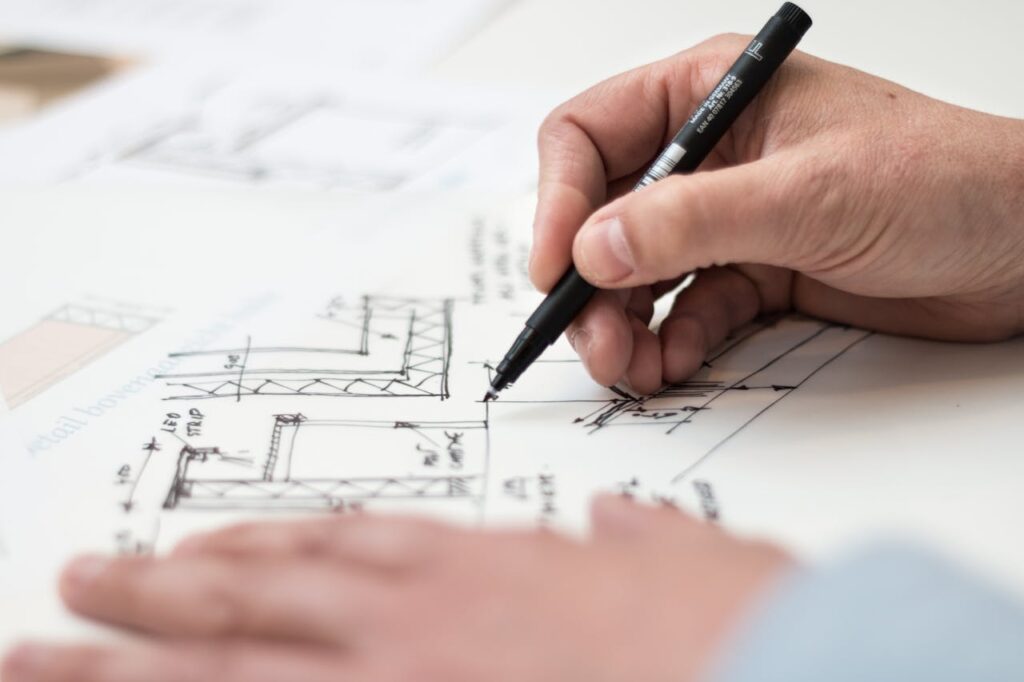
We maintain ongoing relationships with Dallas code officials to understand evolving requirements before they affect project timelines. This proactive approach helps us anticipate permit needs, identify potential code compliance issues, and secure approvals without the delays that often plague urban construction projects.
Our team regularly coordinates with the City of Dallas Building Inspection Department and Development Services to stay current on regulatory changes. According to International Building Code guidelines adopted by Dallas, detailed documentation and early engagement with permitting offices significantly reduce approval timelines for commercial projects.
Strategic Phasing For Occupied Buildings
Occupied renovations require careful work sequencing to maintain business operations while delivering construction progress. We develop phase plans that isolate work zones from active tenant areas using temporary barriers, dust control systems, and dedicated access routes.
Off-hours scheduling becomes critical in Uptown’s high-density environment. We coordinate noisy demolition and mechanical work during evenings and weekends when tenant disruption remains minimal. This approach allows us to maintain project momentum while respecting operational requirements of law firms, financial services, and corporate offices that demand quiet environments during business hours.
Each phase includes specific milestones for MEP rough-in, drywall installation, and finish work. We sequence trades to prevent conflicts and ensure inspections occur on schedule without backtracking through completed areas.
Vendor Coordination And Material Management
Specialty materials for Uptown projects require precise delivery timing due to limited staging areas and strict building access protocols. We coordinate with vendors months in advance to secure materials like custom millwork, high-performance glazing systems, and specialized mechanical equipment.
Just-in-time delivery scheduling prevents material storage issues common in dense urban sites. Our logistics planning includes backup delivery windows and alternative staging locations when primary sites become unavailable due to street closures or building restrictions.
We maintain preferred vendor relationships that understand Uptown’s unique delivery constraints. These partnerships ensure priority scheduling and flexible delivery options when project timelines demand rapid material deployment.
Site Analysis And Urban Logistics Planning
Access constraints in Uptown require detailed site analysis before construction begins. We evaluate loading dock availability, crane placement options, and utility coordination requirements that affect work scheduling and material handling.
Utility coordination becomes complex when multiple building systems require upgrades simultaneously. We work with utility providers to schedule shutdowns during predetermined maintenance windows, minimizing tenant impact while ensuring necessary infrastructure improvements proceed on schedule.
Traffic management planning addresses how construction activities affect busy Uptown streets. When work requires lane closures or affects pedestrian access, we coordinate with Dallas transportation officials to develop compliant traffic control plans.
Communication Protocols For Schedule Control
Clear communication maintains safety standards, schedule adherence, and quality control throughout complex urban projects. We establish daily coordination meetings with project stakeholders, including tenant representatives, building management, and key subcontractors.
Digital project management platforms provide real-time updates on work progress, upcoming activities, and any schedule adjustments that might affect tenant operations. This transparency helps building occupants plan around construction activities while keeping all parties informed of project status.
Our project managers maintain direct communication channels with building security, property management, and tenant contacts to address concerns immediately. Quick response to operational issues demonstrates our commitment to minimizing business disruption while delivering quality construction results.
When Do Design-Build And Retrofit Services Fit Uptown Needs?
Design-build integration creates a unified approach where we handle both design and construction under one contract. This single-point accountability eliminates coordination gaps between architects and builders. We make decisions faster and reduce change orders that typically arise when design teams work separately from construction crews.
Fast-track tenant improvements benefit most from this streamlined approach. Corporate relocations often face tight deadlines where traditional design-bid-build timelines would miss move-in dates. We begin construction on completed design phases while finalizing details on others. Complex interior systems in Uptown towers require this coordination level to integrate MEP, technology, and specialized equipment without delays.
Design-Build Applications In Dense Urban Projects
High-rise office towers present unique challenges where design-build integration proves valuable. We coordinate elevator usage, utility tie-ins, and structural modifications while maintaining building operations. The compressed schedules common in Uptown developments demand this collaborative approach.
Retail spaces with custom millwork and specialized lighting systems benefit from early contractor input during design. We identify potential conflicts with existing building systems before they become costly field changes. Restaurant projects gain efficiency when kitchen equipment, ventilation, and health code requirements align from initial planning through final inspection.
Retrofit Construction For Occupied Spaces
Retrofit construction allows businesses to remain operational during space transformations. We sequence work in phases that minimize disruption to daily operations. Off-hours scheduling protects revenue streams while spaces receive necessary upgrades or expansions.
Phased implementation starts with areas that cause least disruption. We complete work in sections, allowing partial occupancy while other zones undergo construction. Noise control measures and dust containment systems protect occupied areas. Clear communication with facility managers ensures smooth coordination around business needs.
Brand Standards And Multi-Location Coordination
Corporate clients with multiple Uptown locations benefit from our brand standards coordination. We maintain consistency across franchise locations or corporate facilities. Standard material specifications and installation methods ensure uniform appearance and performance.
Multi-phase rollouts require careful scheduling to meet grand opening dates across locations. We coordinate vendor deliveries and trade sequencing to prevent delays at any single site. Quality control processes ensure each location meets established brand requirements while adapting to unique site conditions.
Conclusion And Next Steps

Uptown Dallas projects demand careful planning, advanced systems coordination, and strong permitting strategy. We coordinate high-occupancy mechanical systems, energy management goals, and precise scheduling to meet tenant move-in dates in dense urban environments. BIM coordination helps us detect conflicts early while phasing strategies minimize business interruption. Urban logistics planning addresses access constraints and utility coordination common in the city core.
EB3 Construction supports office, retail, restaurant, healthcare, multi-family, and mixed-use work with proven approaches to occupied renovation challenges. Design-build delivery provides single-point accountability and reduces change orders through tight design-to-field alignment. Define your scope, schedule limits, and operational needs early to establish realistic timelines. Then align delivery methods and vendor coordination to meet tenant and turnover dates while maintaining code compliance throughout construction.
Ready to navigate your next Uptown Dallas project? Contact EB3 Construction to discuss your construction needs.