
River Oaks is one of Houston’s premier retail districts, where luxury storefronts and high-end businesses drive demanding renovation requirements. Commercial renovation in River Oaks, Houston, centers on upgrading these sophisticated retail, restaurant, office, medical, and industrial spaces while maintaining the district’s design-forward reputation.
Projects typically combine tenant improvements with interior buildouts, using design-build delivery methods and careful permitting to navigate Houston’s building regulations. We support commercial owners through construction management, general contracting, design services, and permit expediting to move projects efficiently from concept to completion.
Which River Oaks Commercial Sectors Benefit Most From Renovation?

River Oaks supports a diverse commercial landscape where different property types require targeted renovation approaches. Each sector presents distinct challenges and opportunities based on tenant needs, operational demands, and Houston’s building requirements.
Understanding sector-specific renovation priorities helps property owners plan budgets and timelines effectively. Different commercial uses demand varying levels of MEP coordination, accessibility upgrades, and code compliance measures.
Retail and Luxury Storefronts
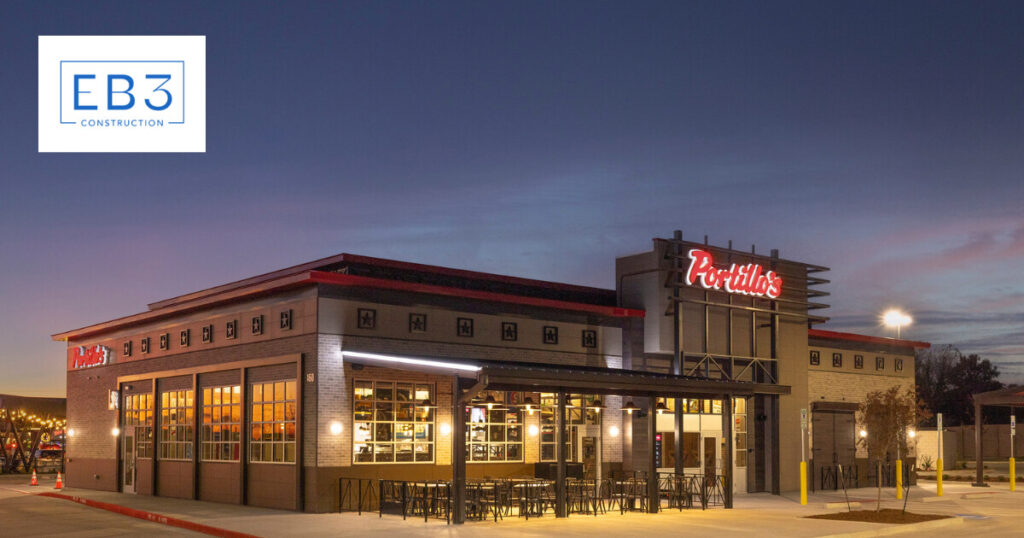
Retail renovation focuses on creating compelling customer experiences through strategic space planning and brand-forward finishes. We coordinate electrical systems to support modern point-of-sale technology and advanced lighting design. ADA compliance ensures accessibility while preserving the aesthetic appeal that draws River Oaks shoppers.
Luxury storefronts require premium materials and precise construction details that reflect high-end brand standards. HVAC systems require careful design to maintain consistent temperatures for merchandise protection. Storefront glazing and entrance modifications often require special permits to comply with River Oaks’ architectural guidelines.
Restaurants and Hospitality Concepts
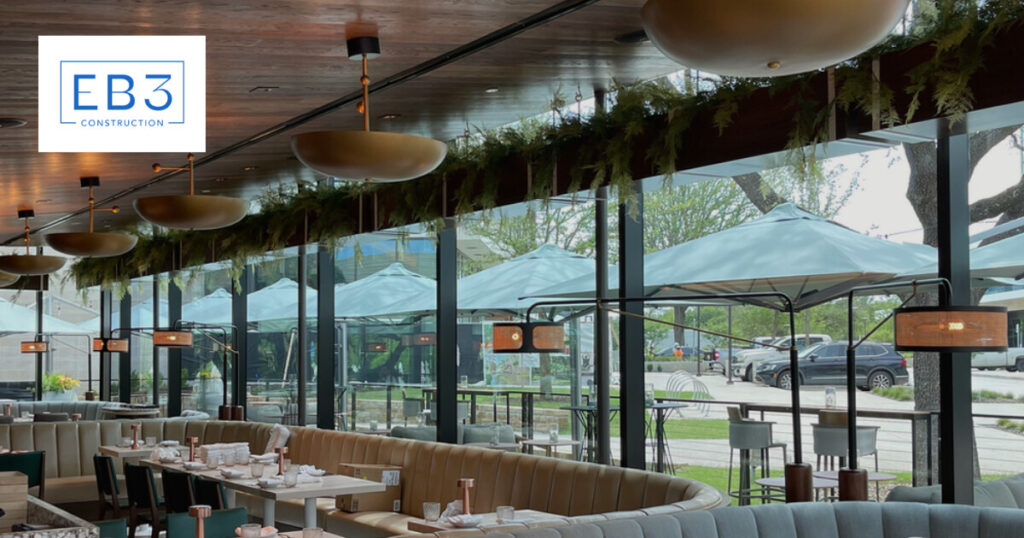
Restaurant buildouts demand extensive MEP coordination to handle commercial kitchen equipment, grease management systems, and enhanced ventilation. Fire suppression systems must integrate with the existing building infrastructure. Plumbing upgrades accommodate increased capacity for restrooms and kitchen operations.
Hospitality spaces need durable finishes that withstand heavy traffic while maintaining an inviting atmosphere. Sound control becomes critical in mixed-use buildings where restaurants operate near offices or residential units. We coordinate closely with health department inspectors to ensure code compliance throughout construction.
Corporate Interiors and Office Remodels
Office remodeling projects emphasize flexible space planning that adapts to changing work patterns and technology needs. Power and data infrastructure upgrades support modern workplace demands. HVAC modifications help maintain comfort in reconfigured layouts.
Corporate interiors require careful scheduling to minimize business disruption during active operations. We phase work to allow continued occupancy while upgrading conference rooms, break areas, and collaborative spaces. Life-safety systems require coordination when modifying egress paths or installing new partition walls.
Healthcare and Wellness Spaces
Medical and spa construction involves specialized MEP systems, including medical gas lines, dedicated ventilation, and increased electrical capacity for diagnostic equipment. Infection control measures influence material selection and construction sequencing. HIPAA compliance affects space planning and acoustical design.
Healthcare facilities require strict adherence to accessibility standards beyond basic ADA requirements. We coordinate with medical equipment vendors to ensure proper utility rough-ins before walls close. Specialized waste management systems often require structural modifications and permit coordination.
Warehouse and Industrial Facilities
Industrial facility upgrades focus on structural capacity, loading dock modifications, and enhanced power distribution for modern equipment. Concrete floor repairs and leveling support heavy machinery installations. We coordinate utility upgrades to handle increased electrical and compressed air demands.
Warehouse improvements often involve roof modifications for HVAC equipment, skylights, or solar installations. Fire suppression system upgrades accommodate changing occupancy classifications. Large-span construction requires careful structural engineering and permit coordination.
Specialized Commercial Applications
Gas stations require extensive environmental considerations, underground storage tank compliance, and specialized fuel system installations. Concrete and asphalt improvements focus on traffic flow, drainage, and durability under heavy vehicle loads. Big-box construction emphasizes efficient material flow, large-span structural systems, and extensive utility coordination.
Salon and spa upgrades involve specialized plumbing for treatment rooms, enhanced ventilation for chemical processes, and electrical systems supporting professional equipment. These projects often require careful coordination with state licensing boards and health departments.
Each sector presents unique renovation challenges that call for specialized knowledge of Houston’s building codes, permit processes, and industry standards. We tailor our approach to operational requirements, budget constraints, and timeline expectations to deliver functional, compliant commercial spaces.
How Do Delivery Methods Like Design-Build And Construction Management Help In River Oaks?
Design-build in Houston creates integrated delivery by combining planning, design, and construction under one unified team. This approach eliminates the traditional handoff between separate design and construction phases. We coordinate all project elements from initial concept through final completion, reducing communication gaps that often lead to costly delays.
The one-point-of-contact structure streamlines decision-making for River Oaks commercial projects. Property owners work directly with our team rather than managing multiple contracts and relationships. This consolidated approach accelerates approvals and keeps projects moving without the coordination challenges common in traditional delivery methods.
Construction Management with Third-Party Architects
Construction management offers flexibility when owners prefer working with specific design firms or architects. We coordinate closely with third-party architects while maintaining control over construction scheduling, quality, and cost management. This delivery method works well when design expertise requires specialized knowledge or when existing architectural relationships matter.
Communication improves when we establish clear coordination protocols early in the project. We handle construction management responsibilities while the architect focuses on design development. This separation of roles can be effective, though it requires active coordination to prevent scope gaps or timing conflicts.
Cost and Schedule Control Benefits
Design-build in Houston provides better cost and schedule control because construction input influences design decisions from day one. We identify potential issues during design development rather than discovering problems during construction. The early establishment of the project budget and schedule gives owners reliable cost information much earlier than in traditional design-bid-build projects.
Value management is more effective when design and construction teams collaborate continuously. We can suggest alternative materials, construction methods, or design modifications that reduce costs without compromising project goals. This integrated approach typically results in 15-20% faster project completion compared to traditional methods.
Permit Expediting and Regulatory Coordination
Permit expediting prevents schedule slips in busy River Oaks corridors where timing matters for business operations. We begin permit applications early in the design process and maintain ongoing communication with Houston regulatory agencies. This proactive approach reduces the risk of permit delays that can derail project schedules.
Our experience with Houston building regulations helps us navigate complex approval processes efficiently. We coordinate with architects and engineers to ensure permit submittals meet all requirements on first review. This preparation prevents the back-and-forth revisions that often extend permit timelines.
What Is A Practical Renovation Process For River Oaks Commercial Spaces?

We begin every renovation with a detailed consultation to establish clear project goals, budget parameters, and timeline expectations. This initial phase involves understanding the property owner’s vision while assessing existing conditions and operational requirements. Early scope definition helps prevent costly changes and sets realistic expectations for all stakeholders.
Preconstruction Planning and Reviews
Our preconstruction phase focuses on constructability reviews and life-cycle analysis to identify potential challenges before construction begins. We evaluate structural elements, existing systems, and space-planning requirements to determine the most efficient construction approach. MEP coordination receives particular attention during this stage, as mechanical, electrical, and plumbing systems often require significant upgrades in older River Oaks commercial buildings.
We conduct thorough assessments of HVAC capacity, electrical load requirements, and plumbing infrastructure to ensure all systems can support the renovated space. This analysis helps identify potential conflicts between new design elements and existing building systems. Life-cycle analysis considers long-term maintenance costs and energy efficiency to guide material and system selections.
Drawing Development and Interior Coordination
Once preconstruction planning is complete, we develop detailed construction drawings that coordinate all interior buildouts and tenant improvements. Our team works closely with architects and designers to ensure drawings reflect both aesthetic goals and practical construction requirements. We review plans for code compliance, accessibility standards, and structural feasibility before finalizing designs.
Interior buildouts require careful coordination between trades to ensure seamless installation of finishes, fixtures, and systems. We create detailed schedules that sequence work to minimize conflicts and maintain quality standards throughout the renovation. This coordination is essential for projects involving multiple tenant improvements or complex interior modifications.
Permit Applications and Regulatory Compliance
We submit permit applications early in the process to prevent schedule delays, as Houston’s permitting process can take several weeks, depending on project complexity. Our team maintains current knowledge of local building codes, zoning requirements, and accessibility standards to ensure applications meet all regulatory requirements. We coordinate with city officials and inspectors to expedite reviews when possible.
Houston code compliance involves multiple departments and inspection phases, especially for commercial renovations that modify structural elements or building systems. We track permit status closely and communicate with regulatory agencies to resolve issues quickly. Early permit submission allows time to address unexpected requirements without impacting construction schedules.
Construction Execution and Safety Management
During construction, we maintain strict site safety protocols and conduct regular quality checks to ensure work meets our standards and project specifications. Our field supervisors perform daily safety inspections and coordinate with trade contractors to maintain clean, organized work areas. We provide frequent progress updates to property owners and address concerns immediately.
When commercial operations must continue during renovation, we implement phased construction to limit disruption to business activities. This approach involves scheduling noisy or disruptive work during off-hours and creating temporary barriers to separate active construction areas from occupied spaces. We coordinate closely with business owners to ensure renovation activities do not interfere with customer access or daily operations.
Final Inspections and Project Closeout
We complete all required inspections with city officials and conduct comprehensive quality reviews before scheduling the final walkthrough with property owners. Our team addresses punch list items identified during inspections and ensures all systems operate properly. We provide complete documentation of all work performed, including warranties, maintenance manuals, and as-built drawings.
The final walkthrough involves a detailed review of all completed work with the property owner to ensure every aspect of the renovation meets expectations. We demonstrate how new systems operate and provide guidance on maintenance requirements. Project handover includes all necessary documentation and ensures the property owner has complete information for ongoing facility management.
How Can Owners Reduce Risk, Cost, And Downtime On River Oaks Renovations?
Smart planning keeps River Oaks commercial renovations on track. We see projects face delays and budget overruns when owners skip foundational risk-mitigation steps. A proactive approach makes the difference between smooth delivery and costly setbacks.
Establish a Clear Construction Schedule
A detailed schedule prevents confusion and reduces delays. We build timelines that account for permit processing, material delivery, and subcontractor availability. This includes buffer time for unexpected issues that commonly arise in commercial renovations.
Schedule coordination becomes critical when multiple trades work simultaneously. We sequence work to prevent conflicts between electrical, plumbing, and HVAC installations. Proper scheduling also ensures inspections happen on time, avoiding costly delays awaiting city inspections.
Prioritize Site Safety to Avoid Delays
Safety incidents shut down projects and create liability issues. We implement comprehensive safety protocols from day one, including proper signage, protective barriers, and equipment inspections. These measures prevent accidents that could halt construction during investigations.
Regular safety meetings keep everyone aware of hazards and protocol updates. OSHA’s “Fatal Four” statistics highlight construction’s most serious risks: falls, struck-by objects, electrocutions, and caught-between incidents. Addressing these proactively protects workers and maintains momentum.
Engage Early on Permits
Permit delays can derail entire project schedules. We start applications immediately after design approval, working with local River Oaks officials to address requirements quickly. Early engagement identifies potential issues before they become problems.
Permit expediting services help navigate complex approval processes. We maintain relationships with building departments and understand local code requirements. This knowledge prevents application rejections that force costly redesigns and schedule delays.
Use Prequalified Subcontractors and Steady Procurement
Reliable subcontractors reduce project risk significantly. We work with vetted trades who carry proper insurance and demonstrate consistent quality. Prequalified subcontractors understand our standards and deliver predictable results.
Steady procurement prevents material shortages and price fluctuations. We establish relationships with suppliers and order materials well ahead of installation dates. This approach avoids rush charges and ensures quality materials arrive when needed.
Coordinate MEP Early to Curb Rework
Mechanical, electrical, and plumbing (MEP) coordination prevents expensive conflicts. We review all MEP systems during the design phase to identify potential clashes. Early coordination eliminates the need to relocate systems after installation begins.
MEP rework costs significantly more than initial planning. We use detailed drawings to show exact routing for all systems. This precision prevents surprises during construction and keeps projects within budget.
Plan Value Management Without Cutting Critical Performance
Value management identifies cost savings without compromising functionality. We analyze materials, methods, and specifications to find efficient alternatives. Strategic substitutions can reduce costs while maintaining performance standards.
Critical systems require full investment for long-term reliability. We never compromise on structural integrity, life safety systems, or code compliance. Smart value management focuses on finishes and non-critical elements where alternatives exist.
Phase Work Around Operating Hours to Keep Revenue Flowing
Phased construction allows businesses to maintain operations during renovations. We divide projects into manageable segments, completing work in areas while others remain functional. This approach minimizes revenue loss for active businesses.
Off-hours work reduces disruption to daily operations. We schedule noisy activities during evenings or weekends when possible. Temporary barriers contain dust and noise, protecting occupied areas from construction impacts.
Keep a Contingency and Hold Frequent Progress Reviews
Budget contingency protects against unforeseen issues common in renovation work. We recommend a 10–15% contingency for commercial projects, depending on building age and scope complexity. This buffer prevents project delays when unexpected conditions arise.
Weekly progress reviews identify problems before they escalate. We track schedule adherence, budget performance, and quality metrics. Regular communication with owners ensures everyone stays informed about project status and upcoming decisions.
Conclusion And Next Steps

Commercial renovation in River Oaks, Houston, requires careful coordination across the planning, permitting, and execution phases. We approach each project with the understanding that successful outcomes depend on early preconstruction preparation, appropriate delivery method selection, and active communication throughout construction.
The path starts with defining project goals and budget, then selecting a delivery method that aligns with your timeline and operational needs. Design-build suits projects that need speed and single-point responsibility, while construction management offers flexibility when working with established design teams. Early permit expediting helps prevent schedule delays—especially in River Oaks commercial districts, where timing affects business operations. Quality control measures and regular progress reviews keep projects on track from initial consultation through the final walkthrough.
Contact EB3 Construction to coordinate your River Oaks commercial renovation from preconstruction planning through project completion.