
Commercial catering kitchen builders handle the complex process of creating professional foodservice spaces from concept to completion. We design, plan, and construct kitchens that meet health department standards while maximizing operational efficiency for catering operations, restaurants, and institutional facilities.
The scope covers everything from initial space planning through final equipment startup, including architectural drawings, permitting services, and coordination of specialized trades like exhaust systems and all-electric commercial kitchen installations. Many builders also provide ongoing support through operations planning, staff training, and vendor selection to ensure smooth kitchen launches.
How Should You Plan Zones And Workflow For A Commercial Catering Kitchen?

Start with your menu. This drives every decision about equipment, space allocation, and workflow patterns. A simple menu with repetitive operations works well with assembly-line layouts, while complex multi-cuisine concepts require dedicated zones for different cooking methods.
Apply the 30-40% rule for footprint planning. In full-service operations, dedicate 30-40% of your total square footage to the kitchen and 60% to dining areas. This guideline helps balance production capacity with customer seating, though catering-focused operations may shift this ratio toward more kitchen space.
Map Your Core Functional Areas
Design around seven essential zones that form the backbone of any commercial catering kitchen. Each zone serves a specific function in the food production process and must connect logically to adjacent areas.
Position the receiving area near your main entrance for deliveries. Vendors need direct access without disrupting kitchen operations. Install wide doors, adequate lighting, and scales for incoming inventory verification.
Create three distinct storage zones immediately adjacent to receiving. Freezer storage handles proteins and frozen ingredients. Refrigerated storage maintains produce, dairy, and prepared components. Dry storage accommodates bulk items, canned goods, and non-perishables. Place these storage areas between receiving and prep to minimize transport distances.
Design Your Prep Line For Maximum Efficiency
Provide ample prep space to avoid rush-hour bottlenecks. We position prep stations between storage and cooking areas to create natural workflow progression. Install adequate counter space, sinks, and electrical outlets to support multiple prep cooks working simultaneously.
Separate raw protein prep from vegetable prep to prevent cross-contamination. Dedicated cutting boards, knives, and work surfaces for each category maintain food safety standards while improving kitchen organization.
Consider prep volume when sizing this zone. High-volume catering operations require significantly more prep space than traditional restaurants since most work happens before service begins.
Position The Cookline For Service Flow
Place cooking equipment to support your menu and service style. Gas ranges, griddles, ovens, and specialty equipment should align with prep areas on one side and service/expo on the other.
Size cooking zones based on peak demand periods. Calculate equipment BTU loads and cooking capacity to match your maximum order volume. This prevents equipment overload during busy service windows.
Install proper ventilation above all cooking equipment. Type I hoods cover grease-producing appliances while Type II hoods handle steam and heat from non-grease equipment.
Create Clear Service And Expo Areas
Design the expo station as the final quality control point. This area bridges kitchen production and service delivery. Keep clear in/out paths at expo to reduce collisions between kitchen staff and servers.
Install heat lamps, warming drawers, and adequate counter space for plating and order assembly. Position expo between the cookline and service exit to minimize food transport time.
Provide dedicated space for order tickets, garnish stations, and final plating equipment. This zone requires excellent lighting and easy cleanup surfaces.
Build An Efficient Warewashing System
Design the dish area with four distinct zones: soiled drop, pre-rinse, washing, and clean dish staging. This linear progression prevents cross-contamination and maintains sanitary conditions.
Choose between door-type dishwashers for smaller operations or conveyor dishwashers for larger volumes. Door-type units handle 24-40 racks per hour, while conveyor systems process 200+ racks hourly.
Position the clean dish staging zone near storage areas and service stations. Servers and prep cooks need easy access to clean plates, utensils, and cookware without entering the dish area.
Plan For Safety And Speed
Allow wider aisles where possible to improve safety and speed. Standard 36-inch aisles meet code requirements, but 42-48 inch passages reduce accidents and improve staff efficiency during peak periods.
Install anti-fatigue mats in high-traffic areas and provide adequate lighting throughout all zones. Good visibility prevents accidents and improves food quality.
Position emergency equipment, first aid supplies, and fire suppression systems according to local codes. Easy access to safety equipment protects staff and meets regulatory requirements.
Budget Planning And Phased Development
Plan budget in tiers to manage initial investment and future growth. Essential equipment gets priority in phase one, with upgrades and expansion equipment following as cash flow allows.
Consider phased upgrades for specialized equipment. Start with versatile, multi-use appliances and add dedicated equipment as volume grows. This approach reduces initial costs while maintaining operational flexibility.
Build in routine maintenance and cleaning protocols to extend equipment life. Preventive maintenance costs less than emergency repairs and keeps your kitchen running smoothly during critical service periods.
Which Drawings, Permits, And Contractor Coordination Are Required?
A successful commercial kitchen build demands comprehensive construction documents that cover every system and connection. We prepare complete drawing sets including floor plans, equipment schedules, and detailed mechanical plans for hoods, sprinkler systems, fire alarms, plumbing, electrical, refrigeration, storage, and HVAC systems. These documents serve as the roadmap for construction and the foundation for all permitting approvals.
Equipment schedules detail every piece of kitchen equipment with precise specifications, electrical requirements, and installation notes. Mechanical plans show how ventilation systems integrate with fire suppression and how plumbing connects to dish machines, prep sinks, and floor drains. Electrical plans map out three-phase power for heavy equipment, lighting circuits, and emergency systems.
Construction Documents And Utility Coordination
We handle construction documents for all utility connections including drains, electrical feeds, gas lines, and water supply systems. Each utility requires specific routing and connections that must align with equipment placement and code requirements. Drain locations need proper sizing and slope calculations, while electrical connections require load calculations and proper circuit protection.
Our team manages the filing process with local authorities, tracking submission deadlines and coordinating plan reviews. We work directly with plan reviewers to address comments quickly and keep the approval process moving. This coordination includes building permits, health department reviews, fire marshal approvals, and any specialty permits required by local jurisdictions.
Subcontractor Coordination And Shop Drawings
We coordinate qualified subcontractors for each trade including exhaust system installers, metal fabrication specialists, plumbing contractors, HVAC technicians, flooring installers, and equipment installation teams. Each subcontractor provides shop drawings that show how their work integrates with other systems and meets the project specifications.
Shop drawings detail fabrication specifications for custom stainless steel work, exhaust hood dimensions, ductwork routing, and equipment connections. We review these drawings to ensure coordination between trades and verify compliance with design intent. This process prevents conflicts during construction and ensures all systems work together properly.
Construction schedules coordinate the sequence of work to maximize efficiency and minimize delays. We schedule concrete work before plumbing rough-in, electrical installation before drywall, and equipment delivery to match installation dates. This sequencing keeps the project on track and reduces the risk of schedule conflicts.
Structured Implementation Process
Our process begins with goal alignment sessions where we confirm project objectives, budget parameters, and timeline expectations. Space planning follows, translating operational needs into detailed layouts that optimize workflow and comply with regulations. We then develop complete construction documents that capture every detail needed for successful execution.
Equipment staging and delivery coordination ensures materials arrive when installation crews are ready. We work with suppliers to schedule deliveries based on construction progress and available storage space. Factory-authorized startups verify that equipment operates properly and meets warranty requirements.
Post-opening support includes operations training, vendor coordination, and ongoing technical assistance. Some projects also include real estate search assistance, financial modeling for expansion planning, and microkitchen or specialty equipment sourcing to meet unique operational requirements.
When Is A Shared-Use Commissary Kitchen A Better Option Than Building?
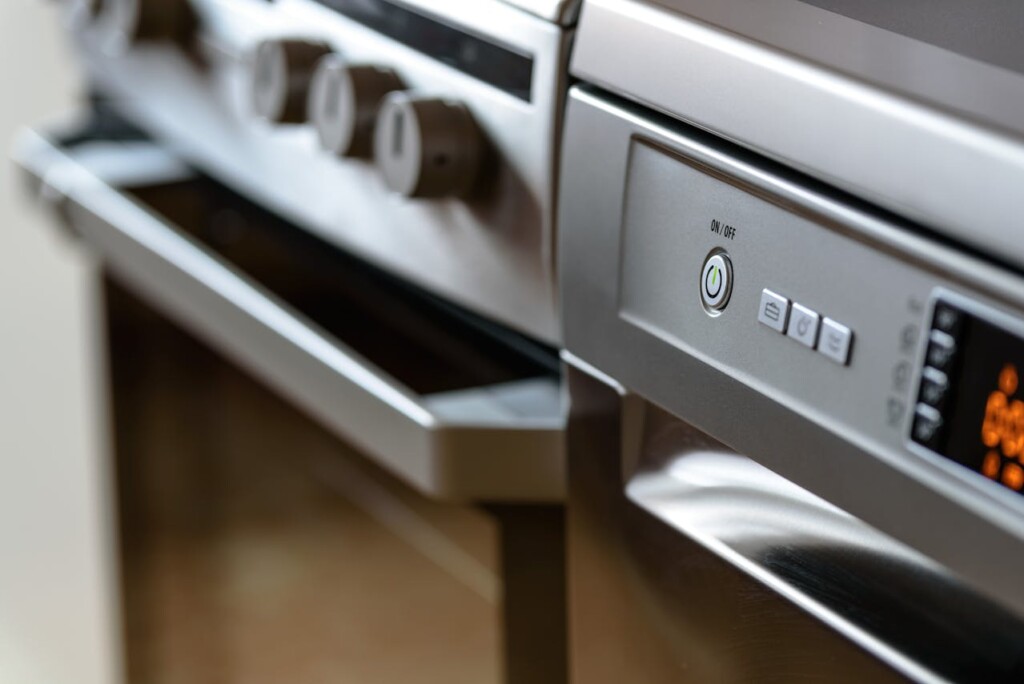
Shared-use commissary kitchens are licensed facilities you can rent by membership or by the hour. These facilities provide commercial-grade equipment and handle all the operational burdens that come with running a food business. For many developers and property owners, understanding when to recommend a shared kitchen over building becomes crucial for project planning and client success.
Cost reduction drives many decisions toward shared-use kitchens. According to industry data, rental costs typically range from $15 to $45 per hour or $300 to $1,500 monthly for memberships. Compare this to building a commercial kitchen, which can require upfront investments of $175,000 to $750,000 or more depending on size and equipment specifications.
The commissary model eliminates utilities, contractors, building codes, pest control, and security responsibilities from your client’s plate. Equipment maintenance and repairs become the facility’s responsibility rather than the tenant’s concern. This approach works particularly well for early-stage food businesses that need to validate their concept before committing to permanent infrastructure.
Who Benefits Most From Shared Kitchen Arrangements
Food trucks represent the most obvious candidates for commissary kitchens. Health codes in most jurisdictions require mobile vendors to prep, clean, and store food in licensed commercial spaces. We often see food truck operators use commissaries as their base of operations while testing routes and building customer demand.
Catering companies with variable production needs find flexibility in membership rental structures. Rather than maintaining underutilized space during slow periods, they can scale kitchen time based on event schedules. Many commissaries also provide cold storage and specialized equipment that would be cost-prohibitive for smaller operators to purchase outright.
Ghost kitchens and delivery-only concepts benefit from the plug-and-play nature of shared facilities. These operations focus purely on food production and fulfillment without front-of-house considerations. Commissary kitchens eliminate the complexity of site selection, permitting, and buildout timelines that can delay market entry by months.
Community Support And Business Development
Many commissary facilities offer incubator programs that extend beyond basic kitchen rental. These programs provide business coaching, marketing assistance, and connections to distributors or retailers. For food entrepreneurs without industry experience, this support network can be invaluable during the critical startup phase.
Demo space availability allows tenants to host tastings, conduct cooking classes, or test new products with potential customers. This functionality would require significant additional investment in a purpose-built facility but comes included with many commissary memberships.
The community aspect creates networking opportunities between tenants. Shared kitchens foster collaboration between chefs, food producers, caterers, and other culinary professionals who can exchange advice, share resources, and potentially collaborate on special projects.
Risk Reduction For New Concepts
Commissary kitchens provide an ideal testing ground for food concepts before committing to permanent construction. Entrepreneurs can validate their menu, refine production processes, and build customer demand without the financial pressure of lease obligations or construction debt.
Compliance becomes significantly easier when working within an established licensed facility. The commissary handles health department permits, inspections, and regulatory requirements. This reduces the administrative burden on new food businesses and minimizes the risk of costly compliance violations.
Seasonal operations benefit particularly from the flexibility commissary kitchens provide. Holiday-focused producers, festival vendors, or summer catering operations can access professional facilities during peak periods without maintaining year-round overhead costs.
For developers and property owners considering their clients’ long-term growth, shared-use commissary kitchens offer a practical bridge between concept validation and dedicated facility construction. They allow food businesses to establish operations quickly, test market demand, and build the financial foundation necessary for eventual expansion into purpose-built spaces.
Conclusion And Next Steps

Building a successful commercial catering kitchen requires methodical planning and coordinated execution. Define your menu and footprint first, then map the core zones that drive kitchen workflow: receiving, storage, prep, cooking, service, warewashing, and waste. This foundation determines equipment needs and space allocation for efficient operations.
Plan ventilation early in the design-build process. Type I hoods handle grease-producing equipment like fryers and ranges, while Type II hoods manage heat and moisture from steamers and dishwashers. Make-up air systems balance building pressure and maintain comfortable working conditions. Size all systems for your equipment’s BTU loads and coordinate electrical, plumbing, and floor drains in the construction documents before breaking ground.
Lock your floor plan before construction begins and coordinate utilities, drains, and BTU loads in the drawings. Consider budget tiers and plan upgrades that align with your growth projections. If you are not ready to build, a shared-use commissary can bridge the gap while you develop your concept and secure financing.
Contact EB3 Construction early for drawings, permitting, contractor coordination, and launch planning.