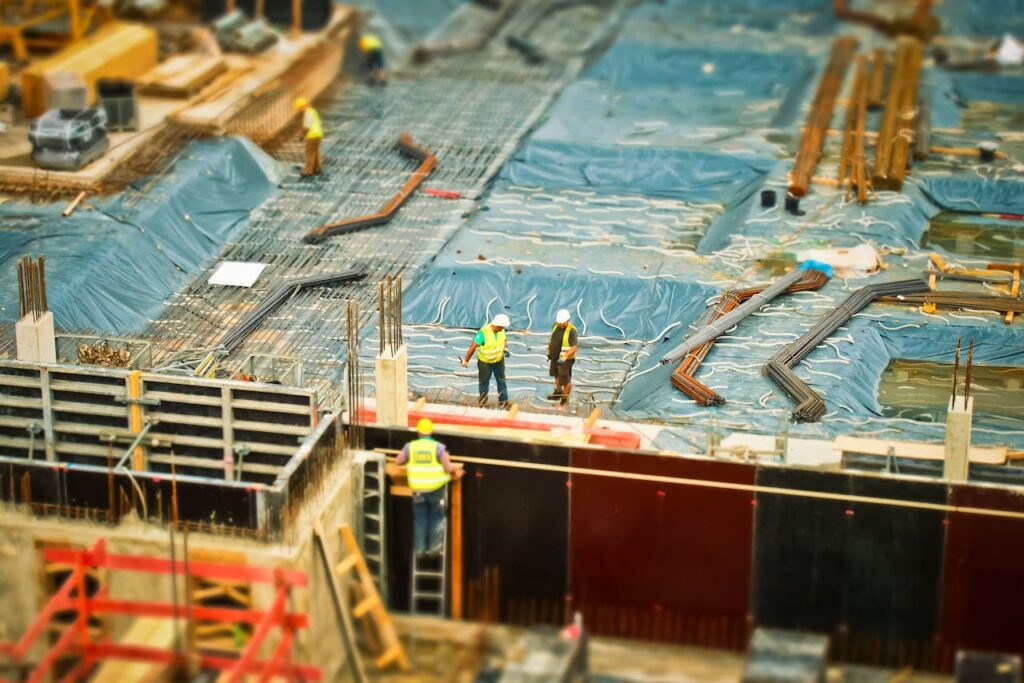
Victoria’s industrial landscape reflects decades of petrochemical growth, with facilities requiring specialized construction expertise. An industrial general contractor in Victoria, TX coordinates the complex planning, execution, and delivery of manufacturing facilities, warehouses, and industrial complexes that support the region’s chemical processing and energy sectors.
We manage steel frameworks, metal building systems, and interior build-outs that form the backbone of Victoria’s industrial infrastructure. Our role encompasses general contracting, design-build services, and construction management for projects ranging from manufacturing spaces to public-sector buildings across this crossroads of South Texas.
Which Core Services Support Industrial Projects In Victoria?

Industrial construction requires specialized coordination across multiple areas of expertise. We focus on three primary service models that align with different project requirements and owner preferences.
General Contracting
General contracting coordinates all construction activities through a single point of responsibility. We manage subcontractors, maintain project schedules, control costs, and oversee scope delivery while ensuring quality standards throughout construction. This approach works effectively when designs are complete and ready for competitive bidding.
The general contractor acts as the primary interface between the owner and all trades. We handle permit coordination, material procurement, and daily site supervision. Schedule management becomes critical as we sequence trades and coordinate deliveries to maintain project momentum.
Design-Build Services
Design-build offers turnkey delivery from initial concept through final occupancy under unified management. This single-team approach streamlines decision-making and accelerates project timelines by eliminating the traditional design-bid-build sequence. Early contractor involvement allows for constructability input during the design phase.
We coordinate architects, engineers, and specialty consultants while maintaining budget control throughout design development. This integration reduces change orders and provides early cost certainty. Design-build proves particularly effective for industrial facilities where operational requirements drive both design and construction decisions.
Construction Management
Construction management positions us as the owner’s agent to oversee project administration and field coordination. We provide professional oversight while the owner maintains direct contracts with design professionals and major trade contractors. This approach offers enhanced owner control and transparency in project delivery.
Our construction management services include project coordination, cost control, schedule management, and quality oversight. We facilitate communication between all project stakeholders and provide regular progress reporting. This model works well for complex industrial programs or phased construction where owner involvement and oversight are priorities.
Field Execution Specialties
Victoria’s industrial projects typically involve structural steel erection, pre-engineered metal building systems, and specialized interior fit-outs. We coordinate these elements through experienced trade partners who understand industrial construction requirements. Steel erection requires careful sequencing with concrete placement and utility rough-in work.
Pre-engineered metal buildings offer cost efficiency and accelerated schedules for warehouse and manufacturing applications. Interior industrial fit-outs often include specialized flooring, overhead crane systems, and process utility distribution. Each element requires specific expertise and coordinated installation timing.
How Do General Contracting, Design-Build, And Construction Management Differ?
Each delivery method serves different project needs and owner preferences. The choice depends on design completion status, timeline requirements, and desired level of involvement throughout the construction process.
General Contracting Process
General contracting follows a traditional sequence where the builder coordinates all trades to deliver the design as issued. We step in after architectural and engineering plans reach completion and bid readiness. The owner has already established the full design scope, specifications, and project requirements.
This approach works best when design documents are complete and the project scope is well-defined. Owners can secure competitive pricing through the bid process. We assume responsibility for coordinating subcontractors, managing schedules, and delivering the project according to the established plans and specifications.
Design-Build Integration
Design-build delivery method combines design and construction under one contract for streamlined project execution. Our team handles both design development and construction phases, creating a single-source delivery approach. This unified workflow eliminates the traditional handoff between separate design and construction teams.
This method proves useful when speed, coordination, or early pricing information is important to project success. Design-build projects often result in faster overall completion through overlapping design and construction phases. We can provide cost feedback during design development, helping optimize both budget and constructability.
Construction Management Representation
Construction management positions the CM as the owner’s representative, administering all or part of the project on their behalf. We act as an extension of the owner’s team rather than as the primary contractor. Our role involves overseeing subcontractors, managing project administration, and protecting the owner’s interests throughout the process.
This delivery method proves effective for complex or phased construction programs that need dedicated oversight and administration. Owners maintain greater control over subcontractor selection and project decisions. We provide transparent cost reporting and collaborative project management while the owner retains direct contractual relationships with major trade contractors.
| Delivery Method | Characteristics | Advantages | Challenges |
|---|---|---|---|
| Design-Bid-Build (DBB) | Traditional; segmented into design, bid, and build phases | Owner control; cost predictability | Longer timelines; limited early contractor input |
| Design-Build (DB) | Integrated design and construction under one contract | Streamlined communication; reduced project duration | Higher risk for owners if not choosing a trustworthy design-builder |
| Construction Manager at Risk (CMAR) | Involves a construction manager with a Guaranteed Maximum Price | Balanced collaboration and cost control | Owner must carefully assess the construction manager’s risk management |
| Job Order Contracting (JOC) | Ideal for small-to-medium-sized projects; preset pricing | Streamlined procurement; cost predictability | Not suitable for new construction projects |
| Multiple Award Task Order Contract (MATOC) | Allows multiple contractors to compete for tasks under one contract | Flexibility for large-scale or indefinite delivery projects | Accessibility challenges for smaller, local contractors |
Selecting The Right Approach
Project complexity often determines the most suitable delivery method. Simple, well-defined projects with complete design documents typically align with general contracting approaches. Fast-track projects or those requiring early cost input benefit from design-build integration.
Owner involvement preferences also influence the decision. Those preferring limited day-to-day involvement often choose general contracting or design-build approaches. Owners wanting active participation in decisions and subcontractor selection frequently select construction management delivery methods for greater project control and transparency.
What Project Types Are Common In Victoria’s Industrial And Public Sectors?
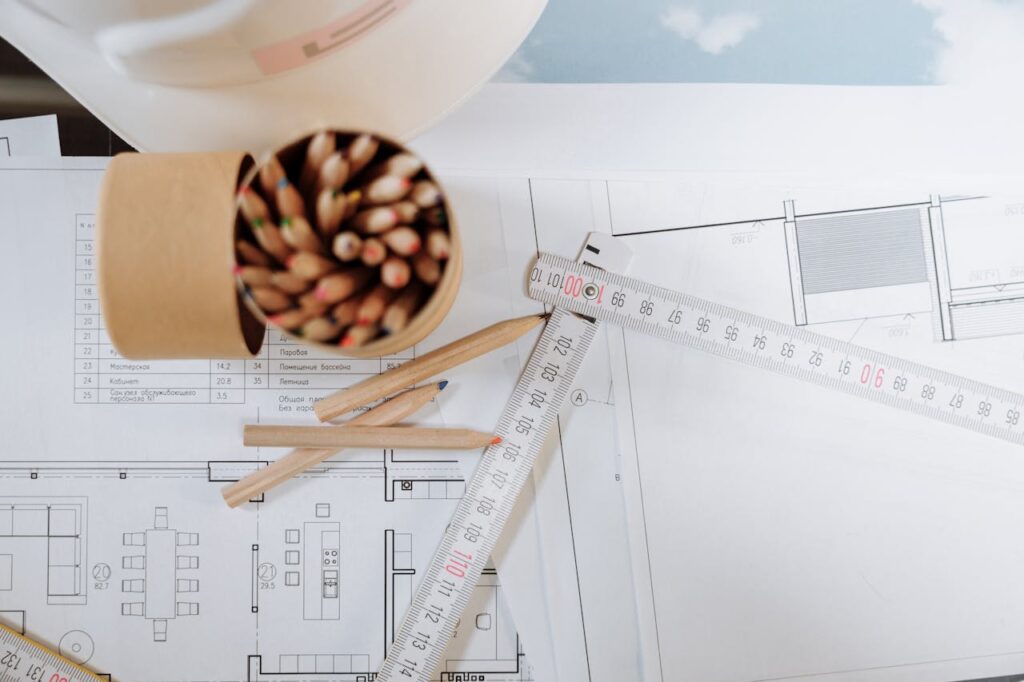
Victoria’s construction landscape reflects the region’s diverse economic base, with projects spanning industrial facilities, public infrastructure, and commercial support buildings. The Greater Victoria Region hosts advanced manufacturing, petrochemical manufacturing, healthcare and education facilities, creating demand for specialized construction approaches across multiple sectors.
Industrial Facilities Drive Regional Construction
Warehouses represent the most common industrial project type in Victoria. These facilities typically feature steel frameworks with clear heights ranging from 18 to 32 feet and multiple dock-high loading doors to accommodate distribution operations. The structures support logistics companies serving the region’s transportation networks, including world-class interstate highways and inland waterway ports.
Manufacturing facilities require more specialized infrastructure than standard warehouses. We coordinate heavy electrical power installations, specialized drainage systems, and custom ventilation requirements for these projects. Manufacturing buildings often house semiconductor production, food processing, and petrochemical operations that align with Victoria’s industrial clusters.
Industrial complexes combine multiple functions within integrated developments. These projects incorporate manufacturing spaces, warehouse storage, office areas, and support facilities under coordinated site plans. The metal building systems common in these complexes offer cost-effective solutions while meeting the structural demands of industrial operations.
Public And Institutional Projects Serve Community Needs
Public works facilities form a significant portion of institutional construction in Victoria. These projects include government buildings, emergency services facilities, and infrastructure support structures. We manage coordination with multiple agencies and ensure compliance with public procurement requirements throughout these builds.
Healthcare facilities require precise coordination of medical systems, specialized HVAC, and emergency power infrastructure. Hospital construction involves complex phasing to maintain operations during expansions or renovations. The projects demand careful attention to infection control protocols and medical equipment integration.
Educational facilities span from elementary schools to higher education buildings. School construction requires coordination with academic schedules, specialized classroom systems, and safety protocols. We handle everything from structural steel erection for gymnasiums to detailed interior build-outs for laboratory spaces.
Commercial Support Buildings Connect To Industrial Operations
Retail stores and business offices often tie directly into industrial operations through shared site development or proximity requirements. These commercial buildings typically feature lighter construction than industrial facilities but require careful coordination when developed as part of mixed-use industrial complexes.
Financial facilities and professional services buildings support the industrial base through specialized office environments. The construction approach focuses on professional finishes, advanced telecommunications infrastructure, and security systems while maintaining cost efficiency.
The visible building systems across Victoria’s project landscape consistently feature exposed structural elements, metal building exteriors, and industrial-grade mechanical systems. These elements reflect both the practical demands of the region’s climate and the cost-effective approaches that serve industrial and institutional clients effectively.
What Safety And Quality Practices Matter On Industrial Jobs?
Industrial construction demands rigorous safety protocols and verified quality standards. We track key performance indicators and maintain comprehensive procedures that protect workers while ensuring project integrity. The foundation of industrial safety starts with systematic monitoring of Experience Modification Rate (EMR) and OSHA recordables, providing measurable benchmarks for continuous improvement.
Our safety programs emphasize clear training protocols and consistent site procedures. Workers receive ongoing education on hazard recognition, equipment operation, and emergency response. Regular toolbox talks and safety meetings reinforce proper practices across all trades and project phases.
Essential Safety Program Components
EMR tracking provides insurance carriers and project owners with verified performance data. We maintain detailed records of incidents, near-misses, and corrective actions to demonstrate our commitment to worker protection. This documentation supports competitive bidding and client confidence.
Training programs address specific industrial hazards including confined spaces, elevated work, and heavy machinery operation. Site procedures cover equipment inspection, material handling protocols, and coordination between multiple trades. Emergency response plans account for industrial-specific risks such as chemical exposure and structural incidents.
Quality Through Certified Trades
ASME and AWS-certified welders and fabricators form the backbone of industrial quality control. These certifications verify competency in structural welding, pressure vessel work, and specialized fabrication techniques. We prioritize trade certifications when assembling project teams, ensuring work meets or exceeds code requirements.
Structural steel framing offers exceptional efficiency and high strength-to-weight ratios for industrial applications. Pre-engineered metal buildings provide speed and durability for manufacturing and warehouse facilities. Our teams coordinate steel erection sequences with mechanical and electrical installations to optimize project flow.
Project Administration Standards
Organized estimating and scheduling processes support both safety and quality outcomes. Detailed planning identifies potential conflicts before they impact site operations. We coordinate material deliveries, equipment access, and trade sequencing to maintain safe working conditions throughout construction.
Quality control begins with thorough bid preparation and continues through project closeout. Regular inspections verify workmanship standards and code compliance. We document all quality checkpoints to support warranty provisions and future maintenance requirements.
Conclusion And Next Steps
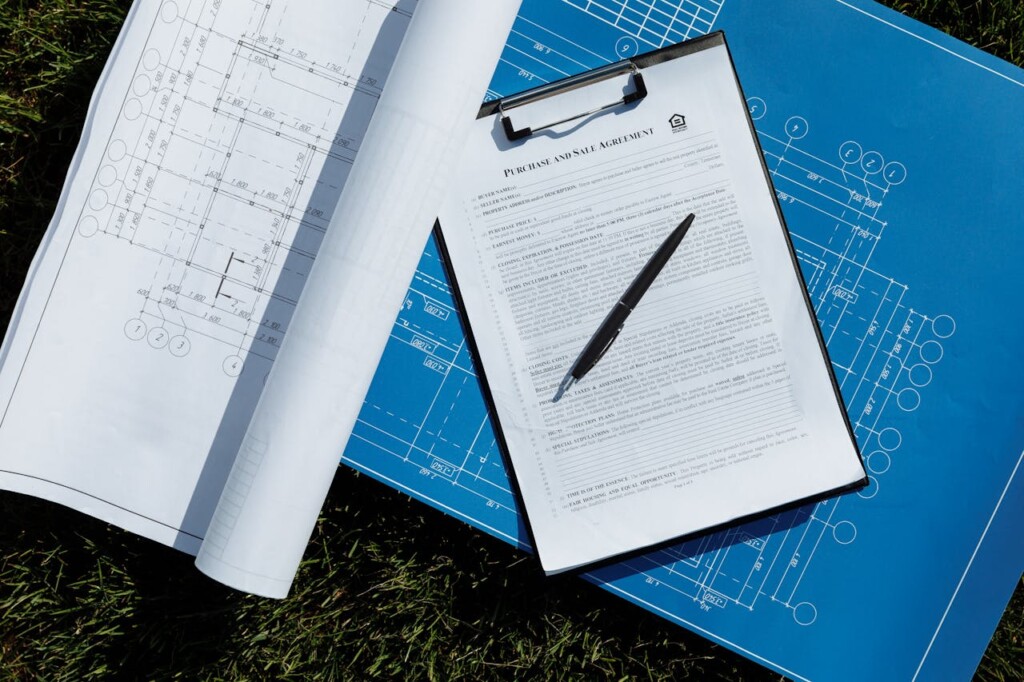
Victoria’s industrial sector relies on general contractors who understand the unique demands of manufacturing facilities, warehouses, and public-sector projects. We coordinate everything from structural steel erection to metal building systems, ensuring each project meets local standards while delivering on schedule and budget. The delivery method you choose shapes how your project unfolds, whether through traditional general contracting, integrated design-build, or owner-representation construction management.
Your next steps begin with defining project scope and priorities. Set clear budget and schedule targets early in the planning process. Choose a delivery method that aligns with your timeline, risk tolerance, and level of desired involvement. Prepare an RFP that includes safety requirements, quality criteria, and specific technical standards relevant to Victoria’s industrial market. Research local examples and regulatory requirements to ensure your project specifications reflect regional practices and compliance expectations.
Ready to move forward with your industrial project? Contact EB3 Construction to discuss your specific requirements and delivery approach.