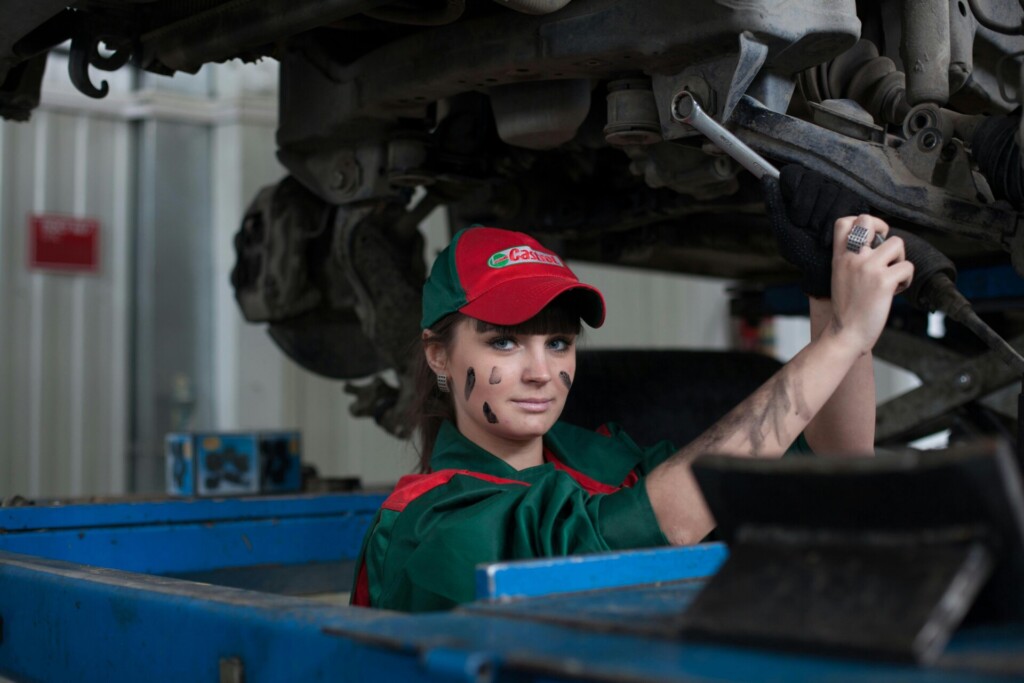
Productive collision repair shops don’t happen by accident. Each square foot, every equipment placement, and all workflow patterns directly impact your bottom line through faster cycle times and higher technician efficiency.
Collision repair shop design-build integrates site assessments, zoning compliance, permitting, facility layout, equipment placement, and final inspections under one coordinated approach. We design process flow that eliminates backtracking while supporting safety protocols and staff morale. Smart layouts also accommodate future expansion without disrupting daily operations as your business grows.
What Layout Drives Throughput From Estimating To Delivery?
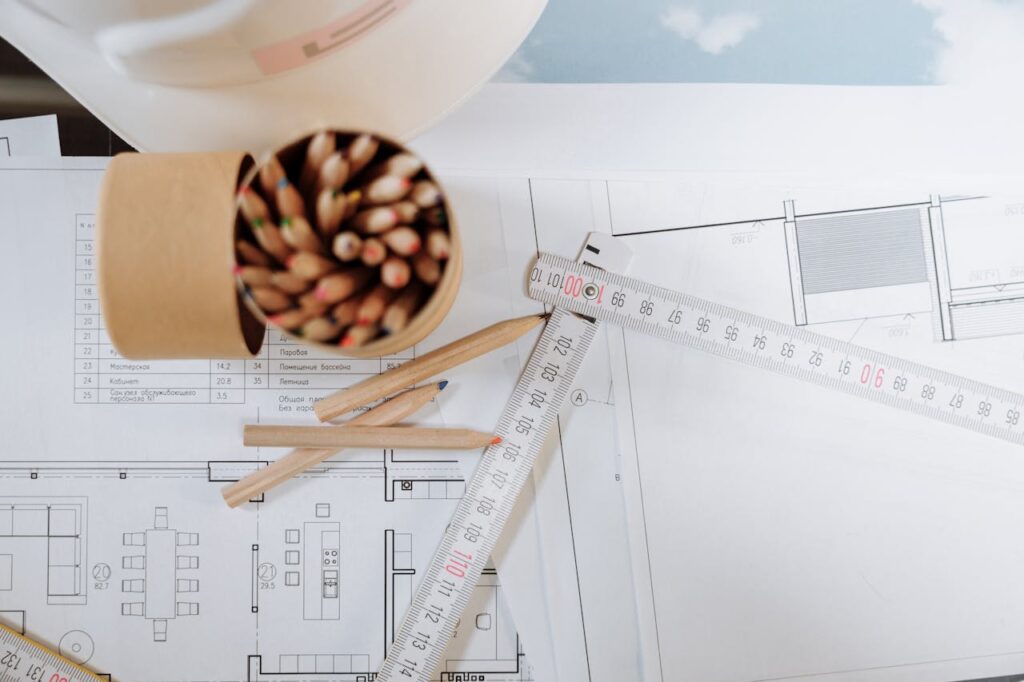
We design the flow through 12 critical areas to minimize vehicle moves and reduce cycle time: reception, estimating, repair planning, parts storage, work-in-process staging, repair bays, paint prep, paint booth operations, reassembly, detail work, final inspection, and customer delivery. Each zone connects seamlessly to the next, creating an assembly line approach where vehicles advance smoothly without backtracking.
The estimating stall serves as the first production touchpoint where damaged vehicles receive complete assessment. We build these spaces approximately 25 feet long by 16 feet wide to accommodate doors open on both sides simultaneously. Strong lighting at 90 foot-candles ensures accurate damage evaluation, while floor drains handle water and slush from vehicles brought in during adverse weather.
Repair Bay Specifications And Spacing
Frame repair stalls require 25 feet in length and 15 to 16 feet in width to accommodate pulling equipment and provide technician access around structural work. Metal repair bays measure 25 feet by 12 feet, offering sufficient space for panel replacement and minor bodywork without wasting square footage. These dimensions allow technicians to work efficiently while maintaining clear pathways for parts carts and equipment.
We maintain 25-foot minimum aisle width throughout production areas to accommodate vehicle turning radii and prevent bottlenecks during busy periods. This spacing handles full-size pickup trucks that require approximately 27 feet for complete turns. Angled stalls sacrifice some productive bay space but may be necessary in uniquely shaped buildings.
When angled configurations become unavoidable, we convert the triangular spaces at row ends into storage for tools, parts carts, or shop equipment rather than leaving them unused. These areas prove particularly valuable for storing seasonal items or backup tools that technicians need but don’t use daily.
Production Space Allocation Strategy
We allocate approximately 60 percent of production space to metal repair operations and 40 percent to paint processes, with an additional 10 percent dedicated specifically to parts storage and handling. This ratio reflects the typical time distribution in collision repair where structural and body work generally requires more space than refinishing operations.
Parts storage stays accessible to all work areas but securable from customer zones and outside vendors. We position this space to receive deliveries without disrupting customer traffic patterns or blocking technician access to active work areas. Loading docks or designated delivery zones connect directly to parts storage for efficient receiving and inventory management.
Pulling racks and heavy structural equipment locate near overhead doors to facilitate smooth vehicle entry on tow hooks. This placement reduces the distance damaged vehicles travel inside the facility and prevents bottlenecks when multiple tow trucks arrive simultaneously during busy periods.
Paint Area Configuration And Airflow Design
We position two flat prep bays between the main preparation area and each paint booth to stage primed vehicles and maintain continuous booth utilization. This staging prevents delays where painters wait for prepared vehicles while booth time goes unused. Infrared curing units in these staging areas accelerate primer drying and reduce overall cycle time.
Paint booths themselves focus exclusively on topcoat application rather than primer, prep work, or masking operations. We size standard booths between 24 and 31 feet in length, with 27-foot booths handling full-size pickup trucks comfortably. Larger commercial vehicles may require custom booth dimensions or specialized facilities.
Center plenum intake systems paired with center exhaust pits create optimal airflow patterns around vehicles during painting operations. This configuration forms a controlled air envelope that captures overspray effectively while maintaining consistent temperature and humidity throughout the booth. The center plenum design helps optimize auto body shop airflow compared to alternative ventilation arrangements.
Cleanliness And Organization Features
Floor drains throughout work areas simplify cleaning operations and prevent standing water that creates slip hazards or damages equipment. We position drains strategically in each bay and common areas where water use occurs during vehicle preparation or cleanup activities.
Work benches mount directly to walls or feature wheels for easy repositioning during cleaning and maintenance. Fixed benches eliminate the need to sweep or wash around legs and bases, while mobile units provide flexibility for different repair requirements. Both approaches reduce dust accumulation compared to traditional stationary benches with floor contact.
We specify grated shelving materials throughout production areas to minimize dust collection on flat surfaces. Open grating allows air circulation and prevents particles from settling, maintaining cleaner work environments and reducing contamination in paint processes. This attention to dust control improves finish quality and reduces rework rates.
How Do Parts Handling, Communication, And Staffing Models Impact Efficiency?
Parts flow creates the foundation for smooth collision repair operations. We design dedicated parts departments that occupy approximately 10% of the production space, positioned for easy access while remaining secure from customer areas. This separation prevents unauthorized access while maintaining workflow efficiency.
Complete blueprinting drives accurate parts ordering from the start. We require detailed teardown documentation before placing orders, eliminating the costly delays that come from receiving wrong or incomplete parts. Just-in-time ordering methods reduce inventory carrying costs where supply chains allow reliable delivery schedules.
Parts Carts And Visual Communication Systems
Labeled parts carts follow each vehicle through the repair process. Each cart stays with its assigned vehicle, eliminating time spent searching for components across different storage areas. This system prevents parts mix-ups and reduces the walking time technicians spend hunting for needed items.
Visual communication boards replace paperwork searches that drain productive hours. We install displays showing job status, parts arrival schedules, and technician assignments at key decision points throughout the shop. Clear sight lines to these boards from work areas keep everyone informed without interrupting their tasks.
Digital systems further streamline communication between departments. Service advisors can update job status instantly, while technicians receive immediate notification of approved supplements or parts arrivals through mobile devices positioned at their workstations.
Strategic Staffing Balance And Shift Utilization
Optimal staffing ratios prevent bottlenecks between departments. We target approximately two repair stalls per technician, allowing adequate workspace without creating idle capacity. The body-to-paint labor ratio typically runs near 3:2, matching the natural flow of work from metal repair through refinishing processes.
Multiple shifts maximize fixed asset utilization throughout the week. Equipment investments in spray booths, frame machines, and specialized tools generate better returns when operating across extended hours. Second shifts also help balance workloads during peak periods without requiring additional capital equipment.
Cross-training technicians in adjacent skills creates flexibility when workflow demands shift. Metal technicians trained in basic paint prep can assist during busy periods, while paint technicians with bodywork experience can handle simpler metal repairs when needed.
Booth Optimization And Infrared Curing
Paint booth efficiency improves when we relocate cut-ins and priming to separate code-legal spray areas. This keeps the booth focused on color and clearcoat application, maximizing its primary function while reducing contamination risks from primer overspray.
Portable infrared curing units reduce dry times across multiple processes. We position these units in prep areas to accelerate primer curing, allowing faster progression to paint. The mobility of these systems lets us apply heat where needed without permanent installation constraints.
Organized workspace design directly impacts both morale and quality outcomes. Clean areas with proper lighting reduce eye strain and improve defect detection. Well-maintained tools and clearly marked storage locations eliminate the frustration and time loss that come from disorganized work environments. Quality repairs emerge more consistently from shops that prioritize these operational fundamentals.
Which Construction And Safety Choices Support A Flexible Design-Build?
Smart construction decisions create adaptable collision repair facilities that serve immediate needs while positioning the business for growth. We focus on structural systems that maximize floor space, reduce construction timelines, and support decades of reliable operation. These choices directly impact both initial costs and long-term flexibility.
Structural Systems That Maximize Flexibility
Clear-span steel framing delivers the open floor layouts collision repair shops demand. These structures eliminate interior columns across widths up to 120 feet, creating unobstructed bays for vehicle movement and equipment placement. Clear span steel buildings allow builders and architects to cover a space without using interior columns, giving shops complete freedom to configure repair bays, paint booths, and storage areas without structural constraints.
Pre-engineered metal buildings offer compelling advantages for collision repair facilities. Factory fabrication reduces construction time by up to 50% compared to traditional methods, while standardized components lower material costs. We can customize these systems with specific door openings, ventilation requirements, and structural loads needed for automotive equipment. The modular design allows future expansion by adding bays or extending buildings without major structural modifications.
Concrete and masonry elements provide durability where needed. Reinforced concrete floors handle heavy equipment loads and frequent vehicle traffic. Concrete block walls in paint areas resist chemical exposure while providing fire protection. We typically combine these materials with steel framing to balance strength, cost, and construction speed.
Environmental Controls And Energy Management
Proper insulation controls operating costs and maintains consistent working conditions year-round. We specify insulated metal panels or high R-value systems that prevent condensation while reducing heating and cooling expenses. Well-insulated buildings also support more precise temperature control in paint booths and prep areas where environmental conditions directly affect finish quality.
Effective ventilation systems protect worker health and ensure code compliance. Paint areas require specialized exhaust systems that capture overspray and solvent vapors, while general shop areas need adequate air circulation to prevent heat buildup from welding and other processes. We design ventilation systems that can be expanded as shop operations grow or change.
Safety Infrastructure And Compliance
Fire suppression systems require early planning to avoid conflicts with overhead equipment. We integrate sprinkler systems during design rather than retrofitting later. Paint booth fire suppression typically uses specialized systems that won’t damage work in progress. Proper fire protection also reduces insurance costs while ensuring worker safety.
Hazardous waste storage areas need secure, ventilated spaces that meet OSHA requirements. We designate areas for paint waste, used oil, and contaminated materials with proper containment and ventilation. These spaces require easy access for waste haulers while remaining isolated from customer and work areas.
Strategic waste staging near the WIP lot streamlines operations. We plan accessible areas for cardboard, scrap metal, and general waste that don’t interfere with vehicle flow. Proper waste management reduces cleanup time and maintains professional appearance.
Future-Focused Design Elements
Vertical storage systems maximize facility capacity without expanding the building footprint. Mezzanines over parts storage or offices add usable space while maintaining clear floor areas below. We plan structural support for future vertical expansions during initial construction.
Adequate turning radii accommodate larger vehicles and equipment moves. Minimum 25-foot aisles handle most collision repair needs, but we often specify wider clearances where heavy equipment or large vehicles require maneuvering space. Proper circulation planning prevents bottlenecks as operations expand.
Expansion-ready layouts position utilities, electrical systems, and structural elements for easy addition of bays or processes. We design end walls that can be removed, electrical systems with spare capacity, and foundations that support future loads. These decisions made during initial construction cost far less than retrofit modifications.
Conclusion And Next Steps
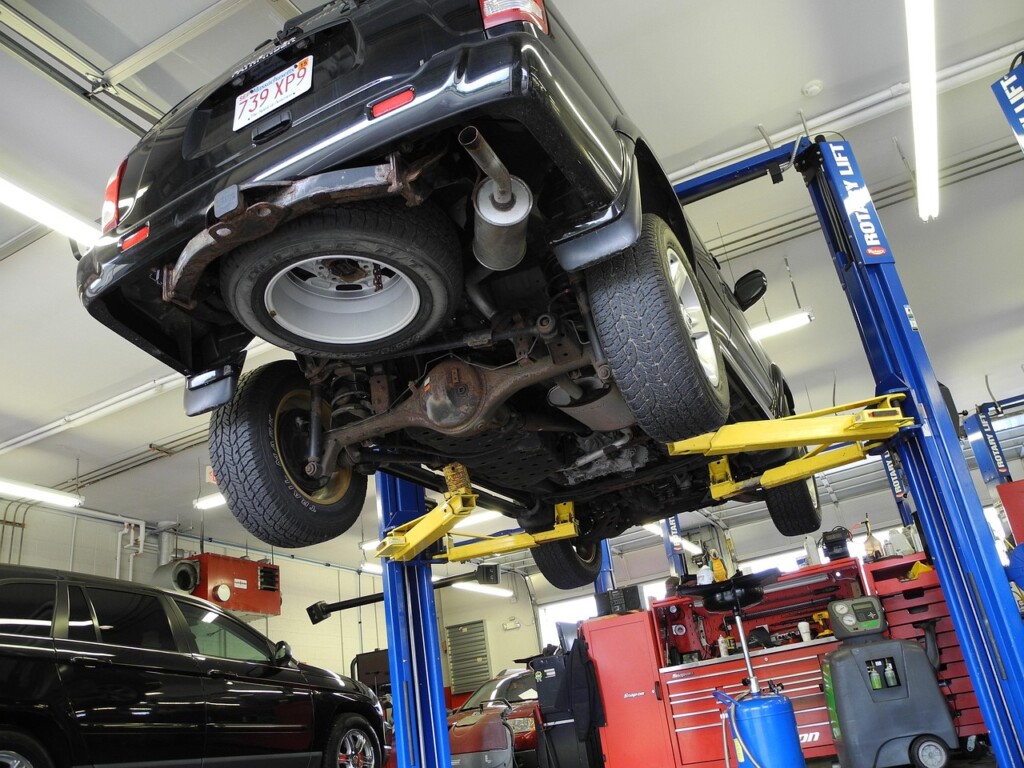
A successful collision repair shop design-build begins with understanding your site constraints and regulatory requirements, then develops into a comprehensive workflow that moves vehicles efficiently from initial estimating through final delivery. We focus on right-sizing critical operational areas while staging parts with mobile carts and maintaining paint booths dedicated solely to topcoat application. The foundation relies on durable, flexible building systems paired with robust ventilation and clearly defined safety protocols.
Planning for future growth becomes essential when considering multi-shift operations to maximize your facility investment. The next phase involves confirming your specific goals and constraints, creating initial flow sketches, and assigning appropriate square footage to each functional area. We coordinate zoning approvals, permitting processes, and utility alignments during the early planning stages to prevent costly delays. Finally, we phase equipment placement and installation strategically to ensure a smooth operational launch.
Ready to move forward with your collision repair facility project? Contact EB3 Construction to discuss how we can streamline your design-build process from concept to completion.