Hotel owners need upgrades that enhance guest experience without shutting down operations. A hotel restaurant renovation contractor delivers these improvements while keeping revenue flowing.
We specialize in design-build services that transform restaurants, bars, and lobbies within operational hotels. Our approach combines guest-centered crews with aggressive scheduling to minimize disruption while delivering projects that meet brand standards.
Which Scopes And Services Are Included In Hotel Restaurant Renovations?
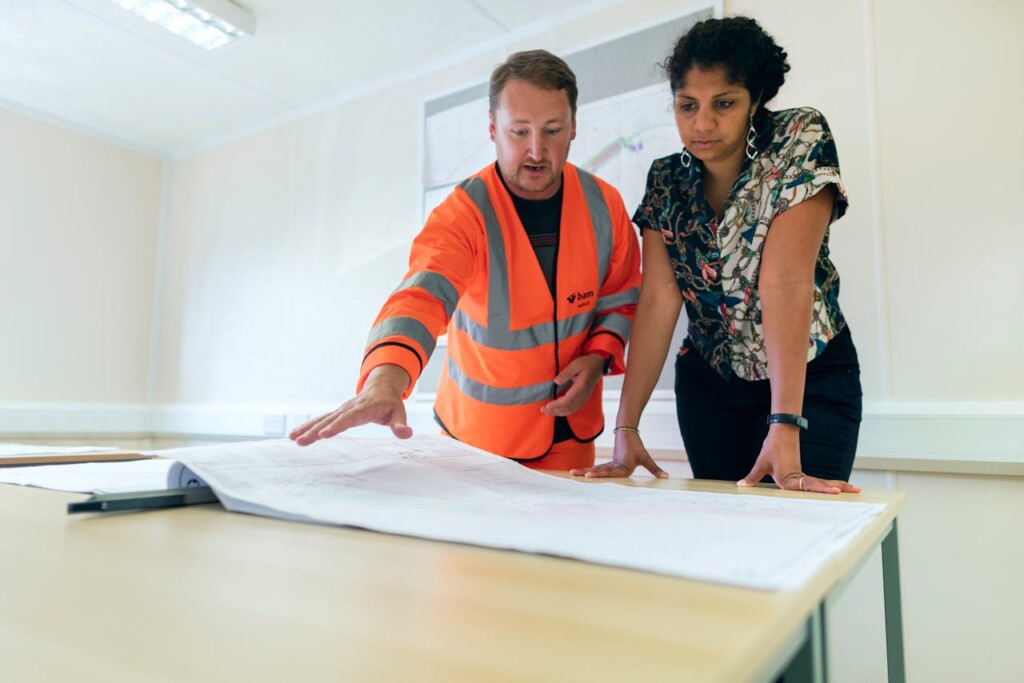
Hotel restaurant renovation projects encompass comprehensive scopes designed to transform dining spaces while maintaining operational flow. We execute these projects through integrated services that address both guest-facing areas and supporting infrastructure. The typical renovation includes structural improvements, finish upgrades, specialty installations, and systems coordination tailored to hospitality environments.
FF&E Procurement And Installation
FF&E procurement spans the complete lifecycle from existing furniture liquidation through new product assembly and install. We coordinate furniture selections for dining rooms, bars, and lobby areas while managing delivery schedules that align with construction phases. Custom pieces require extended lead times, particularly for signature bars and reception desks that define brand identity.
The procurement process includes vendor coordination, quality inspections, and storage management during installation phases. We handle everything from dining chairs and tables to specialized bar equipment and decorative fixtures. Coordination between FF&E delivery and construction completion prevents damage while ensuring timely project handover.
Interior And Exterior Finishes
Interior and exterior painting transforms spaces while protecting underlying surfaces from hospitality wear patterns. We apply primers, base coats, and finish systems selected for durability in high-traffic areas. Restaurant environments require special attention to moisture resistance and cleaning protocols that maintain appearance over time.
Framing and drywall work supports layout changes, acoustic improvements, and infrastructure upgrades. New wall configurations create defined dining zones while integrating MEP rough-ins seamlessly. We coordinate drywall installation with millwork placement to ensure proper fit and finish alignment.
Custom Millwork And Carpentry Solutions
Custom millwork and carpentry deliver the distinctive elements that define restaurant character. Bars represent focal points requiring precision construction, integrated utilities, and brand-compliant finishes. Front desks combine functionality with visual appeal, incorporating technology infrastructure and storage solutions.
Cabinet installations provide essential storage while supporting kitchen operations and service efficiency. Trim work creates polished transitions between materials and spaces. We fabricate pieces according to brand specifications while addressing local code requirements and operational workflows.
Flooring Installation Across Multiple Surfaces
Flooring installation addresses diverse surface requirements across restaurant zones. Carpet and tile installs create comfort in dining areas while providing durability in service corridors. Stone and wood surfaces deliver premium aesthetics that align with brand positioning and guest expectations.
Vinyl flooring offers practical solutions for high-moisture areas and service spaces. Epoxy grout applications ensure longevity in tile installations, particularly important in bar areas and food service zones. We coordinate flooring transitions between spaces to maintain aesthetic flow while meeting different performance requirements.
MEP Services And Infrastructure Upgrades
MEP services encompass both minor adjustments and major system overhauls depending on renovation scope. Minor MEP work includes fixture replacements, outlet additions, and lighting updates that support new layouts. Major services involve HVAC modifications, electrical panel upgrades, and plumbing relocations for kitchen equipment.
Restaurant renovations often require enhanced ventilation systems, specialized electrical circuits for equipment, and upgraded water service for bars and prep areas. We coordinate MEP rough-ins with finish schedules to minimize disruption while ensuring code compliance throughout the project.
Concrete Cutting And Structural Modifications
Concrete cutting and removal enable layout modifications and utility installations. We perform saw cutting for new drain installations, electrical conduits, and equipment foundations. Demolition work removes existing elements while protecting adjacent areas and maintaining structural integrity.
These services require careful coordination with engineering specifications and local permit requirements. We schedule concrete work during optimal phases to minimize noise impact on hotel operations while ensuring proper cure times for new installations.
Exterior Brand Upgrades And Public Area Remodels
Exterior brand upgrades enhance curb appeal and reinforce brand recognition through signage, facade improvements, and entrance enhancements. We coordinate exterior work with interior renovation schedules to maintain guest access while transforming property appearance.
Full public area remodels extend beyond restaurants to lobbies, bars, and connected spaces that influence guest experience. These projects require comprehensive planning to maintain hotel operations while achieving cohesive design throughout interconnected areas.
Construction Management And Support Services
Construction management coordinates all renovation elements through integrated scheduling, phasing, and logistics planning. We develop detailed project schedules that minimize guest disruption while maintaining construction efficiency. Phasing plans segment work to keep revenue-generating areas operational throughout the renovation process.
Reporting provides regular updates on progress, budget status, and upcoming milestones. Value engineering identifies cost optimization opportunities without compromising quality or brand compliance. Preconstruction planning establishes clear timelines, material procurement schedules, and coordination protocols that support successful project delivery from start to finish.
How Do Contractors Minimize Guest Disruption And Protect Revenue During Renovations?
We structure each project to maintain operational hotels throughout the renovation process. Our guest-centered crews understand that every decision affects the guest experience and bottom line. These teams work around hotel operations rather than forcing the property to work around construction.
On-site coordination ensures immediate response to any guest concerns or operational needs. We position dedicated supervisors who communicate directly with hotel management throughout each shift. This real-time oversight prevents minor issues from escalating into guest complaints or revenue losses.
Strategic Project Phasing For Minimal Impact
We break renovations into discrete phases that preserve essential guest services and revenue-generating areas. Restaurant renovations often begin with back-of-house areas like kitchens and storage while keeping dining rooms operational. Bar renovations proceed in sections, allowing portions to remain open for service.
Each phase targets specific zones to contain construction activity away from high-traffic guest areas. We coordinate with hotel management to identify low-occupancy floors or wings for more intensive work. This approach maintains guest satisfaction while protecting the property’s ability to generate revenue during construction.
Our phasing plans account for seasonal occupancy patterns and special events. We schedule disruptive activities during natural low periods and preserve full capacity during peak revenue opportunities. Hotels can maintain 75-85% of normal inventory availability throughout most renovation phases.
Rooms Out Of Order Analysis And Revenue Protection
We conduct detailed Rooms Out of Order analysis to minimize revenue displacement. This process identifies which areas must be taken offline and for how long, allowing precise scheduling that protects peak revenue periods. We work with revenue management teams to understand booking patterns and adjust construction schedules accordingly.
Our logistics planning coordinates material deliveries, equipment staging, and workforce movement to avoid guest pathways and service areas. We establish dedicated construction routes that bypass lobbies, restaurants, and other guest areas. Deliveries occur during off-peak hours when guest traffic is minimal.
Clear passageways remain a priority throughout construction. We maintain unobstructed access to elevators, dining areas, and other essential services. Temporary barriers direct guests around work zones while preserving the property’s professional appearance and operational flow.
Quality Standards And Progress Communication
We maintain orderly worksites that reflect the hotel’s professional standards. Construction areas are cleaned daily, tools are secured, and materials are properly staged away from guest view. This attention to detail preserves the property’s brand image even during active renovation.
Transparent updates per phase help operations teams prepare for any necessary adjustments to service or routing. We provide detailed reporting on daily progress, upcoming activities, and any potential guest impacts. These reports enable front desk staff to proactively communicate with guests and adjust expectations when needed.
Progress updates include completion milestones, quality checkpoints, and timeline confirmations. Operations teams receive advance notice of noise-generating activities, temporary service interruptions, or access changes. This communication framework reduces surprises and enables proactive guest service management throughout the renovation process.
What Is The Renovation Process From PIP Review To Final Sign-Off?

The renovation process follows a structured sequence from initial Property Improvement Plan assessment through project completion. We begin with comprehensive consultation to evaluate your PIP requirements, existing conditions, and operational constraints. This foundation sets the stage for successful project delivery while maintaining hotel operations.
Initial Consultation And Assessment
We start every project with thorough PIP review, analyzing brand requirements against current property conditions. Our team conducts detailed scope of work evaluation, examining structural drawings and identifying potential challenges. Site visits allow us to assess constructability issues, measure spaces accurately, and understand operational flow patterns that affect renovation phasing.
Plan review includes evaluating existing MEP systems, structural limitations, and code compliance requirements. We coordinate with hotel management to understand peak occupancy periods, guest service priorities, and revenue protection strategies. This consultation phase typically requires 2-3 weeks depending on project complexity and stakeholder availability.
Proposal Development And Contract Negotiation
Our bid phase produces detailed proposals outlining scope, schedule, and budget parameters. We provide comprehensive cost breakdowns covering materials, labor, permits and approvals, and contingency allocations. Proposal presentation includes visual aids showing renovation phases and guest impact mitigation strategies.
Contract negotiation addresses project timeline, change order procedures, and quality standards. We establish clear communication protocols, reporting schedules, and milestone definitions. Payment terms reflect project phases while protecting both parties throughout the renovation cycle. Final contract acceptance triggers immediate mobilization of our preconstruction team.
Project Planning And Preconstruction
Preconstruction planning begins with permit acquisition and regulatory coordination. We handle building department submissions, fire marshal reviews, and health department approvals where applicable. Budget analysis includes value engineering opportunities to optimize costs while maintaining brand compliance and guest experience standards.
Lead time assessment covers FF&E procurement, specialty millwork fabrication, and material delivery schedules. Constructability reviews identify potential conflicts between new installations and existing infrastructure. Quantity take-offs provide precise material requirements, supporting accurate scheduling and waste minimization efforts.
Schedule planning integrates hotel occupancy patterns with construction sequences. We develop phasing plans that maintain operational capacity while progressing renovation work efficiently. Model room development allows brand representatives to review finishes, layouts, and quality standards before full-scale construction begins.
Construction Execution And Quality Control
Construction begins with coordinated mobilization and site preparation. We provide updates per phase, documenting progress through photos, reports, and stakeholder meetings. Our project managers maintain constant communication with hotel operations teams to address emerging issues and adjust schedules as needed.
Inspections occur at predetermined milestones, ensuring work meets brand standards and code requirements. We coordinate with local inspectors, brand representatives, and third-party quality assurance firms throughout the process. Our quality control protocols include material verification, workmanship standards, and guest safety measures.
Punch walkthroughs identify final completion items before brand inspection. We systematically address punch list items while maintaining project momentum toward substantial completion. Final sign-off occurs after all stakeholders confirm work meets contractual requirements and brand standards. This structured approach ensures successful PIP fulfillment while protecting your investment and operational capacity.
How Are Compliance, Safety, And Brand Standards Addressed?
Licensed And Insured Professionals
We maintain all required licenses and comprehensive insurance coverage to protect both property owners and hotel operations. Our licensed contractors handle specialized trades including electrical, plumbing, and mechanical systems that require certified expertise. General liability and workers’ compensation insurance provides coverage throughout the renovation process.
Professional licensing ensures compliance with local building codes and trade-specific regulations. We verify that all subcontractors carry appropriate licenses and insurance before beginning work. This protects property owners from liability exposure while ensuring work meets industry standards.
Permits And Approvals Management
We coordinate the full permitting process from initial applications through final approvals. Building permits, mechanical permits, and electrical permits receive proper submission with detailed plan sets. Local jurisdiction requirements vary significantly, so we work directly with building officials to expedite review processes.
Plan and spec review occurs before permit submission to identify potential compliance issues. We address code conflicts early in the design phase rather than during construction when changes become costly. This approach prevents delays that could impact hotel operations or extend project timelines.
ADA Consulting And Accessibility Compliance
ADA consulting ensures hotel restaurant spaces meet current accessibility standards. We evaluate existing conditions against Americans with Disabilities Act requirements and identify necessary modifications. Door widths, counter heights, restroom layouts, and pathway clearances receive detailed analysis during preconstruction planning.
Certified inspections verify ADA compliance throughout construction phases. We coordinate with accessibility consultants who provide specialized expertise on complex requirements. This prevents costly rework and ensures hotel guests experience fully accessible dining and common areas.
Safety Training And Work Zone Management
Safety training covers OSHA construction standards and hotel-specific protocols that protect both workers and guests. Our crews receive comprehensive education on fall protection, electrical safety, and hazard communication before beginning work. Regular safety meetings address evolving site conditions and reinforce protective measures.
Orderly work zones minimize guest disruption while maintaining safety standards. We establish clear boundaries between construction areas and active hotel spaces using temporary barriers and signage. Clean passageways and organized material storage prevent accidents and maintain professional appearance during ongoing operations.
Quality Control And Brand Compliance
Quality control occurs at each construction phase through systematic inspections and documentation. We verify material specifications, installation standards, and finish quality against approved plans. Regular quality checks prevent issues from compounding and ensure final results meet expectations.
3D renderings help align designs with PIP requirements and brand standards before construction begins. Visual representations allow property owners and brand representatives to review proposed changes and request modifications. This collaborative approach ensures final installations match approved concepts and maintain brand consistency across the hotel portfolio.
Certified inspections by qualified third parties provide independent verification of work quality and code compliance. We coordinate structural, electrical, and mechanical inspections as required by local jurisdictions. Final inspections confirm that all systems function properly and meet applicable safety standards before project completion.
Conclusion And Next Steps
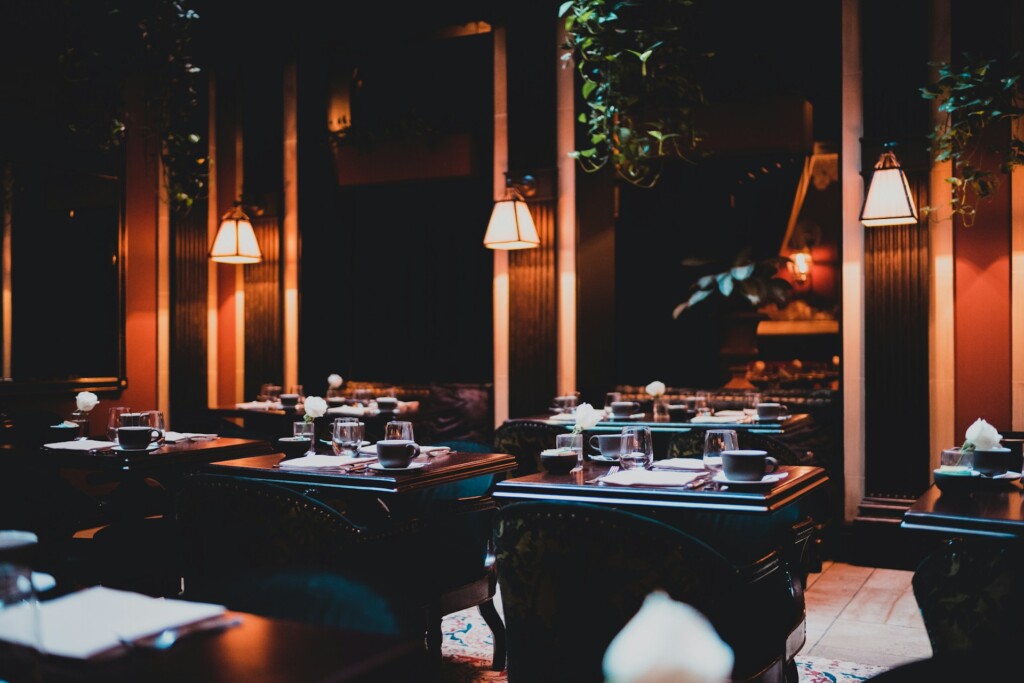
A hotel restaurant renovation contractor coordinates design-build delivery, PIP alignment, and guest-centered phasing while maintaining strict safety and compliance standards. We approach each project with the understanding that operational continuity drives revenue protection, and successful delivery depends on coordinated execution from consultation through final sign-off.
Ready to move forward with your hotel restaurant renovation? Start by compiling your PIP requirements and scope documentation. Schedule a site visit with EB3 Construction to review existing conditions and discuss project goals. Confirm budget parameters and lead times for key materials, particularly for custom millwork and specialty finishes. Develop a model room concept that aligns with brand standards and guest expectations. Define logistics coordination and Rooms Out of Order analysis to minimize revenue displacement. Establish a reporting cadence that provides transparency through each construction phase, including regular progress updates, punch list management, and final sign-off procedures.
Contact EB3 Construction to discuss your hotel restaurant renovation project and develop a customized approach for your property.