Denison’s industrial sector spans from education facilities to healthcare expansions, requiring specialized contractors who handle heavy construction and plant operations. An industrial builder Denison TX focuses on complex projects that involve machinery installation, structural welding, and production line work throughout Grayson County.
We at EB3 Construction deliver industrial project management, certified welding, custom fabrication, and millwright services for facilities requiring precision and reliability. The region supports diverse industrial construction Denison projects, from municipal buildings to business park developments that serve growing commercial demand.
Which Core Services Should You Expect From An Industrial Builder In Denison?

We organize our industrial construction capabilities around four main disciplines that work together to support plant operations and facility development. Each service builds on decades of field experience and addresses specific needs across manufacturing, processing, and heavy industrial environments.
Industrial Construction Project Management
Our project management approach centers on keeping industrial operations running while delivering construction goals. We handle job phase subcontracting to sequence electrical, mechanical, and structural trades around your production schedule. Fast track scheduling becomes critical when shutdown windows are limited or when regulatory compliance drives tight deadlines.
Complete general contractor services mean we coordinate all aspects from initial design review through final commissioning. This includes managing permits, inspections, and code compliance while maintaining communication with facility managers and operations staff throughout the construction process.
AWS Certified Welding Services
Our certified welding capabilities cover multiple processes suited to industrial applications. Shielded Metal Arc Welding (SMAW) provides reliable penetration for structural connections and heavy repair work. Gas Tungsten Arc Welding (TIG) delivers precision control for stainless steel and aluminum components where clean, strong joints are essential.
Metal Inert Gas (MIG) welding supports production fabrication and field assembly across carbon steel, stainless steel, and aluminum materials. Process piping requires special attention to material compatibility and code requirements, particularly in chemical processing or food grade applications where contamination cannot be tolerated.
Custom Fabrication Capabilities
We fabricate conveyor systems designed to handle specific materials and production volumes. Tank fabrication covers process vessels, storage containers, and specialty items built to dimensional and pressure requirements. Mezzanines expand usable floor space within existing structures, while catwalks and platforms provide safe access to equipment and maintenance areas.
Material handling systems integrate with existing production lines or support new facility layouts. Specialty items fabricated to specification address unique operational needs that standard components cannot meet, from custom supports to specialized process equipment housings.
Millwright Services
Machinery installation and alignment require precision measurement and mechanical expertise. We handle equipment positioning, foundation work, and connection to utilities while maintaining manufacturer specifications and operational tolerances. Equipment repair and rebuild services extend asset life and reduce replacement costs.
Production line installation and modifications support facility expansions or process improvements. This includes connecting new equipment to existing systems and ensuring proper material flow. Full dismantling and relocation services help facilities move operations or reconfigure layouts while preserving equipment value and minimizing downtime.
How Does Design/Build And Coordination Work On Denison Industrial Projects?
We offer design/build delivery as a single-source solution for industrial and municipal facilities throughout Denison and Grayson County. This approach places responsibility for both design development and construction execution under one contract, streamlining decision-making from concept to completion.
Our team coordinates directly with clients, architects, and city officials during the early planning phases. This collaboration ensures project details align with municipal requirements while maintaining focus on operational goals. We handle permitting coordination proactively, working with local authorities to address code compliance and review processes before construction phases begin.
Project Reviews And Permitting Coordination
We manage the permitting process by establishing early contact with city officials and relevant departments. Project reviews move more efficiently when design and construction teams work together from the start rather than in separate phases. Our approach includes coordinating with fire marshals, building inspectors, and utility departments to address requirements during design development.
The design/build structure allows us to adjust plans based on permitting feedback without the delays that occur when architects and contractors work separately. This integrated approach typically reduces review cycles and helps owners avoid costly redesigns after construction documents are complete.
Trade Sequencing And Subcontracting By Phase
As the general contractor, we sequence trades based on project-specific requirements and site constraints. Industrial projects often involve complex systems integration, requiring careful coordination between mechanical, electrical, and structural work. We manage subcontracting by phase, bringing specialists in at optimal times rather than front-loading all trades simultaneously.
Phase-based subcontracting allows us to maintain quality control while managing project flow. For example, we might sequence structural steel installation before bringing in process piping specialists, then coordinate both with electrical contractors for control systems integration. This approach prevents trades from interfering with each other while maintaining construction momentum.
Fast Track Scheduling Implementation
We implement fast track scheduling when project windows are tight or when plant operations limit construction access. This method overlaps design completion with early construction phases, allowing foundation work to begin while detailed engineering continues on building systems. The approach requires strong schedule management and close communication between all project participants.
Fast track scheduling proves especially valuable for industrial clients facing regulatory deadlines or production constraints. We can begin site preparation and structural work while finalizing mechanical and electrical designs, compressing overall project timelines. The key lies in establishing clear milestone points where design must be complete before construction phases can proceed safely and effectively.
What Local Factors Shape Industrial Construction In Denison?
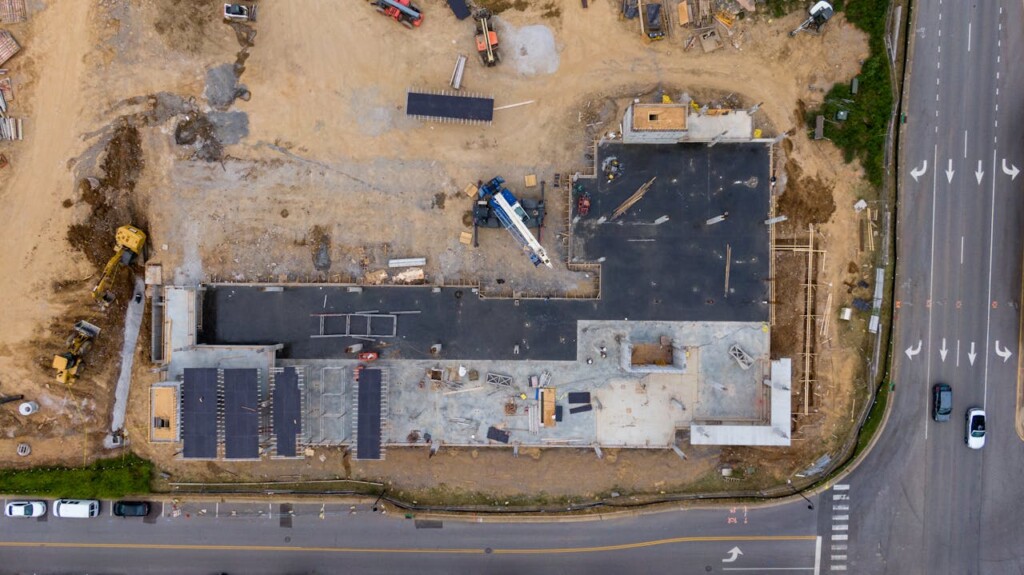
The Sherman-Denison Metropolitan Statistical Area presents unique opportunities for industrial construction through its strategic location and established infrastructure network. We coordinate with local development patterns that include everything from educational facilities to advanced manufacturing sites, creating a diverse project landscape that requires flexible construction approaches.
Recent municipal construction projects demonstrate the area’s commitment to infrastructure growth. The New Denison High School represents significant educational investment, while Texoma Medical Center Parking Expansion addresses healthcare facility needs. The New Southside Fire Station adds essential emergency services infrastructure to support the expanding community and business districts.
Business Park Development And Site Readiness
Denison’s North Pointe Business Park offers ready sites for future industrial operations, with infrastructure already positioned to support manufacturing and distribution facilities. We work within established business parks where utilities, access roads, and zoning frameworks streamline project development. These prepared sites reduce construction timelines and eliminate many of the preliminary coordination steps required for greenfield development.
The North Texas Logistics Park provides additional industrial capacity with direct highway access, creating opportunities for distribution centers and light manufacturing facilities. When we coordinate projects in these established parks, existing utility corridors and transportation infrastructure support efficient construction sequencing.
TxDOT Standards And Infrastructure Integration
Highway and bridge construction in the region follows TxDOT-approved designs and specifications, creating standardized approaches that we integrate into industrial projects requiring transportation infrastructure coordination. These standards affect site access roads, utility crossings, and drainage systems that connect industrial facilities to regional transportation networks.
For projects adjacent to state highway systems, we coordinate with TxDOT requirements for access permits, utility installations, and construction traffic management. The 2024 Standard Specifications establish consistent approaches for materials, construction methods, and quality control that we apply when industrial projects interface with public infrastructure.
Heavy Engineering And Infrastructure Systems
Water treatment plants, power distribution systems, and drainage infrastructure create the backbone for industrial operations in Denison. We coordinate with these existing systems when industrial projects require utility tie-ins or capacity expansions. Airport infrastructure at North Texas Regional Airport affects industrial projects requiring air cargo capabilities or specialized transportation access.
Municipal utilities and regional drainage systems influence site planning for industrial facilities, particularly those with process water requirements or stormwater management needs. We work within established utility corridors and coordinate with regional water authorities to ensure industrial projects integrate seamlessly with existing infrastructure networks.
How Should Owners Prepare Before Hiring An Industrial Builder In Denison?
Thorough preparation streamlines the entire industrial construction process and ensures accurate project scoping. Clear documentation helps us develop realistic timelines and coordinate with Denison city officials effectively.
Define Project Scope And Machinery Requirements
List all machinery requiring installation, alignment, or relocation with specific model numbers and manufacturer specifications. Document any production line modifications, including capacity changes or equipment additions that affect existing operations. Include details about machinery foundations, utility connections, and clearance requirements for proper installation planning.
Note equipment that needs dismantling and relocation, specifying destination sites and any interim storage needs. This information enables accurate scheduling and resource allocation for millwright services across multiple project phases.
Document Welding And Process Piping Requirements
Specify materials for all welding work, including aluminum, stainless steel, and carbon steel components with applicable code requirements. Document process piping materials and working pressures to ensure proper certification and testing protocols. Include any specialized welding methods needed, such as SMAW, TIG, or MIG processes for specific applications.
Provide existing piping layouts and connection points where new work interfaces with current systems. This detail helps plan shutdown coordination and minimizes disruption to ongoing operations during tie-in activities.
Identify Fabrication Items And Specifications
Create detailed lists of fabricated items including conveyor systems, tanks, mezzanines, catwalks, and platforms with precise dimensions and load data. Specify material grades, finish requirements, and any special coatings needed for environmental conditions. Include connection details and mounting requirements for proper structural integration.
Document any specialty items requiring custom fabrication with engineering drawings or conceptual sketches. Clear specifications prevent delays and ensure fabricated components meet operational requirements from the start.
Plan Schedule Goals And Shutdown Windows
Set realistic schedule goals that account for permitting timelines and material delivery requirements. Identify available shutdown windows when plant operations allow construction access to critical areas. Document any seasonal constraints or production schedules that limit work periods for live-plant areas.
Consider fast track scheduling opportunities where design and construction phases can overlap to compress overall project duration. Clear shutdown planning enables efficient coordination of trades and minimizes production impact.
Coordinate Permitting And City Requirements
Contact Denison building officials early to understand specific permit requirements for industrial work. Review any special conditions for process piping installations, structural modifications, or electrical connections that require city approval. Plan for permit application timelines and inspection scheduling to prevent project delays.
Gather site plans, utility locations, and property boundary information needed for permit applications. Early coordination with city officials ensures smooth project reviews and approval processes.
Plan Subcontracting By Phase
Define electrical, mechanical, piping, and structural work phases with clear scope boundaries for each trade. Specify coordination requirements between subcontractors, especially where work interfaces affect system integration. Document any specialized certifications or qualifications needed for specific work elements.
Plan sequencing to optimize trade coordination and minimize conflicts between concurrent activities. Clear subcontracting by phase definitions enable better resource management and schedule control throughout the project.
Address Safety And Site Logistics
Document all safety constraints for site access, including confined space requirements, hazardous material considerations, and personal protective equipment needs. Identify logistics constraints such as crane access, material staging areas, and traffic control requirements around active operations.
Plan for live-plant work protocols that protect ongoing operations while ensuring worker safety during construction activities. These considerations help establish realistic work procedures and safety protocols before project start.
Conclusion And Next Steps

Industrial builder Denison TX projects succeed when owners establish clear scope definitions, maintain strong coordination protocols, and partner with contractors offering proven field services. The combination of detailed planning, experienced trades, and local market knowledge creates the foundation for efficient project delivery in Grayson County’s industrial sector.
We support property owners and developers with comprehensive project management, certified welding capabilities, custom fabrication services, and millwright expertise tailored to local industrial requirements. Our approach integrates general contractor oversight with design/build coordination and fast track scheduling to meet tight project windows. Start by confirming your project scope, establishing realistic timeline expectations, and mapping out the permitting pathway with local officials. Then align our services to your specific plant operations and production goals.
Contact EB3 Construction to discuss your industrial project scope and scheduling requirements.