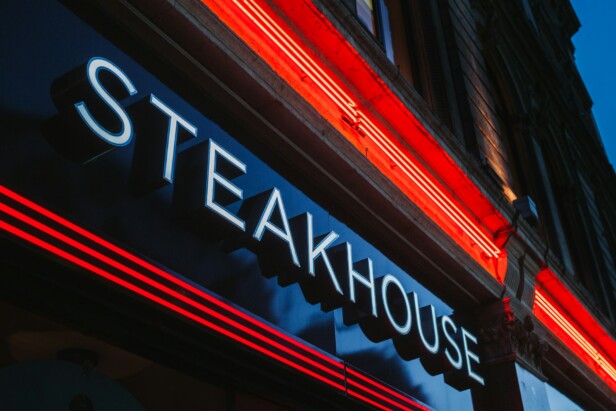
Texas developers are increasingly choosing steakhouse design-build delivery for restaurant projects. This approach consolidates design and construction under a single team, eliminating traditional handoffs between architects and contractors.
Steakhouse design-build Texas projects typically encompass schematic design through construction administration. Most Texas prototypes target approximately 7,000 SF and incorporate scalable designs that adapt to various site conditions across Houston, Dallas, Austin, and other markets.
How Does A Design-Build Delivery Streamline Steakhouse Projects?

Design-build eliminates communication gaps between separate firms. We coordinate architects, engineers, and construction teams under one contract from project start. This unified approach prevents delays caused by miscommunication and conflicting priorities between design and construction phases.
Project integration creates predictable timelines. Traditional delivery methods often stall when construction teams discover buildability issues after design completion. Our integrated process allows real-time adjustments during design development, avoiding costly revisions and change orders during construction.
Workflow Optimization Through Early Construction Input
Kitchen layouts receive construction feasibility review during early design phases. We evaluate equipment placement, utility routing, and service access before finalizing drawings. This prevents field conflicts that disrupt schedules and increase costs.
Dining circulation patterns get validated against operational requirements. Our teams assess traffic flow, server stations, and customer movement to ensure layouts support efficient service. Kitchen-dining flow receives particular attention to minimize bottlenecks during peak service periods.
Materials And Finishes Coordination
Brand coordination happens throughout the design process. We align material selections with steakhouse identity while ensuring constructability and maintenance requirements. Stone, wood, and metal finishes get specified with installation methods and long-term performance in mind.
Finish schedules coordinate with MEP systems and structural requirements. Ceiling heights, lighting integration, and HVAC distribution receive early coordination to prevent conflicts. This planning reduces field coordination issues and maintains design intent through construction.
Subcontractor Coordination And Schedule Control
Subcontractor selection begins during design development. We engage key trades early to validate systems design and installation sequences. This approach reduces bid surprises and ensures realistic scheduling from project start.
Quality control systems span both design and construction phases. Our teams establish standards during design that carry through field execution. Single-source accountability eliminates finger-pointing between designers and builders when issues arise.
General contracting services provide an alternative path for projects with completed plans. We manage schedules, coordinate subcontractors, and maintain quality standards while working with existing architectural drawings and specifications.
What Do Permit-Ready Architectural And MEP Drawings Require In Texas?
Permit-ready sets establish the foundation for municipal approvals throughout Texas. These comprehensive packages include architectural plans that satisfy local building codes and coordinated mechanical, electrical, and plumbing (MEP) drawings. Each component must align with Texas building standards while addressing the specific requirements of restaurant operations.
Architectural drawings provide detailed floor plans, elevations, and sections covering dining areas, kitchen spaces, storage zones, and utility rooms. Site plans show building placement, parking configurations, and utility connections. The drawings demonstrate compliance with Texas accessibility standards, egress requirements, and fire safety codes.
Core MEP System Requirements
HVAC layouts form the backbone of restaurant comfort systems. These drawings specify equipment placement, ductwork routing, and ventilation requirements for dining and kitchen areas. Texas restaurants require exhaust systems that handle grease-laden vapors and maintain proper air quality. Heat load calculations size equipment based on occupancy, cooking equipment, and climate conditions.
Plumbing drawings detail water supply lines, drainage systems, and gas connections for kitchen equipment. We coordinate fixture locations with architectural layouts while ensuring adequate water pressure and proper waste management. Grease trap specifications and backflow prevention devices meet health department regulations.
Electrical load calculations determine service size and distribution requirements. Power plans show circuits for kitchen equipment, lighting systems, and HVAC units. Emergency lighting, fire alarm systems, and point-of-sale infrastructure require specific electrical coordination.
Regulatory Compliance And Documentation
Texas health regulations impose strict requirements on restaurant MEP systems. Food service areas need specific ventilation rates, temperature controls, and plumbing fixtures. We ensure drawings address these health code mandates while coordinating with local environmental health departments.
Site plans integrate building placement with existing utilities and site constraints. Storm water management, accessibility compliance, and parking layouts require careful coordination with civil engineering. These plans demonstrate how the restaurant fits within local zoning requirements and development standards.
Development Timelines And 3D Visualization
Complete permit-ready drawings typically require 2 to 6 weeks depending on project complexity and coordination needs. Smaller steakhouses may move through design faster while larger prototypes with extensive MEP systems need additional time. Multiple revision cycles often extend timelines when coordinating between disciplines.
3D rendering capabilities preview spaces before construction begins. These visualizations help owners understand spatial relationships and identify potential design conflicts early. We use 3D models to coordinate MEP systems with architectural features and ensure efficient kitchen workflows.
We support drawing development and engineering coordination across Houston, Dallas, Austin, and other Texas markets. Our team manages the technical requirements while ensuring permit readiness for municipal review processes. This coordination reduces approval delays and keeps projects moving toward construction starts.
How Do Prototypes And Site Conditions Shape A Texas Steakhouse?
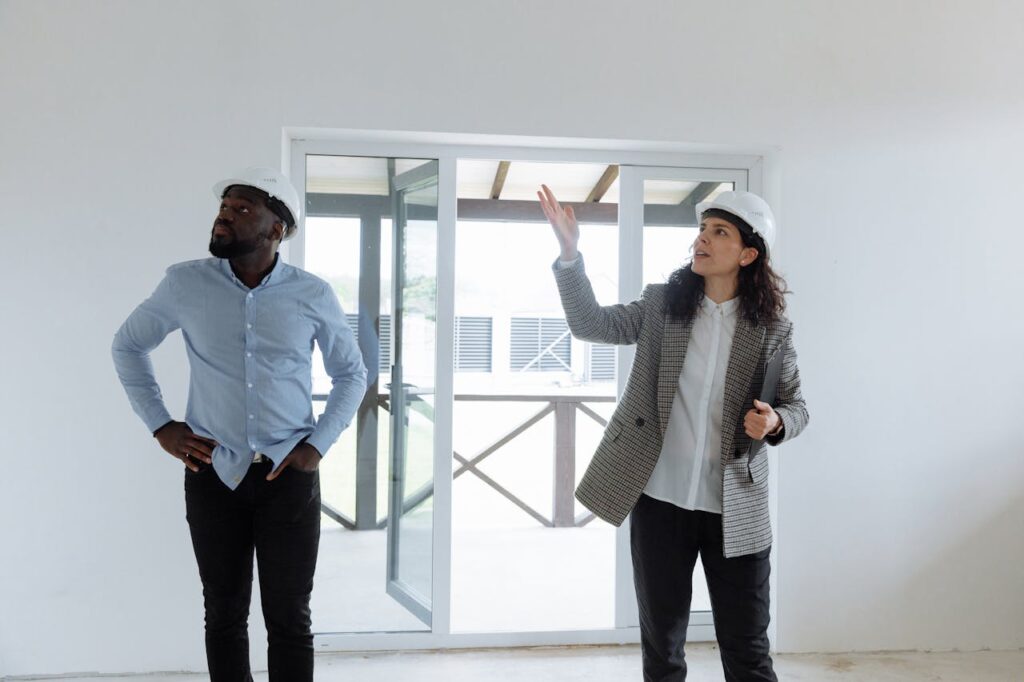
Steakhouse prototypes provide the foundation for successful restaurant development across Texas. These standardized designs begin as proven concepts that can be replicated and modified for different locations. We typically work with prototypes around 7,000 square feet, though the size can be scaled up or down based on market conditions and site constraints.
The prototype approach allows developers to leverage tested layouts, equipment specifications, and material selections. This reduces design time and construction risk while maintaining brand consistency across multiple locations. We have seen prototypes successfully adapted from their original design to fit sites ranging from 6,000 to 8,000 square feet without compromising operational efficiency.
Site-Specific Adaptations Drive Design Modifications
Each site presents unique conditions that require thoughtful adaptation of the prototype. Entrance locations must align with traffic patterns, parking configurations, and local accessibility requirements. We frequently adjust the main customer entrance to face the primary parking area or street frontage for maximum visibility and convenience.
Service drives require careful positioning to support efficient deliveries while remaining separate from customer areas. The location of dumpsters, loading zones, and utility access points can shift based on site constraints and municipal requirements. These modifications maintain operational functionality while respecting zoning setbacks and neighboring properties.
Utility Coordination Shapes Infrastructure Planning
Utility entrance points often drive significant site adaptations. Gas lines, electrical feeds, water mains, and sewer connections must integrate with the building systems while meeting local utility standards. We coordinate these connections early in the design process to avoid costly relocations during construction.
Storm water management and grease trap locations can influence building placement and exterior design elements. The positioning of HVAC equipment, electrical meters, and other mechanical systems requires coordination with both the prototype design and site-specific utility layouts.
| Requirement | Description |
|---|---|
| Entrance Locations | Align with traffic patterns and local accessibility requirements. Adjust entrance to face primary parking or street frontage for visibility. |
| Service Drives | Position to support efficient deliveries and keep separate from customer areas. Adjust based on site constraints and municipal requirements. |
| Utility Coordination | Integrate gas lines, electrical feeds, water mains, and sewer connections with building systems. Coordinate early to avoid costly relocations. |
| Storm Water Management | Consider when positioning building and exterior design elements, like HVAC and grease trap locations. |
| Discipline Coordination | Ensure structural, mechanical, plumbing, and electrical systems adapt to local conditions while maintaining design intent. |
Full-Discipline Coordination Ensures Consistency
Successful prototype adaptation requires coordination across architectural, structural, mechanical, plumbing, and electrical disciplines. Structural modifications may be needed to accommodate different soil conditions, seismic requirements, or local building codes. We ensure that any structural changes maintain the prototype’s intended load paths and construction methods.
Mechanical systems adapt to local climate conditions and energy codes while preserving the prototype’s kitchen ventilation and dining comfort standards. Electrical load calculations adjust for local utility requirements and may require transformer upgrades or service modifications. Plumbing systems accommodate local water pressure conditions and waste disposal requirements.
We manage the entire process from prototype development through construction administration, ensuring that site-specific modifications enhance rather than compromise the original design intent. This comprehensive approach maintains brand standards while creating restaurants that respond effectively to their specific Texas locations.
Which Interior Elements Define A Texas Steakhouse Experience?
Materials create the foundation of any successful steakhouse atmosphere. Brick walls anchor the space with their rough texture and natural warmth. Wood accents appear on ceiling planks, bar fronts, and trim work to soften the industrial edge.
Seating choices shape both comfort and sound control. Dark green banquette seating provides intimate dining areas while absorbing ambient noise. The rich color complements warm lighting and creates visual depth throughout the dining room.
Wine Displays And Focal Elements
Wine storage becomes architectural drama when executed properly. Glass-enclosed wine towers stretch toward high ceilings, showcasing bottle collections as living art. Wall-mounted wine racks frame dining areas and create natural room divisions.
These displays serve dual purposes beyond storage. They establish premium positioning while giving diners conversation starters and visual interest during their meal experience.
Lighting Design For Atmosphere
Ambient lighting sets the entire mood within the space. Warm-toned fixtures create intimacy at individual tables without compromising visibility for service staff. Edison bulbs suspended from copper pipes or black metal frames add industrial touches that complement brick finishes.
Bar areas require specialized lighting approaches. Task lighting illuminates drink preparation while accent lighting highlights bottle displays and decorative elements behind the bar.
Bar Construction And Materials
Bar tops demand durable materials that withstand heavy use. Stone surfaces like granite or marble provide scratch resistance while maintaining an upscale appearance. These materials pair well with wood base construction or blackened metal supports.
Leather stools complete the bar experience with comfort that encourages longer visits. The material coordinates with banquette seating choices and reinforces the premium positioning throughout the restaurant.
Branded Graphics And Identity Elements
Strategic graphics reinforce restaurant identity without overwhelming the space. Beef cut diagrams mounted on wood panels educate diners while celebrating the steakhouse focus. Metal lettering, vintage-style signage, or custom artwork can establish brand personality.
These elements work best when integrated into architectural features rather than applied as afterthoughts. We coordinate graphics with lighting placement and sight lines to maximize their impact on the overall dining experience.
Conclusion and Next Steps
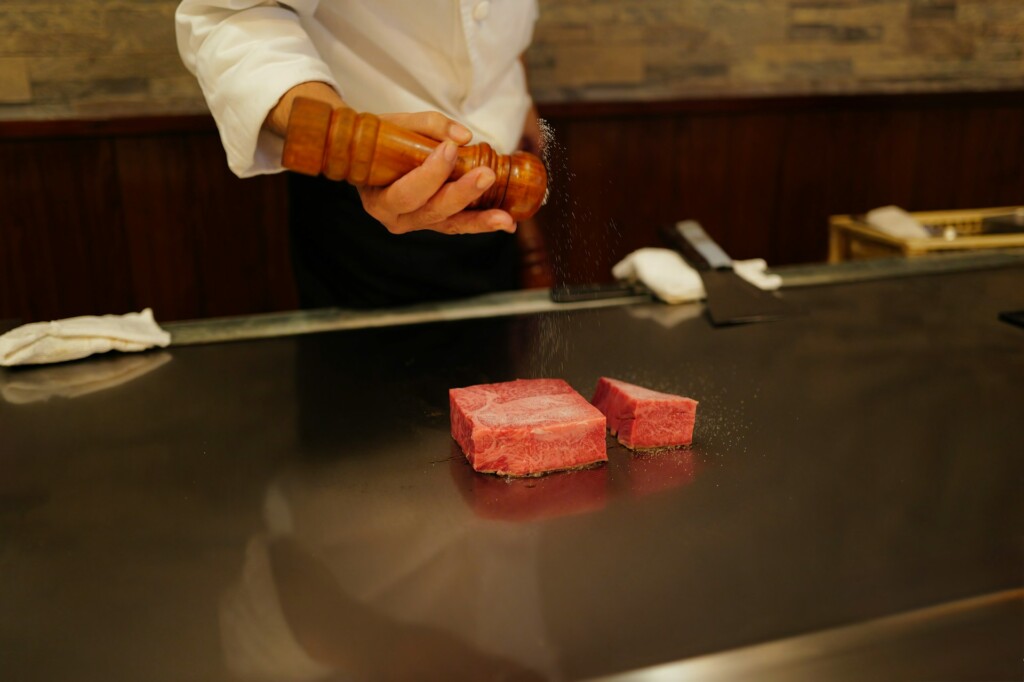
Successful steakhouse development demands strategic coordination from the first conceptual sketch to the final inspection. Each component builds on the others – prototype planning informs site adaptation, while architectural drawings guide MEP integration and interior execution. This layered approach reduces conflicts and keeps projects moving toward opening day.
We coordinate these moving parts through integrated project delivery. Our teams handle prototype development, site-specific drawings, permit applications, and construction oversight as connected phases rather than separate handoffs. This coordination becomes particularly valuable in Texas markets where local codes, site conditions, and timeline pressures can challenge even experienced development teams. When architectural plans align with engineering systems and construction realities from the start, steakhouse projects maintain momentum through permitting, construction, and final approvals.
Contact EB3 Construction to discuss your steakhouse project and coordinate development from schematic design through construction administration.