Concrete dusting in commercial facilities can cost property owners thousands of dollars annually in cleaning and equipment damage. A commercial polished concrete flooring contractor can transform your existing concrete slab into a smooth, high-gloss surface using professional grinding techniques.
We evaluate the condition of your existing concrete and refine it through mechanical grinding to create a durable, attractive floor finish. This process uses the concrete you already have rather than adding new materials or coatings. The result is improved durability, appearance, and day-to-day maintenance across retail spaces, healthcare lobbies, industrial facilities, and warehouse floors.
What Is Polished Concrete And How Is It Created On Existing Slabs?
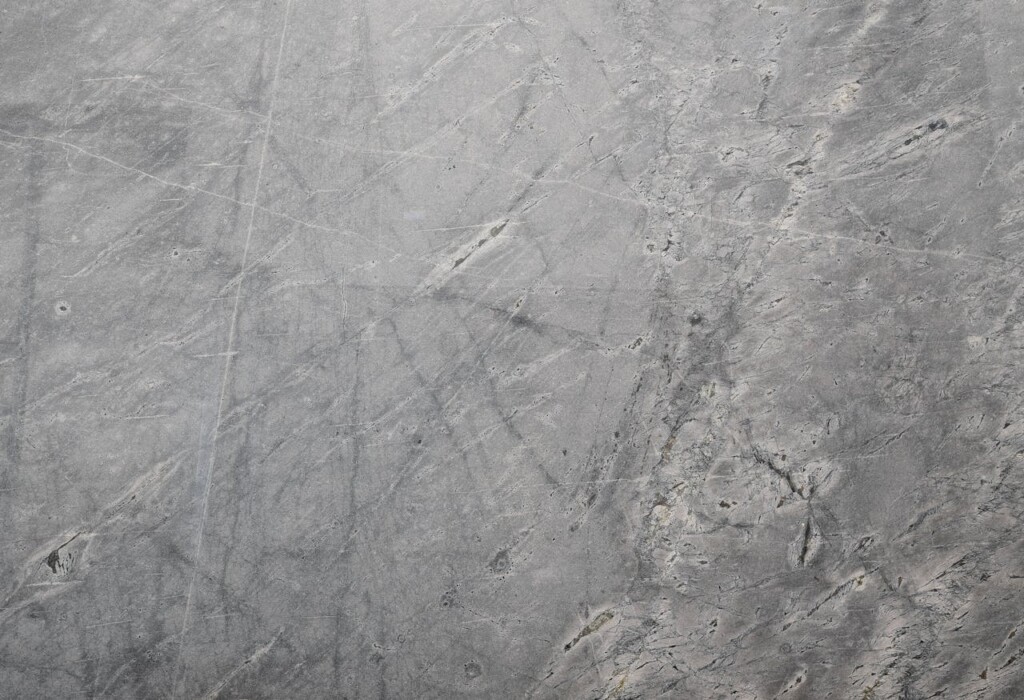
Polished concrete transforms your existing slab through mechanical grinding rather than by applying a coating. We use diamond abrasives to refine the surface, much like stone polishing. The concrete itself becomes the finished floor.
The process begins with coarse grinding to remove surface imperfections or old coatings. Each subsequent stage uses progressively finer diamond abrasives. A typical project involves up to 10 grinding stages, moving from 30-grit metal-bonded diamonds to 3000-grit resin-bonded pads.
Wet vs. Dry Methods
We choose between wet and dry polishing based on project conditions and dust-control requirements. Wet polishing uses water to control dust and cool the diamond tooling during grinding. This method extends the life of abrasive pads and prevents equipment from overheating on harder concrete.
Dry polishing pairs grinding equipment with vacuum collection systems to capture dust. This approach delivers higher shine levels and works better on soft concrete surfaces. Many projects combine both methods, starting wet for initial grinding and finishing dry for maximum gloss.
Surface Refinement Process
Surface preparation starts with filling cracks and addressing any substrate issues. We then progress through metal-bonded diamonds for initial cutting, followed by transitional grits that bridge to resin-bonded pads. Each pass removes scratches from the previous stage.
Chemical densifiers applied during the process penetrate the concrete’s pores and react with calcium hydroxide. This creates additional calcium silicate hydrate, increasing surface density and hardness. The treatment reduces porosity and enhances the polishing response.
Final polishing stages achieve the desired shine levels, ranging from soft matte finishes to mirror-like surfaces. A penetrating sealer typically completes the process, protecting the refined surface while maintaining its natural appearance. The sealer soaks into the concrete rather than forming a topical coating.
What Benefits Matter Most For Commercial And Industrial Spaces?
A polished concrete floor creates a strong first impression. The glass-like surface works particularly well in retail showrooms, corporate lobbies, and commercial storefronts where visual appeal shapes customer perception.
Durability is critical in spaces that handle heavy equipment and constant foot traffic. The mechanical grinding process increases concrete density, often achieving about 7 on the Mohs hardness scale. This makes these floors well suited for high-traffic areas with forklifts, rolling carts, and heavy machinery operating daily.
Cost-Effective Solution Using Existing Materials
We work with your existing concrete slab rather than installing additional flooring layers. This approach reduces material costs and shortens project timelines while delivering professional results. The cost efficiency becomes especially apparent in large commercial spaces where traditional flooring materials would require substantial investment.
Simple maintenance matters to facility teams managing busy commercial operations. Regular sweeping and occasional damp mopping typically handle day-to-day cleaning needs. When high-traffic lanes show wear over time, we can perform touch-up polishing to restore the original shine without full refinishing.
Safety and Environmental Considerations
Polished surfaces often provide better traction than raw concrete, though spills still require prompt cleanup to maintain safety standards. The grinding process reduces concrete dusting, which supports improved indoor air quality compared to unsealed slabs that continuously shed fine particles.
The environmental benefits align with sustainability goals. Since we utilize existing concrete rather than adding synthetic flooring materials, the process minimizes waste and reduces the carbon footprint associated with manufacturing and transporting additional materials. According to industry sustainability research, polished concrete often meets LEED standards for indoor air quality while contributing to energy efficiency through enhanced light reflectivity.
Where Does Polished Concrete Fit—And Where Doesn’t It?
Ideal Applications for Polished Concrete
Polished concrete excels in commercial retail environments where appearance and durability intersect. The high-gloss finish enhances product displays, creates an inviting shopping experience, and stands up to constant foot traffic.
Apartment complexes benefit from polished concrete in lobbies and common areas. The surface withstands heavy use while maintaining a professional appearance that appeals to residents and visitors alike.
School common areas are another strong fit for this flooring system. Cafeterias, gymnasiums, and hallways see heavy traffic, and polished concrete provides the hardness needed for long-term performance with minimal upkeep.
Industrial and New Construction Advantages
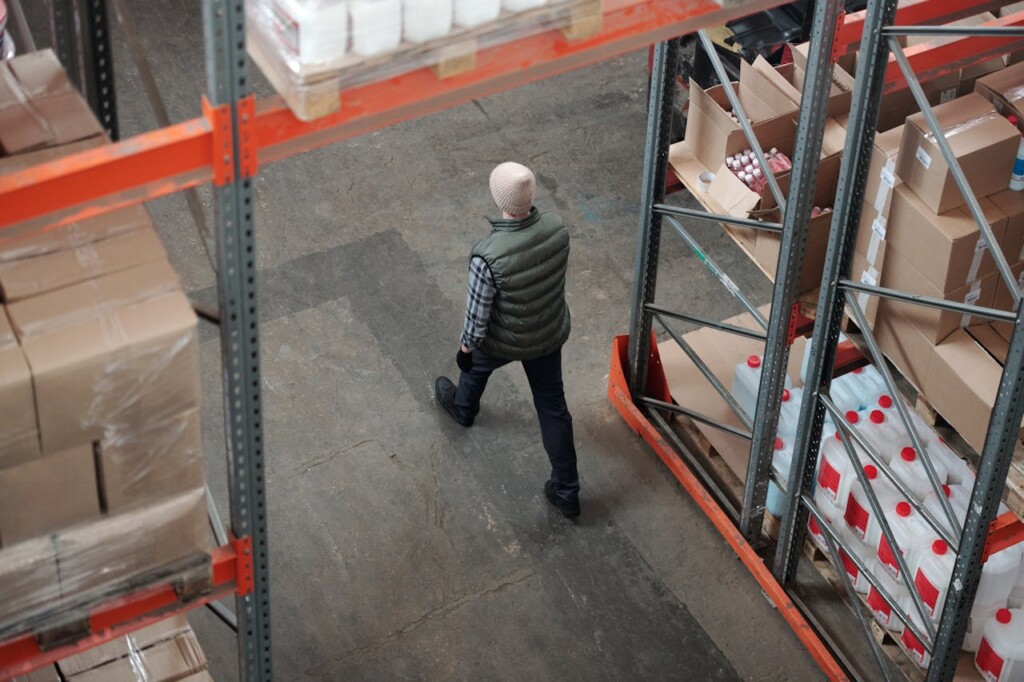
Warehouse floors benefit significantly from concrete polishing. The process transforms existing slabs into durable surfaces that support heavy equipment loads and frequent forklift traffic without requiring additional materials or extensive downtime.
New construction projects often incorporate polished concrete because contractors can work with fresh slabs to achieve optimal results. This sequencing allows for proper curing and surface preparation before the polishing process begins.
Grocery stores find polished concrete particularly suitable for back-of-house areas and loading docks. The seamless surface simplifies cleaning protocols while providing the strength needed for constant deliveries and inventory movement.
Environments Where Polished Concrete Falls Short
Dusty environments present serious challenges for polished concrete applications. Ceramic labs and powder-processing facilities create conditions where fine particles on smooth surfaces can become slip hazards, making slip-resistant coatings the safer choice.
Food and beverage processing facilities require nonporous surfaces that resist bacterial growth. These environments demand USDA-approved coatings rather than polished concrete, which cannot provide the level of impermeability needed for strict hygiene standards.
Chemical exposure represents another limitation for polished concrete floors. Oils, acids, and industrial chemicals can penetrate and discolor the surface over time, creating maintenance challenges and appearance issues.
Alternative Coating Systems for Challenging Conditions
Chemical-resistant applications call for epoxy systems that form protective barriers against spills and exposure. These coatings bond directly to concrete and provide superior chemical tolerance compared to polished surfaces.
Urethane coatings offer enhanced abrasion resistance and UV stability for spaces with extreme durability requirements. These systems work particularly well in manufacturing environments where chemical resistance and impact tolerance are both critical.
Specialized chemical-resistant systems address the most demanding industrial applications. These advanced coatings withstand aggressive chemicals, thermal cycling, and mechanical stress that would quickly damage polished concrete surfaces.
How Should You Choose Between Full Polishing And Budget-Friendly Alternatives?
A full polishing process involves multiple grinding stages with progressively finer diamond abrasives, producing high durability and a refined, mirror-like finish. This approach typically requires six to ten grinding steps, delivering exceptional surface density and longevity. We recommend full polishing when the project demands the highest performance standards and when the budget supports the comprehensive process.
Budget-friendly alternatives can still deliver strong results for many commercial spaces. A streamlined two-step polish reduces labor time while providing solid durability and a clean appearance. This approach works well for large spaces where cost per square foot matters most, or when the surface will see moderate traffic rather than heavy industrial use.
Decorative Options for Enhanced Branding
Stained concrete adds color and character to polished surfaces without significantly increasing costs. We can apply acid stains, water-based stains, or dyes before the final polishing stages to achieve specific color schemes that match your facility’s branding. Decorative scoring, saw cuts, or aggregate exposure can create patterns that enhance the visual impact of retail spaces, lobbies, or showrooms.
These decorative finishes work particularly well in environments where aesthetics drive the customer experience. The staining process integrates with the polishing stages, avoiding the need for separate coating applications that might complicate maintenance or reduce durability.
When Alternative Systems Make More Sense
Some performance requirements exceed what polished concrete can deliver, regardless of the grinding process used. Slip-resistance needs in areas with frequent water exposure call for textured coatings or slip-resistant systems. Chemical-resistance requirements in manufacturing or laboratory settings demand epoxy or urethane systems that can withstand specific exposures.
Strict hygiene requirements, particularly in food processing or healthcare facilities, often require USDA-approved coatings with seamless, non-porous surfaces. These environments need cleaning protocols and surface properties that polished concrete cannot match, even with the most comprehensive grinding and sealing process.
Aligning Scope with Project Realities
We evaluate space size against budget constraints to determine the most practical approach. Large warehouse areas might benefit from selective polishing in high-visibility zones while using basic concrete sealing in back areas. Traffic patterns help us identify where full polishing delivers the best return and where simplified processes meet functional needs.
Maintenance planning also factors into this decision. Full polishing requires less frequent touch-ups but demands a higher upfront investment. Two-step processes may need more regular maintenance but cost less initially. We help balance these considerations with your facility’s operational requirements and long-term budget planning.
Conclusion And Next Steps
Polished concrete provides high-gloss aesthetics, strong durability, and simplified maintenance by using your existing slab. The process is suitable for many commercial and industrial environments—from retail spaces to warehouses—and offers cost-effective performance and environmental benefits. However, facilities with significant chemical exposure, strict hygiene requirements, or specialized slip-resistance needs may be better served by targeted coating systems such as epoxy, urethane, or USDA-approved surfaces.
We recommend evaluating your specific traffic loads, chemical exposure risks, hygiene requirements, and budget constraints before deciding. Each facility has unique demands that determine whether polishing or alternative coatings will deliver optimal long-term performance. Factors such as maintenance capabilities, aesthetic goals, and operational schedules also play key roles in selecting the most suitable approach.
Ready to explore your options? Contact EB3 Construction to assess your facility and develop a flooring strategy aligned with your operational needs.