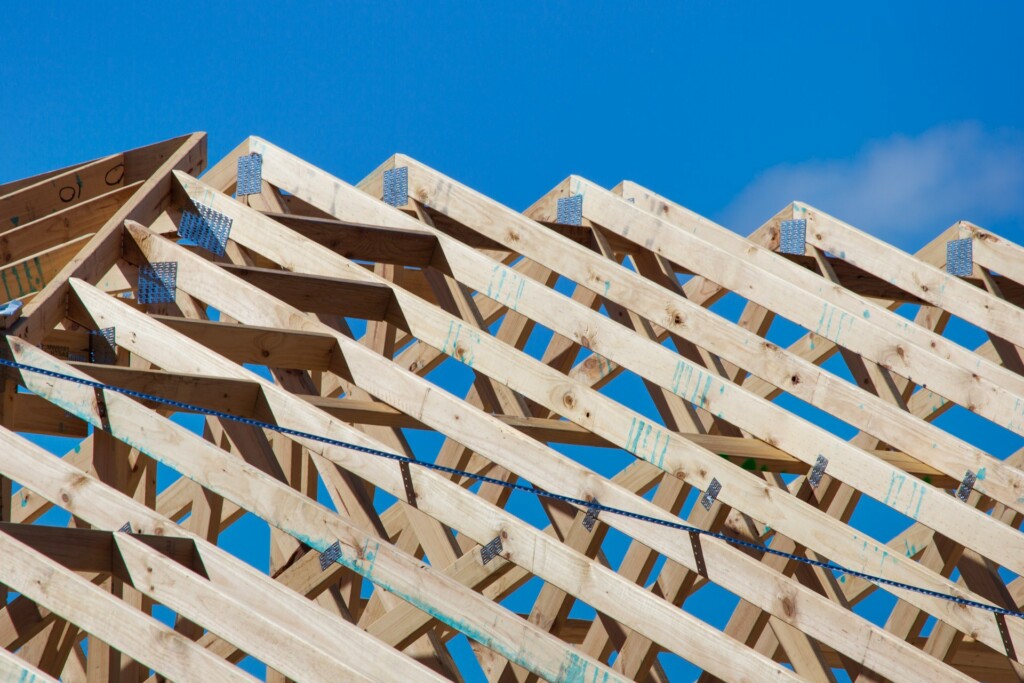
Mass timber commercial projects in Texas can slash construction emissions by 14% to 31% while storing carbon throughout a building’s lifespan. At least 134 mass timber projects across the state are completed or underway, signaling a clear shift toward sustainable building practices.
The momentum stems from developers and tenants seeking measurable ways to meet ESG goals and tenant wellness demands. Prefabricated timber components accelerate project delivery and improve cost control. East Texas’ 12 million acres of timberland provide a strong regional supply base, though teams currently source CLT from out-of-state manufacturers.
Which Texas Markets And Projects Show Momentum, And What Can We Learn?

Major Texas metros demonstrate strong mass timber viability through recently delivered projects, robust pre-leasing performance, and innovative design approaches. Each market contributes distinct lessons about tenant demand, construction feasibility, and performance outcomes.
DFW Leadership in Scale and Tenant Capture
The Offices at Southstone Yards in Frisco represents Texas’s largest mass timber office project, a seven-story, approximately 260,000-square-foot building completed in late 2024. Toyota Auto Finance signed a full-building lease in early 2025, demonstrating that major corporate tenants recognize mass timber’s value proposition. The project integrates exposed southern yellow pine with high ceilings and ample natural light, creating workplace environments that align with modern tenant expectations.
This scale shows mass timber can compete directly with conventional construction for large corporate requirements. The single-tenant capture validates that mass timber offerings can secure substantial lease commitments when positioned correctly in the market.
Austin’s Wellness-Focused Design Approach
T3 ATX Eastside delivers 93,000 square feet with targeted wellness features that differentiate it in Austin’s competitive office market. The project incorporates raised access floors for infrastructure flexibility, 20% higher fresh air intake than LEED minimums, and biophilic design principles throughout. Jupiter Power, specializing in battery energy storage systems, cited the building’s eco-friendly design as a key leasing factor for their 21,000-square-foot commitment.
Current occupancy is 43%, with major tenants including Jupiter Power and Onyx MP. The lesson here centers on positioning mass timber as a wellness-driven amenity that supports tenant recruitment, particularly for companies with sustainability mandates or employee attraction goals.
Houston’s Integrated Sustainability Strategy
One Bridgeland Green marks Houston’s first mass timber office, with 49,117 square feet scheduled for July 2025 delivery. The three-story development combines CLT and glulam with rainwater recycling systems, low-carbon concrete, and renewable energy integration targeting a 20% emissions reduction.
This project demonstrates how we can integrate mass timber with complementary sustainability systems to achieve measurable performance targets. The strong pre-leasing indicates Houston market acceptance when mass timber projects offer quantifiable environmental benefits alongside competitive lease terms.
San Antonio’s Hybrid Material Innovation
The Soto combines 168,000 square feet across six stories, using dowel-laminated timber with a full-depth brick facade, representing one of North America’s first projects to merge these materials. Completed in 2020, the building features an under-floor air distribution system that enhances energy efficiency and indoor air quality. Current occupancy is 91%, with tenants including Pabst, Argo Group, Marsh McLennan, and XPEL.
The hybrid approach shows we can address aesthetic concerns about exposed timber while maintaining structural benefits. The strong leasing performance over multiple years validates long-term tenant retention in mass timber environments.
Pipeline Projects and Market Expansion
Construction activity continues across Texas metros, with East Austin’s 48,000-square-foot Workbench project targeting January 2026 completion and currently 73% pre-leased to Dick Clark Associates and other tenants. Houston’s proposed Framework @ Block 10 would deliver 264,000 square feet targeting net-zero carbon emissions, while the Autry Park development includes a 121,000-square-foot CLT office within a larger mixed-use project.
These pipeline projects indicate sustained developer confidence and expanding project types, from standalone offices to integrated mixed-use developments. The progression in scale shows market maturity and growing risk tolerance.
Industrial Applications Signal Broader Adoption
Beyond office development, mass timber’s expansion into industrial applications demonstrates construction versatility and environmental impact potential. The Southfield Park 35 Building 4 project in Dallas utilized CLT and MegaSlab technology across 160,475 square feet, achieving a more than 43% reduction in carbon footprint compared to conventional warehouse construction. Completed in 2022 and fully leased to Serta, this pioneering project shows mass timber’s applicability to logistics and distribution facilities.
This industrial success suggests we can apply mass timber strategies across broader project types, particularly where sustainability metrics influence tenant selection or regulatory compliance. The carbon reduction achievement provides quantifiable environmental benefits that support ESG positioning for both developers and occupants.
What Codes, Supply, And Risk Items Should Texas Teams Plan For?
Mass timber projects in Texas must address specific regulatory frameworks, supply chain considerations, and risk management protocols that differ from conventional construction. Teams planning mass timber commercial developments need clarity on code compliance pathways, material sourcing strategies, and specialized risk mitigation measures.
Current Texas Code Environment
Texas’ mandatory building codes for industrialized housing and buildings—including modules and modular components—were updated effective July 1, 2024. The current framework requires compliance with the 2021 editions of the International Building Code (IBC), International Residential Code (IRC), International Fuel Gas Code (IFGC), International Mechanical Code (IMC), International Plumbing Code (IPC), and International Existing Building Code (IEBC). Projects must also meet the 2015 International Energy Conservation Code (IECC) and the 2020 National Electrical Code (NEC).
Construction teams working on projects that began before July 1, 2024, may qualify for limited exceptions based on plan-approval timing and transition dates. To remain eligible, these projects must be completed, inspected by Texas-approved third-party inspectors, and permanently labeled by December 31, 2024. Projects starting after the effective date must demonstrate full compliance with the updated code editions throughout design and construction.
The 2021 and 2024 IBC editions include expanded provisions for tall mass timber construction through Type IV-A, IV-B, and IV-C classifications. The 2024 IBC allows 100% exposure of mass timber ceilings and integral beams in Type IV-B construction, compared with a 20% limit in the 2021 edition. These allowances create opportunities for exposed timber aesthetics while maintaining fire-safety requirements.
Texas CLT Supply Chain Challenges
Texas currently lacks in-state cross-laminated timber (CLT) manufacturing, requiring project teams to source materials from out-of-state producers. This reality affects logistics planning, transportation costs, and delivery schedules for mass timber projects across the state. East Texas provides substantial raw material support through 12 million acres of timberland, but the absence of local CLT production creates dependencies on distant manufacturing facilities.
Teams coordinating mass timber procurement should account for extended lead times, specialized transportation, and potential weather-related delays during delivery. Establishing a Texas CLT manufacturing facility could accelerate adoption and reduce logistical complexity for future projects. Current sourcing patterns require coordination with producers in other states and careful scheduling to align deliveries with construction sequences.
Risk Management And Specialized Support
Mass timber construction requires specialized expertise in areas including installer training, fire-design compliance, and moisture management during construction. Industry organizations provide resources for construction teams seeking competencies in installation techniques, structural connection details, and enclosure performance standards. Early engagement with these programs helps ensure proper practices and code compliance.
Fire-design compliance for mass timber projects involves engineering approaches that differ from conventional steel and concrete structures. Teams need specialists familiar with mass timber fire-resistance calculations, char-rate analysis, and protection system design. Insurance considerations for mass timber projects often require early coordination with carriers experienced in engineered wood construction to establish appropriate coverage frameworks.
Moisture management during construction presents unique challenges, requiring protection protocols for CLT panels and glulam members throughout the building process. Construction teams implement temporary weather protection, moisture monitoring systems, and material-handling procedures to maintain timber quality and structural performance. These protocols require coordination among general contractors, timber suppliers, and specialty installers to ensure proper material conditions throughout construction sequences.
How Can Owners And Tenants Capture Value From Mass Timber In Texas?
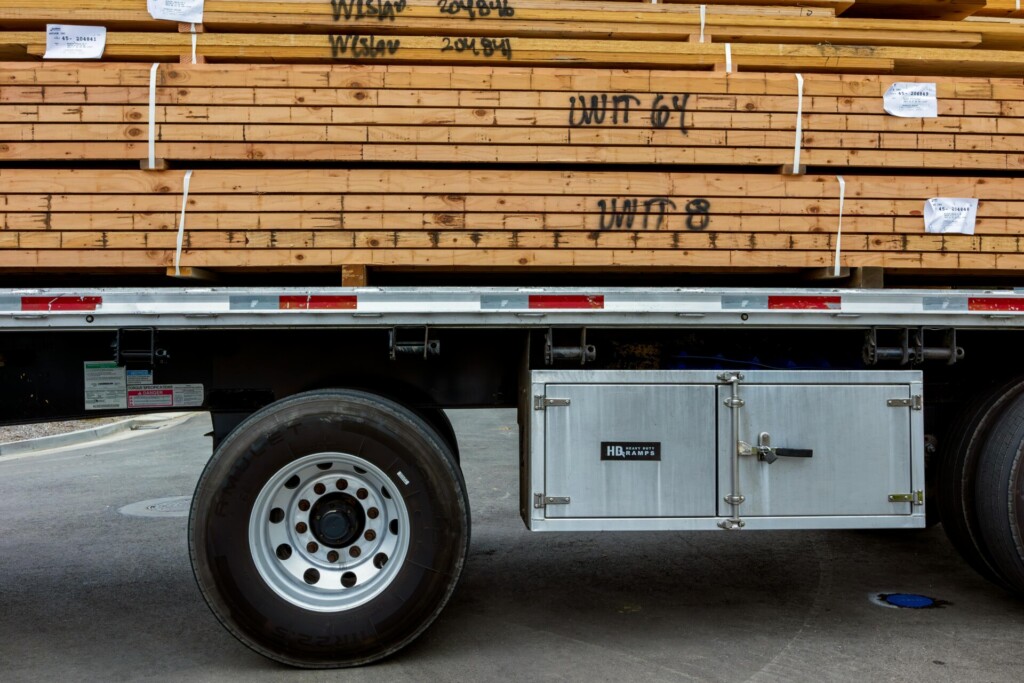
The move to mass timber construction in Texas requires strategic planning across several dimensions. We position projects for ESG alignment, secure tenant interest through demonstrable wellness benefits, and execute delivery strategies that capitalize on prefabrication.
ESG Positioning and Carbon Storage
Mass timber projects deliver measurable ESG outcomes through carbon sequestration and emissions reduction. Each cubic meter of mass timber locks in approximately one ton of CO2, providing carbon storage for the building’s lifespan. This storage can reduce project-level carbon footprints by roughly 14% to 31% compared with conventional construction.
Corporate tenants increasingly evaluate real estate decisions through ESG criteria, especially those with sustainability reporting requirements or government contracts.
Marketability and Tenant Wellness
Texas mass timber projects consistently demonstrate strong pre-leasing performance and tenant retention. The T3 Austin Eastside project, for example, achieved significant pre-leasing with tenants specifically citing the building’s eco-friendly design as a decision factor. Similar patterns appear across Houston and San Antonio projects, where wellness-focused features drive leasing velocity.
Biophilic interiors created by exposed mass timber structures support occupant well-being through improved air quality and the presence of natural materials. We coordinate these wellness features with enhanced fresh air intake systems, often 20% above LEED requirements, and raised access flooring for improved environmental control. These features create differentiated office environments that help attract and retain high-quality tenants.
The aesthetic appeal of exposed timber structures allows building owners to reduce interior finish costs while creating visually distinctive spaces. This combination of cost reduction and tenant appeal strengthens both project economics and marketability.
Prefabrication and Logistics Coordination
Prefabricated timber components reduce on-site construction time by up to 25%, translating into lower carrying costs and earlier occupancy. We leverage this advantage by coordinating fabrication schedules with delivery logistics, especially when sourcing CLT from out-of-state suppliers.
Supply chain planning becomes critical given Texas’s current lack of in-state CLT manufacturing. We work with project teams to establish procurement timelines that account for manufacturing lead times, shipping schedules, and delivery coordination. Early supplier engagement allows for better cost control and delivery certainty.
The precision of prefabricated components enables faster installation of mechanical, electrical, and plumbing systems because these can be fully coordinated during the design phase. This coordination reduces field conflicts and accelerates the overall construction schedule.
Design Coordination and Risk Management
We evaluate enclosure continuity early in the design process to ensure proper integration between the mass timber structure and building envelope systems. This evaluation addresses thermal bridging, air sealing, and moisture management at critical interfaces.
Fire design requirements warrant particular attention, as mass timber projects must demonstrate compliance with applicable building codes and fire-resistance ratings. We coordinate with fire protection engineers and local officials to establish clear compliance pathways and secure necessary approvals.
Moisture management during construction requires specific protocols to protect timber components from prolonged exposure. We develop moisture protection plans that include temporary covering systems, site drainage, and construction sequencing to minimize exposure risks.
Strategic Partnerships and Regional Resources
Texas’s 12 million acres of East Texas timberland create opportunities for regional supply chain development. We connect with forestry organizations and educational institutions such as the Texas A&M Forest Service to support sustainable sourcing practices and build regional supply chains.
Regional partnerships also extend to construction training resources, as mass timber installation requires specialized knowledge. We coordinate with industry training programs to ensure project teams have access to qualified installers and construction management expertise.
These partnerships support long-term market development, as increased regional expertise and supply chain capacity will improve future project economics and delivery capabilities.
Conclusion and Next Steps
Mass timber construction across Texas has moved from experimental to proven, with measurable results backing its momentum in office and industrial applications. A documented 14–31% reduction in emissions, combined with carbon storage benefits and enhanced tenant wellness features, creates a compelling value proposition for developers and occupants alike. Strong leasing performance in major Texas metros demonstrates market acceptance, and the expansion into industrial applications signals broader adoption potential.
Success in mass timber projects requires early planning around three critical areas. Teams must navigate the current code environment by understanding the 2021 IBC requirements and fire design compliance pathways. Given Texas’s lack of in-state CLT manufacturing, procurement logistics demand early supplier engagement and delivery coordination from out-of-state sources. Additionally, securing appropriate insurance coverage and establishing fire design protocols should begin during the design phase, not after material selection.
Ready to explore mass timber for your next Texas project? Contact EB3 Construction to discuss how we can help navigate the design–manufacture–install sequence for your development.