A 29,504-square-foot warehouse in Fort Stockton is under construction management. The Better Business Bureau lists 43 commercial contractors serving the Fort Stockton area, many of them based in Odessa and Midland. Digital project platforms show active contractor profiles with a clear market focus.
Local commercial sites include a modern car wash and large metal buildings with distinctive roofing systems. We see steady activity across commercial, industrial and energy, and residential sectors that define the West Texas market.
What Project Types Are Common Around Fort Stockton?
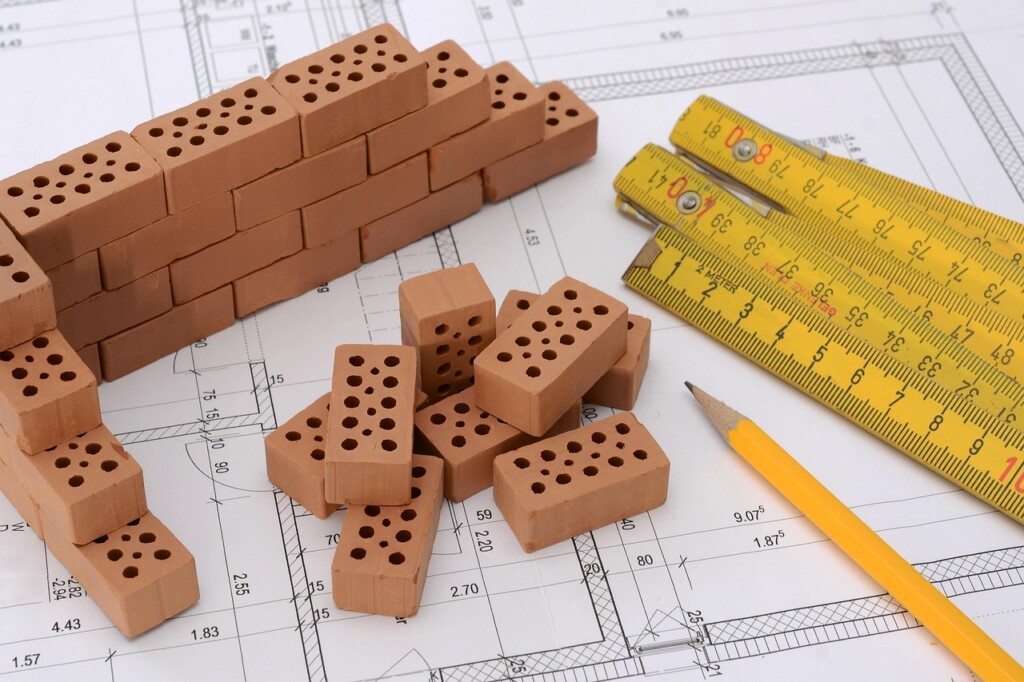
A construction-managed warehouse spanning 29,504 square feet illustrates the scale of commercial projects taking shape in Fort Stockton. This facility reflects the practical, function-driven development that characterizes the local market.
Local projects include a modern car wash facility alongside expansive metal-roofed commercial buildings. These structures highlight the service-oriented focus of Fort Stockton’s commercial construction landscape.
Primary Construction Sectors
Warehouse construction dominates the logistics and distribution segment. Metal buildings serve multiple functions, from retail services to light industrial applications.
Car wash construction illustrates growth in the service sector. These facilities require specialized drainage, utility coordination, and equipment foundations, which we coordinate through established trade networks.
Market Sector Distribution
Commercial projects encompass retail services and office spaces that support the regional economy. Industrial and energy-sector work aligns with Fort Stockton’s position along West Texas energy corridors.
Residential construction rounds out the market mix, though commercial and industrial work drives much of the activity. This mix creates steady demand across multiple construction disciplines.
Metal building formats are common across all sectors. These structures offer cost-effective solutions for warehouse space, service facilities, and light industrial operations that shape Fort Stockton’s development patterns.
Which Services And Trades Does A Commercial Builder Coordinate Here?
We operate as both a general contractor and a specialty contractor in Fort Stockton’s diverse market. This dual role allows us to handle complete project delivery or focus on specific trade specialties. The area supports commercial, industrial and energy, as well as residential sectors, creating opportunities across multiple building types.
Site Preparation And Foundation Work
Local projects start with earthwork and site preparation. Demolition services clear existing structures when needed. We coordinate excavation, grading, and utility installation to establish proper site conditions.
Concrete work forms the foundation of most commercial builds. This includes footings, slabs, and structural elements. Proper concrete placement and finishing ensure lasting performance for warehouses and metal buildings common in the region.
Structural Systems And Building Envelope
Masonry work supports both structural and aesthetic requirements. Stone and block construction provide durability for industrial applications. Structural steel erection creates the framework for large-span buildings, such as the locally noted 29,504-square-foot warehouse.
These trades work together to create strong building shells. Steel framing supports metal roof systems popular in Fort Stockton. This combination handles wind loads and the spans required for commercial and industrial uses.
Building Systems And Interior Finishes
Electrical contractors install power distribution, lighting, and control systems. Modern commercial buildings require complex electrical designs. Car wash facilities need specialized electrical work for equipment and safety systems.
Flooring specialists handle surface materials from concrete polishing to specialized coatings. Industrial floors require different approaches than retail spaces. Each application demands specific materials and installation methods.
Design Integration And Project Management
Design and engineering services coordinate all trades from the outset. We ensure proper sequencing and quality control throughout construction. Project management keeps schedules aligned and resolves conflicts between trades.
Landscaping completes the exterior environment. This includes drainage, plantings, and hardscape elements. Proper site finishing enhances property value and meets local requirements.
How Can Owners Vet And Select A Builder In Fort Stockton?

Finding the right commercial builder requires a systematic approach to verify credentials and match capabilities to your project requirements. We recommend starting with trusted public directories and following a structured evaluation process.
Start with the BBB Directory
Many contractors serve the Fort Stockton area from Odessa, Midland, and surrounding cities. Check each contractor’s BBB accreditation status first.
Look for category alignment with your project type. Metal building contractors are a good fit for industrial projects, while concrete specialists handle foundation-heavy work. BBB ratings range from A+ to F, with accredited businesses meeting higher standards.
Review Digital Project Profiles
Modern contractors maintain digital profiles on project management platforms. These profiles reveal active project counts, average project size, and operational history. We maintain a profile showing 1 total project, 1 active project, and an average project size of $6,500,000, with activity beginning in March 2024.
Compare these indicators to your project scope. The 29,504-square-foot warehouse represents a typical local project size. Contractors handling projects of similar scale demonstrate relevant experience for warehouse and industrial builds.
Match Market Sectors to Your Project Type
Verify that contractors work in your market sector. Local builders often operate across commercial, industrial/energy, and residential sectors. We coordinate projects across all three sectors, allowing us to handle diverse project types from retail services to energy infrastructure.
Confirm the builder coordinates the trades you need. Essential trades include earthwork, concrete, structural steel, and electrical work. Builders should demonstrate active coordination across these specialties for comprehensive project delivery.
What Tools And Processes Support Delivery In This Market?
Project management platforms provide a digital foundation for coordinating Fort Stockton’s construction projects. These systems centralize workflows for scheduling, document control, and budget tracking across the diverse trades working on warehouses, car washes, and metal buildings throughout the region.
Construction management software enables real-time coordination between earthwork crews preparing sites and structural steel teams erecting frameworks. Digital platforms help plan, execute, and manage construction projects by centralizing access to project timelines, material deliveries, and trade schedules. We use these tools to maintain cost visibility as concrete pours transition to electrical installations and flooring systems near completion.
Document Control Systems
Document management capabilities keep project drawings, permits, and specifications accessible to all trades. Field teams can pull current blueprints for the 29,504-square-foot warehouse or updated plans for car wash construction without delays from outdated paperwork. Version control ensures that structural steel fabricators work from the same drawings as the concrete crews who poured foundations weeks earlier.
These systems store contracts, change orders, and compliance documentation in centralized hubs. When issues arise on metal building projects, we can quickly reference approved specifications and track modifications through the approval process. This organized approach reduces conflicts between trades and accelerates problem resolution.
Budget Tracking and Cost Visibility
Real-time budget tracking tools provide immediate visibility into project costs as they develop. We monitor expenses across earthwork, structural components, and finishing trades to identify potential overruns before they affect project completion. Construction management platforms integrate cost data with scheduling information, allowing us to adjust resources when material prices fluctuate or weather delays shift timelines.
These financial tools generate reports that compare committed costs with actual expenses for each trade. Project stakeholders can review budget performance for concrete work while planning electrical and flooring installations. This integrated approach keeps Fort Stockton projects aligned with their financial targets throughout construction.
Conclusion and Next Steps

Fort Stockton demonstrates consistent commercial construction activity across multiple project types. We see evidence ranging from a documented 29,504-square-foot warehouse project to service-oriented facilities such as a modern car wash. Commercial builders in the area coordinate essential trades—including earthwork, concrete, masonry, structural steel, and electrical systems—across the commercial, industrial/energy, and residential sectors.
Property owners should start with the BBB directory, which lists 43 commercial contractors serving Fort Stockton, including firms from nearby cities such as Odessa and Midland. We recommend evaluating contractors based on their digital project management capabilities, alignment with your average project size, and sector experience. Define your specific trade requirements and project scope first, then match them against each builder’s demonstrated capabilities and active project indicators.
Ready to move forward with your Fort Stockton commercial project? Contact EB3 Construction to discuss how we coordinate trades and manage construction delivery in your market.