
Retail brands expanding across Texas face unique construction demands requiring specialized expertise. A Rapid Retail Rollout Contractor in Texas delivers fast-track retail construction and coordinated multi-site build programs designed to meet aggressive opening schedules while maintaining brand consistency.
We work with owners, developers, and brand groups to align project benchmarks with specific objectives, budgets, and schedules. Our approach prioritizes clear communication throughout every phase while we manage the complex logistics of multi-location rollouts across the state.
Which Services Enable Rapid Retail Rollouts In Texas?

We offer comprehensive retail construction services that support quick, consistent delivery across multiple project types. Our scope covers everything from initial site development to final merchandising installs.
Construction and Site Development Services
Ground-up retail construction underpins our rapid rollout capabilities. We handle site work, core and shell construction, and full interior fit-out for new retail locations. This integrated approach closes coordination gaps between trades and accelerates project schedules.
Interior build-outs receive customized treatment based on brand specifications. We work with established fixture packages and approved materials lists to maintain consistency across locations. Tenant improvements cover the full cycle from permits through punch list completion, ensuring code compliance and operational readiness.
Renovation and Refresh Services
Storefront renovations and refreshes support brand updates without extended closures. We coordinate fast-track renovations that enhance curb appeal while maintaining customer access. Open-store remodels require careful sequencing to protect public paths and limit operational disruption.
Retail resets and remodels transform existing spaces for new merchandise layouts or brand standards. These projects often involve fixture relocation, updated lighting systems, and revised traffic patterns. Multi-location rollouts leverage standardized processes and proven vendor relationships for consistent results.
Specialized Installation Services
New retail store setup includes complete installations from flooring through lighting systems. We coordinate merchandising installations, planogramming services, and point-of-purchase display installs to meet opening schedules. These services ensure stores open with full visual merchandising in place.
Equipment installations cover gondola systems, pallet rack configurations, and cantilever system setups. Carousel and vertical carousel installations require precise coordination with mechanical and electrical trades. We also handle teardowns, safety inspections, and retail store relocations when businesses need to move or consolidate.
Each service connects to our overall project management system, enabling real-time tracking and proactive issue resolution. This coordination supports the rapid timelines retail rollouts demand while upholding quality standards throughout the construction process.
How Does EB3 Construction Accelerate Speed To Market Without Sacrificing Quality?
We increase speed to market through integrated lean construction methods that streamline workflow and eliminate delays. Our approach combines systematic preconstruction planning with digital coordination tools to compress schedules while maintaining consistent quality standards. This methodology reduces project risk and operational disruption through proactive constraint management.
Lean Construction and Constraint Tracking
Lean construction principles drive our rapid delivery capability by eliminating waste and optimizing workflow across all project phases. We implement the Last Planner System to engage trade contractors in weekly work planning sessions. This collaborative approach identifies constraints before they impact progress and creates reliable work commitments from all project participants.
Constraint tracking operates through the systematic identification and removal of obstacles that could delay construction activities. We monitor permit approvals, material deliveries, trade availability, and site access requirements throughout the project timeline. Early constraint identification allows us to implement workarounds and maintain project momentum even when individual issues arise.
Frequent communication protocols ensure all team members stay aligned on current priorities and upcoming activities. Daily huddles with trade foremen address immediate issues, while weekly coordination meetings focus on longer-term planning and resource allocation. This cadence prevents small problems from escalating into schedule delays.
In-Depth Preconstruction Planning
Our preconstruction process aligns scope, budget, and sequencing before mobilization begins. We conduct comprehensive constructability reviews that examine design intent against field realities and installation requirements. These reviews identify potential conflicts, access issues, and sequencing challenges that could impact delivery speed.
Schedule optimization occurs during preconstruction through detailed activity sequencing and resource leveling. We develop work packages that balance crew productivity with quality requirements while minimizing trade conflicts. This front-loaded planning investment prevents costly delays and rework during construction.
Budget alignment ensures financial parameters support rapid delivery goals without compromising quality standards. We validate cost estimates against current market conditions and adjust resource allocation to maintain schedule targets. Early budget clarity enables faster decision-making throughout construction.
BIM Coordination and Digital Integration
Building Information Modeling resolves spatial conflicts and system integration issues before field work begins. We coordinate architectural, structural, and MEP systems digitally to prevent installation conflicts that typically cause delays and rework. This virtual coordination significantly reduces change orders and field modifications.
Digital clash detection identifies interference points between building systems during design. We work with design teams to resolve these conflicts through model coordination rather than field troubleshooting. This proactive approach eliminates the delays associated with discovering conflicts during construction.
Cloud-based field information systems provide real-time access to project documents, drawings, and specifications from any location. Field teams can access the latest information immediately without waiting for document distribution or traveling to project trailers. This instant access reduces downtime and supports faster decision-making at the point of installation.
Document Control and Quality Maintenance
Systematic document control ensures all project participants work from the latest information throughout the construction process. We maintain centralized databases that distribute updates automatically to authorized team members. This approach prevents errors caused by outdated drawings or specifications while supporting rapid project progression.
Quality standards remain consistent through standardized inspection protocols and real-time monitoring systems. Digital quality tracking documents compliance with specifications and brand standards without slowing construction progress. These systems identify issues immediately for prompt correction rather than discovering problems during final inspections.
Mobile reporting capabilities enable field personnel to document progress, quality observations, and safety conditions in real-time. This immediate documentation supports faster problem resolution and maintains project transparency for all stakeholders. The resulting data visibility accelerates decision-making and reduces administrative delays that can impact schedule performance.
What Retail Project Types In Texas Benefit Most From Rapid Rollouts?
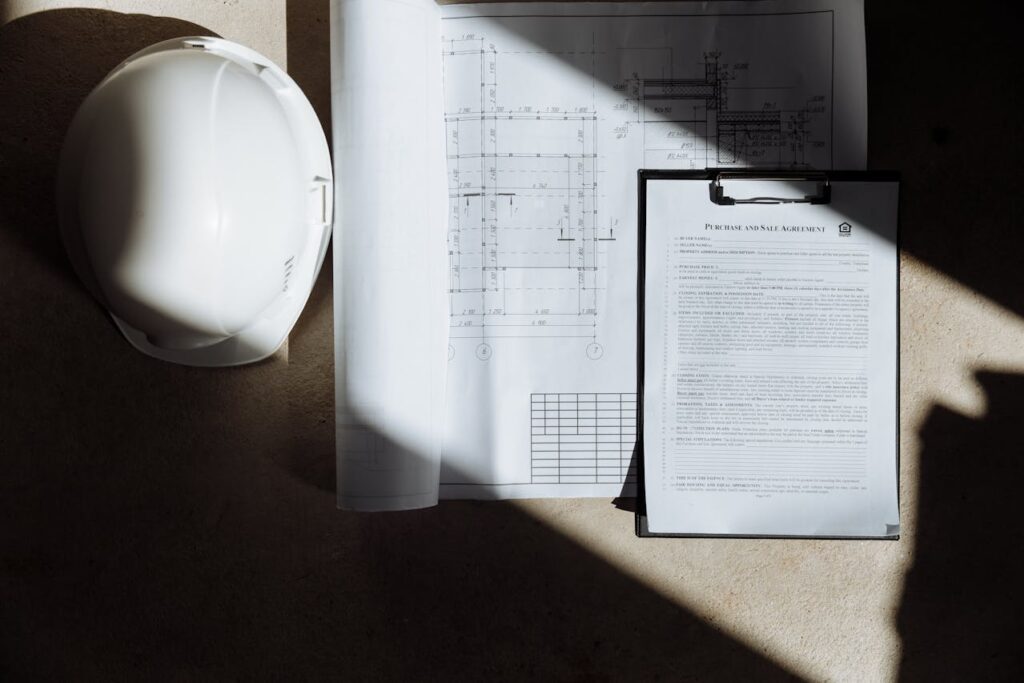
Different retail formats across Texas capitalize on rapid rollout advantages in distinct ways. Shopping centers benefit from coordinated tenant build-outs that maintain consistent design standards while accommodating multiple brands under one roof. Malls leverage rapid construction for anchor tenant installations and interior space conversions that keep foot traffic flowing during construction.
Restaurants, cafes, and food halls represent another strong category for rapid rollouts. These projects typically require standardized kitchen layouts, point-of-sale integrations, and dining area configurations that can be replicated efficiently across locations. Food-service establishments particularly benefit from streamlined permitting processes that address health department requirements and ADA compliance in a coordinated way.
Franchise Build-Outs and Brand Consistency
Franchise rollouts across Texas markets benefit significantly from rapid construction approaches. National chains expanding throughout Houston, Dallas–Fort Worth, Austin, and San Antonio rely on consistent brand standards that translate directly into construction specifications. Standardized fixture packages, signage requirements, and interior finishes allow us to develop repeatable processes that reduce timelines and costs.
Boutiques and flagship retail locations benefit from rapid rollouts when expanding into multiple Texas markets simultaneously. These projects often require specialized millwork, custom lighting packages, and branded environmental graphics that can be coordinated across sites. The ability to manage multiple locations through a single construction team ensures brand consistency while maintaining the unique character each location requires.
Financial and Commercial Retail Spaces
Banks and financial retail spaces throughout Texas are well-suited to rapid rollout construction. Security requirements, technology infrastructure, and regulatory compliance needs make these projects ideal candidates for standardized approaches. Drive-through configurations, vault installations, and specialized HVAC systems can be coordinated efficiently when managed through experienced rapid rollout processes.
These financial institutions often require quick market entry to capitalize on demographic shifts and competitive positioning. Texas markets like San Antonio, which has seen significant retail construction activity with 1.7 million square feet under construction, create opportunities for financial service providers to establish footholds rapidly.
Grocery Conversions and Shell Spaces
Grocery conversions represent a growing segment in Texas retail construction, particularly as established chains like H-E-B expand market share while newcomers such as Sprouts backfill available spaces. These projects benefit from rapid rollout approaches because existing infrastructure often provides structural foundations, utility connections, and parking configurations that can be adapted efficiently.
Retail shell spaces offer similar advantages for rapid rollout approaches. Pre-existing core and shell buildings allow construction teams to focus on interior build-outs, mechanical systems, and specialized fixtures without ground-up site development. This format works particularly well for tenant improvements where landlords seek to minimize vacancy periods while delivering spaces that meet specific retailer requirements.
Renovations and Facility Additions
Existing retail facilities throughout Texas frequently require renovations and additions to accommodate growth or format changes. These projects benefit from rapid rollout methodologies because phased construction approaches allow businesses to maintain operations while expanding footprints. Coordinated fixture and merchandising installations become critical when managing live retail environments.
Facility upgrades often involve ADA compliance improvements, technology infrastructure updates, and energy efficiency modifications that can be standardized across multiple locations. The ability to sequence these improvements through coordinated teams minimizes disruption while ensuring consistent quality standards across all locations.
How Are Safety And Open-Store Remodels Managed To Limit Disruption?
Our approach to safety and operational continuity during open-store remodels centers on comprehensive training and strategic project phasing. Every worker receives OSHA training and site-specific orientation that addresses the unique challenges of working in active retail environments, including heat-stress compliance. These measures protect both our crews and customers while preserving the professional standards retail operations require.
Safety inspections are a critical part of our rollout planning process. We schedule them at set intervals throughout each project phase, ensuring compliance with federal standards while adapting to the specific requirements of active retail spaces. This systematic approach helps us identify potential issues before they affect safety or store operations.
Phased Construction Approach
We sequence open-store remodels to minimize disruption through careful project phasing. Each phase targets specific areas while maintaining clear pathways for customer traffic and essential store functions. This method allows retail operations to continue without significant interruption to sales or the customer experience.
Off-hours scheduling plays a key role in reducing disruption during peak shopping times. By concentrating noisy activities such as demolition and major installations in the evening or early morning, we preserve the shopping environment during business hours. This approach requires precise coordination but delivers substantial benefits for customer satisfaction and sales continuity.
Public Protection Measures
Protected public paths are a fundamental safety requirement in active retail environments. We establish secure walkways using temporary barriers and clear signage to guide customers safely around work areas. These pathways maintain accessibility to essential store sections while preventing unauthorized access to construction zones.
Our teams implement dust-control measures and noise-reduction techniques designed for occupied spaces. Air filtration systems and sound-dampening materials help preserve air quality and reduce noise levels that could otherwise disrupt the shopping experience. These measures demonstrate our commitment to maintaining a professional retail environment throughout the construction process.
Regular communication with store management ensures operational concerns receive prompt attention. We provide daily updates on work progress and schedule adjustments, allowing store managers to plan around construction activities. This collaborative approach helps maintain project momentum while supporting the store’s business objectives.
Conclusion and Next Steps

Successful rapid retail rollouts in Texas depend on clear brand standards, lean construction methods, and coordinated services from initial site work to final merchandising installation. We approach each multi-site program with systematic preconstruction planning that identifies potential constraints before they affect project timelines. Using BIM in preconstruction helps us resolve design conflicts and optimize sequencing while maintaining the quality standards retail brands require.
Our safety-focused execution minimizes disruption during open-store remodels and protects both customers and construction teams throughout phased construction. Whether managing new store builds, tenant improvements, or complete retail resets, we coordinate fixture packages and merchandising installations to shorten time to market without compromising operational efficiency. Removing constraints early and aligning schedules provide the foundation for successful multi-location rollouts across Texas markets.
Contact EB3 Construction to discuss your retail rollout timeline and coordinate preconstruction planning for your next multi-site program.