
Finding a reliable general contractor in North Richland Hills, TX, means connecting with professionals who understand the unique construction demands across the Dallas–Fort Worth Metroplex. Property owners here face specific challenges, from expansive clay soils that affect foundations to extreme weather that impacts project scheduling and material selection.
The local market offers an extensive range of services spanning kitchen and bathroom remodeling, flooring, painting, custom homes, additions, and specialized work like home restoration and drywall installation throughout Tarrant County. We’ll outline the essential steps to understand contractor roles, evaluate pricing structures, and hire with confidence for your next project.
What Does A General Contractor Do On Your Project?

We serve as the central coordination point for your residential remodeling or new construction project. Our role spans three critical phases: initial planning and estimating, active construction management, and final project completion. This comprehensive approach turns your vision into reality while maintaining strict adherence to building codes and quality standards.
At EB3 Construction, we begin every project with a detailed scope assessment and cost estimate. This process involves analyzing architectural plans, evaluating site conditions, and determining material requirements. We then develop comprehensive project timelines that account for permit approval periods, material delivery schedules, and coordination among multiple trades. Our experience with local building departments in the Dallas–Fort Worth area streamlines this planning phase.
Project Management and Subcontractor Coordination
We manage all aspects of construction through systematic coordination of specialized subcontractors. Each project requires multiple trades working in precise sequence. For example, HVAC installation comes before drywall, electrical rough-in precedes insulation, and plumbing rough-in aligns with framing completion. We maintain these schedules while ensuring each subcontractor meets our quality standards.
Our project management approach includes daily site supervision and regular quality inspections. We track material deliveries to prevent delays and coordinate with utility companies for service connections when required. This oversight helps avoid common issues such as scheduling conflicts between trades or material shortages that can derail timelines.
We also handle all purchasing for materials, tools, and equipment—from lumber and concrete to specialized fixtures and appliances. Our established relationships with suppliers in Tarrant County often result in better pricing and priority delivery for our clients.
Code Compliance and Permit Management
Building code compliance is a fundamental responsibility we manage throughout construction. We ensure all work meets current International Building Code requirements as adopted by local municipalities. This includes structural modifications, electrical installations, plumbing systems, and HVAC equipment.
We handle permit applications and coordinate required inspections with local building departments. These inspections occur at critical milestones, including foundation completion, framing, electrical and plumbing rough-in, insulation, and the final inspection. Our familiarity with local inspection requirements helps prevent failed inspections that can delay project completion.
We also maintain detailed documentation of all code-related decisions and modifications. When field conditions require design changes, we coordinate with architects and engineers to ensure those modifications maintain structural integrity and code compliance. This documentation is essential during final inspections and for future reference.
Financial Management and Payment Processing
We manage all financial transactions related to your project, including subcontractor payments, material purchases, and permit fees. This centralized approach simplifies your involvement while ensuring all parties receive timely payments according to established schedules. We maintain detailed records of all expenditures and provide regular budget updates throughout construction.
Our payment management includes processing lien waivers from subcontractors and suppliers. These documents protect your property from potential liens while ensuring all parties fulfill their contractual obligations. We coordinate these steps to maintain smooth cash flow while protecting your interests.
Common residential remodeling projects we manage in North Richland Hills include comprehensive kitchen renovations, bathroom remodels, basement finishing, and whole-house renovations. New construction projects range from custom single-family homes to additions, garage construction, and accessory dwelling units. Each project type requires specialized knowledge of local building requirements and coordination strategies.
How Do General Contractor Fees Work In North Richland Hills?
General contractor fees in North Richland Hills typically range from 10% to 20% of the total construction cost. This percentage covers project management, coordination, overhead, and profit built into the overall bid.
Most contractors in North Richland Hills use a cost-plus model, where you pay for actual construction costs plus their markup. The contractor purchases materials, hires subcontractors, and manages permit fees, then bills you according to the terms of your agreement.
Some projects may use a flat-fee structure instead, particularly for well-defined scopes such as kitchen remodels or bathroom renovations. Hourly billing remains uncommon for full construction projects, though contractors may charge $50 to $150 per hour for consultations or small repair work.
Understanding Cost-Plus vs. Fixed-Price Models
Cost-plus agreements provide transparency into actual project expenses. You see itemized invoices for materials, subcontractor costs, and permit fees. This model works well when the scope might change or when material pricing fluctuates during construction.
Fixed-price contracts lock in your total cost upfront, providing budget certainty. The contractor absorbs any cost overruns but also keeps savings from efficient execution. This approach is often recommended for projects with clearly defined parameters.
Payment Schedule Best Practices
Avoid contractors who demand large upfront payments; initial deposits typically range from 10% to 25% of the total project cost. Reputable contractors structure payments around completed milestones rather than calendar dates.
A typical payment schedule ties disbursements to verified progress, such as foundation completion, framing, or final inspection. This protects your investment and helps ensure work stays on track. Never pay more than the value of completed work plus reasonable material deposits.
Request an itemized contract detailing when payments are triggered and which deliverables must be complete before each draw. This transparency helps prevent disputes and keeps both parties accountable throughout the construction process.
How Do You Vet And Hire The Right Contractor?
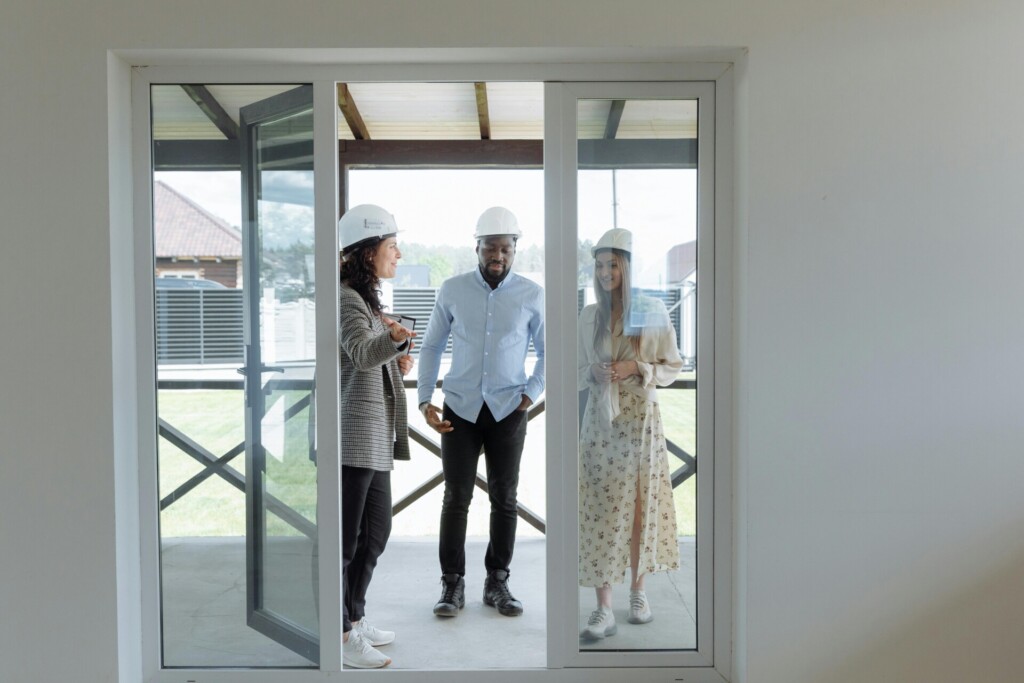
Selecting the right general contractor requires systematic verification of credentials and capabilities. We recommend a structured approach that protects your investment and timeline and ensures you work with qualified professionals.
Gather Multiple Written Estimates And Portfolios
Start by collecting at least three detailed written estimates from different contractors. Each estimate should break down labor, materials, permits, and timeline specifics rather than providing a single lump-sum figure. Request to see portfolios of similar projects completed in the Dallas–Fort Worth area.
Ask contractors to walk you through previous work that matches your project scope. A kitchen remodeling contractor should show completed kitchens with similar square footage and complexity. New-construction specialists should demonstrate experience with home additions or custom builds in Tarrant County.
Verify Insurance Coverage And Bonding
Confirm that each contractor carries current general liability insurance, typically with coverage limits of at least $1 million. Request certificates of insurance directly from their insurer rather than accepting photocopied documents. Workers’ compensation coverage protects you from liability if crew members are injured on your property.
Some contractors also carry bonds, which provide additional financial protection if they fail to complete work or pay subcontractors. Bond coverage varies by contractor size and project scope, but larger renovation projects often benefit from this extra layer of security.
Check References And Review Platforms
Contact at least three recent clients who completed similar projects within the past two years. Ask specific questions about timeline adherence, budget management, communication quality, and final results. Recent references provide the clearest picture of current performance standards.
Review ratings and feedback on platforms like the Better Business Bureau, HomeGuide, and Houzz. Pay attention to how contractors respond to negative reviews and whether patterns emerge across multiple client experiences. Local directory reviews often reveal insights about regional performance.
Confirm Licensing And Professional Standing
Verify active licenses through local and state licensing boards. Texas contractor licensing requirements vary by trade and municipality: the state does not issue a general contractor license, but many cities require registration, and specialty trades (electrical, plumbing, HVAC) are licensed at the state level. Check that any required licenses or registrations are current and free of disciplinary actions.
Review Better Business Bureau ratings and accreditation status. While BBB membership is voluntary, accredited contractors with strong ratings demonstrate a commitment to professional standards and effective resolution of customer issues.
Ask Essential Project Questions
Conduct structured interviews covering project timeline expectations, the assigned project manager’s credentials, and subcontractor vetting standards. Ask about warranty policies for both materials and workmanship, typically ranging from one to five years depending on project components.
Clarify permit responsibilities, working hours, and preferred payment structure. Understand what materials or site preparation you must provide versus what the contractor handles. These details prevent misunderstandings once construction begins.
Secure Comprehensive Written Contracts
Request fully itemized contracts that specify materials by brand and grade, a labor breakdown by trade, and detailed scope descriptions. Contracts should include change-order procedures, warranty terms, and dispute resolution processes. Review payment schedules that tie disbursements to completed project milestones rather than calendar dates.
Well-structured contracts protect both parties by establishing clear expectations and procedures for handling project modifications or unforeseen circumstances. Take time to understand every section before signing, and consider a legal review for complex projects.
Which Project Types Are Common Around North Richland Hills?
Local construction and renovation demand in North Richland Hills reflects the character of this established Dallas-Fort Worth community. We see consistent patterns across three main categories that align with maintenance needs in existing homes and opportunities for property enhancement.
Interior renovations dominate the residential market. Kitchen remodeling in North Richland Hills often involves updating mid-century layouts to accommodate modern appliances and the open-concept designs many homeowners want today. Bathroom remodels rank equally high, particularly in older neighborhoods where fixtures and layouts need updates for functionality and accessibility. Drywall installation supports both renovation and repair work, especially in homes experiencing foundation settlement due to North Texas clay soils.
Flooring projects span hardwood refinishing, tile installation, and luxury vinyl plank upgrades. Painting remains steady year-round, while door and window replacement addresses energy-efficiency concerns that property owners prioritize given Texas climate demands. These interior projects often coincide with HVAC and electrical updates to maximize efficiency and comfort.
Structural and New-Build Opportunities
Custom home construction continues to expand in North Richland Hills as available lots in desirable areas attract buyers seeking personalized designs. New home construction ranges from spec builds by established developers to ground-up custom designs. We coordinate these projects from foundation to final inspections, ensuring compliance with local building codes and HOA requirements where applicable.
House framing supports both new builds and major additions. Home additions address growing families or remote work needs, particularly second-story additions that maximize lot usage. Garage construction often accompanies these expansions, creating additional parking or workshop space. Attic conversions transform unused space into functional bedrooms or offices, while guesthouse construction provides rental income potential or extended family housing.
Exterior Maintenance and Restoration
Home restoration work addresses the aging housing stock throughout the area. Many properties built in the 1970s and 1980s require comprehensive updates to siding, roofing, and exterior systems. Soffit repair often becomes necessary when moisture or pest issues compromise eave protection, particularly during North Texas storm seasons.
Stucco repair addresses both aesthetic and structural concerns in homes featuring this exterior finish. Water intrusion and thermal cycling can create cracks that require professional assessment and remediation. These exterior projects often coincide with roofing work, creating comprehensive weatherproofing solutions that protect property value over the long term.
The categories above reflect actual project volumes we observe across Tarrant County. Homeowners in established neighborhoods like Green Valley and Smithfield focus heavily on interior updates and exterior maintenance, while newer developments see more additions and custom-build activity. Understanding these local patterns helps property owners plan timing and budgets effectively.
Conclusion and Next Steps

Working with a general contractor in North Richland Hills, TX, streamlines construction management from the initial estimate through project completion. We coordinate every aspect of residential builds and remodels across the DFW Metroplex, ensure compliance with Tarrant County building codes and local requirements, and maintain clear communication from start to finish.
Choosing the right contractor requires a clear grasp of costs and verification steps. Request written estimates from three licensed and insured professionals with experience relevant to your project type. Verify credentials through applicable city registrations and state boards for licensed trades, confirm adequate insurance coverage, and review references from recent clients. An itemized contract protects both parties by defining scope, materials, timeline, and payment schedules tied to completed milestones rather than large up-front payments.
Ready to move forward with your North Richland Hills project? Contact EB3 Construction to discuss your construction needs and receive a detailed project assessment.