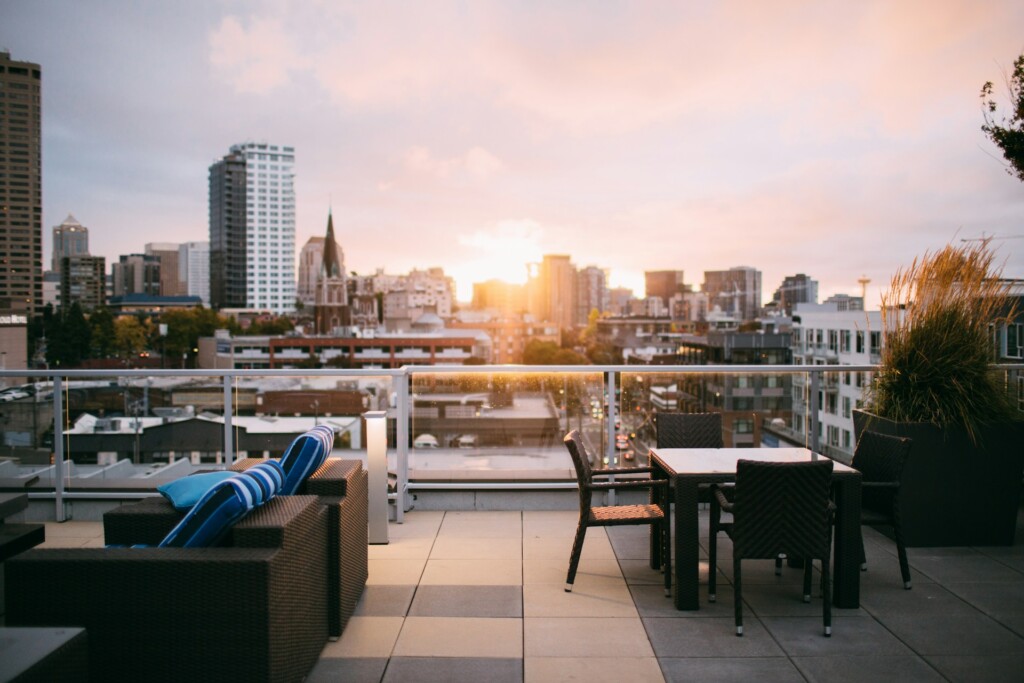
Dallas skyline views transform ordinary rooftops into premium hospitality destinations. The city’s dramatic downtown silhouette creates natural appeal for developers seeking elevated revenue streams from underutilized space.
We build rooftop bar construction in Dallas, TX by combining atmospheric design with code-compliant restaurant systems. This dual focus ensures venues capture the visual drama of the cityscape while meeting operational demands for food service, beverage preparation, and guest circulation.
How Do Dallas Permits And Codes Shape A Rooftop Bar Build-Out?
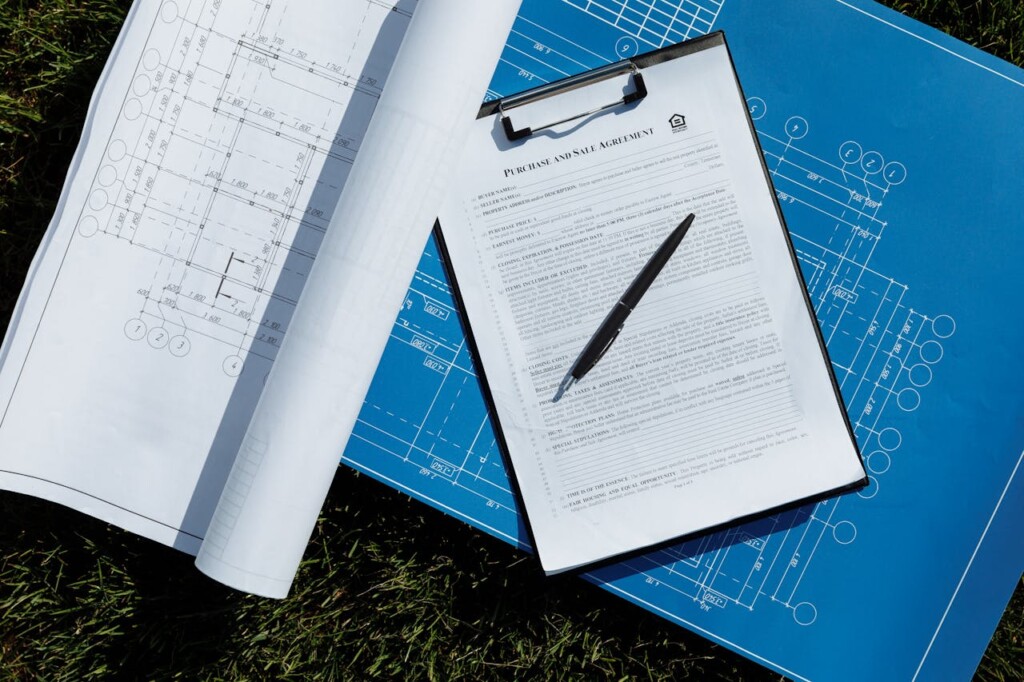
We manage multiple permit types through overlapping jurisdictions for rooftop bar projects in Dallas. Building permits cover structural components while plumbing, electrical, and mechanical permits address specialized systems. The health department maintains oversight throughout the process.
Dallas Water Utilities requires approval for grease trap installations before work begins. We size these systems based on projected kitchen volume and equipment loads. The trap must handle fats, oils, and grease from all cooking areas to prevent sewer system contamination.
Ventilation And Fire Suppression Requirements
Hood systems demand careful integration with fire suppression components for cooking equipment. We coordinate mechanical exhaust specifications with fire suppression design to meet building code standards. These systems require separate permits through the fire department before final approvals.
Fire suppression integration becomes critical when rooftop kitchens include grills, fryers, or other high-heat equipment. We plan nozzle placement and detection systems during the design phase to avoid rework during construction.
ADA Compliance Planning
Accessibility standards shape entrance design, restroom layouts, seating arrangements, and pathway configurations. We verify that all guest areas meet ADA requirements for clear floor space, turning radii, and accessible routes. Rooftop access requires particular attention to elevator specifications and emergency egress paths.
Accessible parking spaces must connect to approved routes leading to rooftop areas. We coordinate these paths with city inspectors during plan review to confirm compliance before construction begins.
MEP Sequencing And Coordination
We sequence mechanical, electrical, and plumbing trades to prevent conflicts and costly rework. MEP coordination meetings align system routing with structural elements and architectural features. Early planning resolves space conflicts between ductwork, electrical conduits, and plumbing runs.
Design/build workflows allow us to address MEP conflicts during the design phase rather than in the field. This approach integrates engineering decisions with permit requirements while maintaining communication with Dallas Water Utilities and city inspectors.
Regular communication with health department staff and building inspectors reduces approval delays. We schedule pre-construction meetings to review system layouts and confirm compliance strategies before final inspections.
Which Design Elements Make Dallas Rooftop Bars Work For Guests And Staff?
Successful Dallas rooftop bars balance guest appeal with operational efficiency through thoughtful design choices. We coordinate lighting systems, durable surfaces, and flexible layouts that handle both intimate evenings and bustling corporate events above the skyline.
Ambiance Lighting Creates The Right Atmosphere
LED accent lighting forms the foundation of any effective rooftop bar atmosphere. We install pendant fixtures over key seating areas to provide focused illumination without overwhelming the space. These fixtures work alongside layered lighting systems that combine ambient, task, and accent elements for maximum flexibility.
Neon signage adds character while serving practical wayfinding functions. We position LED strips under bar shelving to illuminate bottle displays and assist bartenders during peak service hours. String lights provide warm ambient lighting that complements the Dallas skyline without competing with city views.
Warm color temperatures between 2200K and 3000K create inviting atmospheres for evening service. We install dimmer controls and smart lighting systems that adjust throughout the day, transitioning from bright task lighting during setup to softer ambiance during service hours.
Bars And Countertops Drive Service Efficiency
Bar counters serve as operational focal points that require both durability and visual appeal. We specify quartz or granite surfaces that withstand constant use while maintaining their appearance under varying weather conditions. These materials resist staining and require minimal maintenance compared to natural stone alternatives.
Integrated lighting beneath bar overhangs improves visibility for staff while creating dramatic visual effects for guests. We coordinate electrical rough-in during framing to accommodate LED strip installations and power outlets for blenders and other equipment.
Strategic shelving placement keeps frequently used bottles within easy reach while displaying premium spirits at eye level. We design storage solutions that protect inventory from UV exposure while maintaining easy access during busy periods.
Wall Decor And Architectural Elements Define Identity
Wall treatments and architectural features establish brand identity while serving practical functions. We incorporate local art installations and custom millwork that reflect Dallas culture while providing acoustic benefits in open-air environments.
Textured wall finishes add visual interest and help define different zones within larger rooftop spaces. These elements guide guest circulation patterns while creating intimate areas within expansive layouts.
Privacy screens and decorative panels provide wind protection while maintaining skyline views. We select materials that handle weather exposure while contributing to the overall design aesthetic.
Signage Integration Guides Guest Movement
Clear wayfinding systems help guests navigate rooftop spaces efficiently. We integrate interior and exterior signage that remains visible under various lighting conditions while complementing the overall design theme.
Menu displays positioned at key decision points reduce bottlenecks during peak hours. Digital signage offers flexibility for changing specials and event information while withstanding outdoor conditions.
Safety signage meets code requirements without compromising visual appeal. We coordinate these elements during design development to ensure compliance while maintaining aesthetic continuity.
Custom Furnishings Balance Comfort With Durability
Custom seating solutions address the unique challenges of rooftop environments while providing comfort for extended stays. We select weather-resistant fabrics and frame materials that maintain their appearance despite UV exposure and temperature variations.
Modular furniture systems adapt to different event configurations and seasonal requirements. These pieces store efficiently during off-season periods while providing maximum flexibility during peak months.
Table heights and spacing accommodate both cocktail service and dining functions. We coordinate furniture layouts during construction to ensure proper electrical access for table lighting and device charging stations.
Flexible Layouts Accommodate Diverse Uses
Adaptable floor plans serve multiple functions throughout operating hours. We design moveable partition systems and flexible seating arrangements that transition from corporate events to social gatherings without major reconfiguration.
Power distribution and lighting controls accommodate various layout options while maintaining code compliance. Strategic placement of electrical panels and junction boxes provides access points throughout the space.
Traffic flow patterns guide guests naturally while providing efficient service routes for staff. We test circulation during design phases to identify potential bottlenecks and optimize movement patterns for peak capacity scenarios.
What Construction Practices Help Hit Opening Dates For Rooftop Bars?
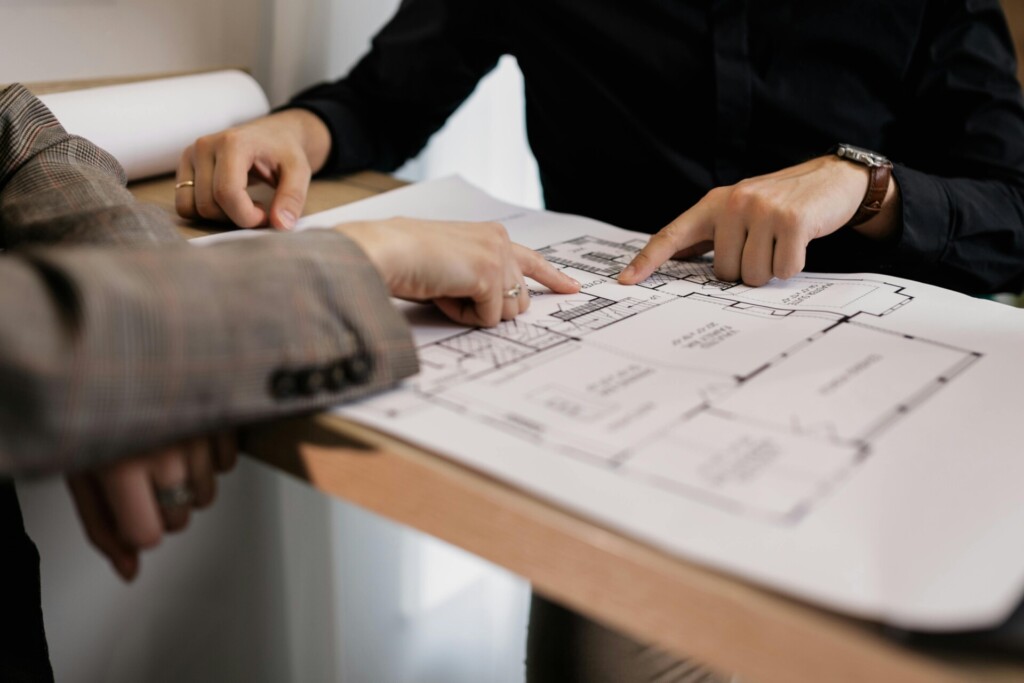
Finish-out coordination drives successful rooftop bar openings. We schedule these final phases to align with store setup requirements, staff training programs, and carefully planned soft opening events. The finish-out phase includes installing fixtures, completing final electrical connections, and conducting system tests before the venue welcomes its first guests.
Timing becomes critical during this phase. Restaurant equipment delivery must coordinate with final inspections, while staff training requires functional bar systems and kitchen equipment. We build buffer time into finish-out schedules to account for last-minute adjustments or equipment delays that could push back opening timelines.
Off-Hour Renovation Strategies
Off-hour renovation protects existing operations when rooftop bars occupy active properties. We coordinate construction activities during evenings, weekends, or designated maintenance windows to minimize disruption to ongoing business activities. This approach proves essential for hotel rooftops or mixed-use developments where daytime operations cannot stop.
Subcontractor scheduling becomes more complex during off-hour work. We coordinate electrical, plumbing, and HVAC trades around building access restrictions and noise ordinances. Limited working hours require precise planning to maintain progress without compromising quality or safety standards.
Service Call Planning and Remodel Expectations
Intensive kitchen and dining operations generate regular service calls after opening. We plan for equipment adjustments, minor repairs, and system fine-tuning during the first months of operation. High-volume rooftop bars experience more wear on HVAC systems, kitchen equipment, and electrical components due to constant use and outdoor exposure.
Periodic remodels become necessary as venues evolve their concepts or refresh worn finishes. We factor these future needs into initial construction by selecting durable materials and designing accessible service routes. Modular design elements allow for easier updates without major reconstruction.
Pre-Planning and Budget Consulting Benefits
Upfront pre-planning eliminates costly delays during construction. We conduct thorough site analysis, review zoning requirements, and identify potential code compliance issues before breaking ground. This process includes coordinating with Dallas Water Utilities for grease trap approvals and confirming fire suppression requirements with local authorities.
Budget consulting during pre-construction helps allocate resources effectively across all project phases. We provide cost estimates that account for Dallas-specific requirements, seasonal weather impacts, and potential permitting delays. Early budget planning prevents mid-project funding shortfalls that could stall construction progress.
Total Construction Management Coordination
Total construction management streamlines communication between all project stakeholders. We coordinate architect schedules with engineering deliverables, align permit submissions with construction timelines, and manage subcontractor schedules to prevent trade conflicts. This comprehensive approach reduces delays caused by miscommunication or scheduling gaps.
Progress tracking systems keep all parties informed of milestone achievements and potential delays. We provide regular updates to owners, architects, and city inspectors to maintain transparency and address issues before they impact opening dates.
Design/Build Coordination Advantages
Design/build coordination addresses potential issues during the design phase rather than during construction. We integrate architectural design with engineering requirements and construction feasibility from project inception. This approach prevents design changes that could delay construction or require expensive modifications.
MEP trade alignment becomes seamless under design/build coordination. We ensure electrical, plumbing, and HVAC systems integrate properly without conflicts or rework. Early coordination prevents the delays that occur when trades discover conflicts during installation phases.
Code compliance stays current throughout the design/build process. We maintain ongoing communication with Dallas building inspectors and health department officials to confirm all design elements meet current codes. This proactive approach prevents costly changes during construction or delays during final inspections.
How Should Space And Ambiance Be Programmed For Dallas Rooftop Use?
Creating Event-Ready Layouts For Multiple Functions
Effective space programming for Dallas rooftops starts with understanding how different event types flow through the space. We design zones that accommodate both intimate social gatherings and larger corporate receptions without compromising the venue’s core appeal. Corporate events demand clear sightlines for presentations and networking, while social events prioritize conversation areas and entertainment zones.
Flexible seating arrangements allow hosts to reconfigure spaces quickly between events. We position fixed elements like bars and service stations to support multiple layout options. This approach ensures maximum revenue potential while maintaining operational efficiency during peak Dallas entertainment seasons.
Clear sightlines to the skyline remain a priority regardless of event type. We position seating clusters and standing areas to frame those signature sunset views that make Dallas rooftops distinctive. Strategic placement prevents overcrowding in prime viewing spots while distributing guests throughout the space.
Optimizing Glass-Paneled Railings And Structural Elements
Glass-paneled railings serve dual purposes in Dallas rooftop programming. They meet safety codes while preserving unobstructed views of the downtown skyline. We specify tempered glass with minimal framing to maximize transparency. The railing height and design must balance code requirements with guest comfort during both seated and standing events.
Structural columns and fixed elements become opportunities for design integration rather than obstacles. We incorporate these features into seating arrangements and circulation paths. Strategic placement of decorative elements around structural components enhances the space’s visual appeal without compromising functionality.
Wind considerations influence both railing design and furniture selection in Dallas. We choose materials and configurations that withstand local weather patterns while maintaining the open, airy feel that makes rooftop venues attractive.
Balancing Seating Variety With Operational Flow
Successful Dallas rooftops offer multiple seating experiences within a cohesive design. Lounge areas with comfortable seating encourage longer stays and higher per-guest revenue. High-top tables and bar seating accommodate quick drinks and casual networking. Standard dining tables serve full-service meals and formal corporate presentations.
We incorporate lamps at tables for evening operations, as local venues demonstrate. This lighting strategy extends usable hours and creates intimate dining environments as daylight fades. The mix of lighting sources allows staff to adjust ambiance throughout service periods.
Circulation planning ensures servers can reach all areas efficiently during peak service. We design pathways that connect kitchen access points to all seating zones without disrupting guest experiences. Clear routes between the bar, kitchen, and seating areas minimize service delays and improve staff productivity.
Programming Lighting And Comfort Features
Outdoor lighting systems must address Dallas’s extended evening entertainment hours. String lights create warm, inviting atmospheres that encourage guests to stay longer. We layer multiple lighting types to support different event needs and time periods. Accent lighting highlights architectural features and creates visual interest after dark.
Fireplace features extend the usable season and create natural gathering points. In Dallas, fire features allow year-round operations and provide focal points for seating arrangements. We position fireplaces to serve multiple seating areas while meeting fire safety codes and clearance requirements.
Weather protection becomes crucial for consistent operations. We integrate retractable awnings, wind screens, and heating elements that activate when needed. These systems maintain guest comfort during Dallas’s variable weather patterns without compromising the open-air experience.
Incorporating Greenery And Natural Elements
Greenery softens the hard surfaces typical of rooftop construction while adding visual warmth to the space. We select plants that thrive in Dallas’s climate and rooftop conditions. Planters and green walls provide natural separation between different functional zones without blocking views or airflow.
Strategic placement of greenery frames seating areas and creates more intimate spaces within the larger rooftop. Plants also help reduce wind impact and provide natural sound buffering during events. We design irrigation systems that maintain plant health without creating maintenance burdens for operations staff.
The integration of natural elements enhances the rooftop’s appeal for both daytime and evening events. Green spaces photograph well for social media and corporate marketing, extending the venue’s promotional value beyond direct revenue generation.
Coordinating Service Flow With Bar Placement
Bar placement drives the entire service operation on a Dallas rooftop. We position bars to serve all seating areas efficiently while creating natural circulation patterns. Central bar locations work well for social events, while multiple service points better support large corporate receptions.
Kitchen access and service corridors must connect seamlessly to bar operations. We design these pathways to handle peak service volumes without disrupting guest areas. Storage for glassware, beverages, and supplies integrates into the bar design to minimize staff movement during busy periods.
Menu service coordination ensures consistent quality regardless of seating location. We establish clear sight lines between bars and all service areas. Point-of-sale systems and communication networks allow staff to coordinate orders and delivery efficiently across the entire rooftop space.
Conclusion And Next Steps
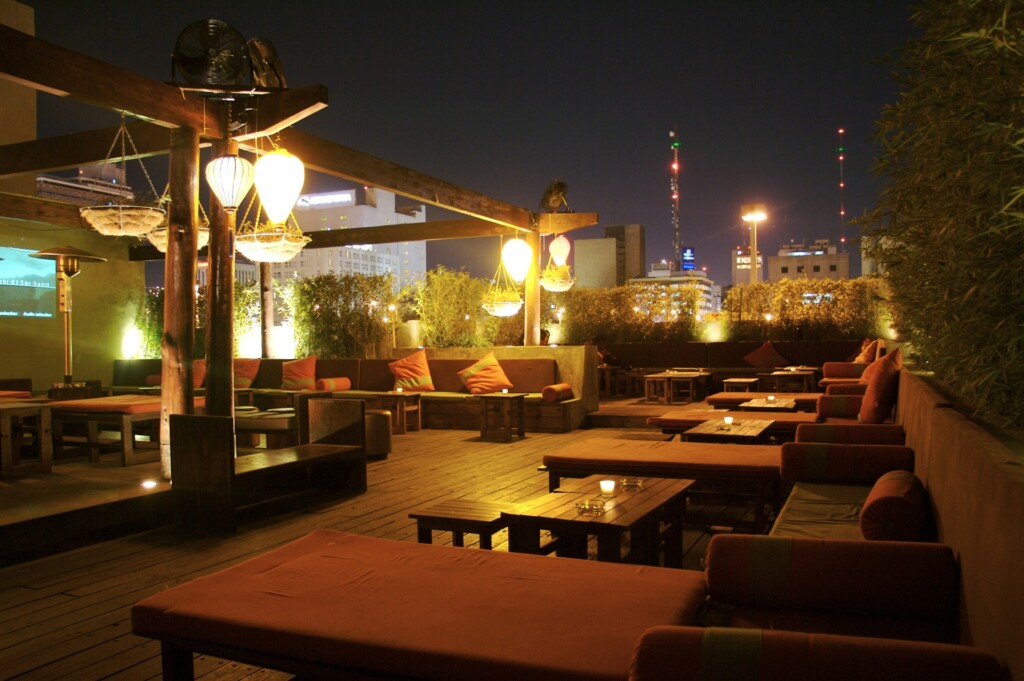
Rooftop bar construction in Dallas, TX succeeds when design intent and permits align from the start. We approach each project knowing that early coordination between ambiance goals and regulatory requirements creates the foundation for timely openings. The complexity of restaurant and bar systems demands careful orchestration across multiple approval processes.
Use a design/build workflow to integrate engineering and approvals seamlessly. We confirm grease traps meet Dallas Water Utilities specifications early in the design phase. Ventilation systems with fire suppression for cooking equipment require coordination with both building inspectors and the health department. ADA routes and MEP sequencing must be mapped before trades mobilize to avoid costly rework. Program lighting, signage, furnishings, and focal bar elements to match event needs while preserving those skyline views that draw guests. Coordinate with inspectors and the health department consistently to keep your opening on schedule and avoid final inspection delays.
Ready to bring your rooftop bar vision to life in Dallas? Contact EB3 Construction to discuss how our design/build approach can streamline your project from permits to grand opening.