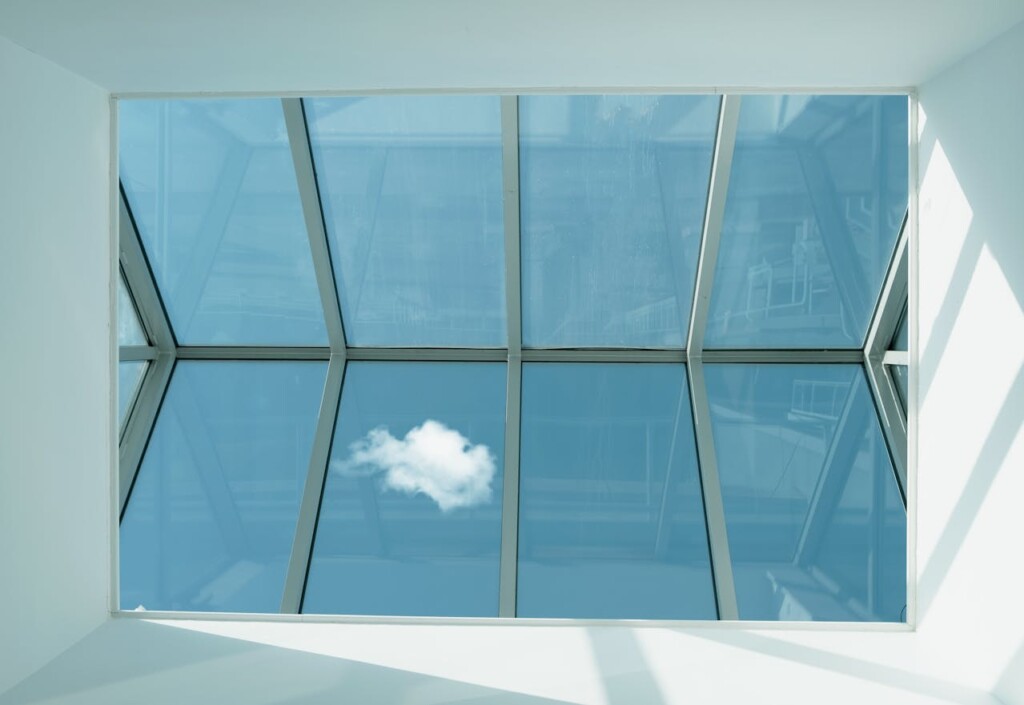
Studies show that buildings with effective daylighting strategies can reduce electrical consumption by 20%–80% during daylight hours. These savings are driving growing interest in Commercial Skylight Retrofit and Installation across commercial properties nationwide.
Commercial Skylight Retrofit and Installation transforms spaces by adding new skylights or upgrading existing units to restore natural light, improve energy performance, and enhance occupant comfort. The scope includes planning, structural evaluation, material selection, waterproofing, and ongoing maintenance to ensure long-term performance and code compliance.
How Should You Plan A Skylight Retrofit Or New Installation?
Successful skylight planning starts with evaluating structural capacity and roof conditions before selecting materials or configurations. We prioritize thorough preparation to avoid costly modifications during installation and ensure long-term performance.
Structural Assessment and Roof Evaluation
Roof load capacity determines whether the existing structure can support new skylights or requires reinforcement. We examine roof type, span distances, and structural members to confirm adequate support for skylight loads and snow accumulation in applicable regions. Low-slope roofs often require different approaches than steep-slope installations.
Mechanical systems, electrical conduits, and HVAC equipment create placement constraints that affect skylight positioning. We map these obstructions early to identify clear zones for installation. Existing roof penetrations and drainage patterns also influence optimal skylight placement for both performance and weather protection.
Material Selection for Climate and Application
Skylight configuration depends on building use and local climate conditions. Dome skylights work well for low-slope commercial roofs, while pyramid and ridge systems suit specific architectural requirements. Modular systems allow flexible sizing for larger openings in warehouses or retail spaces.
Glazing material selection affects both energy performance and durability. Acrylic offers impact resistance and lighter weight, while polycarbonate often provides superior thermal performance. Glass delivers optimal visible light transmission but requires stronger structural support and careful handling during installation.
In colder climates or areas with significant snow loads, we specify dual or triple glazing with thermal breaks to minimize heat loss. Low-E coatings reduce solar heat gain while maintaining daylight transmission. These features help prevent condensation and improve energy efficiency in commercial applications.
Performance Metrics and Code Compliance
U-factor measures heat transfer through the complete skylight assembly, including glazing, frame, and curb components. Climate zones 4–8 require maximum U-factors of 0.75 for skylights with daylight-responsive controls, while zones 1–3 allow 0.90. We verify these values against manufacturer specifications during product selection.
Solar heat gain coefficient (SHGC) indicates heat gain from solar radiation. Commercial buildings in warmer climates benefit from lower SHGC values to reduce cooling loads. Visible light transmission balances daylight availability with glare control, particularly important in office and educational environments.
Energy code compliance requires permits and coordination with local building officials. We obtain necessary approvals early in the planning process and align specifications with fire safety standards. Structural modifications may trigger additional permit requirements that extend project timelines.
Budget planning includes material costs, labor, structural reinforcement, and permit fees. Long-term energy savings from reduced artificial lighting often justify higher initial investments in performance glazing and automated controls. We factor these lifecycle benefits into project economics during the planning phase.
What Are The Key Steps In The Installation Sequence?
Commercial skylight installation requires methodical execution to ensure reliable performance. We follow a disciplined approach that minimizes risk while delivering durable results. Each phase builds on the previous one, creating a watertight system that serves the building for decades.
Roof Preparation and Site Clearing
We begin by examining the roof surface and removing any debris or obstructions that could interfere with installation. The area around the planned opening is thoroughly cleaned to ensure proper adhesion of waterproofing materials. We verify that the roof structure matches the drawings and identify any utilities or mechanical systems that require temporary relocation.
Placement of safety equipment comes next, including guardrails and staging areas for materials and tools. We establish clear pathways for moving components to minimize disruption to building operations. Weather monitoring is critical at this stage because openings cannot remain exposed to precipitation for extended periods.
Creating the Measured Opening
Precise measurements determine the success of the installation. We mark the opening dimensions using chalk lines and verify all measurements against manufacturer specifications before making any cuts. The opening must accommodate the skylight unit plus required clearances for proper flashing installation.
We use specialized cutting equipment designed for commercial roof assemblies, working from the exterior surface downward. Stable bracing supports the roof deck during cutting to prevent damage to surrounding materials. We remove cut sections carefully to avoid creating debris that could damage lower roof areas or compromise site safety.
Interior ceiling cuts follow the same precision standards. We coordinate with electrical and HVAC trades to relocate any systems within the opening area before beginning cuts through the ceiling assembly.
Curb Installation for Proper Drainage
The curb system elevates the skylight above the roof plane to prevent water pooling, particularly critical on low-slope roofs, where drainage patterns direct water flow. We construct curbs using pressure-treated lumber dimensioned according to structural load requirements and skylight specifications.
Curb height calculations account for roof slope, expected snow loads, and local drainage codes. We secure the curb frame directly to structural roof members using galvanized fasteners rated for the connection loads. The curb must remain level and square to ensure proper skylight seating and weatherproofing.
We apply a continuous bead of sealant along the curb base before installation to create an immediate moisture barrier. This prevents water infiltration during the installation process and serves as backup protection for the primary waterproofing system.
Setting and Fastening the Skylight Frame
Skylight positioning requires careful alignment with the prepared opening and curb system. We use temporary supports to maintain proper placement during the mounting process, ensuring the unit sits flush against all curb surfaces without gaps that could compromise the weather seal.
Fastener selection depends on the skylight model and roof structure materials. We use manufacturer-specified hardware to maintain warranty coverage and structural integrity. Ring-shank nails or structural screws provide the necessary holding power for commercial applications where wind loads can be substantial.
We apply sealant along the curb contact surface before setting the skylight to create an immediate moisture barrier. Proper fastener placement follows specific patterns to distribute loads evenly and prevent frame distortion that could affect operation or sealing performance.
Waterproofing with Layered Flashing Systems
We install flashing components in a specific sequence that ensures proper water shedding. Base flashing goes in first, extending under roofing materials and up the skylight curb sides. Step flashing follows along the sides, with each piece overlapping the previous one by at least two inches to maintain continuity.
Head flashing installation requires special attention since this area handles the greatest water volume during heavy rainfall. We ensure the head flashing extends well under existing roofing materials and maintains proper slope to direct water away from the skylight opening.
Multiple sealant layers provide redundant protection against water infiltration. We apply sealants in overlapping patterns, with each layer covering potential failure points in the previous application. Weather conditions affect sealant performance, so we schedule this work during appropriate temperature and humidity ranges.
Leak Testing and Quality Verification
We perform comprehensive water testing before considering the installation complete. Using controlled water application, we check every potential infiltration point around the skylight perimeter. Interior inspection during testing reveals any moisture penetration that requires immediate correction.
Testing procedures follow manufacturer protocols and local code requirements. We document test results and address any identified issues before moving to final acceptance. This systematic approach prevents callbacks and ensures long-term performance.
We also verify operational components function correctly, including any ventilation mechanisms or automated controls. Proper operation confirms that installation stresses have not affected the skylight’s mechanical systems.
Interior Finishing for Professional Integration
Final interior work creates a seamless integration between the new skylight and existing ceiling systems. We install trim components that match the building’s interior design standards while maintaining access for future maintenance needs.
Insulation installation around the skylight shaft prevents thermal bridging and condensation issues. We ensure continuous insulation coverage that meets energy code requirements for the climate zone. Vapor barrier installation follows local code requirements to prevent moisture problems within the wall assembly.
We coordinate final electrical connections for any integrated lighting or control systems. All interior finishes receive final inspection to confirm they meet the building’s quality standards and provide proper protection for the waterproofing systems installed above.
What Challenges Arise In Retrofits, And How Do You Mitigate Them?

Commercial skylight retrofits present distinct challenges that require careful planning and experienced execution. We address these obstacles through proven mitigation strategies that protect project integrity and long-term performance.
Thermal Performance Issues
Heat gain during summer months creates cooling loads that can overwhelm HVAC systems. High-performance insulated glazing with Low-E coatings reflects infrared radiation while allowing visible light to pass through. We specify glazing units with thermal breaks between frame components to minimize conductive heat transfer.
Winter heat loss poses similar concerns in colder climates. Dual- or triple-pane configurations with argon fills provide superior thermal resistance. Low-E coatings positioned on specific glass surfaces reflect interior heat back into the building while blocking unwanted solar gain.
Structural Reinforcement Requirements
Existing roof structures may lack adequate load-bearing capacity for new skylight installations. We conduct thorough structural assessments before beginning any work. Steel reinforcement beams or additional framing members distribute loads safely to structural columns or walls.
Snow loads create particular challenges in northern regions. We calculate live-load requirements based on local building codes and add structural support where existing framing proves insufficient. This approach prevents roof deflection and potential skylight failure during heavy snow events.
Glare Control Strategies
Excessive daylight can create uncomfortable working conditions and visual strain. Diffusers scatter incoming light across broader areas, reducing bright spots and harsh shadows. We position these elements based on sun angles and interior space usage patterns.
Adjustable blinds offer dynamic control throughout the day. Interior or exterior mounting options provide flexibility for different building types. Advanced shading systems with automated controls respond to changing light conditions without manual intervention.
Water Management Complexities
Water infiltration remains the primary failure mode for skylight installations. We ensure the curb height extends above surrounding roof surfaces to prevent water pooling. Multi-layer flashing systems create redundant barriers against moisture intrusion.
Flatter commercial roofs require special attention to drainage patterns. We install stepped flashing that channels water away from skylight perimeters. Sealant compatibility with roofing membranes prevents chemical reactions that compromise waterproofing integrity.
Code Compliance Navigation
Fire safety codes govern skylight placement relative to property lines and emergency egress routes. We plan permitting early in the project timeline to address potential conflicts with local requirements. Energy standards mandate specific U-factor and solar heat gain coefficient values for different climate zones.
Building officials often require structural calculations for significant roof penetrations. We coordinate with licensed engineers to provide necessary documentation. This proactive approach prevents costly delays during construction.
Advanced Control Integration
Smart-tinting glass responds automatically to solar intensity, reducing cooling loads without compromising daylighting benefits. These electrochromic systems integrate with building management platforms for centralized control.
Automated shading mechanisms adjust based on time schedules, occupancy sensors, or weather conditions. We program these systems to balance energy efficiency with occupant comfort across seasons.
How Do You Maintain Performance And Manage Cost Over The Life Cycle?
Establishing a Regular Maintenance Schedule
Commercial skylight systems require systematic inspection and upkeep to preserve performance and extend service life. We implement a structured maintenance approach that begins with quarterly visual inspections to identify debris accumulation, sealant deterioration, and signs of water intrusion. These routine checks help catch issues before they escalate into costly repairs or system failures.
Biannual cleaning is critical for maintaining optimal daylight transmission and energy efficiency. Professional cleaning removes accumulated dirt, algae, and atmospheric pollutants that can reduce light penetration by up to 30% over time. We coordinate snow and debris removal in regions with heavy precipitation, ensuring structural loads remain within design limits and drainage systems function properly.
Monitoring Critical Performance Indicators
Effective maintenance involves monitoring specific warning signs of system degradation. Condensation between panes signals a seal failure in insulated glazing units, requiring immediate attention to prevent further moisture infiltration. Drafts around the perimeter indicate compromised weather sealing that can increase energy costs and reduce occupant comfort.
We track visible damage such as cracking in glazing materials, corrosion of metal components, and deterioration of flashing systems. Prompt repairs prevent minor issues from developing into major structural problems that require extensive remediation. Temperature differentials and unusual energy consumption patterns often reveal performance issues before they are noticeable.
Managing Long-Term Cost Factors
Skylight life cycle costs encompass multiple variables that affect the total investment over time. Size and materials significantly impact both initial installation and ongoing maintenance expenses, with larger units requiring more complex support systems and specialized equipment for servicing. Design complexity influences labor costs, as intricate configurations demand more skilled technicians and longer service intervals.
Structural modifications during installation create additional cost considerations that extend beyond the skylight system itself. Permit fees, engineering assessments, and code compliance measures add to project expenses while protecting long-term performance and legal compliance. We factor these elements into comprehensive budgets that account for both immediate implementation costs and ongoing operational expenses.
High-performance glazing systems command premium pricing but deliver superior energy savings and reduced maintenance needs over their service life. Advanced coatings resist weathering and maintain thermal performance longer than standard materials. Smart controls and automated shading systems require a higher initial investment but optimize energy usage and reduce manual intervention costs. According to research from the U.S. Army Construction Engineering Research Laboratories, replacing single-pane or poorly sealed windows can reduce heating and cooling costs by 15% to 25% annually, demonstrating the substantial ROI potential of quality glazing systems.
Maximizing Energy Savings and Return on Investment
The life cycle value of commercial skylights extends well beyond their initial cost through sustained utility reduction and occupant productivity benefits. Daylight harvesting can significantly decrease artificial lighting demand during peak daytime hours, directly reducing electricity consumption and associated demand charges. We calculate energy savings based on local utility rates, building usage patterns, and regional climate conditions to establish realistic payback periods.
Strategic selection of high-performance glazing and control systems accelerates ROI through enhanced energy efficiency and reduced maintenance requirements. Low-E coatings maintain thermal performance while maximizing daylight transmission, reducing both heating and cooling loads. Integrated building management systems optimize skylight performance based on occupancy schedules, weather conditions, and energy pricing structures, further improving cost-effectiveness over the operational life of the building.
Conclusion And Next Steps
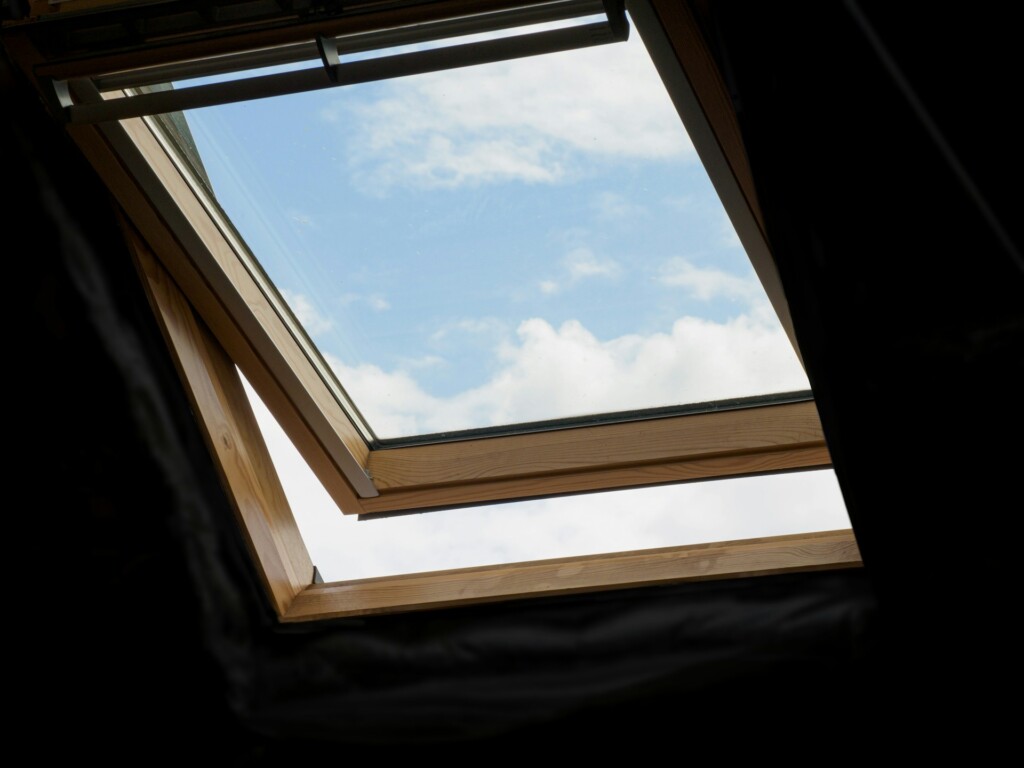
Retrofitting and installing commercial skylights can restore daylight, reduce lighting energy use, and improve comfort when they are planned, executed, and maintained with care. Successful projects require verifying structural capacity and code compliance, selecting the right system and glazing for your climate, following a disciplined installation sequence, and scheduling regular maintenance inspections. These steps help ensure your investment delivers consistent daylight while maintaining building safety and energy performance over time.
The complexity of skylight systems requires coordination with experienced professionals who understand local building codes, waterproofing requirements, and performance optimization. From the initial structural assessment through final waterproofing and ongoing maintenance, the right expertise protects your investment and maximizes comfort and energy savings. Working with qualified specialists helps ensure your project meets all regulatory standards while delivering the natural light your commercial space needs.
Ready to enhance your commercial building with professional skylight solutions? Contact EB3 Construction to discuss your skylight retrofit or installation project.