
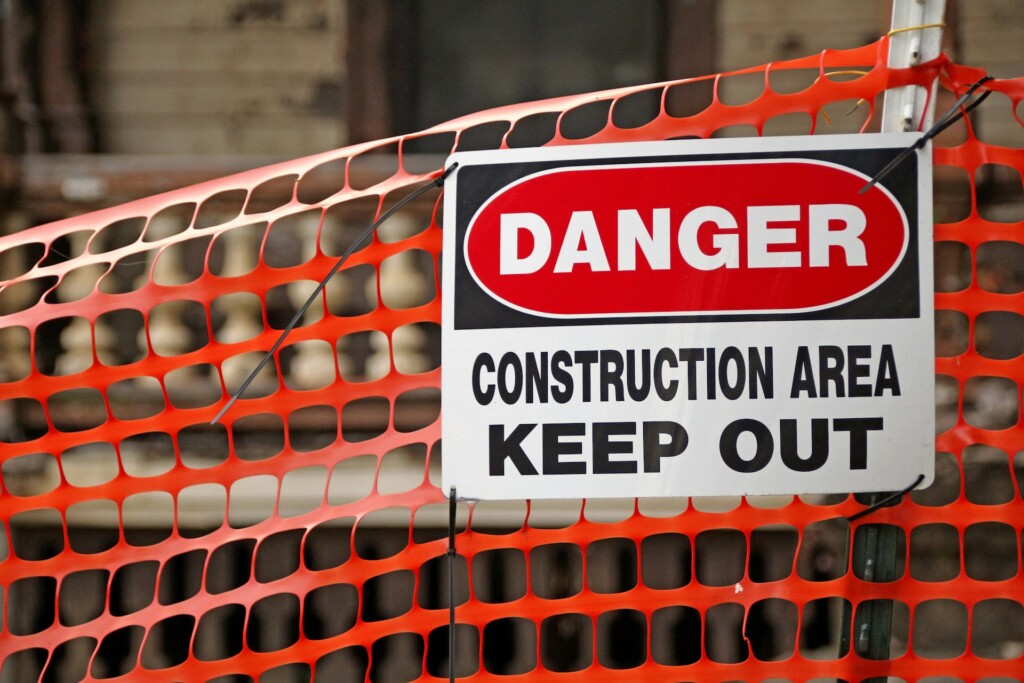
Construction claims roughly 1,000 workers’ lives each year in the United States, making it one of the most hazardous industries. Each fatality is a tragic loss and a failure of the systems designed to protect the people who build our infrastructure. Construction safety management is the formal framework companies use to prevent these tragedies.
We approach construction safety management as a systematic process for creating, implementing, and maintaining comprehensive safety plans across our projects. This structure shifts safety from reactive responses to proactive prevention and helps us deliver projects on schedule while protecting every worker on site.
What Goals And Benefits Should A Construction Safety Management System Deliver?
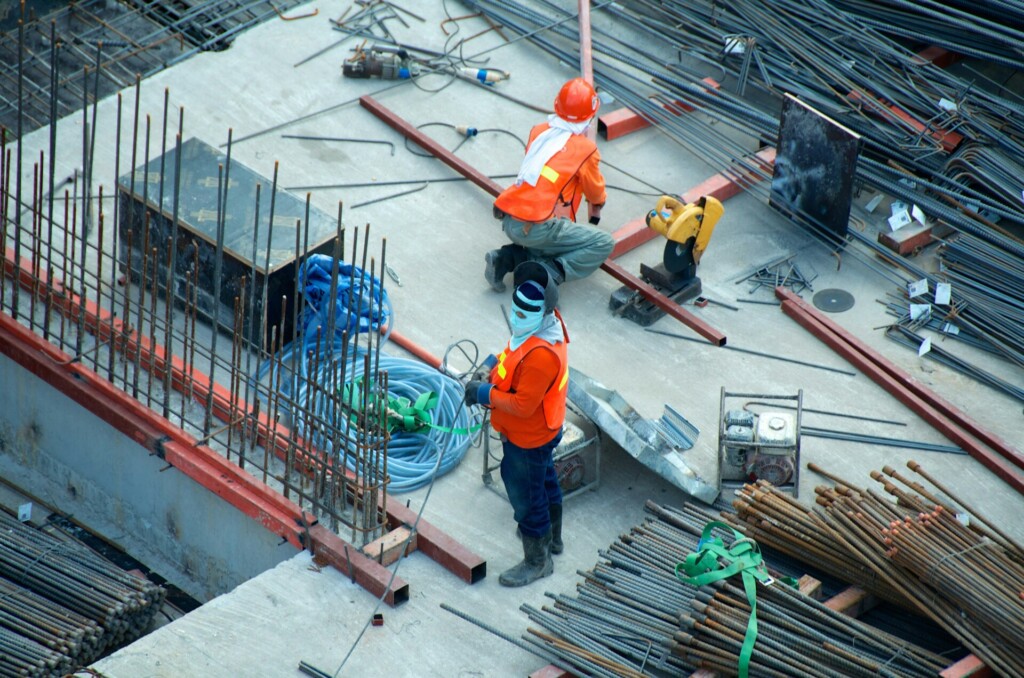
Construction safety management systems deliver measurable value through three primary outcomes: reduced accidents, enhanced productivity, and strong regulatory compliance. We achieve these goals through systematic practices that protect workers and support project objectives.
Accident Reduction Through Systematic Risk Management
Performing job hazard analyses (JHAs) forms the foundation for accident prevention on our construction projects. These structured assessments identify potential hazards before they cause incidents. We examine each task step-by-step to spot risks that could injure workers or damage equipment.
Standard operating procedures translate JHA findings into actionable protocols crews can follow consistently. When we define clear procedures for common tasks such as equipment operation, material handling, and site access, workers know exactly how to perform their duties safely. This systematic approach reduces human error and creates predictable safety outcomes across project teams.
Productivity Gains From Unified Safety Planning
A unified safety plan aligns field and office teams around common objectives. When superintendents, project managers, and crew leaders operate from the same safety framework, coordination improves significantly. We eliminate conflicting instructions and reduce time lost to safety-related confusion or rework.
Clear safety protocols streamline daily operations by establishing consistent work methods. Crews spend less time figuring out how to approach tasks safely because the procedures are already documented and practiced. This preparation translates into faster task completion and fewer delays caused by safety incidents or equipment problems.
OSHA Compliance And Regulatory Benefits
Robust safety management systems help us meet OSHA standards through documented procedures and regular monitoring, as detailed in our heat-stress compliance guide. We maintain records that demonstrate compliance with federal safety requirements during inspections or audits. This documentation protects our projects from work stoppages and regulatory penalties.
Systematic hazard identification and control measures align with OSHA’s emphasis on proactive safety management. Regular safety inspections and corrective actions show inspectors that we take workplace safety seriously and manage risks responsibly.
Insurance And Financial Advantages
Strong safety programs improve our insurability by positively influencing experience modification ratings. Insurance companies evaluate our claims history and safety practices when setting workers’ compensation premiums. Companies with comprehensive safety management systems typically achieve lower EMR scores, which directly reduce insurance costs.
The financial impact extends beyond premium savings. Better safety performance makes us eligible for more projects, as many owners require contractors to maintain specific EMR thresholds. This competitive advantage opens doors to higher-value work and long-term client relationships.
Worker Satisfaction And Retention Benefits
When workers feel safer on our jobsites, job satisfaction and retention rates improve significantly. Employees appreciate employers who invest in their well-being through proper safety equipment, training, and hazard controls. This commitment builds loyalty and reduces turnover costs.
A peer-reviewed study found that reducing health risk perceptions among employees improves job satisfaction and increases participation in safety programs. Workers who trust their employer’s safety commitment become more engaged in identifying hazards and following protocols, creating a positive feedback loop that strengthens overall safety performance.
What Elements Belong In A Construction Safety Management Plan?
A comprehensive construction safety management plan requires specific elements that work together to create safer jobsites. Each component addresses critical safety functions, from establishing clear policies to sustaining continuous improvement.
Organizational Foundation And Policy Framework
Employee buy-in drives safety success across all levels. We secure commitment from executives who demonstrate leadership through resource allocation and visible participation in safety initiatives. Field crews need a clear understanding of their roles and the authority to stop unsafe work when necessary.
Document a safety policy that establishes roles and responsibilities for every position. The policy should define who conducts field inspections, who leads safety meetings, and who has the authority to implement corrective actions. Clear accountability prevents safety tasks from falling through the cracks during busy project phases.
Hazard Management And Risk Assessment
Identify hazards through systematic site evaluations before work begins and throughout all project phases. We conduct regular inspections that cover changing site conditions, new equipment arrivals, and evolving work practices. These assessments help spot potential issues before they cause incidents.
Risk assessment follows hazard identification and evaluates the likelihood and severity of potential incidents. This process prioritizes which hazards require immediate attention and which can be managed through standard controls. Regular field inspections keep risk assessments current as projects evolve.
Training Programs And Safety Stand-Downs
Provide general and job-specific training that addresses site conditions and task requirements. New worker orientations cover basic safety expectations, site-specific hazards, and emergency procedures. Ongoing training updates workers on changing conditions and reinforces safe work practices.
Safety stand-downs address emerging trends or incidents that warrant immediate attention. When inspection data or incident reports reveal patterns, we pause work to review proper procedures and reinforce safety expectations across all crews.
Emergency Response Planning
Define an emergency response plan with clearly marked, regularly updated evacuation routes. First aid stations should be strategically located and properly stocked. Key emergency contacts must include local emergency services, project management, and medical facilities.
The on-site safety lead coordinates emergency response activities and maintains communication with external responders. Regular emergency drills test response procedures and identify areas needing improvement before actual incidents occur.
Incident Reporting And Investigation Systems
Establish incident and near-miss reporting systems that encourage open communication without fear of retaliation. Investigation steps should focus on identifying root causes rather than assigning blame. Recipients of incident reports include project management, safety personnel, and relevant subcontractors.
Follow-up actions based on investigation findings prevent similar incidents. Document these changes and communicate them to all affected workers through toolbox talks and updated procedures.
Safety Procedures And PPE Requirements
Outline safety procedures for high-risk tasks with step-by-step instructions that workers can follow consistently. Enforcement mechanisms ensure procedures are followed, including regular supervision and consequences for non-compliance.
Specify PPE requirements for different work areas and tasks. Training covers proper selection, use, and maintenance of protective equipment. Procurement processes ensure proper fit and the timely replacement of worn or damaged equipment.
Communication And Documentation Systems
Maintain strong communication through regular safety meetings that address current site conditions and upcoming work. Safety signage provides visual reminders of hazards and required precautions. Documentation systems track training records, inspection results, and corrective actions.
Field workers receive information through multiple channels, including toolbox talks, written procedures, and visual displays. Two-way communication allows workers to report concerns and suggest improvements to existing procedures.
Performance Measurement And Continuous Improvement
Set success measures that track leading indicators like training completion rates and inspection frequency, not just lagging indicators like injury rates. Safety metrics help identify trends and measure program effectiveness over time.
Issue periodic reports that communicate safety performance to all stakeholders. Conduct audits for continual improvement by reviewing procedures, training effectiveness, and compliance with established standards. These audits identify gaps and opportunities for enhancement.
How Do The Four Pillars Guide Effective Safety Management?
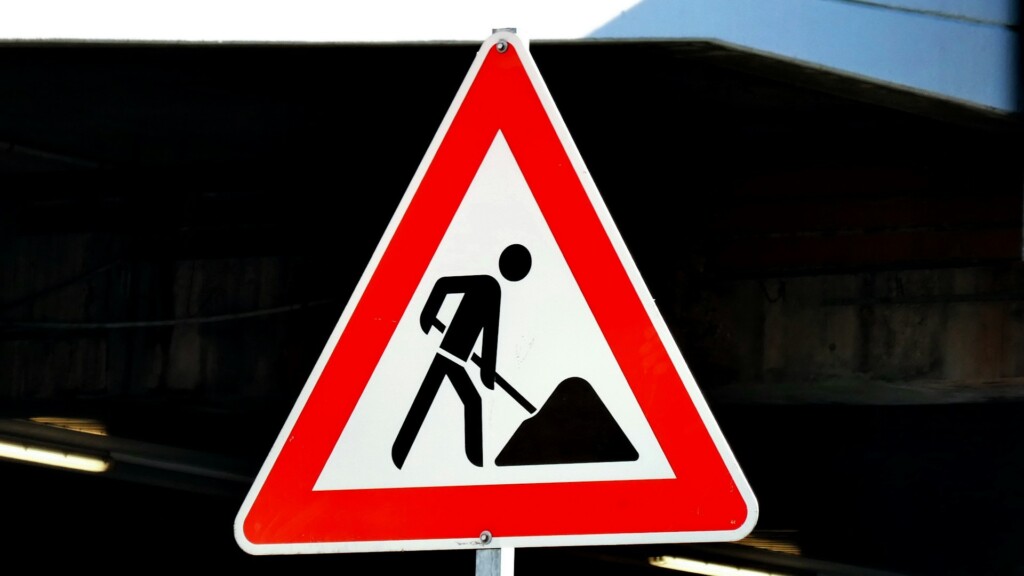
The four pillars of safety management create a structured framework for controlling construction hazards and building a safety-focused culture. Each pillar serves a specific function and connects to the others to strengthen the overall system.
Safety Policy and Objectives: The Foundation
Safety policy and objectives establish the documented commitment that guides safety decisions across our projects. This pillar defines clear safety goals, assigns specific roles and responsibilities, and demonstrates management’s commitment to protecting workers. The policy statement sets expectations for everyone from project managers to field crews.
We document these objectives in measurable terms, such as zero recordable incidents or 100% completion of safety training within the first week of employment. Clear accountability structures ensure that every team member understands their role in achieving these goals. This foundation supports all other safety management activities.
Risk Management: Identifying and Controlling Hazards
Risk management focuses on the proactive identification, assessment, and control of construction hazards before they cause incidents. This pillar relies on systematic processes like job hazard analyses (JHA) and activity hazard analyses (AHA) to break down work tasks and identify potential dangers. Risk matrices help prioritize hazards that need immediate attention based on their likelihood and potential severity.
We use these tools to evaluate everything from crane operations to confined space entry. Each identified hazard receives appropriate controls, whether through engineering solutions, administrative procedures, or personal protective equipment. Documentation of this process creates a reference for similar work in future projects.
Safety Assurance: Monitoring and Verification
Safety assurance monitors the effectiveness of implemented safety controls through ongoing inspections, safety audits, and incident reporting systems. This pillar verifies that our safety measures work as intended and identifies gaps or emerging hazards. Regular inspections check compliance with established procedures and catch problems before they escalate.
The incident reporting system captures both actual incidents and near-miss events that could have caused harm. We analyze this data to identify trends and adjust our approach accordingly. Safety audits provide systematic reviews of our entire safety program, ensuring continuous alignment with OSHA standards and industry best practices.
Safety Promotion: Building a Safety Culture
Safety promotion builds and maintains a strong safety culture through training, communication, and employee engagement. This pillar includes toolbox talks, formal training sessions, and open reporting systems that encourage workers to speak up about safety concerns without fear of retaliation. Regular communication keeps safety visible and reinforces its importance.
We encourage reporting of mistakes and near-miss events as learning opportunities rather than reasons for discipline. This approach helps prevent future incidents by sharing lessons across all project teams. Safety promotion activities also recognize and reward positive safety behaviors, reinforcing the culture we want to maintain.
How the Pillars Connect
These four pillars work together to create a comprehensive safety management system. Policy and objectives provide the framework that guides risk management activities. Risk management identifies the hazards that safety assurance then monitors and verifies. Safety promotion ensures that all team members understand and support these processes through training and communication.
When one pillar weakens, the entire system becomes less effective. A strong policy without proper risk assessment leaves gaps in hazard control. Effective risk management without safety assurance offers no verification that controls work as intended. Without safety promotion, even the best procedures fail when workers don’t understand or follow them.
Which Daily Jobsite Practices Reinforce Construction Safety Management?
Strong safety management systems only work when crews apply them consistently. We focus on building habits workers can follow every day without disrupting productivity. These practices turn policy into action.
Personal Protective Equipment Enforcement
Require hard hats, safety glasses, gloves, and steel-toed boots for all workers entering the site. Check PPE compliance at gate access points and throughout the day. Replace damaged equipment immediately and verify proper fit for new crew members.
Conduct weekly PPE inspections to catch worn straps, cracked lenses, or compromised boot soles before they fail. Document violations and provide replacement equipment on-site to remove barriers to compliance.
Safety Signage and Communication
Post clear warning signs at hazard zones, overhead work areas, and equipment operating areas. Update signage when work phases change or new risks emerge. Train workers to recognize prohibition, warning, and mandatory action signs.
Hold brief toolbox talks before each shift to address specific daily hazards and remind crews about critical safety procedures. Document attendance and key discussion points to track communication effectiveness and regulatory compliance.
Housekeeping Standards
Remove debris, loose nails, and materials from walkways at the end of each workday. Designate specific areas for waste disposal and tool storage to prevent clutter buildup. Address spills immediately to prevent slip hazards.
Assign housekeeping responsibilities to specific crew members and inspect work areas before releasing teams. Poor housekeeping creates trip hazards that account for many preventable jobsite injuries, according to OSHA construction standards.
Tool and Equipment Management
Use the correct tool for each task to prevent equipment damage and worker injuries. Inspect tools before use and tag defective equipment as out of service. Report broken tools to supervisors immediately rather than attempting makeshift repairs.
Apply lockout/tagout (LOTO) procedures when equipment requires maintenance or shows signs of malfunction. Store tools in designated areas and maintain inventory logs to track usage and maintenance schedules.
Daily Inspection Protocols
Conduct equipment inspections each morning before operations begin. Check hydraulics, safety systems, and operator controls on heavy machinery. Verify fall protection equipment integrity before any work at height begins.
Document inspection findings and resolve issues before allowing equipment to operate. This helps prevent mechanical failures that can cause serious injuries and project delays and maintains compliance with manufacturer recommendations.
Reporting Culture Development
Encourage workers to report hazards, near-misses, and unsafe conditions without fear of punishment. Investigate all reports promptly and communicate corrective actions to the entire crew. Track reporting trends to identify recurring issues.
Assign a dedicated site safety manager on larger projects to coordinate safety activities across multiple contractors and work areas. This central coordination prevents communication gaps that can create dangerous conditions when crews work in close proximity.
Conclusion And Next Steps
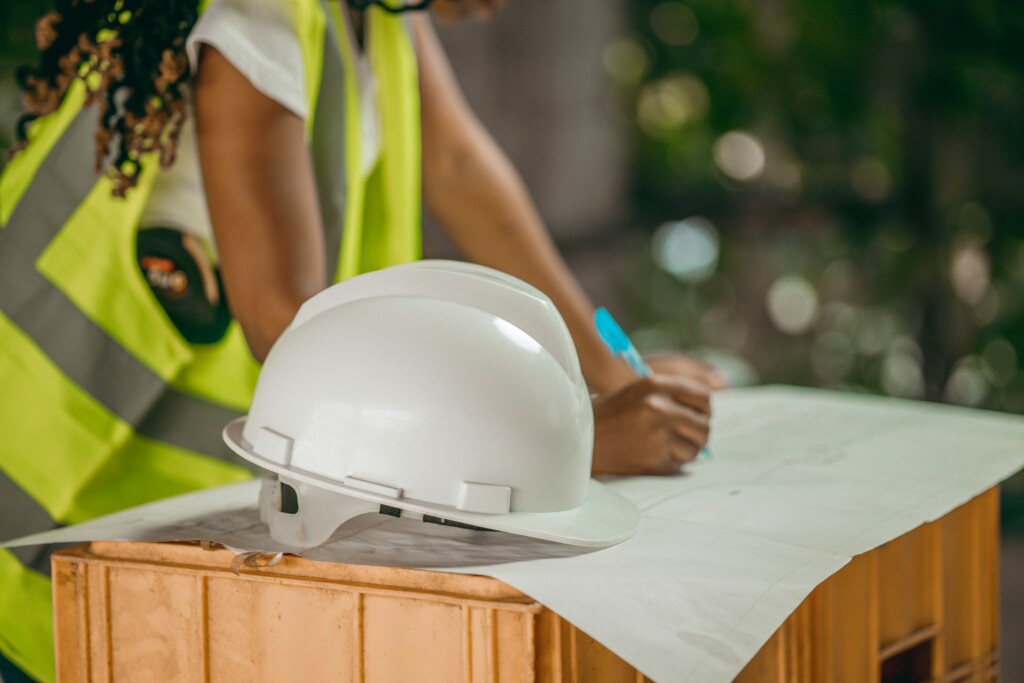
A structured construction safety management system protects people and supports project performance. The framework we’ve outlined provides a clear path to establishing effective safety protocols that reduce incidents and maintain productivity. We prioritize policy documentation, hazard assessment, and team training to build systems that work under real job conditions.
Document your safety policy and define clear roles for every team member. Run job hazard analyses to prioritize risks based on severity and likelihood. Train your crews thoroughly and conduct safety stand-downs when trends indicate a need for additional focus. Set clear safety metrics, report progress regularly, and conduct audits for continual improvement. Keep communication channels active through meetings, clear signage, and accessible reporting systems on every project. For complex work or larger sites, appoint a dedicated site safety manager to coordinate activities and align all contractors on consistent safety standards. These steps help EB3 Construction sustain safe, compliant, and productive jobsites that protect our most valuable asset – our people.
Ready to implement a comprehensive safety management system for your next project? Contact EB3 Construction to discuss how we can help you build safely and efficiently.