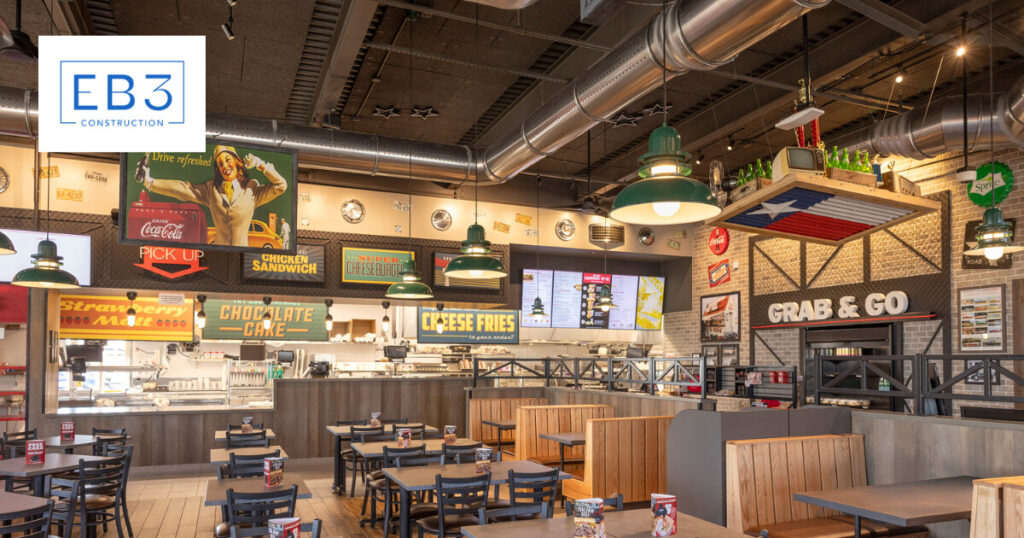
Houston’s restaurant scene is seeing strong growth, with casual dining construction reaching new heights across the metropolitan area. We’re seeing sustained demand for diverse concepts, from fast-casual chains to family-friendly establishments. Each requires specialized construction approaches that balance operational efficiency with guest appeal.
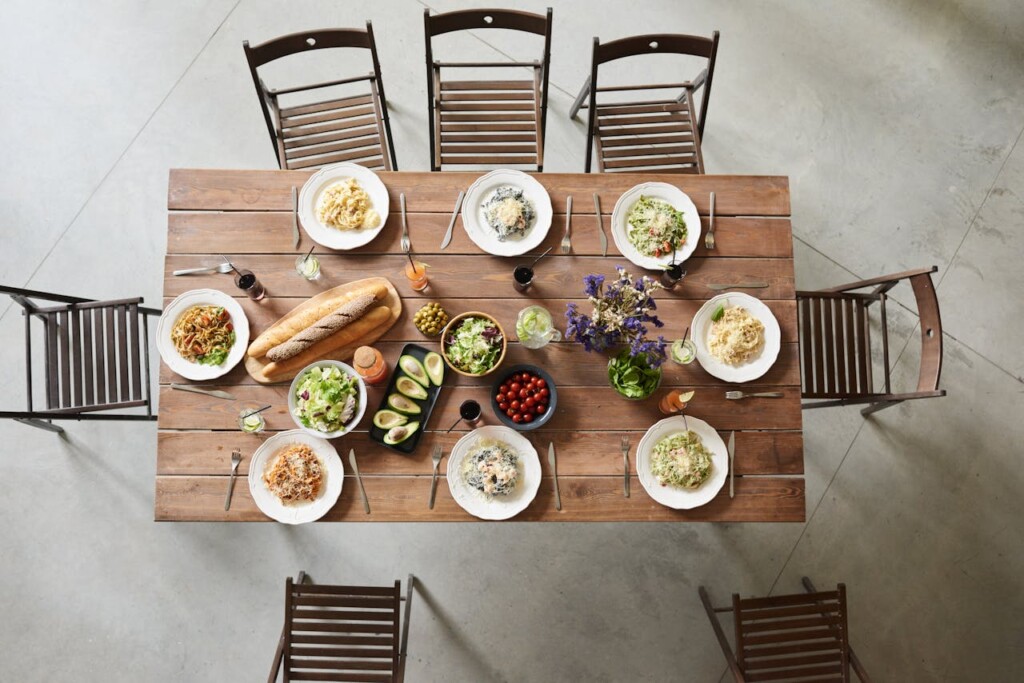
The current market spans multiple formats, including fast-casual build-outs, full-service restaurants with bar programs, patio-focused venues, and walk-up window concepts that originated as pandemic-era adaptations. Commercial restaurants are incorporating shared seating arrangements, outdoor dining zones, and flexible service models that support both dine-in and takeout, reflecting shifts in Houston’s hospitality landscape.
How Should You Plan A Fast-Casual Or Casual Dining Build-Out In Houston?
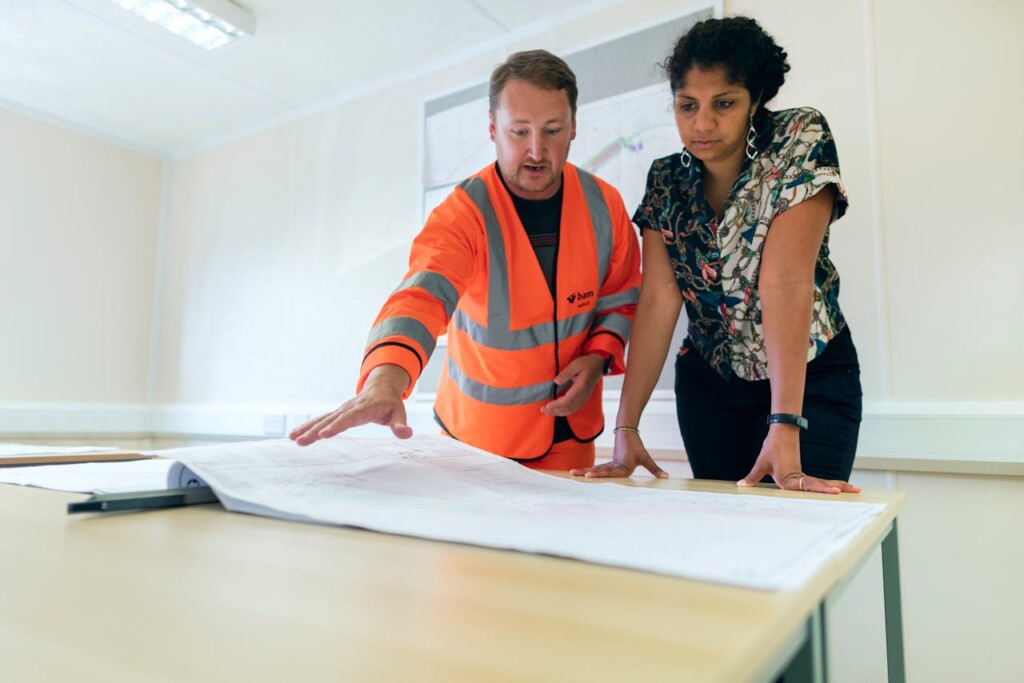
We approach restaurant planning with a structured sequence that helps prevent costly delays and keeps project teams aligned. The workflow runs from initial project definition to final construction documents.
Pre-Design Foundation
Pre-design establishes the project foundation through comprehensive analysis and planning. We conduct feasibility studies that examine site constraints, existing conditions, and structural limitations that affect restaurant operations. This phase also includes program development to define spatial requirements for dining areas, kitchen zones, storage, and support functions.
Budget parameters and schedule milestones get careful attention during pre-design. We analyze utility capacity, parking availability, and accessibility requirements that shape layout decisions. Due diligence includes reviewing lease terms, zoning compliance, and restrictive covenants that could influence the design approach.
Site analysis examines building systems, structural capacity, and code compliance issues that affect construction scope. We evaluate existing mechanical, electrical, and plumbing systems to determine upgrade requirements. This groundwork sets realistic project parameters before design work begins.
Schematic Design Development
Schematic design translates program requirements into preliminary floor plans and spatial arrangements. We develop layouts that optimize guest flow and staff efficiency while testing different seating configurations. Kitchen workflow receives particular attention in this phase because operational efficiency depends on proper equipment placement and circulation.
We create elevations and sections that illustrate interior design concepts and spatial relationships. These drawings help property owners visualize how the space will function and feel. Preliminary material selections and finish concepts emerge during schematic design to establish project direction and budget alignment.
Guest experience considerations drive layout decisions during this phase. We evaluate sightlines from entry points, circulation patterns between dining areas, and accessibility routes throughout the space. These studies help identify potential bottlenecks before construction begins.
Construction Documents and Specifications
Construction documents provide detailed drawings and specifications needed for accurate contractor bidding and permit submission. These documents include architectural plans, structural details, and mechanical, electrical, and plumbing (MEP) drawings. Material specifications and finish schedules guide procurement processes and ensure consistent quality standards.
Technical drawings address Houston building code requirements specific to restaurant operations. Fire safety systems, ventilation requirements, and accessibility features receive detailed documentation. Complete construction documents reduce change orders and prevent costly rework during the construction phase.
We coordinate equipment specifications with kitchen layout drawings to ensure proper utility connections and clearances. Detailed specifications help contractors understand material requirements and installation standards that match project quality expectations.
Houston Permitting Coordination
Permitting coordination with Houston authorities can extend project timelines beyond initial estimates. Building permits require plan review by multiple departments, including fire, health, and building safety officials. Restaurant projects face additional scrutiny for grease management systems, ventilation compliance, and food service equipment installations.
We coordinate permit submissions with Houston Public Works and Planning departments early in the process. Phased permitting helps accelerate approvals by submitting foundation and shell permits before complete interior build-out plans. This strategy reduces overall permitting duration while maintaining compliance with local building rules.
We maintain regular communication with city officials to identify potential roadblocks before they become delays. Teams that coordinate closely with permitting offices typically experience smoother approval processes and faster project starts.
What Code, Safety, And Back-Of-House Requirements Matter Most?
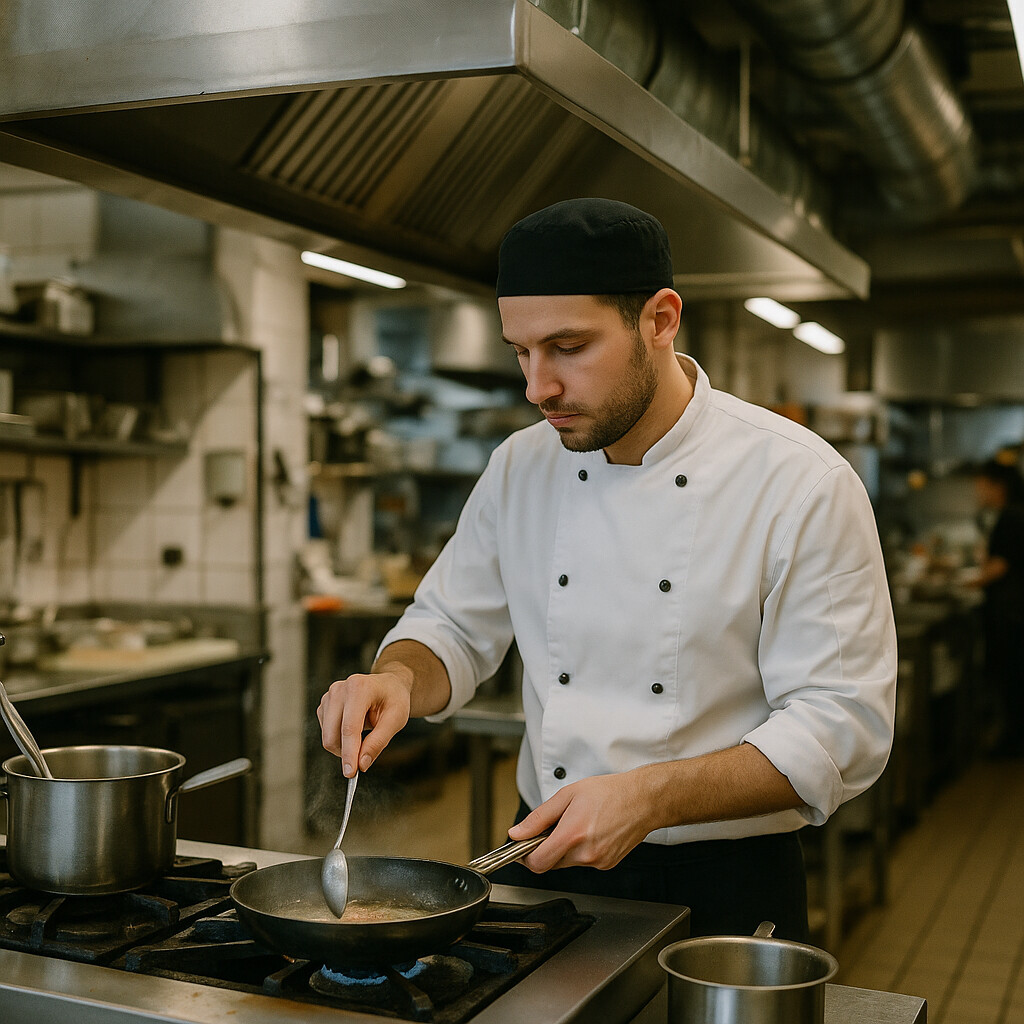
The heart of any successful restaurant lies in its back-of-house operations, where efficiency and safety drive profitability. Commercial kitchen design demands careful coordination of building systems to create a sanitation-focused environment while meeting stringent health and safety codes.
Electrical systems must handle the substantial power loads of commercial cooking equipment, dishwashing machines, and refrigeration units. We plan for 480-volt, three-phase service to heavy-duty appliances, with appropriate disconnect switches and GFCI protection where required by code. Proper electrical capacity prevents equipment failures during peak service hours and ensures reliable operation.
Plumbing infrastructure forms another critical foundation. Hot-water systems need adequate capacity for cooking, cleaning, and sanitation requirements. We coordinate grease-interceptor locations to capture waste oils before they enter the municipal system, sizing these units based on anticipated flow rates from dishwashers, prep sinks, and floor drains. The interceptor must be accessible for regular maintenance while remaining hidden from dining areas.
Fire suppression systems protect both the investment and occupants with Type I hood installations over grease-producing equipment such as fryers and grills. These systems include automatic wet-chemical suppression that activates when temperatures exceed safe thresholds. Ductwork must be constructed with welded seams and a proper slope to drain grease safely back to collection points.
Ventilation requirements extend beyond basic air movement to include specific CFM calculations based on cooking equipment duty classifications. Type I hoods require minimum exhaust rates of 300 to 700 CFM per linear foot, depending on the appliances, while makeup air systems balance the space to prevent negative pressure that could interfere with equipment performance.
ADA accessibility affects every aspect of restaurant design, from entry doors with proper maneuvering clearances to accessible dining tables and restroom facilities. Counter heights, aisle widths, and reach ranges must accommodate wheelchair users while maintaining efficient service flows. We integrate these requirements during initial layout development to avoid costly retrofits.
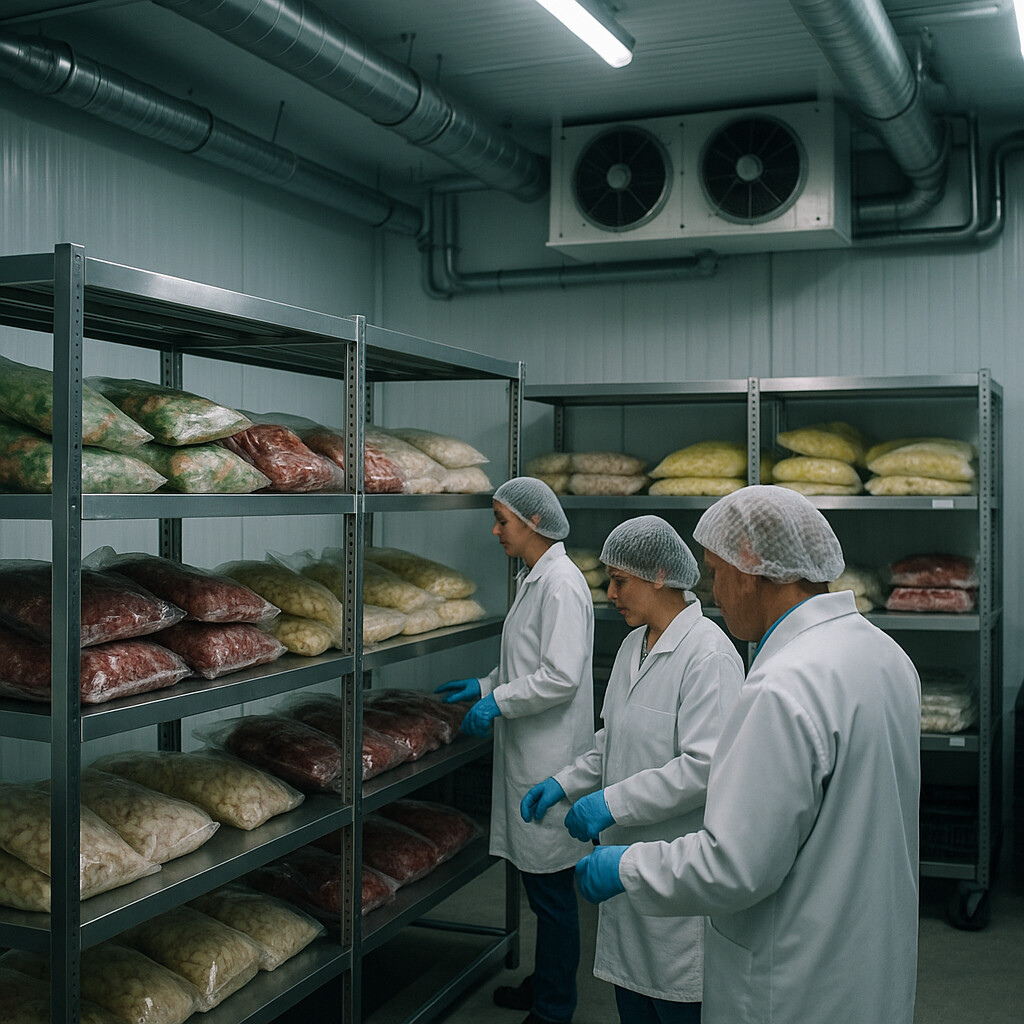
Equipment-ready layouts account for the precise dimensions and utility connections of each piece of kitchen equipment. Walk-in coolers need adequate clearance for door swings and compressor access. Dish machines require specific water pressure, drain connections, and electrical service, which we coordinate during rough-in phases to ensure seamless installation.
Food safety regulations influence material selections and surface treatments throughout the kitchen. Stainless-steel work surfaces, sealed floor systems, and cove base details eliminate areas where bacteria could accumulate. Floor drains with proper slope direct washdown water to approved disposal points while preventing standing water that creates health hazards.
How Can Design Drive Guest Experience And Throughput?
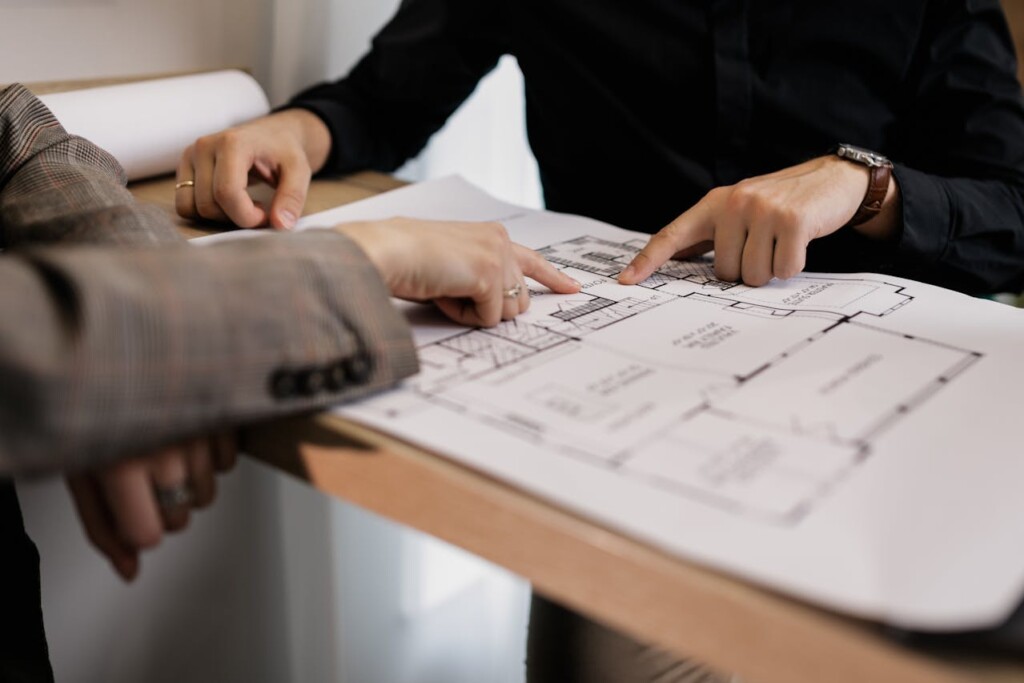
Strategic dining area design shapes both comfort and operational efficiency. The right combination of finishes, acoustic treatments, and high-traffic layouts transforms spaces into environments that guests enjoy while supporting smooth service flow.
Creating Atmosphere Through Material and Finish Selection
Finishes establish the foundation of guest perception and brand identity. Warm wood tones and textured surfaces create inviting environments for family dining, while sleek metals and glass convey modern sophistication for upscale casual concepts. We select materials that balance aesthetic appeal with the durability requirements of commercial kitchens and high-volume service.
Color psychology plays a significant role in dining room design. Warmer tones encourage longer stays and higher check averages, ideal for full-service concepts. Brighter, more energetic palettes support faster turnover in quick-service environments. Surface materials must also withstand daily cleaning protocols while maintaining their visual appeal throughout extended operating hours.
Lighting for Ambiance and Function
Layered lighting systems create the right mood while supporting operational needs. Ambient lighting sets the overall atmosphere, while task lighting ensures staff can work efficiently during service. Research shows that warmer lighting and softer textures create a calming effect, encouraging guests to stay longer and spend more, while brighter lighting promotes faster table turnover in high-volume operations.
LED lighting reduces energy costs and provides flexible control options. Dimming capabilities allow spaces to transition from bright lunch service to intimate dinner atmospheres. Strategic accent lighting highlights architectural features and brand elements, reinforcing visual identity throughout the dining experience.
Acoustic Treatments for Guest Comfort
Sound management directly impacts guest satisfaction and return visits. Hard surfaces common in restaurant construction can create excessive noise levels that interfere with conversation and overall dining enjoyment. We incorporate sound-absorbing materials through ceiling treatments, wall panels, and strategic furniture placement.
Acoustic design requires balancing energy and intimacy. Open kitchens and bar areas generate operational sounds that can enhance authenticity when properly managed. Zoning techniques, using materials and layouts, help control sound distribution, ensuring lively bar sections don’t overwhelm quieter dining areas.
High-Traffic Layouts for Service Efficiency
Clear circulation patterns support both guest flow and staff productivity. Wide aisles accommodate wheelchairs and service equipment while preventing bottlenecks during peak periods. We position host stations, service areas, and restroom access to minimize disruption to seated guests.
Flexible seating arrangements adapt to varying party sizes and service demands. Modular furniture systems allow quick reconfiguration for large groups or special events. Strategic placement of service stations reduces staff travel time while maintaining unobstructed sight lines for efficient table management.
Houston Trends in Bar Build-Outs and Outdoor Dining
Houston’s dining scene shows strong demand for integrated bar programs and covered outdoor spaces. Bar build-outs serve as focal points that encourage social interaction and drive beverage sales. We design these areas with proper ventilation, adequate storage, and efficient workflow between bar and kitchen operations.
Patio canopies extend usable space year-round while protecting guests from Houston’s intense sun and occasional rain. Retractable systems provide flexibility for different weather conditions and seasonal preferences. Walk-up windows connect indoor and outdoor service areas, supporting different ordering preferences and maximizing revenue opportunities.
Downtown streetscape improvements encourage outdoor dining. These initiatives influence façade design, canopy selection, and landscape integration. We coordinate with city guidelines to ensure outdoor elements enhance both guest experience and neighborhood character while meeting all regulatory requirements.
Why Prioritize Sustainability And Energy Efficiency Now?
Restaurants consume significantly more energy per square foot than most commercial buildings. Energy costs are a major expense that can impact profitability, especially as utility rates rise. We approach sustainable restaurant construction by focusing on systems that deliver immediate cost reductions and long-term operational efficiency.
LED lighting provides one of the fastest paybacks in restaurant energy efficiency. These systems use up to 90% less energy than traditional lighting while lasting much longer, reducing both energy bills and maintenance costs. We install LED systems throughout dining areas, kitchens, and exterior spaces to create consistent lighting quality while minimizing energy consumption.
Designing Energy-Efficient HVAC Systems
HVAC systems account for the largest share of restaurant energy use. We design and install efficient HVAC systems that include programmable thermostats, high-efficiency equipment, and properly sized ventilation to match actual demand rather than oversizing for worst-case scenarios. Scheduling regular maintenance at construction handover helps keep these systems at peak efficiency.
Smart HVAC controls allow restaurants to automatically adjust temperatures based on occupancy and operating hours. We coordinate with HVAC contractors to install systems that reduce energy waste during closed hours while maintaining proper temperatures for food safety and guest comfort during service.
Houston’s Sustainability Recognition Program
Houston’s hospitality program actively rewards restaurants that implement sustainable practices. These initiatives include comprehensive recycling programs, composting systems for food waste, and avoiding single-use plastic cutlery for takeout orders. We work with operators to integrate waste management infrastructure during construction rather than retrofitting later.
Installing EV charging stations and bike racks appeal to environmentally conscious guests while supporting recognition in local sustainability guides. We coordinate electrical capacity and site layout to accommodate these features without disrupting parking or pedestrian flow. Tree planting and landscaping initiatives further enhance a restaurant’s sustainability profile while improving curb appeal.
Supporting local sourcing often requires specialized storage and preparation areas. We design kitchen layouts that strengthen relationships with local suppliers through appropriate receiving areas, storage systems, and prep space configurations that accommodate fresh, locally sourced ingredients.
Sustainable construction practices extend beyond operational systems to include eco-friendly building materials and waste reduction during construction. We source materials with recycled content, low-VOC finishes, and locally manufactured products when possible. Construction waste management reduces landfill impact and can lower disposal costs.
Energy-efficient appliances qualified by ENERGY STAR can reduce kitchen energy consumption by 10 to 70 percent depending on equipment type. We coordinate with kitchen designers to specify efficient refrigeration, cooking, and dishwashing equipment that matches operational needs while minimizing energy use. The initial investment in efficient equipment typically pays for itself through reduced utility costs within the first few years of operation.
Conclusion And Next Steps For Houston Casual Dining Projects
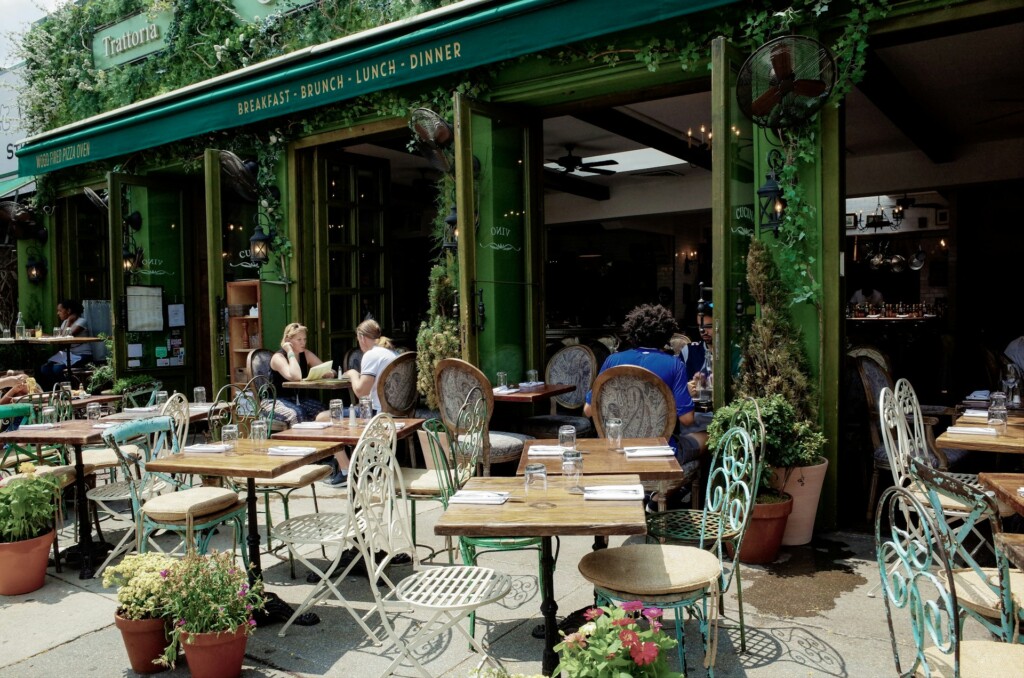
Houston’s casual dining market rewards builders who balance speed, compliance, and guest appeal. We align efficient kitchen layouts with code requirements while creating spaces that encourage repeat visits. This integrated approach reduces construction delays and helps restaurants open on schedule with facilities designed for both peak performance and long-term success.
Successful projects start with thorough pre-design work that defines your program and site constraints. Move systematically through schematic design and construction documents before initiating the permitting process. Incorporate patio features, bar programs, and sustainable systems during design rather than as afterthoughts. Energy-efficient HVAC, LED lighting, and waste management systems reduce operating costs while supporting Houston’s hospitality recognition programs. Together, these choices create restaurants that serve guests effectively while controlling costs.
Ready to build your Houston casual dining project? Contact EB3 Construction to coordinate your restaurant build from concept to opening day.