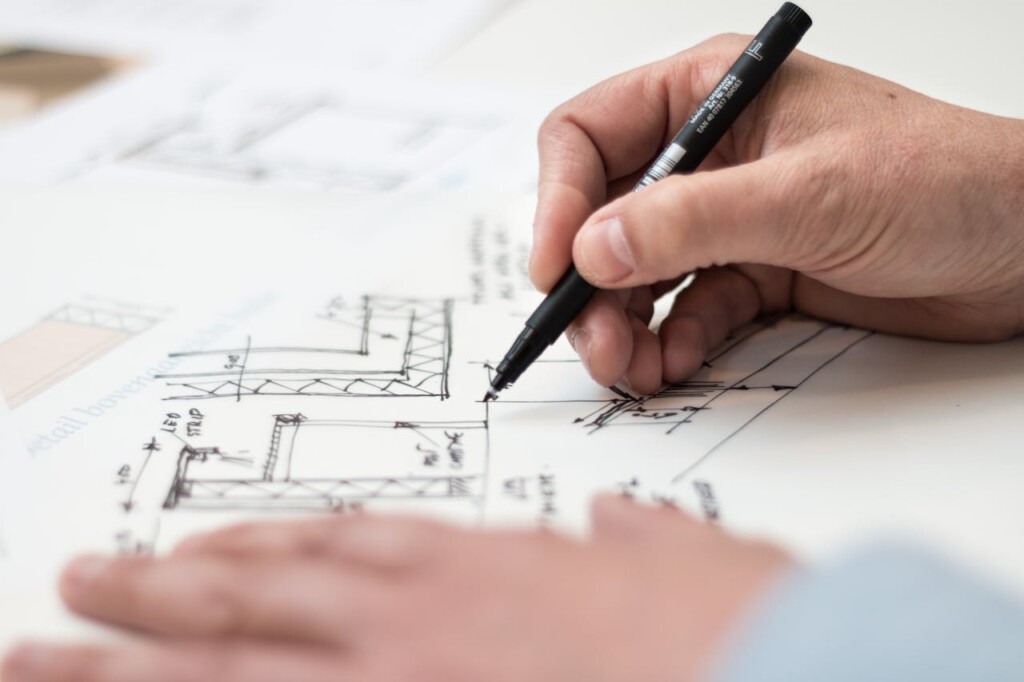
Austin’s construction market demands precision from the start. Construction planning services in Austin establish the foundation for every successful project, defining clear goals, scope, and resource allocation before any shovel touches dirt.
These services include comprehensive feasibility studies, thorough site evaluations and site preparation, early budget development, and proactive risk assessment. We coordinate design intent with local building codes and state regulations while maintaining transparent communication with all stakeholders throughout the planning phase.
Which Steps Are Included In Pre-Construction Planning?
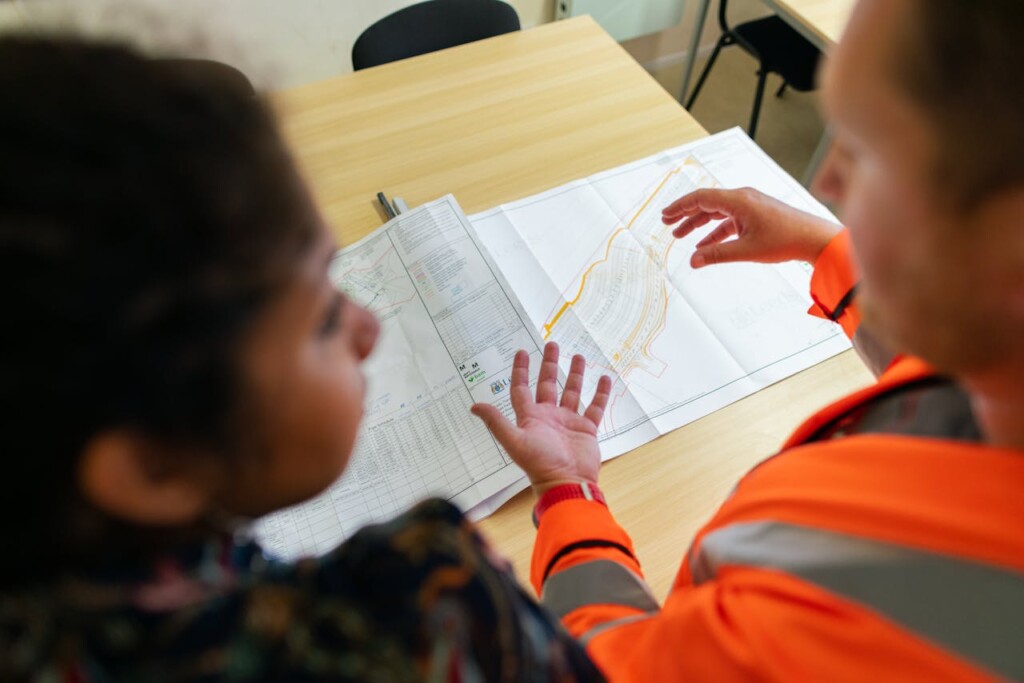
Pre-construction planning establishes the foundation for construction success through systematic analysis and preparation. We organize these activities into six core areas that define project scope, assess feasibility, and prepare for construction execution. Each step builds upon previous work to create a comprehensive roadmap that guides teams from concept to construction mobilization.
Scope Definition and Project Objectives
Scope definition creates clear project boundaries and establishes measurable objectives. We work with owners to define deliverables, performance criteria, and success metrics that align with their vision. This process includes outlining design requirements, space specifications, and functional needs that guide all subsequent planning activities.
Project objectives connect scope definition to broader business goals and community needs. We help owners establish realistic expectations for budget, schedule, and quality while identifying potential constraints early. Clear objectives enable better decision-making throughout the planning process and provide benchmarks for measuring progress.
Feasibility Studies and Site Analysis
Feasibility studies evaluate whether proposed projects can be completed within available resources and constraints. We analyze financial viability, regulatory requirements, and technical challenges to determine project practicality. These studies examine market conditions, financing options, and return on investment to support go/no-go decisions.
Site evaluations assess physical conditions, environmental factors, and development potential. We coordinate geotechnical investigations, utility availability studies, and zoning reviews, including zoning and land use and zoning compliance. Site analysis also includes traffic impact assessments, drainage evaluations, and access planning that influence design and construction methods.
Risk Assessment and Mitigation Planning
Risk assessment identifies potential challenges that could impact project success. We evaluate design risks, construction hazards, regulatory compliance issues, and market conditions that might affect schedule or budget. This systematic review covers technical, financial, environmental, and operational risks specific to each project.
Mitigation strategies address identified risks through planning and resource allocation. We develop contingency plans, establish risk reserves, and create monitoring protocols that enable proactive management. Risk mitigation also includes insurance planning, safety protocols, and change management procedures that protect project objectives.
Cost Estimating and Budget Development
Cost estimating combines detailed material takeoffs with current market pricing to establish accurate project budgets. We analyze labor requirements, equipment needs, and indirect costs to create comprehensive estimates. Historical data from similar projects help validate assumptions and improve accuracy in local market conditions.
Budget development organizes cost estimates into manageable categories with appropriate contingencies. We establish cost-control frameworks that enable tracking and management throughout the project lifecycle. Value engineering during this phase identifies opportunities to optimize costs while maintaining quality and functionality requirements.
Project Scheduling and Timeline Development
Project scheduling creates realistic timelines that coordinate all construction activities. We develop work breakdown structures that identify task dependencies, resource requirements, and critical path activities, and we apply takt time planning where appropriate. Scheduling considers permit approval times, material lead times, and seasonal construction constraints that affect project timing.
Timeline development integrates design phases, procurement activities, and construction sequencing into coordinated schedules. We align contractor availability, inspection requirements, and owner occupancy needs with construction milestones. Early scheduling also identifies long-lead items and enables proactive procurement planning.
Value Engineering and Cost Optimization
Value engineering systematically reviews design and construction methods to identify cost savings without compromising quality. We analyze material selections, construction methods, and system choices to optimize value. This process involves collaborative reviews with architects, engineers, and specialty contractors to explore alternatives.
Cost optimization balances initial construction costs with long-term operational efficiency. We evaluate energy systems, maintenance requirements, and lifecycle costs to inform design decisions, alongside sustainable construction practices. Value engineering during pre-construction provides the greatest opportunity for meaningful cost reductions while maintaining project goals.
How Are Cost, Schedule, And Risks Controlled?
Budget And Cost Management
We establish clear budgeting frameworks that track every dollar from project start through completion. Cost estimating combines historical project data with current market rates to build accurate baseline budgets. We implement systematic cost tracking that monitors actual expenditures against approved budgets, providing real-time visibility into financial performance.
Change order management is a critical control mechanism. When scope changes occur, we evaluate cost impacts before approval and document all budget adjustments. Earned value management techniques help us measure cost performance by comparing planned costs to actual work completed. This approach catches cost overruns early, allowing swift corrective action.
Resource forecasting uses past project performance to predict future material and labor needs. We analyze spending patterns to identify potential budget pressures before they impact the schedule. Regular cost audits verify that expenditures align with approved budgets and contract terms.
Project Controls And Monitoring
Our project controls system monitors work activity through detailed progress tracking and performance metrics. We collect data on task completion, resource utilization, and milestone achievement to maintain schedule visibility. This systematic approach identifies delays before they cascade through the project timeline.
We refine historical data to improve future project estimates. We analyze completed projects to understand where estimates aligned with actual costs and schedules. These insights enhance our estimating accuracy for similar future work. Performance benchmarking against industry standards ensures our controls remain competitive.
Weekly progress reports consolidate cost, schedule, and performance data for stakeholders. We track key performance indicators that signal potential problems early. These metrics drive proactive decision-making rather than reactive problem-solving.
Scheduling Optimization And Risk Mitigation
Scheduling optimization balances resource availability with project demands. We identify the critical path through project activities and focus control efforts on tasks that directly impact completion dates. Resource leveling prevents bottlenecks by distributing workloads across available timeframes.
Contingency planning addresses potential schedule risks before they occur. We develop alternative approaches for critical activities and maintain buffer time for high-risk work. Weather delays, material shortages, and permit processing receive specific contingency attention on Austin projects.
Risk assessment evaluates both the probability and impact of potential issues. We maintain risk registers that track identified risks throughout the project lifecycle. Mitigation strategies reduce risk probability, while response plans minimize impact when risks materialize. Regular risk reviews update assessments as project conditions change.
Proactive risk management prevents small issues from becoming major problems. We monitor leading indicators that signal developing risks, such as resource shortages or permit delays. Early intervention maintains project momentum and budget compliance.
How Are Design, Compliance, And Stakeholders Coordinated?
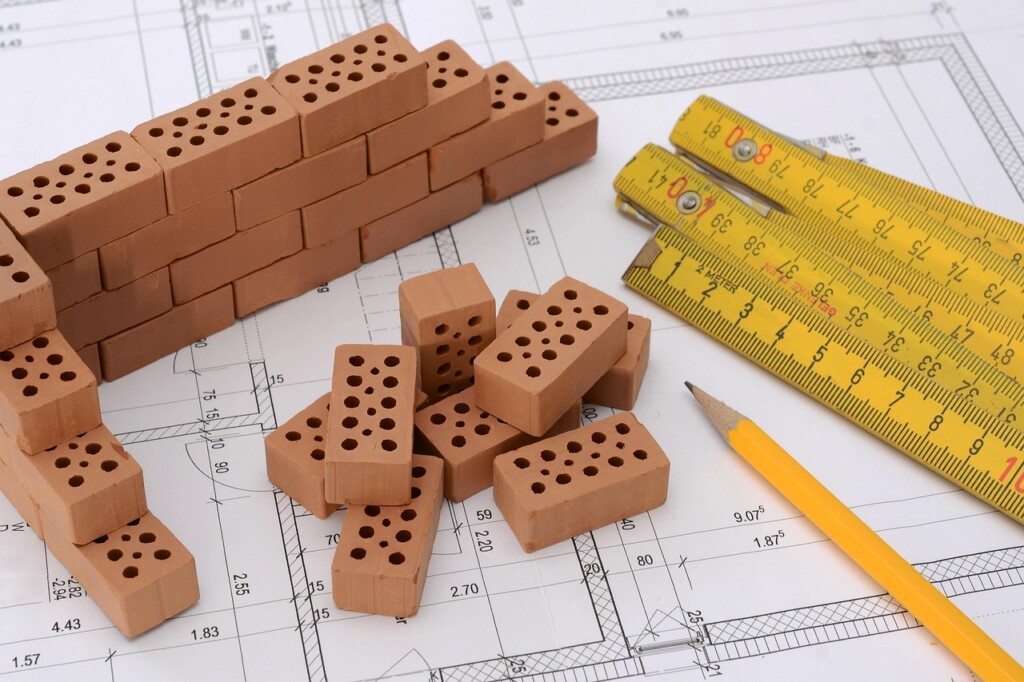
Design Management Fundamentals
Design management begins with aligning architectural and engineering plans with client expectations and project requirements. We establish clear design standards that reflect both the owner’s vision and local construction realities. This approach ensures consistency across all design disciplines while maintaining compliance with Austin building codes.
The design phase requires continuous refinement as project details evolve. We coordinate design changes with all stakeholders to prevent conflicts between architectural intent and engineering requirements. That alignment prevents costly revisions during construction and keeps projects moving forward.
Stakeholder Coordination Network
Effective coordination involves multiple parties working toward shared objectives. We manage communication between architects, engineers, MEP consultants, and specialty contractors throughout design development. Each discipline contributes expertise while staying aligned with overall project goals.
Utility coordination requires early engagement with local providers to ensure proper service connections and capacity planning. We work with Austin Energy, Austin Water, and telecommunications providers to integrate their requirements into the design. This proactive approach prevents delays caused by utility conflicts or inadequate infrastructure planning.
Regulatory Compliance Management
Compliance with Austin building codes requires ongoing attention throughout the design process. We track requirements for fire safety, accessibility, energy efficiency, and structural standards, and reference the Texas energy code as applicable. Regular code reviews ensure designs meet current regulations before permit submission.
Environmental regulations add another layer of complexity to Austin projects. We coordinate with environmental consultants to address stormwater management, tree preservation, and development standards. These requirements often influence site layout and building design decisions early in the process.
Historic district projects require additional coordination with preservation specialists and city review boards. We navigate these requirements while balancing preservation goals with modern building performance standards.
Communication And Reporting Systems
Regular design meetings keep all parties informed about project progress and emerging issues. We schedule weekly coordination sessions during active design phases and adjust the frequency based on project complexity. These meetings address design conflicts before they impact construction schedules.
Transparent reporting provides stakeholders with clear project status updates. We track design milestones, permit submissions, and approval timelines through structured reporting systems. This visibility helps owners make informed decisions and adjust project expectations when necessary.
Community engagement is critical for projects with public impact or neighborhood sensitivity. We coordinate with local stakeholders to address concerns and incorporate feedback where feasible. This engagement builds support for the project and reduces potential opposition during the approval process.
What Quality, Auditing, And Closeout Tasks Should You Expect?
Quality Control And Safety Protocols
Quality control begins during active construction and extends through project completion. We establish safety protocols at the project start and maintain them through regular inspections and documentation. These protocols cover everything from material testing to worker safety compliance. Our teams conduct scheduled quality checks at key milestones to verify that the work meets specifications and industry standards.
Safety inspections occur alongside quality reviews to ensure work areas remain compliant with OSHA requirements, as outlined by Procore and the Texas Department of Insurance. We document all findings and corrective actions taken. This systematic approach prevents defects from advancing to later phases, where correction becomes more expensive and time-consuming.
Project Auditing And Compliance Checks
Auditing activities verify contract compliance, financial accuracy, and performance against standards. We conduct regular reviews of project expenditures against approved budgets and schedules. These audits track change orders, labor costs, and material expenses to identify potential overruns before they impact project delivery.
Compliance checks ensure adherence to building codes, environmental regulations, and permit conditions. Our teams coordinate with local authorities to confirm all work meets Austin’s specific requirements. Documentation from these checks becomes part of the closeout package and supports final inspections.
Project Closeout Documentation
Closeout documentation collection begins early in construction, rather than waiting until project end. We collect warranties, operating manuals, as-built drawings, and maintenance instructions as work progresses. This approach prevents delays when contractors and suppliers have moved to other projects.
Essential closeout documents include lien waivers, final change orders, test reports, and compliance certificates. We organize these materials digitally for easy access and future reference. Complete documentation packages support smooth handover and help owners manage their facilities effectively.
Final Inspections And Permits
Final inspections represent the culmination of quality control efforts throughout construction. Local building authorities conduct these inspections to verify compliance with approved plans and applicable codes. We coordinate with inspectors to address any findings promptly and maintain project schedules.
Permit closure requires passing all required inspections and submitting final documentation to the appropriate agencies. This process includes mechanical, electrical, plumbing, and fire safety approvals, depending on the project scope. We track permit status throughout construction to avoid surprises during closeout.
Handover And Operational Transition Support
Handover activities transfer project responsibility from construction teams to facility operators. We provide training on building systems, equipment operation, and maintenance procedures. This knowledge transfer ensures owners can operate their facilities safely and efficiently from day one.
Post-construction support includes warranty coordination and addressing any issues that emerge during initial occupancy. We maintain relationships with key suppliers and subcontractors to facilitate quick resolution of warranty items. Our teams remain available during the transition period to support smooth facility operations and answer operational questions.
Conclusion And Next Steps For Construction Planning In Austin

Effective construction planning services in Austin create a framework that connects all project elements. We integrate scope definition with budget constraints, align schedules with design requirements, and maintain regulatory compliance throughout the process. This comprehensive approach transforms complex construction challenges into manageable, executable plans.
Focus first on establishing clear project parameters. Begin with thorough feasibility assessments and site evaluations to inform realistic budgets and timelines. Implement robust project controls to track costs, monitor schedules, and identify risks before they escalate. Coordinate with design teams early to prevent costly changes during construction. Plan for quality audits, compliance checks, and project closeout procedures well before you break ground. These preparations ensure smoother execution and successful project delivery.
Ready to develop a construction plan that keeps your Austin project on track and within budget? Contact EB3 Construction to start your pre-construction planning process.