
Single-source construction services in Dallas consolidate every aspect of project delivery under one accountable provider. We handle engineering and design development, manage municipal permitting requirements, execute field construction—including excavation and roofing—and deliver comprehensive as-built documentation.
This integrated approach closes coordination gaps that often occur when property owners manage separate contracts for design, permitting, and construction. The Dallas–Fort Worth construction market has embraced this delivery model for complex builds in telecommunications infrastructure, corporate interior renovations, and residential remodels, where a seamless project flow delivers successful outcomes.
How Does A Single-Source Model Cover The Full Project Lifecycle?
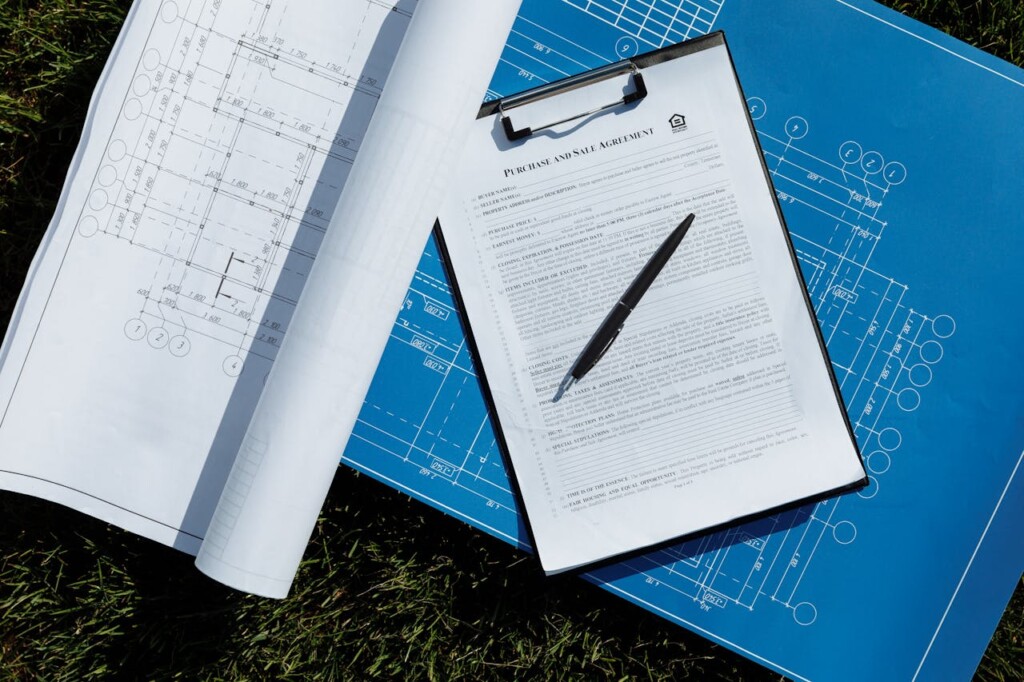
Program management starts with clear project objectives and aligned stakeholder expectations. We coordinate engineering assessments to verify site conditions, utility requirements, and regulatory constraints. This foundation enables us to develop comprehensive preconstruction plans that address scheduling conflicts, procurement timelines, and risk mitigation strategies before fieldwork begins.
Risk planning is more effective when a single team handles both design and construction. We identify potential delays early through soil analysis, permit review, and coordination with local utilities. Our schedules integrate the Critical Path Method (CPM) with real-time field updates to keep progress tracking accurate throughout the project.
Design-to-Construction Integration
Virtual Design & Construction tools enable us to model complex systems before installation begins. We use VDC for clash detection in underground utilities, aerial pathway planning, and equipment placement optimization. This technology reduces field conflicts and streamlines construction sequencing.
Our self-perform operations help eliminate subcontractor coordination delays while maintaining quality control standards. Certified technicians handle fiber splicing using fusion splice methods for single-mode and multimode applications. Maintenance and upgrades are more efficient when the same team understands the original installation methodology.
Comprehensive Project Management
Construction management software tracks materials, labor allocation, and milestone completion in real time. We integrate lean construction principles to reduce waste and optimize workflow between trade activities. Supply chain management ensures critical materials arrive when needed without excess inventory costs.
Permitting coordination starts during design development to align construction documents with municipal requirements. Our teams prepare as-built drawings throughout construction rather than after completion, ensuring accuracy and reducing project closeout time.
Residential Integration Services
Residential design-build combines architectural and interior design under a single contract. We maintain budgeting transparency from concept through construction completion. Project management software enables homeowners to track progress, change orders, and budget impacts throughout the build process.
Build execution integrates all trades under unified scheduling and quality control protocols. This approach closes gaps between design intent and construction delivery while maintaining clear communication with property owners.
Where Do Single-Source Services Fit In Dallas Projects?
Single-source construction services have proven effective across sectors in the DFW market—each with distinct project requirements and delivery challenges. The approach adapts to varying scales and complexities while maintaining unified accountability throughout the project lifecycle.
Telecom and Utilities Infrastructure
DFW 5G infrastructure projects demonstrate the scale at which single-source delivery excels. Recent telecommunications work has integrated engineering and outside plant (OSP) construction to install more than 1 million feet of underground duct systems across the metropolitan area. These initiatives have also coordinated approximately 250,000 feet of aerial fiber construction and nearly 1.5 million feet of fiber-optic cable placement.
Small cell site installations also benefit from coordinated delivery. Hundreds of sites across Dallas require engineering, permit coordination, construction, and ongoing maintenance. Single-source teams handle the technical complexity of fiber splicing, underground duct installation, and node construction while also managing municipal approvals and as-built documentation.
Communications infrastructure projects benefit from one team managing technical installation and regulatory coordination. This reduces handoffs between specialized contractors and keeps complex telecom projects moving through permitting and construction.
Commercial and Institutional Buildings
Corporate centers across Dallas use single-source delivery for interior improvements, system upgrades, and space renovations. These projects often require preconstruction planning, construction management, and Virtual Design & Construction (VDC) to minimize disruption to ongoing operations.
Healthcare facilities present unique challenges: single-source teams coordinate renovations and expansions while maintaining operational continuity. This approach supports integrated planning of mechanical systems, interior improvements, and technology infrastructure under unified project controls.
Educational buildings and government projects frequently use this delivery method for comprehensive renovations spanning multiple building systems. Single-source teams coordinate HVAC upgrades, interior renovations, and technology infrastructure while managing the complex approval processes common in institutional work.
Residential Remodeling Projects
Dallas residential remodels increasingly bundle architectural design, interior design, budgeting, and construction execution into one coordinated process. This integrated approach is especially valuable for full-home renovations where design decisions affect structural work, systems installation, and finish coordination.
Home remodeling projects benefit from designers and builders collaborating from initial concepts through final inspections. This reduces change orders and keeps renovation timelines more predictable by addressing constructability issues during design rather than during construction.
Residential single-source delivery also streamlines the permitting process, as the same team handles design development, permit applications, construction execution, and final inspections. This continuity helps ensure compliance with local building codes and reduces the potential for rework.
What Benefits And Risks Should Dallas Owners Consider?

Single-source construction services offer clear advantages for Dallas property owners seeking unified accountability and streamlined execution. The consolidated approach yields measurable benefits but also presents specific risks that call for proactive management and proven project controls.
Key Benefits for Property Owners
One accountable team eliminates handoff delays between separate design and construction groups. This unified responsibility keeps schedules tighter and maintains scope alignment from initial planning through closeout. When design changes arise, the same team handles both the change and its construction implications without coordination gaps.
VDC (Virtual Design and Construction) and preconstruction services improve coordination before fieldwork begins. Virtual models identify conflicts among mechanical systems, structural elements, and architectural features. Changes are less costly to implement at this stage. This front-loaded planning reduces rework and maintains construction momentum once crews mobilize.
Streamlined communication flows directly between the owner and contractor without multiple intermediaries. Project decisions move faster when one team owns both design intent and field execution. This direct line of accountability creates clearer expectations and faster problem resolution.
Project Risks and Control Measures
Large projects can still face delays, cost overruns, and claims without strong project controls. Even unified teams still need structured oversight to track performance against baseline schedules and budgets. Construction project controls provide the framework for early issue identification and corrective action.
CPM scheduling provides critical-path visibility and identifies tasks that directly affect completion dates. Cost monitoring and forecasting track expenses against approved budgets and flag potential overruns before they occur. Early risk-identification processes examine factors such as weather delays, permit timing, and material availability that could affect project outcomes.
Clear stakeholder communication prevents misaligned expectations that lead to disputes. Regular progress meetings, shared dashboards, and documented decisions keep all parties informed about project status and upcoming challenges. This transparency builds trust and supports collaborative problem-solving when issues arise.
DFW-Specific Considerations
Municipal coordination on design, permitting, and as-builts helps prevent rework and slowdowns specific to Dallas–Fort Worth (DFW) jurisdictions. Local building departments have distinct requirements for submittal formats, inspection protocols, and closeout documentation. Single-source providers familiar with DFW procedures navigate these requirements more efficiently than teams learning local practices mid-project.
Weather considerations for North Texas require schedule buffers for summer heat limitations and winter freeze protection. Material delivery logistics account for DFW traffic patterns and regional supply chain networks. These local factors influence project controls and risk management strategies.
Dispute Resolution and Claims Avoidance
When disputes arise, structured resolution processes and forensic analysis help quantify impacts and accelerate resolution. Early intervention through mediation and arbitration helps prevent minor disagreements from escalating into costly litigation. Clear documentation of decisions, changes, and progress supports fair resolution when conflicts occur.
Forensic analysis provides an objective assessment of schedule delays and cost impacts based on project records and industry standards. This data-driven approach supports negotiation and resolution rather than prolonged disputes that delay project completion and increase costs for all parties.
How Should Teams Select And Work With A Single-Source Provider In Dallas?
Provider selection starts by verifying lifecycle coverage across the entire project timeline. Confirm that a single team manages engineering phases, preconstruction planning, field delivery and execution, permitting, and as-built documentation. This end-to-end capability helps prevent coordination gaps that can derail schedules and budgets on complex Dallas projects.
Dallas projects require sector-specific technical competencies. Telecommunications work calls for verified outside plant (OSP) capabilities such as underground duct installation, aerial fiber construction, fiber splicing expertise, and small cell site experience. Commercial and institutional projects need demonstrated experience with interior improvements, building renovations, facility expansions, and system upgrades. We evaluate these capabilities through past project portfolios and technical certifications.
Methods and Tools Assessment
Examine the provider’s project management approach, including project controls, VDC implementation, and lean construction methods. Request demonstrations of their Virtual Design & Construction platforms and how they integrate with field operations. Self-perform capability is critical in Dallas, where subcontractor availability fluctuates with economic cycles.
Supply chain management is critical during material shortages and periods of price volatility. Providers should demonstrate established vendor relationships, procurement strategies, and inventory management systems. We look for teams that maintain direct supplier contracts and can navigate material delays without compromising project timelines.
Communication Framework Development
Establish clear communication protocols that connect project owners, design teams, and trade partners from initiation through closeout. Effective providers offer regular reporting systems, stakeholder meeting schedules, and issue-escalation procedures. The communication plan should specify response times, reporting formats, and decision-making authority.
Digital collaboration tools improve coordination across geographically distributed teams, which are common on Dallas-area projects. Providers should use cloud-based project management platforms that give authorized stakeholders real-time access to schedules, budgets, and project documentation.
Deliverable Confirmation
Define specific project deliverables before contract execution to prevent scope creep and disputes. Schedule baselines must include critical-path activities, milestone dates, and contingency provisions. Budget control systems should track costs against approved baselines with regular forecasting updates and variance reporting.
Risk logs should document identified project risks, mitigation strategies, and responsibility assignments. Closeout documentation requirements include as-built drawings, warranty information, operation manuals, and maintenance schedules. These deliverables ensure smooth project transitions and support long-term facility management needs in Dallas’ demanding construction environment.
Conclusion And Next Steps
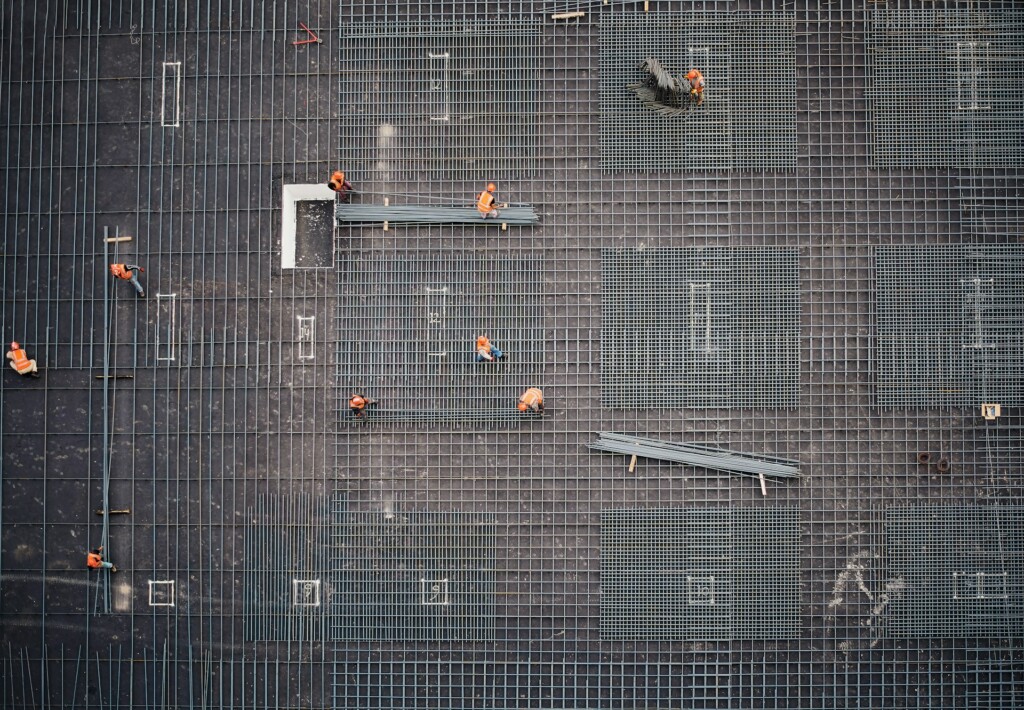
Single-source construction services in Dallas bring planning, engineering, construction, and closeout together under one accountable provider. This integrated approach supports projects such as communications infrastructure, commercial interiors, institutional renovations, and residential remodels across the Dallas–Fort Worth area. Critical Path Method scheduling, cost monitoring, VDC coordination, and clear stakeholder communication provide the foundation for successful project delivery.
Align your project scope with full lifecycle coverage before selecting a provider. Confirm their experience with Dallas permitting processes and the as-built documentation requirements set by municipal standards. Establish deliverables upfront, including risk logs, schedule baselines, and closeout documentation. Set communication protocols that connect owners, designers, and field teams from preconstruction through handover.
For comprehensive construction services that integrate every phase of your Dallas project, contact EB3 Construction to discuss your requirements.