Austin’s automotive showroom construction has evolved beyond traditional sales floors to create comprehensive customer destinations. Modern dealerships blend vehicle displays with integrated service areas, event-hosting capabilities, and sophisticated customer-flow management.
We see an increasing emphasis on multi-level layouts that maximize site efficiency while creating immersive brand experiences. Glass facades, integrated service visibility, and flexible event spaces reflect Austin’s broader retail evolution toward community-oriented, experiential environments that engage customers throughout their ownership journey.
Which Program Elements And Layouts Are Shaping Austin Dealership Facilities?
Austin showrooms demonstrate a shift toward integrated programming in which sales, service, and event functions share the same footprint. We see this approach take multiple forms across recent dealership projects. Two-story showrooms anchor the customer experience, while mezzanine vehicle displays add vertical showcase opportunities.
Basement-level service centers maximize ground-level space for customer interaction, positioning service operations strategically below grade. Some facilities incorporate top-level parking decks that double as event spaces, creating revenue opportunities beyond traditional automotive sales. Additional parking levels below these event decks provide practical vehicle storage and customer convenience.
A notable local example is a three-level building that houses showroom space, sales offices, service shop areas, and lobby functions within a unified structure. This vertical approach allows dealers to maximize their site footprint while maintaining operational efficiency.
Another programming strategy separates dealership operations across two distinct buildings. The East Service building occupies approximately 54,000 square feet and focuses on comprehensive service operations. The West building spans about 49,300 square feet and houses showroom functions, service write-up areas, and quick service capabilities. This campus approach provides clear operational separation while maintaining customer flow between functions.
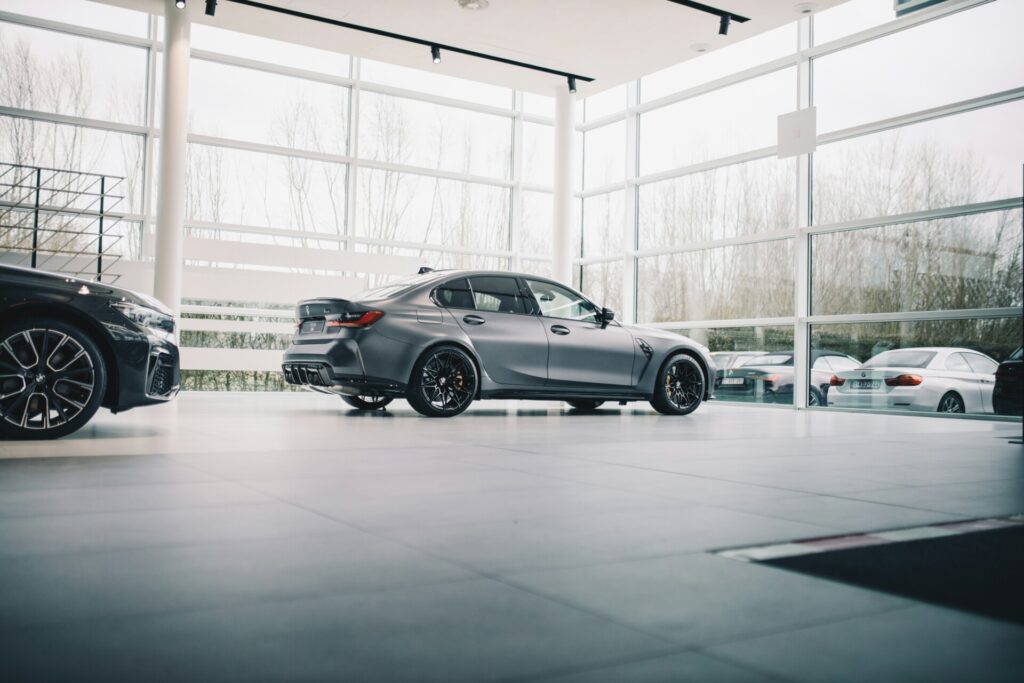
Design execution emphasizes glass-fronted exteriors that showcase interior activity and vehicle displays to passing traffic. Interior finishes feature polished wood flooring that adds warmth while supporting heavy vehicle loads. Upper-level vehicle displays capitalize on vertical space and create dramatic sightlines throughout the showroom.
Integrated advertising technology supports an immersive customer experience through embedded screens, interactive displays, and digital signage systems. These elements allow dealers to customize presentations and respond to real-time inventory changes as customers explore the facility.
How Do Size, Cost, And Schedule Benchmarks Look For Austin Dealership Builds?
A recent Austin example provides concrete benchmarks for dealership construction planning. This project shows how dealerships approach space allocation and budget management in the current market.
The freestanding dealership totals approximately 103,300 square feet across a two-building campus. The east service building encompasses about 54,000 square feet, while the west building dedicates roughly 49,300 square feet to showroom functions, service write-up areas, and quick-service operations.
Construction costs for this project are estimated at $16.3 million, or about $158 per square foot across the entire facility. The schedule runs from a July 2024 start to projected completion in Q3 2025, a roughly 15-month build.
These figures reflect current market conditions for dealership construction in Austin. The two-building approach supports operational flexibility and clearly separates customer-facing areas from service operations. The size allocation places nearly equal emphasis on service capacity and customer experience spaces.
Budget considerations at this scale typically account for specialized automotive systems, customer amenities, and service bay infrastructure. The schedule allows proper sequencing of complex MEP systems and installation of the specialized equipment dealerships require.
This local benchmark gives developers and dealership groups a reference point for similar projects in the Austin market. The scope and timing align with current construction capacity and material availability in the region.
How Can Teams Reduce Sales Disruption And Keep Branding Consistent During Builds?
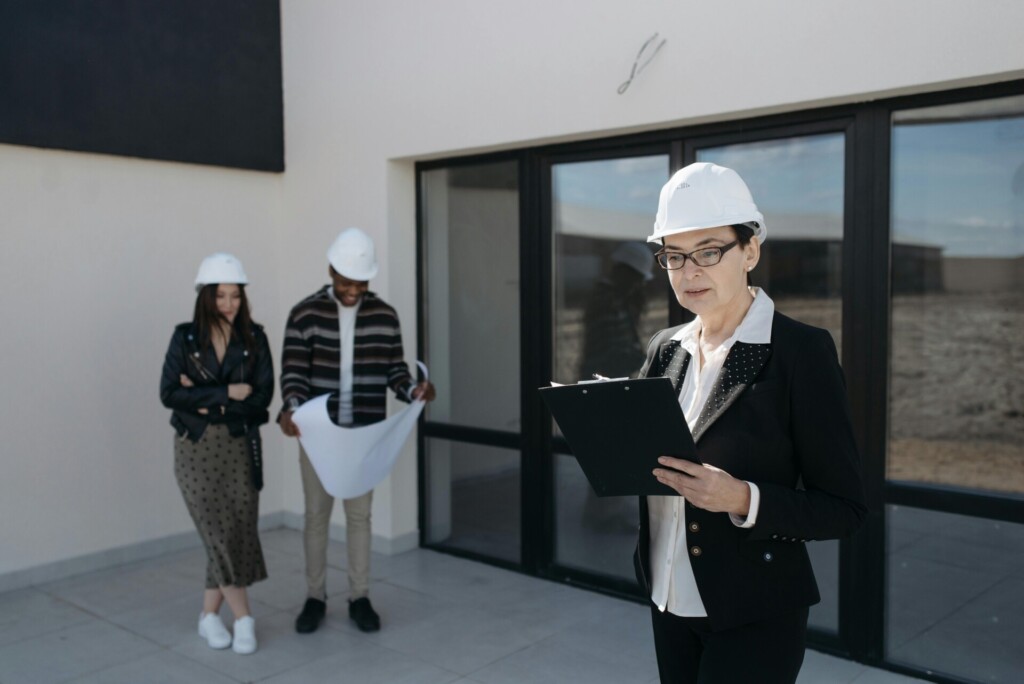
We approach construction phasing as a critical success factor that keeps revenue flowing while work progresses. Breaking projects into carefully sequenced phases allows dealerships to maintain essential operations without shutting down.
Clear traffic flow planning is essential on constrained sites. We map customer entry points and sales areas that must remain accessible, then design temporary routes to guide visitors safely around active work zones.
Strategic Communication for Ongoing Operations
Daily coordination meetings between our field teams and dealership staff prevent conflicts before they start. We provide regular updates on upcoming work that could affect customer areas or service operations. These conversations help align construction activities with peak business hours and special events.
For busy lots, we schedule high-impact tasks during off-hours or slower business periods. Concrete pours, major equipment deliveries, and noisy demolition work typically happen after closing or in the early morning to minimize customer disruption.
Maintaining Brand Standards Through Construction
Brand consistency requires detailed coordination before construction begins. We work with corporate design standards to establish finish specifications and signage requirements that apply across locations. This preparation prevents costly changes during construction.
Shop drawings are the foundation for maintaining visual consistency. We develop comprehensive drawings that reconcile manufacturer requirements with local building codes and site conditions. These documents guide every subcontractor and supplier to ensure uniform results.
Our subcontractor selection process focuses on teams experienced in automotive facilities. Dealership finishes demand precision in areas such as showroom flooring, specialized lighting systems, and service area installations. We coordinate with suppliers who understand manufacturer design control documents and can execute high-end finishes consistently.
Customer Access Planning During Construction
Protected walkways and clear signage help customers navigate construction zones safely. We install temporary barriers that maintain a professional appearance while directing foot traffic away from active work areas.
Service department access receives special attention, as it generates significant revenue during construction. We coordinate with service managers to maintain drive-through lanes and customer drop-off zones throughout the project timeline.
What Austin Design Trends Are Influencing Showroom Experience And Operations?
Austin’s retail market drives showroom design toward more engaging, community-focused environments. According to CBRE’s 2024 Market Outlook, the retail sector emphasizes experiential retail and dining. These trends directly shape how we approach automotive showroom construction.
Interactive environments are central to Austin dealership design. Embedded display technology transforms traditional showrooms into immersive spaces where customers can explore vehicle features through digital interfaces. We integrate these systems during construction to enable seamless technology deployment without disrupting the building’s structure or aesthetic flow.
Service visibility is a key operational advantage. Customer lounges now feature clear sight lines into service departments, creating transparency that builds trust. We design these spaces with strategic glass placement and interior layout coordination to maintain acoustic separation while preserving visual connections.
Event-capable spaces expand showroom functionality beyond vehicle sales. These multipurpose areas host community events, product launches, and customer appreciation gatherings. We build flexible infrastructure that supports various configurations without compromising primary showroom operations.
Below-grade parking solutions preserve valuable site area for customer-facing functions. This approach aligns with Austin’s push for walkable, community-focused development. We coordinate excavation and structural systems to create seamless transitions between parking levels and showroom floors.
Glass facades and warm interior materials define Austin’s modern showroom aesthetic. These design choices create inviting streetscapes that draw customers inside while maintaining the clean, professional appearance dealerships require. We select materials and coordinate glazing systems to balance natural light with climate control needs during Austin’s hot summers.
Sustainable features integrate throughout showroom construction as Austin emphasizes environmental responsibility. We incorporate energy-efficient systems, sustainable materials, and water management solutions that reduce operational costs while meeting local environmental expectations. We also align designs with LEED certification requirements in Texas.
Conclusion And Next Steps
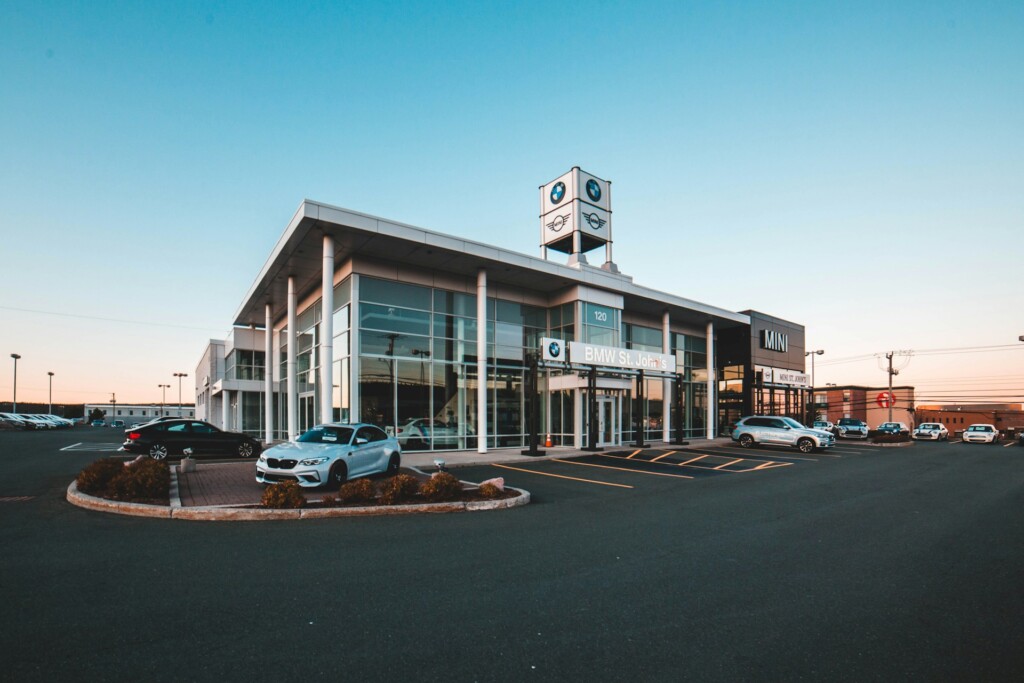
Austin automotive showroom construction shows a clear shift toward multi-level layouts to maximize site efficiency and customer engagement. We see integrated service areas connecting maintenance operations with sales environments, creating transparency that builds trust with vehicle owners. Event-ready spaces transform showrooms into community gathering points, reflecting Austin’s preference for experiential retail that serves multiple functions beyond traditional car sales.
Local project benchmarks provide realistic parameters for planning your dealership investment. The current Austin market shows projects typically around $16.3 million for comprehensive two-building campuses totaling over 100,000 square feet, with construction timelines of 14 to 16 months from groundbreaking to occupancy. Start program planning by defining your specific operational needs, including service bay requirements, customer flow patterns, and event hosting capabilities. Develop a phasing plan that protects ongoing sales operations during construction, especially for renovation projects where maintaining customer access is critical to revenue continuity. Finalize construction drawings that balance manufacturer brand standards with Austin’s local design expectations and zoning requirements. Coordinate with subcontractors early to ensure specialized finishes meet both corporate guidelines and local market preferences for materials and installation quality.
Ready to plan your Austin automotive showroom construction project? Contact EB3 Construction to discuss your dealership’s specific requirements and timeline.