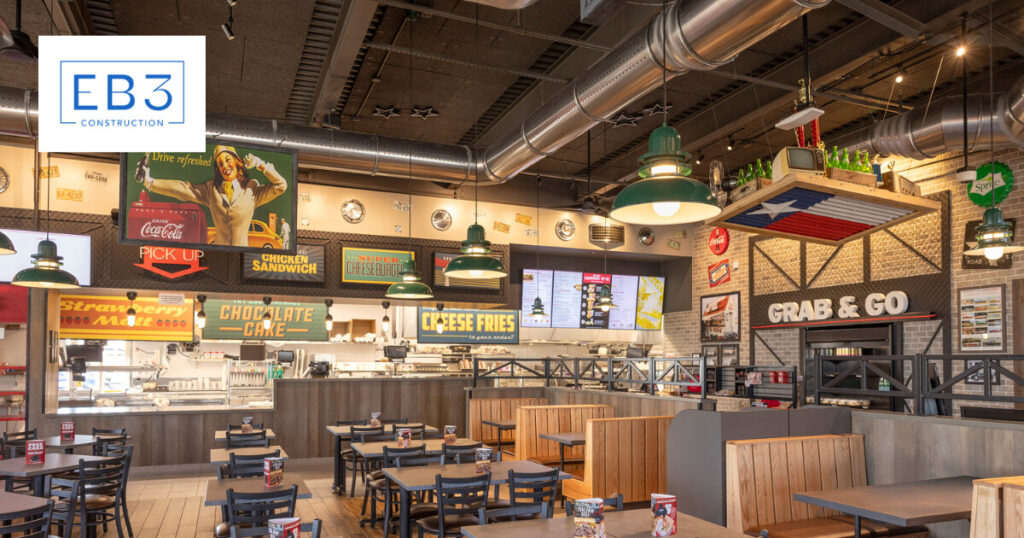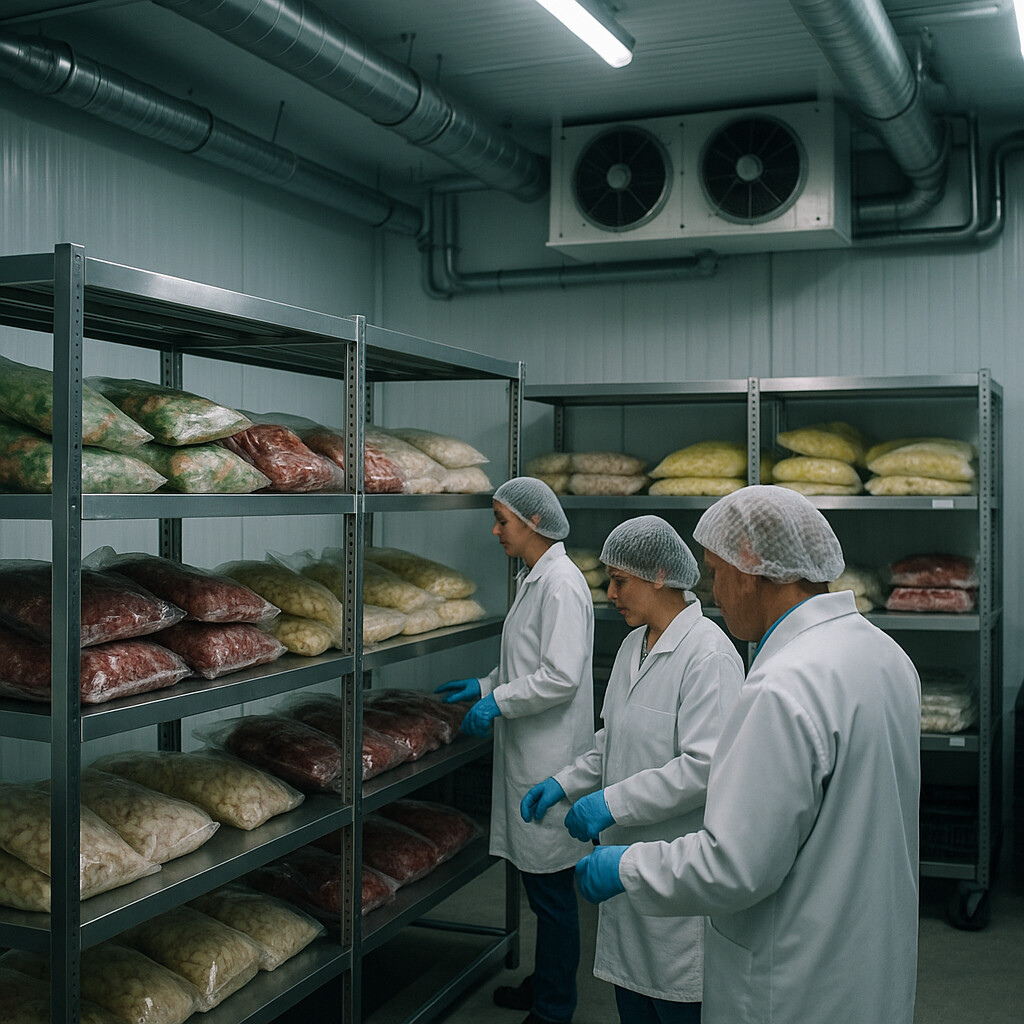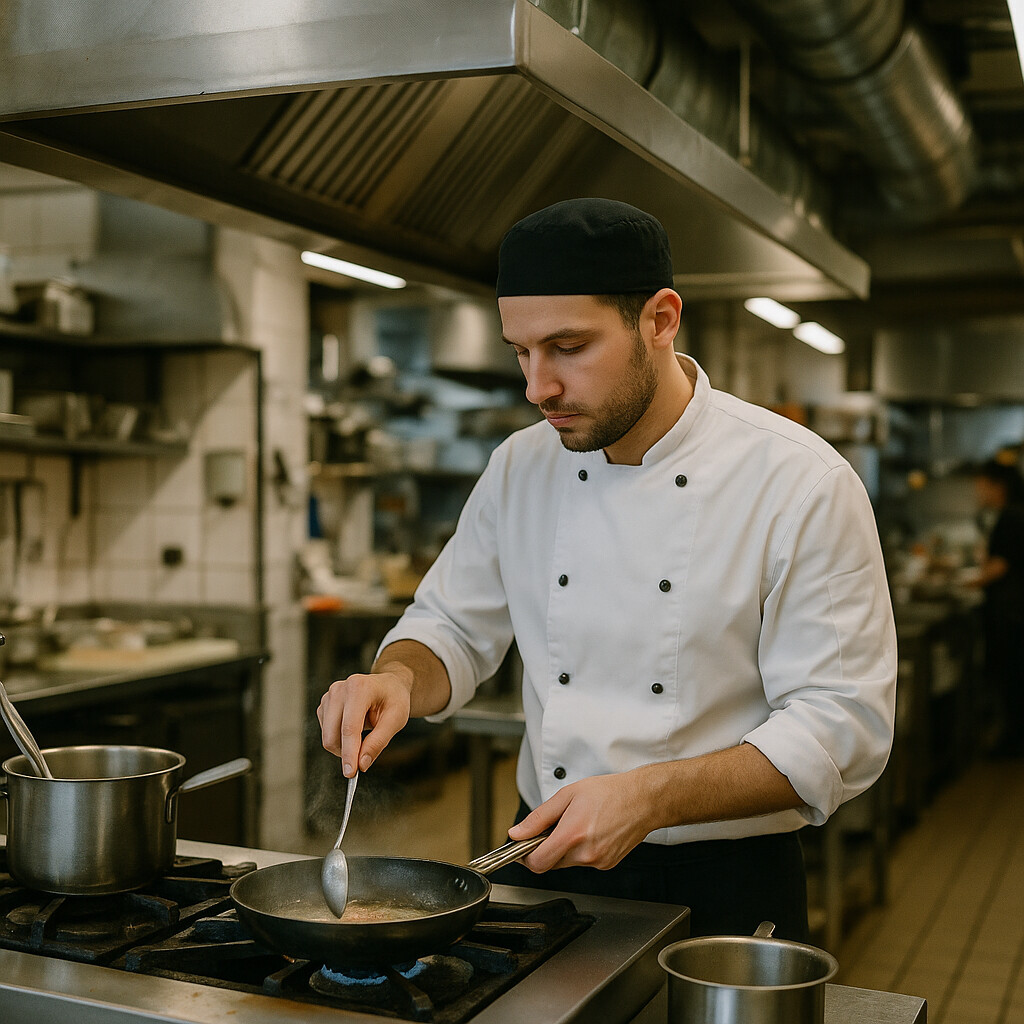
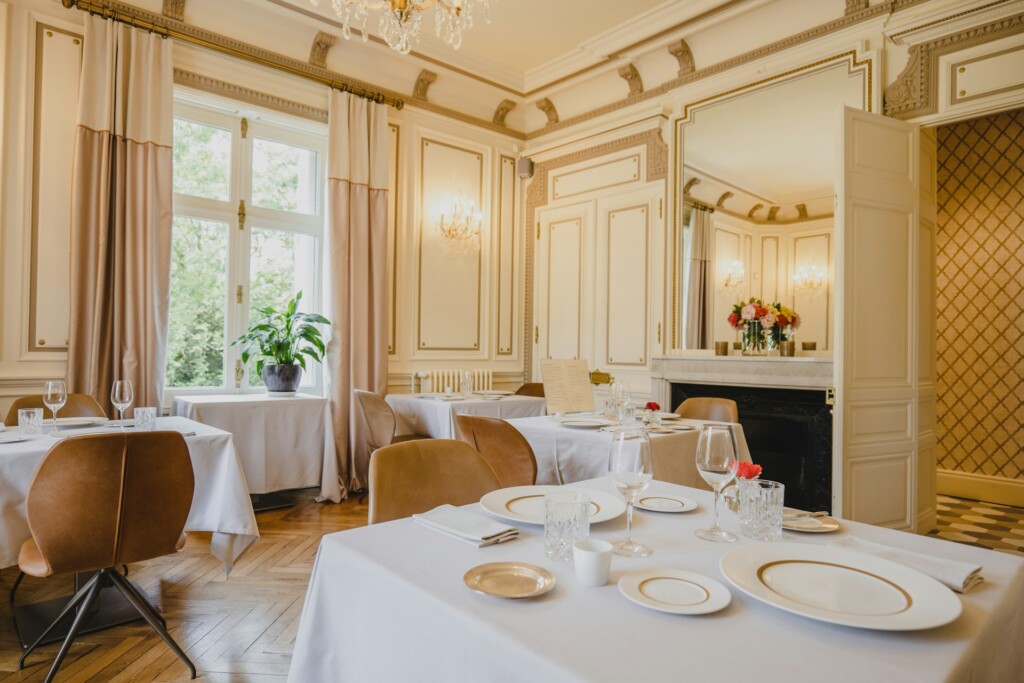
Houston’s restaurant remodeling market spans everything from back-of-house kitchen expansions to complete dining area transformations. We handle projects ranging from fast-casual chains updates to upscale fine dining refreshes, each requiring a different approach to design, materials, and execution.
Restaurant remodeling services in Houston typically include commercial kitchen design, lighting installation, HVAC upgrades, and finishes aligned with franchise standards or independent concepts. The scope focuses on functional improvements that enhance workflow while creating guest experiences that drive repeat business and support long-term operations.
Which Scopes Of Work Are Common In A Houston Restaurant Remodel?
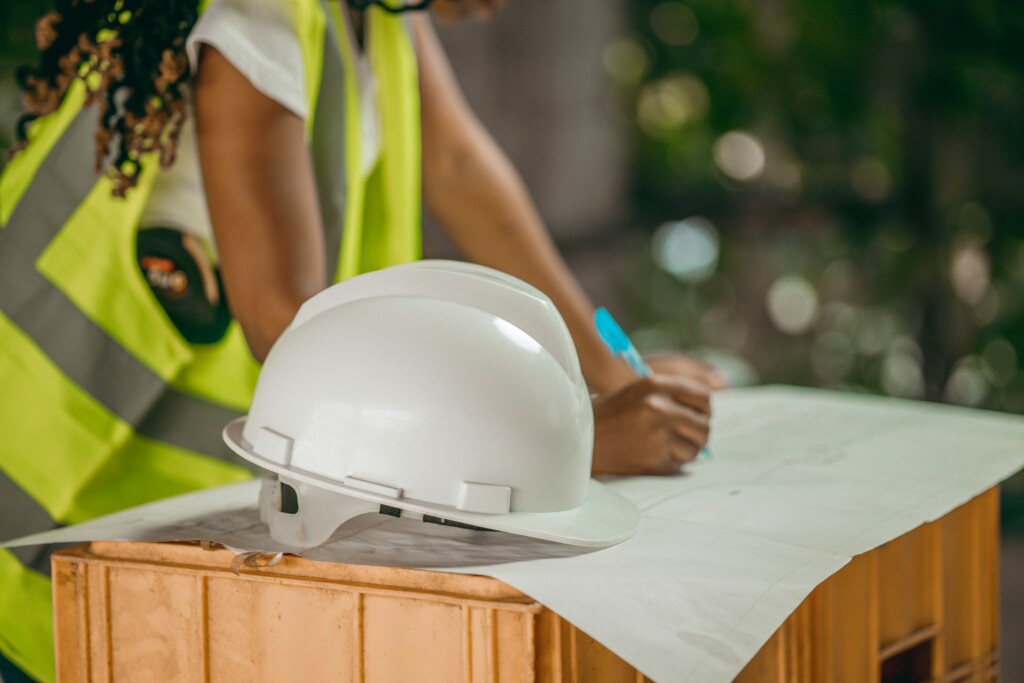
Restaurant remodels in Houston typically involve several distinct work areas addressing operational needs and the guest experience. Each scope requires specialized trades and careful coordination to ensure smooth project execution.
Kitchen Design and Installation
Commercial kitchens demand workflow-focused layouts that optimize efficiency during peak service hours. We design and install plumbing systems to handle high-volume use, with proper drainage for dishwashing areas and prep stations.
Ventilation systems require proper hood installation and ductwork to meet health department standards while removing heat and odors effectively. Electrical systems must support heavy-duty equipment loads, with dedicated circuits for ovens, refrigeration units, and specialty appliances that run continuously during service.
Dining Area Upgrades
Dining spaces receive high-quality finishes that balance durability with aesthetic appeal. We install lighting systems that create the right ambiance while providing sufficient illumination for comfortable dining.
Acoustical treatments help control noise levels in busy dining environments, using sound-absorbing materials and strategic placement to improve conversation. Layouts prioritize comfort and accessibility, ensuring adequate space between tables and clear pathways for both guests and service staff.
Brand Reimaging and Facility Maintenance
Brand reimaging projects refresh the look and feel of existing restaurants to attract new customers and retain current ones. These updates typically include new finishes, furniture, signage, and color schemes that align with current market trends.
Facility maintenance encompasses ongoing building upkeep through a single point of contact. This approach streamlines repairs, preventive maintenance, and system updates to keep restaurants operating smoothly between major remodel cycles.
ADA Compliance and Specialized Services
ADA compliance upgrades ensure restaurants meet legal accessibility requirements. We modify access routes, update restroom facilities with proper grab bars and clearances, and add site features such as accessible parking stenciling and ramp installations.
Deep steam cleaning services use superheated steam and commercial-grade detergent to clean commercial kitchens thoroughly. Timelines for these services vary based on kitchen size and operating hours, with most facilities scheduling cleaning during off-hours to minimize disruption.
Energy Efficiency Improvements
Energy-efficient upgrades reduce long-term operating costs through strategic system improvements. LED lighting installations provide better illumination while using significantly less electricity than traditional fixtures.
HVAC system upgrades improve climate control efficiency and reduce monthly utility expenses. Material choices also contribute to energy savings through improved insulation, energy-efficient windows, and sustainable building products that enhance overall performance.
How Do Codes, ADA, And Health/Safety Shape Your Remodel In Houston?
Restaurant remodels in Houston operate under strict health, safety, and building codes that protect customers and employees. We design every project to meet local fire safety requirements, including suppression systems and proper ventilation that manages heat, smoke, and grease-laden vapors. Commercial kitchens require specialized grease traps and sanitation-focused design elements that support frequent cleaning and food safety protocols.
Houston’s 2024 code updates strengthen requirements for fire suppression and alarm systems. We install UL 300-compliant hood suppression systems that activate automatically and shut down fuel sources for cooking equipment. Ventilation requirements include makeup air systems balanced with exhaust to prevent backdrafts while maintaining comfortable dining conditions.
ADA Accessibility Requirements
ADA compliance is mandatory for all restaurant remodels. We integrate accessible routes, door widths, and counter heights into design plans from the beginning. Restroom upgrades include grab bars, accessible fixtures, and the required turning radius for wheelchairs.
Dining areas require accessible seating options distributed throughout the space. We ensure that accessible tables connect to accessible routes from the entrance without steps or barriers. Kitchen pass-through areas and service stations also must meet accessibility standards when employees with disabilities may use these spaces.
Permits and Inspection Coordination
Harris County permitting timelines directly impact construction schedules and opening dates. We coordinate permit applications early in the design process to avoid delays once construction begins. Building permits cover structural changes, while separate permits handle electrical, plumbing, and mechanical systems.
Health department approvals require close attention to food prep areas, dishwashing stations, and storage zones. Inspection timelines vary by scope, but we schedule key inspections around critical construction milestones. Fire marshal inspections verify that suppression systems and alarms function correctly before final occupancy approval.
We maintain relationships with local building officials to streamline the approval process. Our permit coordination includes submitting complete documentation, scheduling required inspections, and addressing any corrections promptly to keep projects on schedule.
How Can You Limit Downtime And Keep Operations Running?
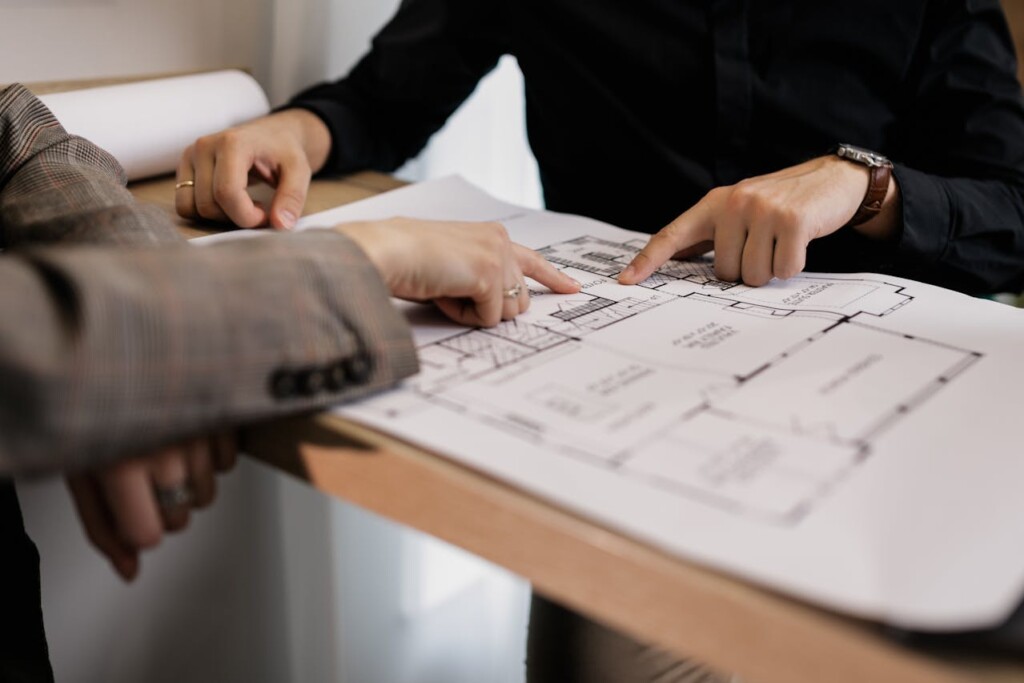
We align work schedules with your restaurant’s operating hours to maintain service levels. Strategic timing lets your team serve guests with minimal interruption.
Kitchen sequencing is critical during restaurant remodels. We schedule electrical, plumbing, and ventilation work outside peak service times. Equipment installations often happen during off-hours or slower periods to preserve kitchen workflow.
Trade Coordination And Site Logistics
We manage multiple trades through careful sequencing and staging. Electricians, plumbers, and HVAC technicians work in coordinated phases instead of overlapping schedules. This reduces conflicts and keeps work areas organized.
Site logistics planning ensures deliveries don’t block customer access or service entrances. We coordinate material deliveries during slower periods and stage equipment to minimize workspace disruption.
Single Point Of Contact And Project Management
Our on-site project manager serves as the single point of contact for all construction activities. This eliminates miscommunication between restaurant staff and trade contractors. Daily coordination meetings keep everyone informed about progress and upcoming work.
Clear planning allows us to phase construction so dining areas remain functional while kitchen upgrades proceed. We isolate work zones with temporary barriers to contain dust and noise. Critical systems, such as refrigeration and ventilation, remain operational throughout the process.
Operational Continuity Through Phased Work
Phased remodeling divides projects into manageable sections that protect revenue streams. We may renovate half the dining room while the other half serves customers. Kitchen updates often happen in stages to maintain essential cooking capabilities.
Our staging approach allows restaurants to operate at reduced capacity rather than closing completely. Most establishments maintain 60–70% of normal capacity during active construction phases.
What Planning And Design Steps Improve Results?
The planning and design phase lays the groundwork for every restaurant remodel. Structured planning aligns functional requirements with aesthetic goals while keeping construction timelines and budgets realistic.
Each step builds on the previous one to create a comprehensive project strategy. Restaurant owners benefit from following this sequence to avoid costly revisions and construction delays.
Feasibility Studies and Site Planning
We begin with feasibility studies to assess the viability of proposed changes within the existing space. This evaluation examines structural limitations, utility capacity, and zoning restrictions that could impact the remodel scope.
Site planning focuses on street visibility and access, security for staff and guest safety, and accessibility requirements. We review how the proposed layout affects pedestrian flow, parking availability, and service delivery access.
Cost analysis during this phase helps establish realistic budgets based on the site’s specific conditions and local construction costs. Early identification of potential challenges prevents budget overruns later in the project.
Design and Architecture Planning
Architectural planning centers on optimizing guest flow through the dining space while maximizing operational efficiency. We design layouts that guide guests naturally from entry to seating while maintaining clear sight lines for staff supervision.
Back-of-house planning requires careful consideration of workflow patterns, equipment placement, and staff movement. The kitchen layout must support efficient food preparation while meeting health department requirements for sanitation and safety.
Equipment-ready layouts ensure that electrical, plumbing, and ventilation systems can support current and future kitchen equipment. This planning prevents costly infrastructure upgrades when restaurants change equipment or expand operations.
Interior Design Integration
Interior design decisions directly impact both guest experience and operational functionality. We coordinate finishes, lighting, and furniture selections to reinforce the restaurant’s brand identity while supporting practical operations.
Material selection balances aesthetics with durability and maintenance requirements. Commercial-grade finishes withstand heavy use while supporting the design concept and meeting health department standards.
Lighting design creates atmosphere while providing adequate illumination for dining and food preparation areas. Energy-efficient LED systems reduce operating costs while offering flexibility for different dining periods and events.
Design-Build Workflow Advantages
The design-build approach streamlines project delivery by integrating design and construction under unified management. This workflow reduces coordination issues between separate design and construction teams.
Detailed estimates emerge from construction expertise during the design phase, providing more accurate project costs than traditional bid-build methods. Clear construction drawings developed with builder input reduce field conflicts and change orders.
Single-point accountability ensures consistent communication throughout the project. Restaurant owners work with one team from initial concept through project completion, simplifying decision-making and reducing miscommunication.
Comprehensive Project Management
Full project management coordinates all aspects of the remodel from design development through post-construction support. We manage subcontractor scheduling to maintain workflow continuity and prevent trade conflicts.
Supplier coordination ensures material deliveries align with construction schedules while meeting quality specifications. This coordination prevents delays caused by material shortages or incorrect deliveries.
Permit coordination handles the approval process with local authorities, ensuring all work meets code requirements. We schedule inspections to maintain construction momentum while ensuring compliance with health, safety, and accessibility standards.
Conclusion And Next Steps For Houston Restaurant Remodels
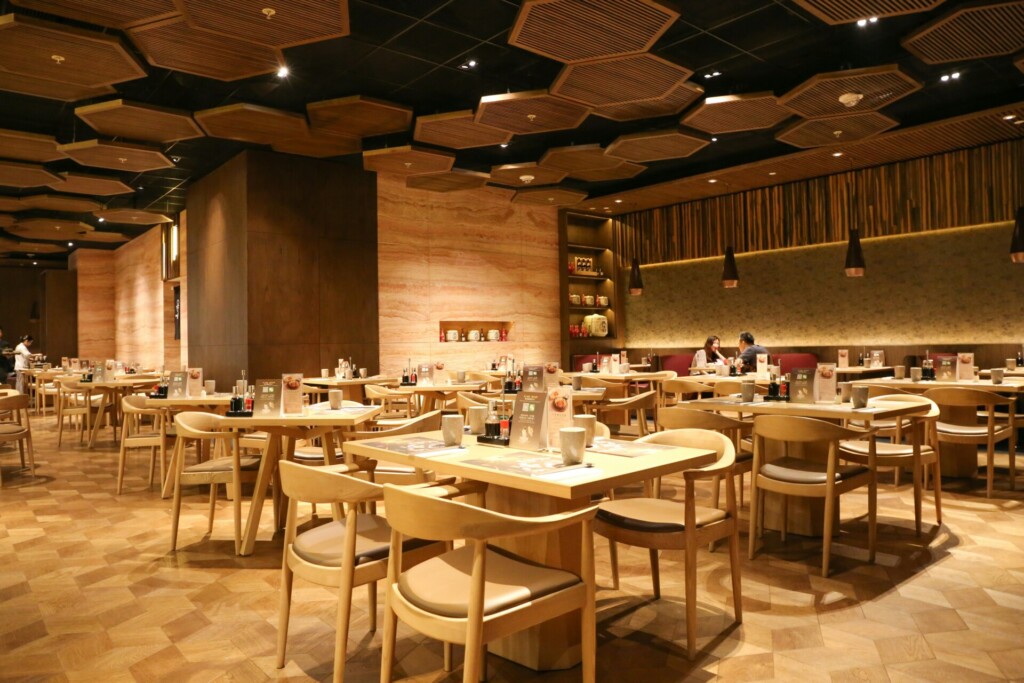
Restaurant spaces undergo natural wear and typically require updates every five to seven years. Houston’s restaurant market demands facilities that balance operational efficiency with customer appeal. Strategic remodeling addresses these needs while maintaining business continuity and regulatory compliance.
Our approach centers on three elements: detailed scope definition, comprehensive code planning, and operational scheduling. Energy-efficient systems deliver immediate savings through lower utility costs. Thoughtful dining room design enhances guest comfort and encourages longer visits, directly impacting revenue per table.
Moving forward requires clear next steps. Define project goals and set realistic budget parameters early. Conduct feasibility assessments to evaluate site constraints and operational requirements. Align design concepts with brand identity and daily operations to ensure consistency. Develop phased schedules that protect revenue streams during construction.
We coordinate all aspects of restaurant renovation, including structural modifications, brand re-imaging, ADA compliance upgrades, facility maintenance, deep steam cleaning, and energy-efficient system installations. Our project management coordinates inspections and maintains construction timelines that align with your business schedule.
Ready to plan your restaurant remodel? Contact EB3 to discuss your renovation goals and develop a customized approach for your Houston location.