Houston’s automotive service sector continues to expand across the metro area. New training campuses and modern repair facilities break ground regularly, from downtown to suburban areas like Katy. This growth reflects steady demand for professional automotive repair services.
We build facilities ranging from compact multi-bay garages with customer lounges to comprehensive headquarters campuses. These developments include training centers, administrative offices, and specialized repair areas. Each project requires careful planning from the initial design phase to address Houston’s unique climate conditions, expansive clay soils, traffic circulation patterns, and local code requirements.
What Space Planning And Layout Elements Matter Most?
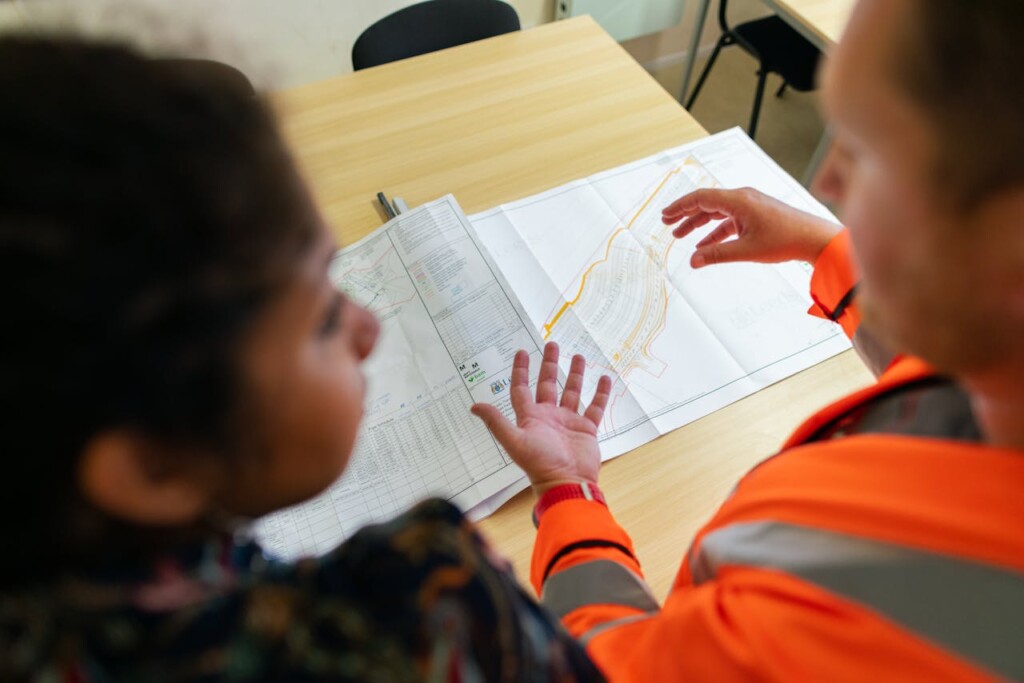
Effective space planning creates distinct functional zones that support smooth operations and positive customer experiences. Service bays need adequate dimensions for vehicle lifts and technician movement. Parts storage requires organized access, while administrative areas provide professional meeting spaces.
Customer amenities such as a waiting lounge with Wi‑Fi and comfortable seating build trust during service visits. Place the payment or service desk where customers can easily find it upon arrival.
Interior Layout Fundamentals
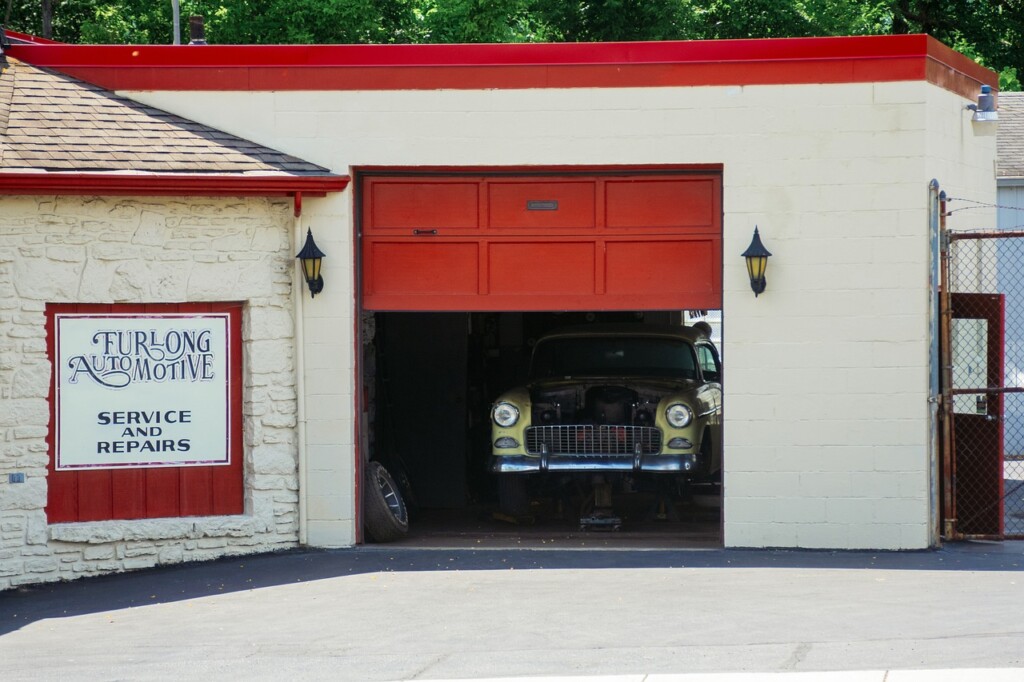
Service bays form the operational core of any facility. We size these spaces to accommodate two-post lifts with approximately 15 feet of horizontal clearance and 3–5 feet around each lift for safe equipment access. Bay dimensions must allow technicians to maneuver toolboxes and diagnostic equipment without crowding.
Parts storage areas require strategic positioning near service bays to minimize technician walking time. Vertical shelving systems maximize inventory capacity while keeping frequently used items within easy reach. Tool walls provide organized storage that reduces search time and maintains accountability.
Administrative offices need separation from shop noise while maintaining sight lines to operations. These spaces house scheduling, customer service, and management functions that keep the facility running efficiently.
Exterior Circulation And Parking Design
Vehicle circulation patterns determine operational efficiency and customer satisfaction. We design clear entry and exit routes that prevent bottlenecks during peak hours. Drop-off lanes need adequate width for customer vehicles and for service advisor interaction.
Staging areas near service bays accommodate vehicles awaiting work or customer pickup. These zones require enough space for tow trucks and emergency vehicles to maneuver without disrupting normal operations. Parking lot lighting improves security and supports evening hours when many customers retrieve their vehicles.
Safe walking paths connect customer parking to building entrances without crossing vehicle traffic lanes. Well-marked pedestrian routes reduce liability risks and create professional first impressions.
Architectural Features And Visual Elements
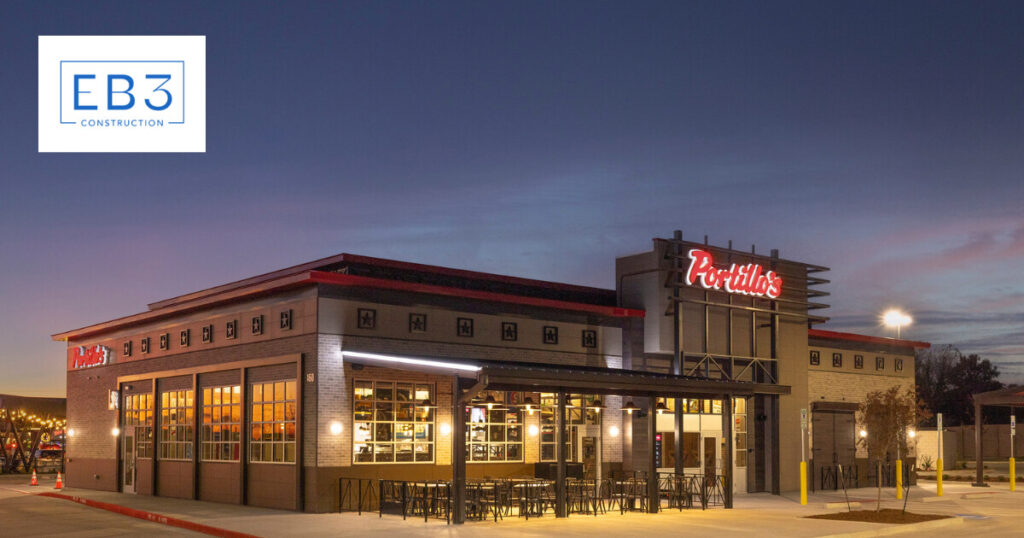
Modern industrial aesthetics using metal facade panels and glazing create a professional appearance while supporting functional requirements. Large windows in customer areas provide natural light and a visual connection to service operations when appropriate.
Service canopies protect customers and employees during vehicle drop-off and pickup. These structures also shield service doors from weather while providing covered work areas for certain maintenance tasks. Visible signage helps customers navigate the facility and reinforces brand identity throughout their visit.
Strategic lighting design serves multiple purposes beyond basic visibility. Well-lit work areas improve technician accuracy and safety. Exterior lighting enhances security monitoring and creates welcoming environments for customers during extended service hours.
How Do Houston Climate And Soils Shape Design Choices?
Houston’s coastal climate presents multiple challenges for automotive service center construction. Hurricane winds reaching 140+ mph call for wind-resistant designs that withstand extreme weather. The combination of intense heat, high humidity, and frequent flooding requires careful material selection and structural planning.
Durable roofing systems are essential in this climate. We specify hurricane-rated materials that resist wind uplift and impact damage from flying debris. Metal roofing with reinforced fastening systems and impact-resistant membranes help buildings withstand severe storms while maintaining watertight integrity.
Materials must handle constant moisture exposure from Houston’s humid subtropical climate. Corrosion-resistant steel connections, moisture-tolerant insulation, and proper vapor barriers prevent deterioration that could compromise structural performance. Concrete elements require protective coatings and adequate drainage to avoid moisture-related damage.
Foundation Design for Expansive Clay Soils
Houston’s expansive clay soils create significant foundation challenges. These Beaumont clays can swell and shrink dramatically with moisture changes, causing differential movement that damages structures. The active zone typically extends 8 to 20 feet below grade, requiring specialized foundation design.
Engineering solutions address soil movement through deep foundation systems or well-designed shallow foundations. Drilled piers extending below the active zone provide stable support for critical structural elements. Post-tensioned slabs with stiffening beams distribute loads and resist differential movement caused by soil changes.
The concrete mix is crucial to foundation stability. Higher-slump concrete flows properly around reinforcement while maintaining strength. Proper curing and moisture control prevent cracking that could allow water infiltration and soil activation beneath the slab.
Flood Mitigation and Site Drainage
Flood mitigation often requires elevation planning and drainage design that exceed typical standards. Service centers in flood-prone areas may require elevated foundations or flood-resistant lower levels. We design drainage systems that handle Houston’s intense rainfall while protecting building foundations.
Site grading directs water away from structures through positive drainage slopes. Underground detention systems and permeable surfaces help manage stormwater runoff. French drains and area drains remove excess water before it can impact foundation soils or create flooding hazards.
Zoning and Environmental Regulations
Houston’s zoning requirements affect service center design through setbacks, height limits, and use restrictions. Environmental regulations address stormwater management, air quality, and waste handling specific to automotive facilities. These rules often require specialized engineering solutions and documentation.
Permitting processes involve multiple city departments with specific review timelines. The Houston Permitting Center coordinates structural, electrical, mechanical, and environmental approvals. Floodplain regulations add complexity for properties in designated flood zones, requiring elevation certificates and compliance documentation.
A Houston-based team familiar with local requirements can streamline the approval process. We understand which departments review specific elements and prepare complete submissions to avoid delays. Early coordination with city staff helps identify potential issues before they impact construction schedules.
Which Structure Systems Fit Auto Service Centers: Pre-Engineered Metal Or Tilt-Wall?
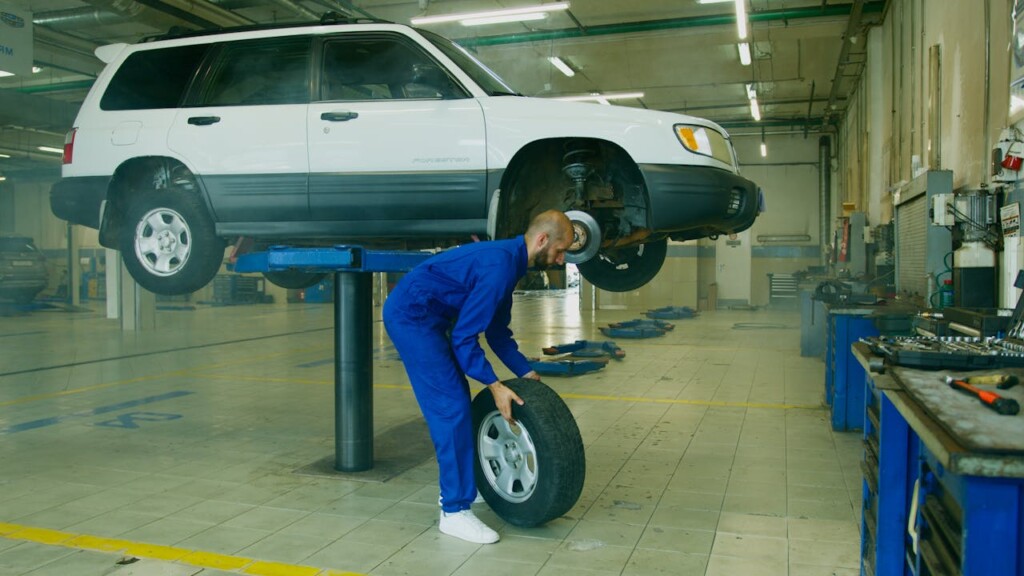
Both pre-engineered metal buildings and tilt-wall construction serve automotive service centers well, but each system addresses different priorities. The choice depends on how you balance factors like construction speed, structural requirements, and long-term operational needs.
Pre-Engineered Metal Buildings for Service Bay Operations
Pre-engineered metal buildings excel at creating the open spans that service centers need. Metal has superior spanning capacity compared to concrete, making it ideal for structures requiring longer bays without interior columns. This provides more flexibility in positioning lifts, equipment, and workstations.
High-clearance doors integrate easily with metal framing systems. We can accommodate overhead doors up to 14 feet or more without structural complications. The modular bay layouts allow us to configure spaces for different vehicle types, from compact cars to heavy trucks.
Bolt-together assembly speeds construction significantly. Components arrive prefabricated and ready for installation, reducing on-site labor time and weather delays. This approach often shortens project schedules by several weeks compared with cast-in-place methods.
Insulated walls and reflective roofing systems help control energy costs in Houston’s climate. Modern metal building envelopes can achieve high R-values while maintaining durability. Steel is also completely recyclable, supporting sustainability goals for environmentally conscious developers.
Tilt-Wall Construction for Durable Service Facilities
Tilt-wall construction uses reinforced concrete panels cast on-site and tilted into position. This method can offer cost advantages on larger projects where the fixed costs of crane rental and concrete work are spread across substantial square footage.
These buildings provide excellent fire safety characteristics. Concrete walls resist fire longer than steel framing, which can be important for insurance rates and code compliance. The solid concrete shell also offers superior security against break-ins or vandalism.
Maintenance requirements tend to be lower over time. Concrete panels resist damage from impacts better than metal siding systems. Repairs, when needed, are often straightforward and can be completed locally without special materials or expertise.
Expansion capabilities vary by design but can be accommodated with proper planning. We can design tilt-wall buildings with future additions in mind, though modifications require more coordination than with steel systems.
Matching Systems to Project Requirements
Projects under 50,000 square feet often favor pre-engineered metal due to lower fixed costs. Pre-engineered steel is more economical when tilt-wall’s crane and concrete setup costs represent a larger percentage of the total budget.
Timeline pressures typically point toward metal construction. Steel buildings can proceed in most weather conditions, while concrete requires proper curing temperatures and dry conditions for optimal results.
Aesthetic preferences influence the decision, too. Tilt-wall offers clean concrete facades that appeal to some developers, while metal buildings provide more options for architectural panels, glazing, and mixed materials. Both systems can achieve professional appearances appropriate for service center applications.
What Delivery Approach Keeps Cost, Scope, And Schedule On Track?
Design-build consolidates accountability under a single contract, creating unified management from planning through completion. We bring architects, engineers, and construction teams together early to coordinate decisions and prevent costly disconnects. This integrated approach delivers better control over variables in automotive service centers than traditional methods where separate contracts can lead to finger-pointing and delays.
The process begins with site plan coordination and feasibility studies that establish realistic parameters. We conduct surveys, geotechnical investigations, and regulatory reviews to identify constraints before construction begins. Cost estimating occurs throughout design development, not only at the end, allowing us to adjust scope or systems to maintain budget targets. Drawing reviews include construction expertise from day one, catching constructability issues that might otherwise surface during construction and trigger change orders.
Schedule management becomes more predictable when design and construction phases overlap strategically. We can start site work and utilities while finalizing architectural details, or begin steel erection while mechanical systems receive final approvals. Interior build-outs and tenant improvements can be phased to accommodate operational needs, allowing parts departments or customer areas to open while service bays receive finishing touches.
Permit-ready documentation eliminates the gaps that slow approvals. Our teams prepare submittals that address Houston’s specific requirements for drainage, wind loads, and accessibility from the first draft. We coordinate with plan reviewers early to resolve questions and maintain momentum. Active project management provides oversight across all trades, tracking performance metrics and addressing conflicts before they impact schedules.
This single-point-of-contact approach streamlines communication and decision-making. Instead of managing separate relationships with architects, engineers, and contractors, owners work with one team that handles coordination internally. We manage hiring, oversight, conflict resolution, performance tracking, regulatory compliance, and budget control as integrated functions rather than as separate contracts that require constant coordination.
Conclusion And Next Steps

Automotive service center construction in Houston requires careful coordination of program requirements, site conditions, and delivery methods. Start by defining your operational needs, then evaluate how the site supports vehicle circulation, customer amenities, and future expansion. Foundation engineering is critical when working with Houston’s expansive clay soils, which demand proper concrete mix designs and structural approaches that prevent settlement issues.
Structural system selection drives both cost and schedule outcomes. Pre-engineered metal buildings deliver clear spans and construction speed for projects prioritizing flexibility and fast occupancy. Tilt-wall construction provides durability and fire safety for operations requiring robust shells and long-term performance. Design-build project delivery aligns these technical decisions with budget and timeline goals while ensuring permit-ready documentation moves through Houston’s regulatory process efficiently. Coordinating these elements from planning through completion determines whether your service center opens on schedule and within budget.
Contact EB3 Construction to coordinate automotive service center construction that integrates site planning, structural systems, and permitting for Houston projects.