
Houston’s thriving commercial market demands spaces that support a wide range of businesses. In Houston, commercial tenant improvement services transform raw commercial and industrial spaces into functional environments tailored to specific tenant needs.
We collaborate with tenants and property owners to align construction upgrades with lease terms and operational requirements. These improvements optimize layouts, elevate interiors, and create spaces where businesses can operate efficiently from day one.
What Scope Of Services Can a General Contractor Provide?

We deliver comprehensive tenant improvement services across multiple construction disciplines. Our capabilities span interior build-outs, exterior upgrades, and specialized building systems that support diverse commercial operations.
Interior Build-Outs And Spatial Optimization
Office build-outs form a core component of our services. We reconfigure existing layouts to optimize workflow and create functional work environments aligned with business operations. This includes partition installation, lighting upgrades, and acoustic treatments for improved productivity.
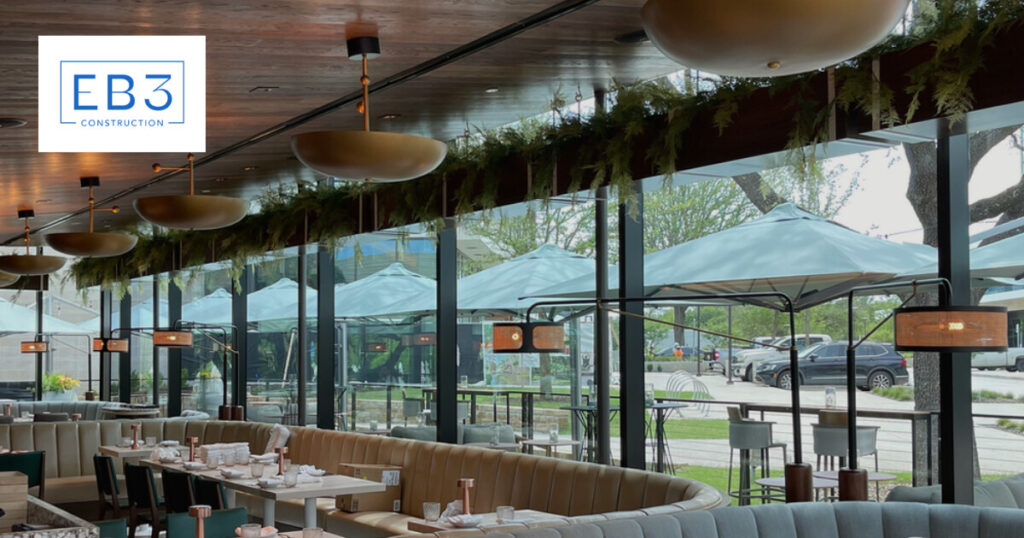
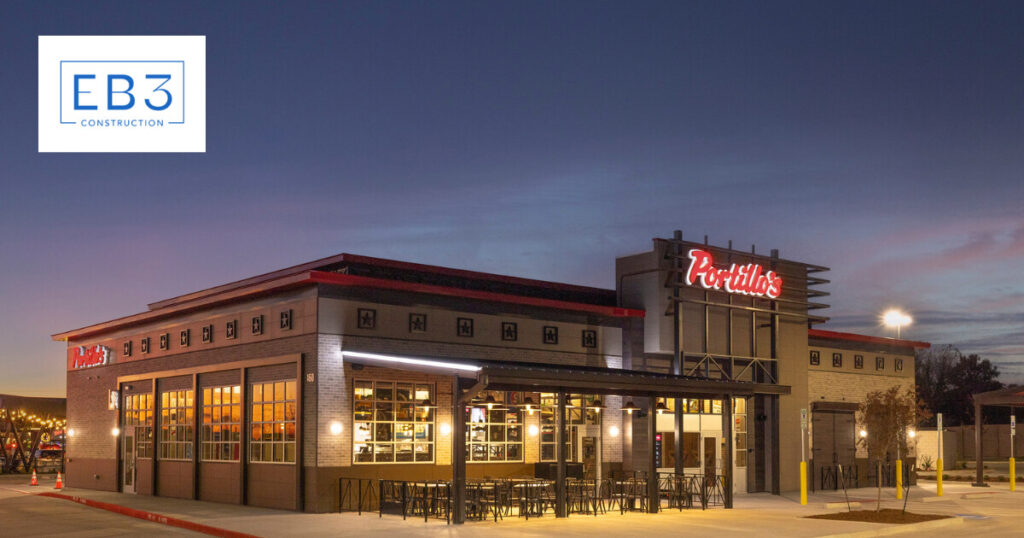
Retail renovations require specialized attention to customer flow and brand presentation. We handle everything from storefront modifications to interior layouts that maximize sales potential. Restaurant projects involve complex coordination of commercial kitchens and dining areas, along with compliance with food-service regulations.
| Property Type | TIA Range ($ per sq. ft.) | TIA as % of Annual Rent |
|---|---|---|
| Office | $30 – $70 | 5% – 10% |
| Retail | $20 – $50 | 10% – 20% |
| Industrial | $15 – $30 | 5% – 10% |
| Medical/Healthcare | $50 – $100 | N/A |
Disclaimer: Pricing figures are based on publicly available market data and are intended for general estimation purposes as of January 2026. They do not represent a formal quote from EB3 Construction. Actual costs will vary by project scope, location, labor rates, and material prices.
Building Infrastructure And MEP Upgrades
We manage comprehensive MEP upgrades to support modern business requirements. HVAC modifications include system replacements, zone controls, and energy-efficient equipment that reduces operating costs. Electrical work covers panel upgrades, circuit additions, and specialized power requirements for equipment and technology systems.
Plumbing services extend beyond basic repairs to complete system installations. We handle water line extensions, fixture replacements, and drainage modifications that support expanded operations. These mechanical improvements integrate seamlessly with architectural changes.
Exterior Repairs And Building Envelope Work
Exterior building repairs address structural integrity and weather protection. We perform concrete repairs, asphalt maintenance, and masonry restoration that extend building life. Stucco and paint applications improve both protection and visual appeal for commercial properties.
Building repaints encompass both interior and exterior applications. We coordinate color schemes, surface preparation, and protective coatings that meet durability requirements. These finishes complement interior improvements while maintaining consistent branding.
Specialized Services And Compliance Work
White box and make-ready services prepare spaces for tenant occupancy. We deliver move-in-ready conditions that meet lease specifications and allow for immediate operations. These services bridge the gap between raw space and functional environments.
ADA compliance ensures accessibility throughout commercial spaces. We modify doorways, install appropriate hardware, and create barrier-free pathways that meet current standards. We coordinate with local jurisdictions to secure certificates of occupancy that allow legal operation.
Dock equipment service and installation support logistics operations. We handle loading dock repairs, leveler installations, and safety equipment to maintain efficient material handling. These specialized systems require precise coordination with building structures and operational requirements.
Finish Work And Detailed Construction
Interior finishes transform functional spaces into professional environments. Drywall installation creates clean wall surfaces, while flooring applications range from commercial carpet to specialized industrial surfaces. Millwork adds custom elements that reflect brand identity and operational needs.
Bathroom remodels address both functionality and compliance requirements. We upgrade fixtures, improve accessibility, and ensure proper ventilation for commercial use. These improvements often coordinate with broader building system upgrades to maximize efficiency and code compliance.
How Does The Tenant Improvement Process Work From Planning To Turnover?
We structure tenant improvements in sequential phases to maintain control of scope, timeline, and budget. Each phase builds on the work before it and sets the foundation for what comes next. The process requires coordination across multiple disciplines and close attention to regulatory compliance.
Pre-Design Phase
Pre-design establishes the project framework through comprehensive analysis and planning. We define the project scope based on tenant requirements and lease specifications. Site analysis examines existing conditions, structural limitations, and building systems’ capacity.
Program development identifies spatial needs, operational requirements, and functional relationships between areas. Budget establishment considers tenant improvement allowances, anticipated costs, and contingency planning. Schedule development aligns construction phases with lease commencement dates and business operations.
Schematic Design Development
Schematic design translates pre-design findings into preliminary architectural solutions. We create initial floor plans that establish spatial relationships and circulation patterns. Basic building systems layouts show HVAC, electrical, and plumbing concepts without detailed specifications.
These early diagrams help stakeholders visualize the proposed space and identify potential issues before detailed design begins. Design meetings with tenants and property owners ensure alignment with expectations and lease requirements. Preliminary cost estimates help validate budget assumptions and identify areas requiring value engineering.
Construction Documents Creation
Construction documents provide the detailed drawings and specifications needed for permitting and construction. We develop comprehensive plans showing wall locations, dimensions, and construction details. Mechanical, electrical, and plumbing drawings specify system routing, equipment locations, and connection requirements.
Material specifications define finishes, fixtures, and equipment standards for consistent execution. These documents serve as the contract basis between owner and contractor while providing permit authorities with complete project information. Technical coordination between disciplines ensures systems integration and code compliance.
Permitting And Code Coordination
Permitting involves submitting construction documents to local building departments for review and approval. We coordinate with Houston building officials to address code requirements and approval timelines. Local building codes govern structural modifications, fire safety systems, and accessibility compliance.
The permitting process includes plan review, corrections, and final approval before construction can begin. We track permit status and coordinate required inspections throughout construction. Some jurisdictions require separate permits for electrical, plumbing, and mechanical work.
Planning and Site Walks
Planning meetings review lease specifications, the construction timeline, and project scope with all stakeholders. Site walks allow contractors and subcontractors to assess existing conditions and identify potential challenges. We document current building systems, access limitations, and coordination requirements.
Timeline reviews ensure construction phases align with tenant move-in requirements and business operations. Scope verification confirms that planned work matches lease requirements and budget allowances. These meetings establish communication protocols and project expectations.
Estimating And Permit Support
Estimating provides detailed cost breakdowns based on construction documents and current market conditions. We analyze material costs, labor requirements, and equipment needs for accurate pricing. Permit support includes application preparation, fee calculation, and submission coordination.
Cost estimates account for permit fees, inspection requirements, and potential change orders. We review estimates with property owners and tenants to validate budget alignment. Value engineering options help optimize costs while maintaining design intent and functionality.
Construction And Trade Scheduling
Construction begins with site preparation and proceeds through coordinated trade sequences. Drywall installation creates room layouts and prepares surfaces for finishes. HVAC rough-in establishes ductwork routing and equipment placement before ceiling installation.
Plumbing rough-in sets supply and drain lines for restrooms, break rooms, and specialized equipment. Electrical rough-in provides power distribution, lighting circuits, and technology infrastructure. Flooring installation follows wall completion and painting. Millwork installation adds custom cabinetry, reception areas, and specialized fixtures.
Trade scheduling prevents conflicts between disciplines and maintains project momentum. We coordinate material deliveries, equipment access, and workspace allocation. Regular progress meetings address challenges and adjust schedules as needed.
Turnover And Certificate Of Occupancy
Turnover begins with comprehensive punch list creation during final inspections. We conduct detailed walk-throughs with tenants and property owners to identify incomplete or defective work. The punch list documents required corrections, touch-ups, and final installations.
Final inspections verify code compliance and system functionality before occupancy approval. The certificate of occupancy confirms that all work meets local building codes and safety requirements. We coordinate final cleaning, key turnover, and system operation training with building management and tenants.
How Are Compliance, Stakeholders, And Disruptions Handled In Houston TI Projects?
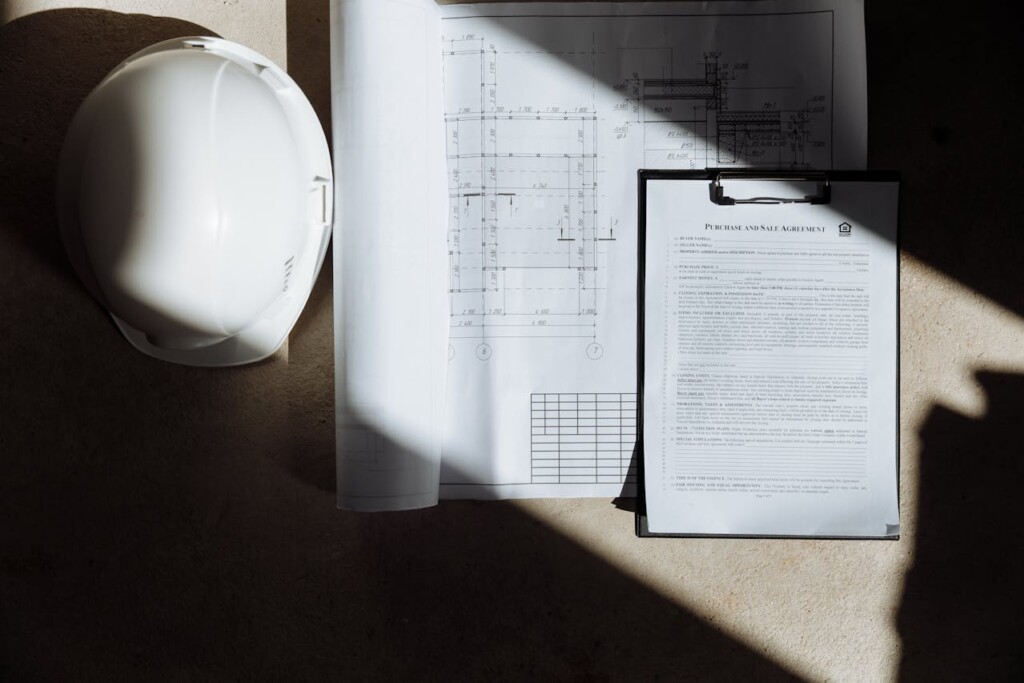
Strategic project management underpins successful tenant improvements. We coordinate with tenants, landlords, and other stakeholders through each project phase. This aligns lease requirements with construction schedules and maintains cost control.
Project Management For Business Continuity
Tenant improvements require proactive management to limit business disruptions. We develop detailed construction schedules to minimize operational interference. Off-peak scheduling reduces noise and dust in occupied areas.
Our project managers establish clear communication channels with all parties. Regular meetings keep tenants and landlords informed of progress and potential issues. Decision-making stays streamlined through designated contacts and defined approval workflows.
Phased construction allows businesses to maintain operations in unaffected areas. We coordinate material deliveries to reduce site congestion and safety risks. Emergency protocols enable immediate response to unexpected events that could affect operations.
Stakeholder Coordination Throughout Design And Build
Effective coordination begins with comprehensive lease analysis. We review tenant improvement allowances, space requirements, and landlord specifications before construction starts. This prevents costly changes and delays during the build process.
Communication protocols include weekly progress reports and milestone reviews. Tenants receive updates on construction phases that affect their operations. Landlords stay informed about compliance requirements and project timelines through structured reporting.
Budget management involves regular cost tracking and change order documentation. We coordinate with property management teams to ensure lease compliance. Approval processes for design changes follow established hierarchies to maintain project momentum.
Compliance Management For Houston Building Standards
Local building codes require careful attention throughout Houston tenant improvement projects. Tenant improvement contractors must handle permitting processes and coordinate with local authorities to ensure regulatory compliance at every milestone.
ADA compliance involves detailed accessibility assessments and modifications. We address door widths, restroom accessibility, and pathway requirements during design. Visual and auditory accessibility features are addressed in spaces serving the public.
Occupancy permitting requires coordination with Houston building officials. We schedule inspections at key construction milestones to maintain project timelines. Fire code compliance includes egress planning, sprinkler systems, and emergency lighting installations.
MEP Code Compliance And Licensed Trade Coordination
Licensed electricians handle all electrical work according to Houston electrical codes. HVAC installations follow energy efficiency requirements and ventilation standards. Plumbing work addresses both functional needs and code compliance for commercial applications.
MEP systems require careful integration with existing building infrastructure. We coordinate utility connections and capacity assessments before construction begins. System commissioning ensures proper operation before project turnover.
Inspection scheduling aligns with trade work completion to prevent delays. We maintain relationships with Houston building inspectors to facilitate smooth approval processes. Code violations receive immediate attention to keep projects on schedule.
Subcontractor Qualification And Quality Assurance
Subcontractor vetting includes license verification, insurance documentation, and reference checks. We evaluate past performance on similar tenant improvement projects. Safety records and training certifications inform selection decisions.
Quality control involves regular site inspections and progress monitoring. We address workmanship issues immediately to prevent rework delays. Material specifications are verified before installation to ensure compliance with project requirements.
Performance tracking includes schedule adherence and quality metrics. Subcontractors who consistently meet standards become part of our qualified vendor network. This approach ensures reliable execution across multiple projects.
Punchlist Closeout For Timely Completion
Thorough punchlist development begins weeks before substantial completion. We document all remaining work items with clear descriptions and completion deadlines. Priority levels help focus attention on items affecting occupancy permits.
Final walkthrough procedures involve tenants, landlords, and key trade contractors. We address concerns systematically to ensure satisfaction before turnover. Documentation includes warranties, operation manuals, and maintenance schedules for installed systems.
Certificate of occupancy coordination ensures final approval before tenant move-in. We maintain communication with building officials throughout the inspection process. Project closeout includes final invoicing, lien releases, and documentation transfer to property owners.
Conclusion And Next Steps For Houston Tenant Improvements
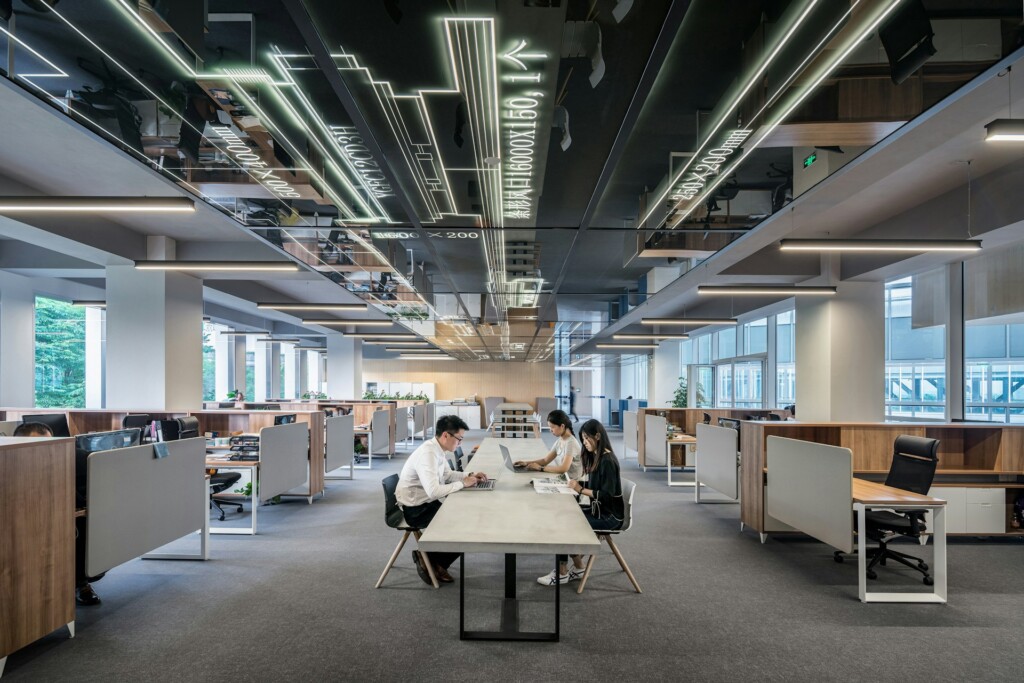
Houston tenant improvements follow a clear path from initial planning through final turnover. We coordinate pre-design activities, schematic development, construction documents, permitting, and construction to deliver spaces that meet tenant specifications and lease requirements. Our approach emphasizes regulatory compliance, stakeholder coordination, and proactive project management to minimize disruptions while maintaining code compliance.
Ready to move forward with your commercial build-out? Start by defining your program and budget based on tenant requirements and lease specifications. Schedule a site walk to assess existing conditions and identify potential challenges. Review permitting requirements early to avoid delays, and establish clear communication protocols with all stakeholders to keep your Houston tenant improvement project on track.
Contact EB3 Construction to discuss your tenant improvement project requirements.