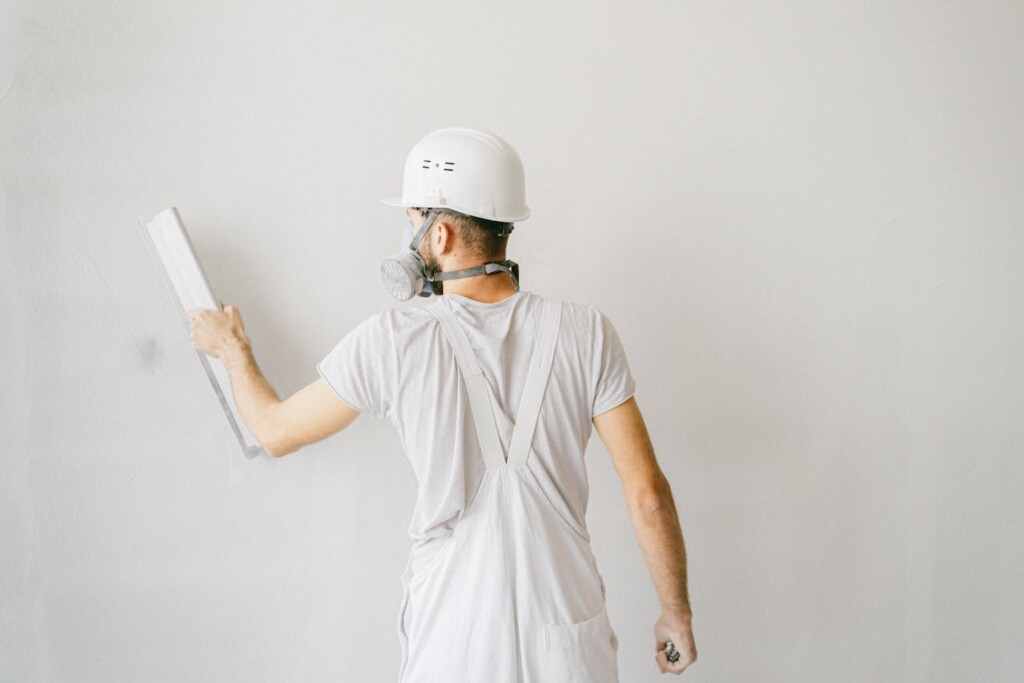
Commercial property owners face mounting pressure to upgrade aging facilities while keeping tenants satisfied and revenue steady. In Houston, building modernization services transform existing properties through comprehensive updates that improve function, safety, and visual appeal.
These services cover a wide range of construction, from design-build delivery and interior renovations to exterior improvements and full system upgrades. Projects typically include office buildings, retail spaces, hotels, multifamily properties, healthcare facilities, educational institutions, and industrial complexes. The priority is to refresh outdated layouts, ensure compliance with current codes, and extend long-term operational reliability while minimizing business disruption.
What Scopes Typically Fall Under Modernization?
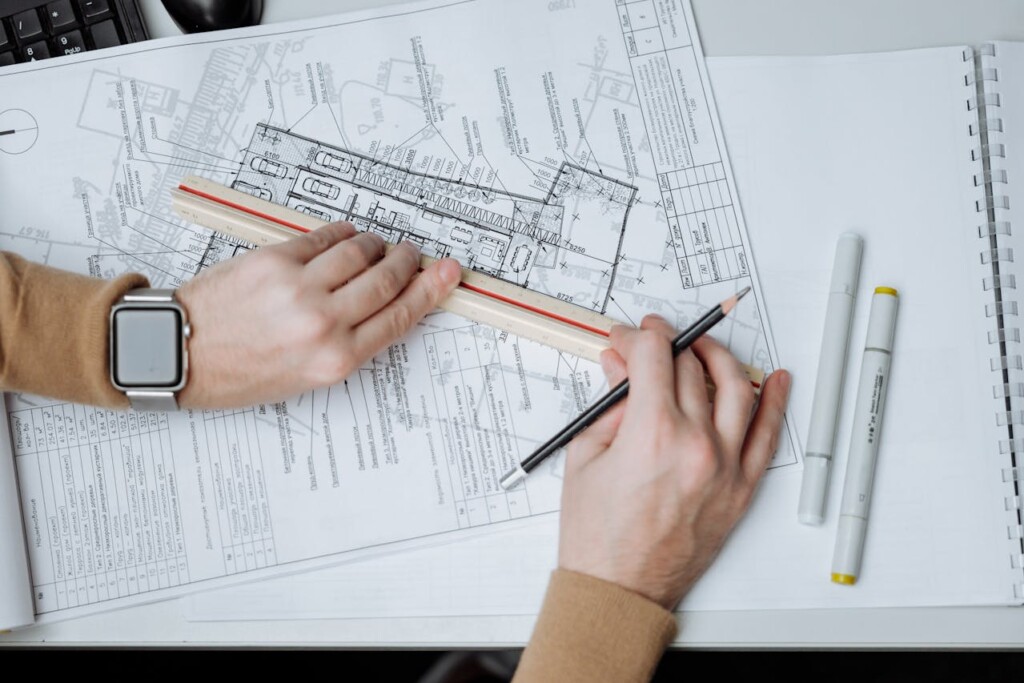
Modernization projects span multiple work categories, which we coordinate to deliver comprehensive facility improvements. Our teams organize these scopes around interior spaces, exterior building elements, mechanical systems, and specialized engineering support to ensure property needs are addressed systematically.
Interior Renovations Transform Functional Spaces
Interior work focuses on updating layouts to improve workflow and meet current operational requirements. We reconfigure wall systems and partition layouts to create more efficient space utilization for changing business needs. Floor systems are upgraded with new materials that enhance durability and appearance while meeting traffic demands.
Lighting design improvements incorporate LED systems and controls that reduce energy consumption while improving visibility for daily tasks. Restroom renovations address ADA compliance requirements through fixture placement, clearance adjustments, and accessibility features that serve all building users effectively.
Finish work includes paint systems, ceiling treatments, and millwork that refresh the professional appearance of commercial spaces. We coordinate these elements to maintain building operations while delivering updated environments that support tenant productivity.
Exterior Improvements Address Building Performance
Façade updates enhance both appearance and weather protection through material replacement and system repairs. We assess existing building envelope conditions to identify areas requiring attention for long-term durability and energy efficiency.
Structural repairs address foundation issues, load-bearing modifications, and reinforcement work that ensures building safety and code compliance. Our teams evaluate existing structural capacity before implementing improvements that extend building life cycles.
Weatherproofing and sealant replacement prevent moisture infiltration that can cause expensive damage over time. These exterior improvements protect interior investments while reducing ongoing maintenance requirements for property owners.
HVAC and MEP Upgrades Enhance Building Systems
Mechanical system modernization addresses heating, cooling, and ventilation equipment that may be outdated or inefficient. We evaluate existing capacity against current occupancy demands to right-size equipment for optimal performance and energy efficiency.
Electrical upgrades include power distribution improvements, panel replacements, and low-voltage systems installations for modern technology requirements. Fire protection design ensures all systems meet current safety codes while supporting building occupancy levels.
Plumbing improvements address water efficiency, fixture replacement, and system capacity adjustments that reduce operational costs. These MEP upgrades work together to create more reliable building performance while meeting code compliance standards.
Engineering Support Provides Technical Foundation
Structural analysis evaluates existing building capacity and identifies retrofitting opportunities that improve seismic performance and load-bearing capabilities. Foundation design work addresses settlement issues and provides stable support for building modifications.
Energy efficiency consulting identifies opportunities to reduce operating costs through system optimization and equipment upgrades. Our teams analyze utility usage patterns to recommend improvements that deliver measurable savings for property operations.
Preventive maintenance planning extends the life of completed improvements through scheduled inspections and system monitoring. This ongoing support helps properties maintain optimal performance while avoiding expensive emergency repairs that can disrupt tenant operations.
How Do Houston Codes, Permits, And ADA Shape Modernization?
Houston’s regulatory framework directly shapes how we approach modernization projects across the region. The 2021 International Building Code, with Houston amendments, governs structural changes, while local permitting sets project timelines. We coordinate with the Houston Permitting Center to secure necessary approvals before construction begins.
The city processed 142,311 permits in 2023, with commercial projects averaging an eight-week review. Our team handles permit applications early to avoid delays that could disrupt occupied buildings. Projects requiring structural changes, electrical upgrades, or plumbing modifications need proper documentation submitted through the city’s iPermits portal.
Building Code Requirements for Commercial Updates
Modernization projects must meet current Houston building codes regardless of the original structure’s age. Interior renovations follow the 2021 International Existing Building Code with Houston amendments, which provides flexibility while maintaining safety standards. We ensure all work aligns with these regulations during the design phase to prevent costly revisions later.
The 2021 code cycle includes updates for mass timber construction, shipping container conversions, and enhanced fire safety measures. MEP upgrades must comply with the 2021 Uniform Mechanical Code and Uniform Plumbing Code, both modified for Houston’s climate and infrastructure. Electrical work follows the 2023 National Electrical Code, including expanded GFCI and AFCI protection requirements.
Permit Applications and Review Process
We manage permit applications through Houston’s electronic submission system to streamline approvals. Required documentation includes site plans showing all structures and parking at a minimum 1/8-inch scale, engineered foundation designs, and detailed project specifications. Residential projects start with a $285 base fee, while commercial permit costs vary based on scope and square footage.
The review process typically involves three rounds of revisions for 75% of commercial submissions. We budget additional time for code reviews and inspector feedback to keep projects on schedule. Clear documentation helps inspectors understand the scope and reduces back-and-forth during the approval process.
ADA Requirements for Interior Spaces
All modernization work must address ADA accessibility standards, particularly for tenant spaces and public areas. We plan interior updates to meet federal ADA requirements plus Texas Accessibility Standards (TAS) for projects valued at more than $50,000. This includes proper door clearances, restroom layouts, ramp slopes, and pathway widths throughout renovated spaces.
Common ADA compliance issues include incorrectly marked parking spaces, noncompliant ramp designs, and insufficient restroom clearances. We work with certified accessibility specialists to review plans early and identify potential problems before construction begins. This proactive approach prevents delays during final inspections and ensures spaces meet current accessibility standards.
MEP Code Compliance and System Upgrades
Mechanical, electrical, and plumbing upgrades require full code compliance regardless of existing system conditions. HVAC modifications follow Houston’s ventilation requirements and energy efficiency standards under the 2021 International Energy Conservation Code. New installations must meet current load calculations and safety provisions for refrigeration systems.
Electrical upgrades incorporate expanded GFCI protection and updated kitchen receptacle requirements from the 2023 National Electrical Code. Plumbing work includes provisions for leak detection, backflow prevention, and temperature-limiting devices. We coordinate these upgrades with ongoing interior work to minimize disruption to occupied buildings.
Fire protection systems require particular attention during modernization projects. Updates must align with the 2021 International Fire Code, including requirements for fire command centers in certain occupancies and portable generator regulations. We ensure all MEP upgrades integrate properly with existing building systems while meeting current safety standards.
Inspection Coordination and Final Walkthrough
We schedule inspections at key project milestones to maintain momentum through the approval process. Foundation work may require floodplain pier inspections in designated areas, while framing needs windstorm interim certifications in coastal zones. Our team coordinates these inspections well in advance, particularly during peak construction seasons when scheduling is more challenging.
The final walkthrough involves a comprehensive review of all completed work against approved plans and code requirements. Inspectors verify ADA compliance, MEP functionality, and overall safety before issuing occupancy permits. We provide as-built drawings and warranty documentation during handover to support long-term building operations.
Quality control measures throughout construction help ensure smooth final inspections. We maintain clean job sites, document all changes from approved plans, and address inspector feedback promptly. This systematic approach reduces the likelihood of delays during project closeout and supports timely occupancy for building owners and tenants.
How Can Modernization Proceed In Occupied Buildings?

We modernize occupied buildings through strategic work phases that keep business operations running during construction. This approach divides projects into discrete zones, allowing us to complete work in one area while tenants and staff continue their daily activities in unaffected areas.
Phased construction typically starts with areas that cause the least operational disruption. We might begin with back-of-house spaces like storage rooms or utility areas, then progress to common areas during weekends or holidays. The final phase addresses high-traffic zones once temporary workflows are established.
Off-Hours Work Scheduling
We coordinate intensive construction activities at times that align with tenant schedules and minimize downtime. Noisy demolition work occurs during evening hours when office buildings are vacant. HVAC system tie-ins happen over weekends to avoid disrupting climate control during business hours.
Equipment installation and testing often take place during predetermined maintenance windows. We work closely with facility managers to identify these optimal timeframes, whether that means early mornings for retail properties or late evenings for healthcare facilities.
Job Site Safety and Cleanliness
Clean and safe job sites are non-negotiable during occupied remodels. We establish secure work zones with temporary barriers that separate construction areas from active tenant spaces. Dust containment systems and negative air pressure prevent particles from migrating to occupied areas.
Daily cleanup protocols ensure walkways stay clear and a professional appearance is maintained in common areas. Construction materials are stored in designated zones away from tenant traffic patterns. Safety signage and alternative routing help people navigate around work areas without disrupting their routines.
Tenant Coordination and Communication
Success depends on ongoing coordination with tenants and facility managers throughout each phase. We provide regular updates on upcoming work, expected noise levels, and any temporary access changes. We give at least three days’ notice so tenants can adjust schedules or make alternative arrangements when needed.
Direct communication channels let tenants report concerns or request schedule adjustments for critical business activities. Our project managers work with facility staff to coordinate elevator usage, delivery schedules, and utility shutdowns that support construction and respect operational needs.
This coordinated approach works particularly well for office buildings, retail centers, hotels, and multifamily properties, where maintaining tenant satisfaction directly impacts property value and lease renewals.
What Is The Typical Process For A Modernization Project?
Modernization projects follow a structured sequence that transforms existing commercial properties through defined stages. We begin with an initial site evaluation and conclude with detailed system commissioning. Each phase builds on previous work to deliver upgraded spaces that meet current standards and operational needs.
Discovery and Assessment
The process starts with a comprehensive site evaluation to understand existing conditions. We conduct detailed walk-throughs to assess structural elements, mechanical systems, electrical infrastructure, and architectural features. This includes measuring spaces, documenting current layouts, and identifying potential challenges that may affect the project scope.
Budget development follows the site assessment. We analyze the findings to create realistic cost estimates that account for code upgrades, system replacements, and unforeseen conditions. This budgeting phase establishes financial parameters that guide decision-making throughout the modernization process.
Design Development and Permitting
Design and permitting transform assessment findings into actionable construction plans. We refine architectural layouts, specify materials and finishes, and coordinate mechanical, electrical, and plumbing (MEP) system upgrades. This phase produces detailed drawings and specifications that contractors will follow during construction.
Permit coordination runs parallel to design development. We prepare permit applications, submit required documentation, and manage the approval process with local authorities. Code reviews ensure all proposed work meets current building standards and ADA requirements.
Pre-Construction Planning
Pre-construction planning coordinates the logistical elements that enable smooth project execution. We develop detailed schedules that sequence work activities, identify critical path items, and establish project milestones. Procurement planning secures materials and schedules equipment deliveries to align with construction phases.
Value engineering reviews occur during this stage to optimize cost and performance. We evaluate alternative materials, construction methods, and system configurations that deliver equivalent results more cost-effectively. Logistics planning addresses site access, material storage, and coordination with ongoing building operations.
Construction and Build-Out Management
The construction phase transforms plans into physical improvements. We manage phased work schedules that minimize disruption to building occupants while maintaining safety standards. Quality control inspections verify that work meets specifications and code requirements at each milestone.
Tenant coordination ensures minimal impact on daily operations. We communicate schedule updates, coordinate access requirements, and maintain clean work areas. Safety protocols protect workers and building occupants throughout the construction process.
Commissioning and Project Handover
Commissioning provides systematic verification that all building systems function as designed. We test HVAC systems, verify electrical connections, and confirm that upgraded components meet performance specifications. This process identifies any deficiencies that require correction before project completion.
Final handover documentation includes as-built drawings that reflect actual installed conditions, warranty information for new systems and materials, and operating manuals for building staff. We conduct final walk-throughs with property owners to confirm all work meets expectations and to address any remaining items.
Conclusion and Next Steps
Building modernization services in Houston bring together design-build coordination, interior and exterior improvements, MEP upgrades, code compliance, and phased construction management. We coordinate these elements to transform existing commercial properties while maintaining daily operations. The process integrates permitting, ADA compliance, and tenant fit-outs to deliver upgraded facilities that meet current standards and support long-term business goals.
Success starts with clear project definition and a realistic scope. Schedule an initial walkthrough to assess existing conditions and establish operational constraints. Coordinate early with permitting authorities regarding Houston building codes and ADA compliance. Develop a phased schedule that balances construction efficiency with minimal disruption to occupants. This systematic approach provides a roadmap for modernization projects that enhance property value and operational performance.
Ready to modernize your Houston commercial property? Contact EB3 Construction to discuss your project goals and develop a comprehensive modernization plan.