A major automotive facility upgrade in Dallas demonstrates how strategic construction planning transforms aging industrial properties. The 15-acre site at 6000 Lemmon Avenue near Dallas Love Field requires complete demolition of a vacant two-story industrial plant, followed by construction of a modern luxury dealership complex.
Construction begins with demolition in early 2025, then progresses through a 27-month build timeline targeting mid-2027 completion. Meanwhile, regional power capacity expansions and growing automotive service investments across the Dallas–Fort Worth region provide the electrical infrastructure needed for these complex facility builds.
Construction Scope: The 6000 Lemmon Avenue Automotive Facility Upgrade Dallas
The 15-acre site at 6000 Lemmon Avenue presents unique construction challenges. Consequently, this automotive facility upgrade Dallas project requires extensive site preparation work along one of the city’s most visible commercial corridors.
Park Place Dealerships acquired the property from Raytheon Technologies in December 2024. The existing 350,704-square-foot structure previously housed Raytheon’s manufacturing operations until 2023. Therefore, demolition crews must carefully remove the aging industrial plant while preserving utility connections for the new construction.
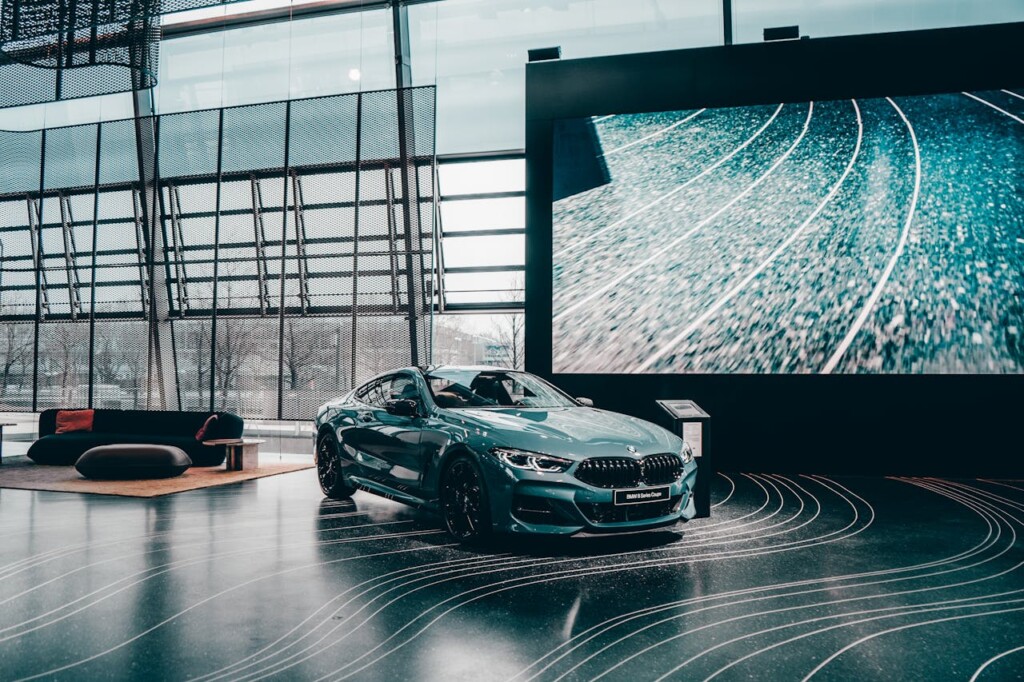
Construction plans call for an integrated luxury automotive dealership combining showroom and service operations at Lemmon Avenue and Inwood Road. This design strategy streamlines construction phasing while creating operational efficiency. Additionally, the adjacent Volvo service center construction will establish a consolidated automotive campus.
The construction timeline targets second-quarter 2027 completion, providing a 27-month window from demolition through final inspection. During this period, contractors must coordinate demolition schedules, utility relocations, and permit approvals across multiple construction phases.
Dallas County valued the property at nearly $17.5 million before sale. Although development costs remain undisclosed, complete demolition and luxury dealership construction typically demand substantial investment in utility infrastructure upgrades and specialized automotive facility systems.
Power Infrastructure Construction For Automotive Facility Upgrades
Dallas now supports automotive facility construction through local power equipment manufacturing. A 400,000-square-foot facility produces power pods, power distribution units, and low-voltage switchgear. As a result, construction teams can reduce electrical equipment lead times during automotive facility builds.
Power distribution units form the backbone of modern automotive facility construction. Construction crews must install these units to manage power flow between main sources and end-use equipment throughout dealerships. Similarly, low-voltage switchgear installation coordinates protection systems for EV charging stations, diagnostic equipment, and facility lighting.
Local production capacity directly impacts construction schedules. When coordinating automotive facility upgrade Dallas projects, nearby manufacturing means faster equipment delivery and quicker responses to specification changes. Furthermore, regional supply chains reduce construction delays from equipment procurement issues.
Modern automotive facility construction demands higher electrical capacity than traditional dealership builds. Electric vehicle charging infrastructure requires robust power distribution during construction and installation. Service bay construction also requires reliable power rough-ins for advanced diagnostic tools. Moreover, showroom construction needs sophisticated electrical systems for lighting and climate control.
Grid-to-chip infrastructure becomes increasingly critical as automotive facilities integrate more technology. The local Dallas facility supports construction requirements by providing equipment capable of handling both traditional electrical loads and emerging EV servicing needs. Consequently, regional manufacturing ensures consistent supply and technical support throughout construction phases.
Regional Construction Growth: Engine Service And Automotive Facilities In DFW
Dallas construction markets expanded with HAECO Global‘s new 290,000-square-foot engine repair facility at 11124 Goodnight Lane. This $17.5 million construction project creates 170 jobs by December 2027 while demonstrating advanced facility construction techniques. The “engine hospital” construction requires specialized cleanroom environments and precision HVAC systems.
The HAECO construction project highlights specialized building requirements beyond standard automotive work. Advanced engine repair facilities need precise temperature control, vibration-isolated foundations, and contamination-free construction zones. These construction challenges prepare contractors for similarly complex automotive facility upgrade Dallas projects.
Denton continues attracting automotive manufacturers seeking construction-ready sites in the DFW corridor. These locations provide access to major transportation networks while offering lower construction costs than urban Dallas. Additionally, these construction investments strengthen regional ecosystem benefits for parts suppliers, logistics providers, and specialized contractors.
Regional workforce growth in engine service directly benefits construction projects. Skilled technicians understand facility requirements, helping construction teams build more effective service centers. This expertise supports faster construction startups and reduces costly design revisions. Therefore, construction teams should coordinate with local labor markets when planning construction schedules and operational readiness.
Construction Planning For Your Automotive Facility Upgrade Dallas Project
Automotive facility upgrade Dallas projects require strategic construction planning from initial site assessment through final inspection. The 6000 Lemmon Avenue project demonstrates how construction teams can transform aging industrial sites into modern dealership facilities through careful demolition and phased construction approaches. With regional power infrastructure supporting construction timelines and service capacity growing across DFW, conditions favor efficient project delivery and successful facility startups.
Construction timeline management determines project success. First, coordinate demolition schedules early to align with the 2025–2027 construction window. Second, plan integrated service design during preconstruction to maximize construction efficiency and customer flow. Third, coordinate with utility providers on power construction needs to avoid installation delays and leverage regional supply readiness. These construction strategies position automotive facility upgrade Dallas projects for long-term success.
Ready to start planning your automotive facility construction project? Contact EB3 Construction to discuss your construction timeline and development strategy.