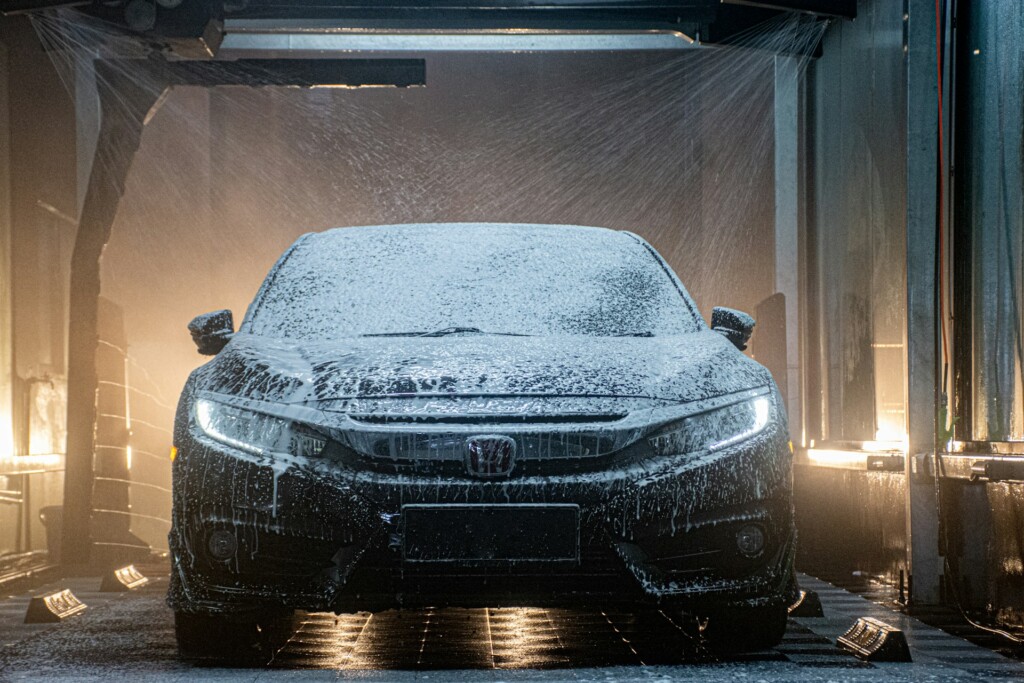
Dallas car wash operations demand robust facilities capable of processing hundreds of vehicles daily through harsh Texas weather. The Dallas market supports four primary bay configurations, each designed for specific throughput requirements and site constraints.
Car wash bay construction in Dallas includes tunnel washes, in-bay automatics, self-serve facilities, and specialized pull-through bays for commercial fleets. We deliver these projects using CMU block walls with steel framing, underground reclaim tanks, and access-controlled entry systems that handle the region’s high volumes while maintaining year-round operational efficiency.
Which Car Wash Bay Types Fit Dallas Sites?
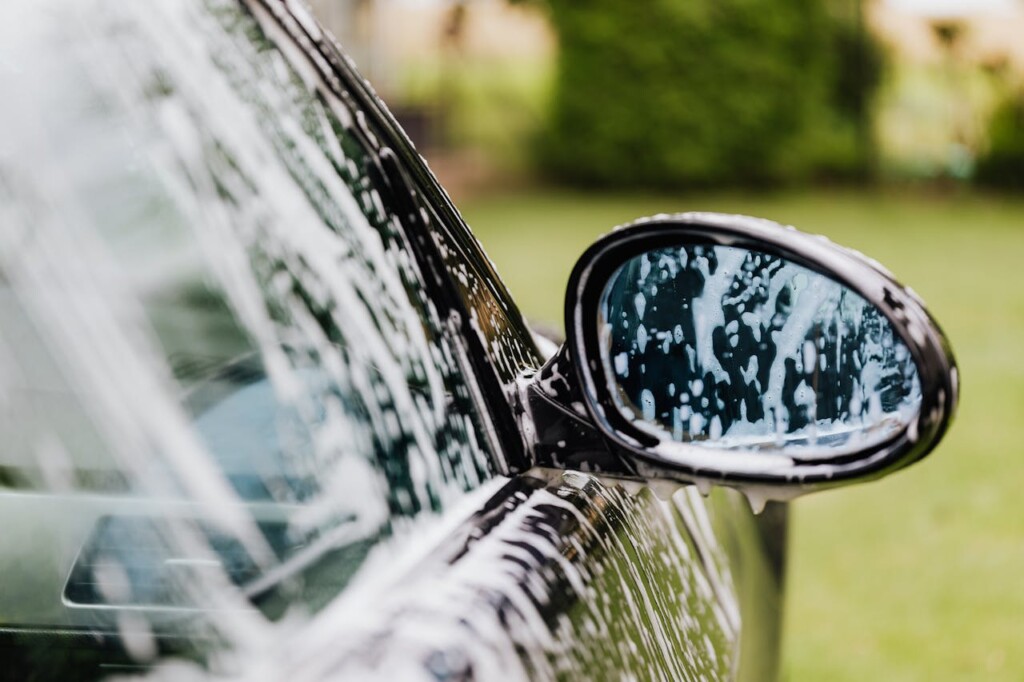
Dallas developments accommodate four primary bay configurations, each designed for specific market segments and throughput requirements. We coordinate these systems based on site constraints, customer demographics, and operational goals across the metropolitan area.
Tunnel car wash systems deliver the highest processing capacity, ranging from 60 to 120+ vehicles per hour depending on length and equipment configuration. Our recent regional work demonstrates effective tunnel lengths of 98′, 110′, 120′, 130′, and 145′. These systems require dedicated building footprints typically spanning 3,691 to 5,178 SF for stand-alone facilities.
In-bay automatic car wash systems keep vehicles stationary while equipment moves around them, completing wash cycles in 6 to 10 minutes. These units fit compact urban sites with limited depth and adequate street visibility. The systems work well on parcels where space constraints prevent tunnel installation, while maintaining efficient customer flow.
Self-service car wash facilities offer customers direct control through individual bay rentals with high-pressure equipment access. Each bay processes 3 to 6 cars per hour, making these systems suitable for smaller lots with steady neighborhood traffic patterns. We design multiple individual bays with dedicated chemical dispensers and foam application systems.
Pull-through wash bay configurations serve specialized applications, particularly fleet operations and integrated automotive facilities. We build these systems for bus hubs, truck maintenance centers, and auto repair shops that require clean vehicle delivery. The central wash bay positioning supports quick cleaning cycles at the end of service workflows.
Integrated facilities combine multiple functions within expanded building envelopes. Our automotive service and car wash projects reach approximately 10,000 SF, incorporating 12 double-stacked service bays alongside dedicated wash facilities. This approach maximizes site utilization while providing comprehensive vehicle services under one roof.
Fleet-focused installations utilize pull-through configurations sized for large vehicles, including buses and tractor-trailers. We position these systems centrally within service facilities to support efficient workflow patterns. The wash bay integration allows clean vehicle staging following maintenance or fueling operations.
What Building Materials And Structural Systems Are Typical?
CMU walls form the backbone of most car wash facilities we construct in Dallas. We combine these masonry units with structural steel, wood, or light-gauge metal framing, depending on span requirements and load conditions. Steel framing offers superior durability in high-moisture environments, while wood framing provides a cost-effective option for smaller bay configurations.
Metal framing systems work well for pre-engineered buildings and large clear spans. We select framing materials based on building size, code requirements, and specific wash equipment loads. Combining CMU walls with various framing types creates robust structures that handle constant moisture and equipment vibrations.
Exterior Finish Materials
Brick veneer delivers classic aesthetics and long-term durability for car wash exteriors. We often specify EIFS for a smooth, modern appearance that resists moisture penetration when properly detailed. Stone veneer adds upscale character while providing excellent weather resistance.
Metal coping protects parapet walls and roof edges from water infiltration. We detail these systems carefully to prevent moisture problems that could compromise the building envelope. Together, these exterior finishes let owners achieve their desired architectural style while maintaining performance standards.
Site and Floor Systems
Concrete floors handle heavy traffic loads and frequent water exposure in wash bays. We design these slabs with proper drainage slopes and chemical-resistant surface treatments. The concrete mix specifications account for freeze-thaw cycles and chemical exposure from cleaning solutions.
Clear safety striping guides traffic flow and identifies pedestrian areas. We coordinate striping layouts with vacuum stations and entry and exit patterns. Metal canopies protect customers during the wash process and shield equipment from the weather. These structures extend over wash bays and customer areas to improve the service experience.
These assemblies perform well in Dallas’s climate and the demanding environment of commercial wash operations. The mix of durable structural systems and moisture-resistant finishes creates facilities that operate efficiently for years with minimal maintenance.
What Do Recent Dallas–Fort Worth Project Snapshots Show?
Dallas car wash projects demonstrate the practical application of proven construction approaches. Recent builds across the metro showcase diverse formats, from integrated automotive facilities to dedicated tunnel operations, each tailored to specific market segments and operational requirements.
A comprehensive Dallas auto repair and car wash facility spans approximately 10,000 SF, with CMU block walls and steel framing. The facility integrates a two-story office and retail section, 12 double-stacked service bays, and a pull-through wash bay positioned to support efficient clean vehicle delivery. This configuration allows simultaneous repair and wash operations without workflow interference.
The ground-up car wash development on Forest Lane in Dallas reflects modern facility planning with covered bay structures and systematic site circulation patterns. We coordinated the layout to optimize customer flow while preserving clear visibility for approaching vehicles. The covered structures provide weather protection essential for the Dallas climate.
Irving’s fleet hub facility features a two-story tilt-wall office structure paired with six service bays and a central pull-through wash bay sized for buses and tractor-trailers. This arrangement supports fleet maintenance workflows in which vehicles move directly from service to cleaning before returning to active duty. The tilt-wall construction provides durability while maintaining cost efficiency for a large-scale operation.
Regional tunnel car wash construction typically involves buildings ranging from approximately 3,691 to 5,178 SF and housing tunnel lengths of 98′ to 145′. These facilities consistently incorporate underground reclaim tanks for water management and water recycling systems, 23 to 24 vacuum systems for high-capacity post-wash services, and access-controlled entry points for queue management. Structural framing varies between wood and metal systems depending on specific load requirements and budget parameters, while CMU block walls provide the moisture resistance essential for wash operations. Exterior finishes combine multiple materials to achieve durability and visual appeal within commercial corridors throughout the Dallas–Fort Worth region.
Conclusion And Next Steps
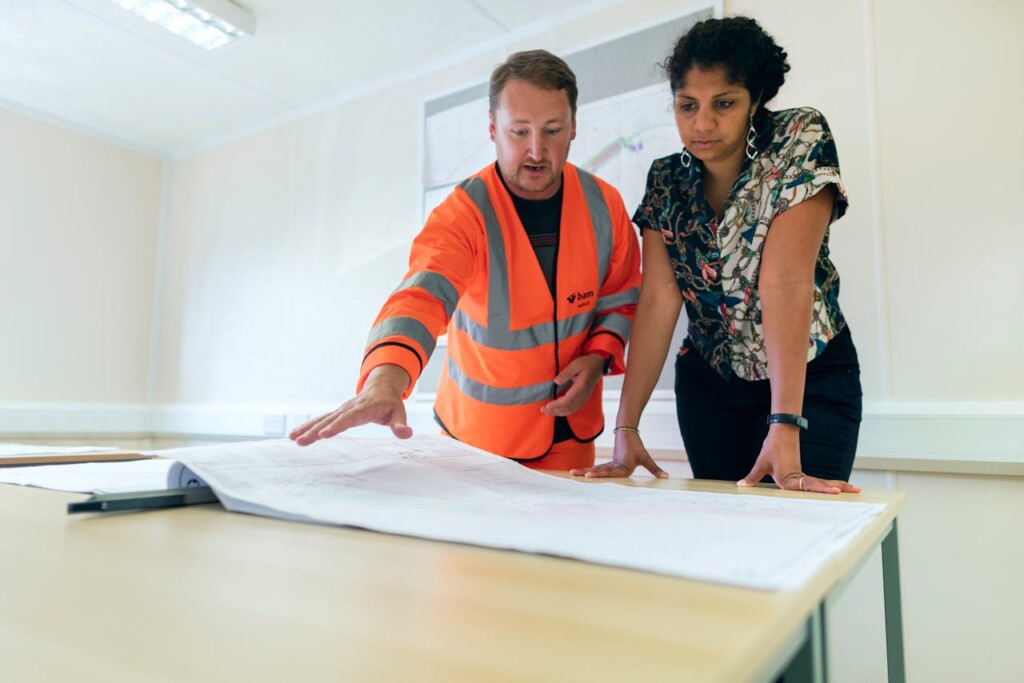
Car wash bay construction in Dallas centers on proven structures, efficient site systems, and customer-friendly amenities that drive consistent performance. Regional projects demonstrate the effectiveness of CMU block walls with mixed framing systems, underground reclaim tanks, and robust vacuum fields that support tunnels ranging from 98′ to 145′ in length. These foundational elements create the operational backbone for high-throughput facilities that serve the diverse needs of Dallas-area vehicle owners.
Successful project delivery requires early planning to address bay type selection, structural material choices, and long-term maintenance considerations. We coordinate design-build workflows that align delivery methods with your schedule and budget while incorporating value-engineering opportunities that optimize capital allocation. Define amenity packages early in the planning process to ensure site circulation, customer flow, and service offerings work together to support your operational goals and market position.
Ready to plan your Dallas car wash project? Contact EB3 Construction for design-build services that integrate proven systems with customer-focused amenities.