Every construction project depends on solid ground. A site grading contractor in San Antonio prepares and shapes the land so projects begin on a stable, level base that supports the development process.
At EB3 Construction, we deliver comprehensive site work, including land clearing, debris removal, soil stabilization, and precise grading to accommodate varied slopes across San Antonio’s diverse terrain. Safety and a well-organized, productive worksite remain our priorities throughout every earthwork phase, ensuring your project moves forward without delays or hazardous conditions.
What Services Are Typically Included In Site Grading And Site Work?
Site grading services encompass a range of earthwork activities that transform raw land into construction-ready sites. Our work begins with land clearing and tree removal, followed by excavation and fill operations to establish proper site elevations. We handle soil stabilization to ensure the ground can support structural loads and remain stable over time.
Trenching and utility installation are critical components of our site work. We dig precise trenches for water lines, sewer systems, electrical conduits, and telecommunications infrastructure. Our crews coordinate with local utility providers to ensure proper connections and code compliance throughout the development process.
Infrastructure and Hardscape Elements
Asphalt paving transforms graded surfaces into functional roadways, parking areas, and access routes. We install asphalt surfaces that meet municipal specifications and accommodate the traffic loads expected for each project type. Concrete curb installation typically follows paving, creating defined edges that direct stormwater flow and separate vehicular areas from landscaped zones.
Site clearing extends beyond basic vegetation removal to include debris management and surface preparation. We remove stumps, rocks, and existing structures as needed, then process or dispose of materials in line with environmental regulations and project requirements.
Specialized Earthwork Operations
Embankments and retaining walls address challenging topography where natural slopes cannot accommodate the planned site layout. We construct these features using engineered fill and proper compaction techniques to create stable transitions between different elevation zones. Retaining walls are necessary when space constraints or soil conditions require vertical grade changes.
Erosion and sediment control measures protect both the active construction site and surrounding properties. We install silt fencing, construct temporary detention basins, and establish vegetative cover where appropriate. These systems prevent soil migration during construction and help projects comply with environmental compliance requirements.
Roadwork and infrastructure preparation extend site development beyond individual building pads to create complete project frameworks. We grade and prepare surfaces for internal road networks, install storm drainage systems, and coordinate utility corridor development. This integrated approach supports residential grading projects, commercial site work, and industrial development infrastructure needs.
How Does The Grading Process Work And What Equipment Is Used?
We approach each grading project with careful planning and systematic execution. Our process starts with a comprehensive site assessment that evaluates soil conditions, existing terrain, and project requirements.
Site Assessment and Planning
Our crews conduct detailed soil analysis to understand composition and bearing capacity. We measure terrain variations and map existing features like utilities, drainage patterns, and property boundaries. This assessment drives the development of a grading plan that addresses the specific challenges of each site.
The planning phase establishes precise elevations and slope requirements. We calculate cut and fill volumes to determine material needs. Our team coordinates with surveyors to set grade stakes and establish reference points throughout the work area.
Equipment for Different Tasks
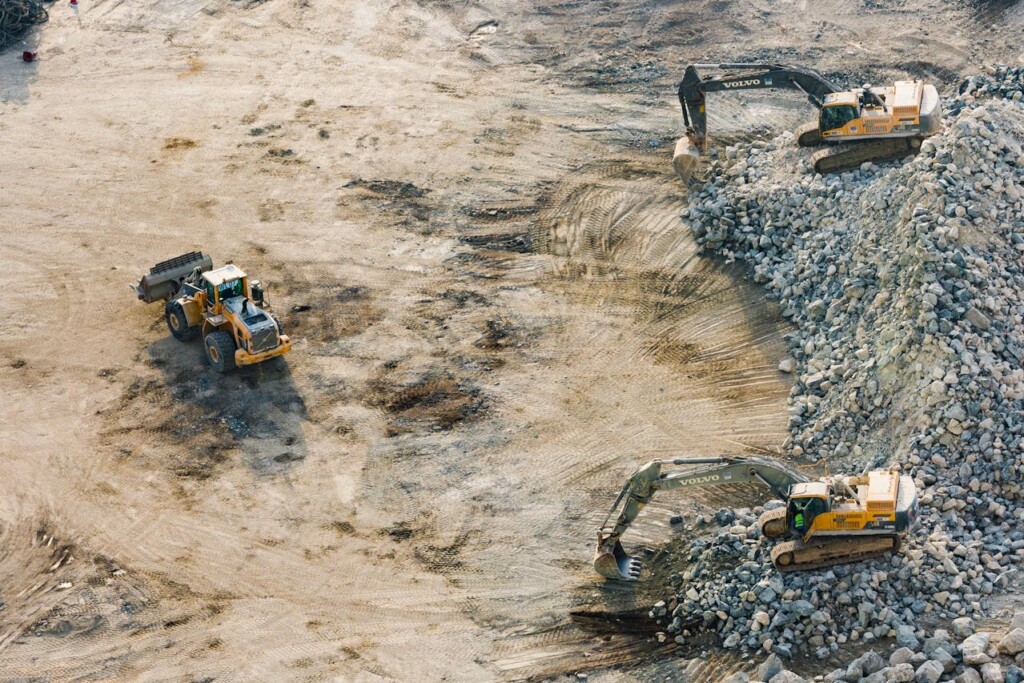
We deploy excavators for heavy digging and material movement on larger projects. These machines handle mass excavation efficiently while providing the precision needed for final grades. Skid steers work well in confined spaces and perform detailed grading around structures or utilities.
Our fleet includes wheel loaders for moving fill material and loading trucks. Compact track loaders offer stability on soft ground. Motor graders create smooth, precise finishes on larger surfaces like roadways and parking areas.
Compaction equipment ranges from hand-operated tampers for small areas to large vibratory rollers for extensive surfaces. We select equipment based on soil type and the compaction requirements specified in the project plans.
Sequential Work Process
Excavation begins with rough grading to establish basic contours and elevation changes. We remove excess material from high areas and place it in designated low spots. This phase moves the largest volumes of soil efficiently.
Debris removal occurs throughout the process as we encounter rocks, roots, and other materials. We sort and dispose of debris according to local regulations and project specifications. Clean fill material is placed and spread to achieve proper grades.
Final grading creates the precise slopes and elevations required for construction. Our operators make multiple passes to achieve smooth, uniform surfaces. We check grades frequently with laser levels and GPS to maintain accuracy within specified tolerances.
Compaction occurs in lifts to ensure proper density throughout the graded area. We test compaction levels to verify they meet engineering specifications. Proper compaction prevents future settling that could damage structures or pavement.
How Do Drainage And Erosion Control Support Proper Grading?
Effective grading depends on precise water management. We engineer slopes that direct runoff away from structures and foundation systems while maintaining stable soil conditions across the site.
Water management drives the long-term success of every grading project. Without proper drainage systems, even well-graded sites can experience pooling that weakens soil integrity and threatens foundation stability over time.
French Drains Control Subsurface Water Movement
We install French drains to intercept and redirect groundwater before it reaches critical areas. These perforated pipe systems, surrounded by gravel, provide a controlled pathway for subsurface water to escape without saturating construction zones.
French drains capture water that would otherwise pool near foundations or infiltrate basement areas. The gravel-filled trenches allow water to flow naturally while filtering out sediment that could clog the drainage system during heavy rain.
Stormwater Systems Manage Surface Runoff
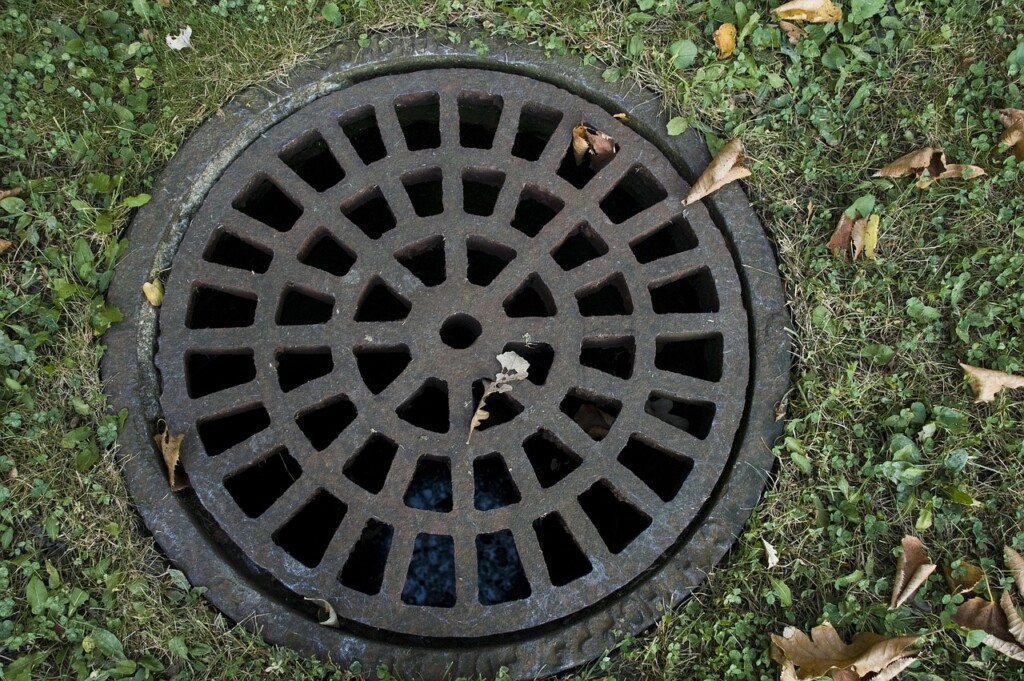
Stormwater management requires coordinated grading and infrastructure planning. We design surface grades that channel runoff toward catch basins, storm drains, and retention areas while preventing erosive flows that destabilize soil.
Properly graded swales and channels distribute runoff evenly across larger areas. This approach reduces runoff velocity, allowing natural infiltration while preventing concentrated flows that create gullies or undermine paved surfaces.
Soil Stabilization Through Strategic Compaction
Compaction creates the foundation for effective drainage. We compact fill materials and native soils to specified densities that support structures while maintaining permeability for controlled water movement.
Strategic compaction prevents settling that disrupts drainage patterns after construction. Different areas require varying compaction levels based on their intended use, from heavy equipment zones to landscaped areas that need moderate infiltration.
Protecting Foundations With Proper Slopes
We establish positive drainage grades around all buildings to direct water away from foundations. Proper slope creation ensures that surface water flows toward designated drainage points rather than pooling against structural elements.
Foundation protection requires maintaining specific grade percentages that promote drainage without creating erosion risks. These calculated slopes work with installed drainage systems to provide comprehensive water control that protects both immediate construction areas and long-term structural integrity.
What Areas Around San Antonio Are Served And What Project Types Fit?
EB3 Construction serves the greater San Antonio region with a service area that extends well beyond the city limits. We handle site-grading projects throughout Helotes, Leon Valley, Alamo Heights, Converse, and Universal City. Our teams also work extensively in New Braunfels and San Marcos, bringing the same level of precision to each location.
Our service area encompasses numerous metro neighborhoods and ZIP codes across Bexar County. We regularly complete projects in ZIP codes 78201, 78207, 78209, 78228, 78230, 78232, 78247, 78249, 78250, 78251, 78253, 78254, 78255, 78257, 78258, 78259, 78260, 78261, and 78266. Additional coverage extends to Boerne, Schertz, Live Oak, Selma, Castle Hills, Stone Oak, and Alamo Ranch.
Project Types We Handle
We approach residential grading projects with attention to proper drainage and foundation stability. Single-family developments, custom home sites, and subdivision work require different techniques, but all benefit from accurate earthwork and soil preparation. Our residential projects often involve coordinating with utilities and managing access during active construction.
Commercial excavation demands precise scheduling and coordination with multiple trades. Office complexes, retail centers, and mixed-use developments typically require extensive site preparation before vertical construction begins. We handle everything from initial clearing to final grading, ensuring surfaces meet engineering specifications for paving and structural work.
Industrial sites present unique challenges with heavy-equipment access and specialized drainage requirements. Manufacturing facilities, warehouses, and distribution centers need robust foundations and carefully planned utility corridors. Our industrial grading work supports long-term structural integrity while accommodating specialized loading and operational needs.
Infrastructure Preparation
Roadwork and infrastructure preparation form a significant portion of our project portfolio. Municipal projects, private road development, and utility corridor preparation require coordination with local authorities and adherence to specific engineering standards. We handle everything from initial earthwork to final surface preparation for paving crews.
Stormwater management systems and utility trenching often accompany our grading work. These projects require precise elevation control and coordination with multiple utility providers. Our infrastructure preparation work supports both new development and retrofit projects throughout the San Antonio metropolitan area.
Conclusion And Next Steps
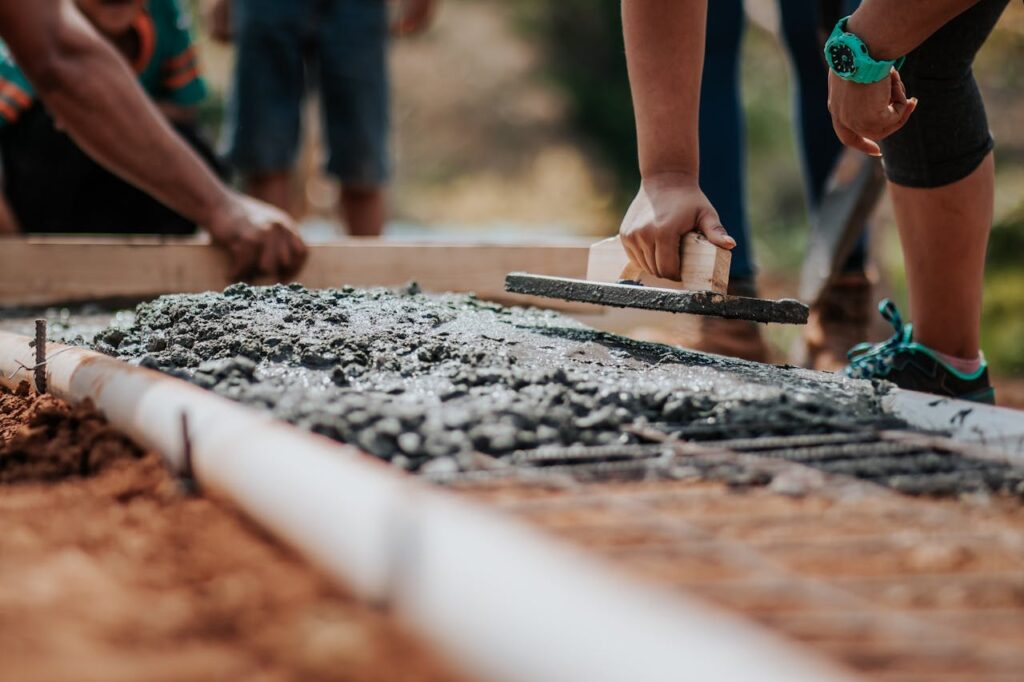
Successful site development relies on proper grading to establish a stable foundation and prevent costly delays. We understand that every project has unique requirements—from soil conditions and drainage challenges to scheduling needs that keep each construction phase moving smoothly.
When planning your next development, review soil analysis results, existing drainage patterns, and requirements for utility placement early in the process. These factors define the scope of earthwork services and help establish realistic project timelines. Our team coordinates site preparation, grading, and utility trenching to prepare your site for construction.
Ready to discuss your site grading needs? Contact EB3 Construction to review your project requirements and develop a comprehensive site preparation plan.