
New builds in Dallas often take longer than many property owners expect. Single-family construction typically spans 8 to 18 months, from initial design through move-in, with most projects finishing in about 12 to 14 months.
Production builds usually take 4 to 9 months from contract signing, while inventory homes can close within 30 to 90 days if construction is already underway. The DFW construction timeline depends heavily on project scope, permitting requirements, weather patterns, and material selections, which can accelerate or extend the schedule across Dallas County.
How Long Do Key Phases Take On A Typical Dallas New Build?
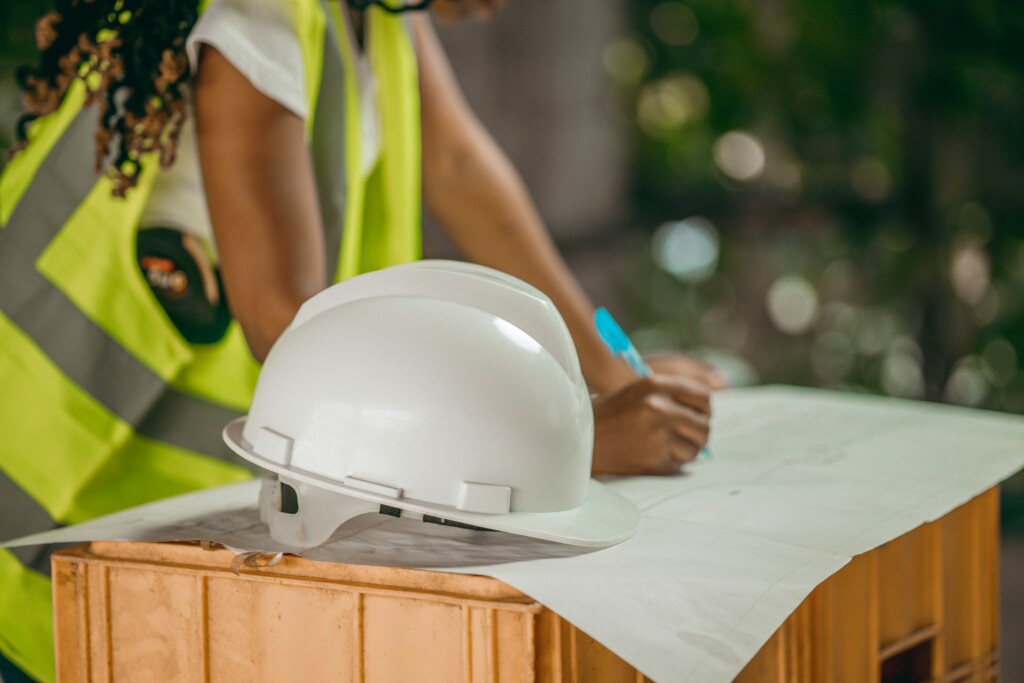
Pre-construction activities account for 3–6 months of the total timeline. Design and planning typically take 1–3 months, while permitting in most Dallas jurisdictions takes 4–8 weeks. Site preparation follows, with 2–4 weeks for grading, utilities, and foundation readiness.
Construction typically spans 6–12 months, from foundation pour to final walkthrough. Foundation work progresses through excavation, forming, and concrete placement over 2–4 weeks. Framing crews then erect structural walls, floors, and roof systems over 4–8 weeks, establishing the home’s skeleton.
Core Construction Phases
MEP rough-ins cover mechanical, electrical, and plumbing installations and typically take 3–6 weeks. HVAC ductwork, electrical circuits, and plumbing lines are integrated throughout the structure during this phase. Insulation and drywall then follow over 2–4 weeks, creating the interior envelope and room divisions.
Interior finishes are often the longest phase at 6–10 weeks. Flooring, cabinetry, countertops, paint, and trim transform the structure into a livable space. Exterior finishes proceed simultaneously over 2–4 weeks, addressing siding, roofing completion, and landscaping elements.
Final Phase and Alternatives
Final inspections and walkthroughs take 1–2 weeks for city approvals, punch list completion, and Certificate of Occupancy issuance. We coordinate these closing steps to ensure compliance with local building codes and client expectations.
Production builds offer accelerated timelines of 4–9 months after contract execution. Inventory or spec homes can close within 30–90 days when construction is substantially complete. Semi-custom and custom projects typically extend 9–18 months due to design complexity and selection processes.
| Phase | Description | Duration |
| Pre-Construction Activities | Includes lot selection, contract execution, design, and permitting activities | 3–6 months |
| Site Preparation | Grading, utilities, and foundation readiness | 2–4 weeks |
| Foundation Work | Excavation, forming, and concrete placement | 2–4 weeks |
| Framing | Structural walls, floors, and roof systems | 4–8 weeks |
| MEP Rough-Ins | Mechanical, electrical, and plumbing installations | 3–6 weeks |
| Insulation & Drywall Installation | Creating the interior envelope | 2–4 weeks |
| Interior Finishes | Flooring, cabinetry, countertops, paint, and trim work | 6–10 weeks |
| Exterior Finishes | Siding, roofing completion, and landscaping elements | 2–4 weeks |
| Final Inspections & Walkthrough | City inspections, punch list completion, and Certificate of Occupancy approval | 1–2 weeks |
Which Pre-Construction Steps Drive Timing In Dallas?
The early phases of your Dallas project require careful coordination to keep your schedule on track. Several critical checkpoints occur between contract signing and the start of vertical construction. We manage these phases systematically to prevent delays and maintain project momentum.
Contract and Reservation Phase
The period from lot reservation to a signed construction contract typically spans 1 to 4 weeks. This phase involves finalizing your builder agreement, reviewing contract terms, and securing your homesite. We coordinate with developers to ensure proper lot allocation and confirm that all preliminary requirements are met before moving forward.
The contract phase also includes verifying financing arrangements and establishing project parameters. These initial steps form the foundation for subsequent activities, so we allocate sufficient time for proper documentation and approvals.
Design and Selection Windows
Design selections typically occur within defined windows, often 2 to 6 weeks after contract execution for builders who use design centers. This compressed timeline requires prompt decisions on finishes, fixtures, and material choices. We work with clients to prepare selection priorities before the window opens.
Late selections or changes during this period can extend the overall schedule. Builders maintain strict schedules for ordering materials and coordinating with suppliers, making adherence to selection deadlines critical to project flow. We ensure all parties understand these constraints early in the process.
Permitting and Approval Process
Dallas jurisdictions typically require 4 to 8 weeks for permit review and approval. The City of Dallas follows a structured review process with prescreening and plan review phases. According to the City of Dallas building permit review summary, single-family new construction takes approximately 10 days for initial prescreening and 7 to 8 weeks for first review after prescreen completion.
The time from contract signing to permit issuance and site-ready status often ranges from 2 to 8+ weeks, depending on jurisdiction and submission timing. Projects outside Dallas city limits may follow different municipal or county processes, which can affect review timelines. We verify the specific permitting authority early to set accurate expectations.
Site Preparation Activities
Site preparation generally requires 1 to 4 weeks once permits are secured. This phase includes clearing, grading, utility connections, and foundation preparation. Site conditions, soil requirements, and utility availability influence this timeline. We coordinate these activities to begin immediately after permit approval.
| Checkpoint | Duration |
|---|---|
| Lot Reservation to Construction Contract | 1-4 weeks |
| Design and Selection Windows | 2-6 weeks after contract execution |
| Permitting and Approval Process | 4-8 weeks |
| Site Preparation | 1-4 weeks |
Certificate of Occupancy Requirements
City inspections occur at key construction stages, with the Certificate of Occupancy serving as final approval before closing. The City of Dallas typically requires CO approval before possession can transfer to owners. This requirement affects closing coordination and move-in planning.
We verify CO requirements and inspection schedules during the pre-construction phase. Understanding these approval steps helps establish realistic completion dates and prevents last-minute delays at closing.
What Dallas-Specific Factors Speed Up Or Slow Down Schedules?
Dallas construction projects face distinct challenges that can extend or compress timelines. Weather patterns, soil conditions, and local regulations create scheduling variables we account for on every project.
Weather And Climate Disruptions
Weather delays projects in Dallas more frequently than in many other regions. Heavy spring rains halt foundation work and framing activities when sites become unsafe or unusable. Storm systems can shut down construction for days, while crews wait for safe working conditions.
Extreme summer heat poses different challenges. High temperatures affect concrete curing times and crew productivity during peak hours. We often adjust work schedules to start earlier or work split shifts when temperatures exceed safe working thresholds.
Winter freezes, though less common, can delay projects when temperatures drop suddenly. Ice formation impacts material deliveries and creates hazardous site conditions that require work stoppages.
Soil And Geotechnical Requirements
Expansive clay soils throughout North Texas require specific foundation approaches that add time to the construction process. Most projects need geotechnical reports before foundation design can be finalized. This soil analysis typically adds 2-3 weeks to pre-construction schedules.
Slab-on-grade foundations with proper mitigation measures take longer to design and execute than standard approaches. Engineered piers or specialized foundation systems require additional engineering time and specialty contractors. These soil conditions can extend foundation phases by 1-2 weeks compared to more stable soil regions.
Jurisdictional And Regulatory Variables
Dallas permitting processes vary significantly across jurisdictions within the metropolitan area. City of Dallas permits follow different timelines than those in suburban municipalities. Some jurisdictions process permits faster, while others require additional review steps.
HOA guidelines add another layer of approval in many neighborhoods. Architectural review committees may require specific materials, colors, or design elements. These reviews can extend pre-construction timelines by several weeks if not planned in advance.
Municipal Utility Districts (MUDs) in fringe areas require separate disclosures and impact fee reviews. These additional requirements can delay closings if not addressed early in the process.
Selection Deadlines And Change Orders
Missing selection deadlines creates immediate schedule delays. Most builders provide specific windows for flooring, fixtures, and finish selections. Late decisions require change orders that push back construction phases.
Change orders during construction create the most significant delays. Material reordering, design modifications, and schedule adjustments can extend timelines by weeks or months depending on the scope of changes requested.
Inspection Scheduling And Requirements
City inspections occur at mandatory checkpoints throughout construction. Foundation, framing, rough-in, insulation, and final inspections must pass before work can proceed to the next phase. Inspection failures require corrections and re-inspections that delay subsequent phases.
Many property owners hire third-party inspectors at critical stages, including pre-pour, framing, and the final walkthrough. While these provide additional quality assurance, they add coordination time to construction schedules. We recommend scheduling these inspections early to avoid delays at critical milestones.
How Do Regional Projects And Seasons Impact Timing?
Seasonal timing and major infrastructure projects create predictable patterns that affect construction schedules across DFW. Fall typically offers the most favorable construction window in the region. Weather during spring and summer often causes delays from heavy rain and extreme heat, which affect both crew productivity and material curing.
Seasonal Construction Windows
We typically see the best building conditions from October through March, when temperatures moderate and rainfall decreases. Spring storms can halt foundation and site work for days at a time. Summer heat above 100 degrees slows concrete curing and reduces crew efficiency, often requiring earlier start times and modified work schedules.
These seasonal factors affect material deliveries and inspection scheduling. Municipal inspectors often face backlogs during peak building months, while extreme weather can delay critical inspections like foundation pours or final walkthroughs.
Regional Infrastructure Projects
Large-scale transportation projects throughout DFW directly impact construction logistics and labor availability. TxDOT’s current major undertakings include several Texas Clear Lanes initiatives that reshape traffic patterns and crew commuting routes.
The I-30 Canyon project runs from 2025 through 2029, affecting access to job sites in the Arlington and Grand Prairie areas. I-30 East construction continues through 2027, creating ongoing congestion that impacts delivery schedules. The I-35E expansion from I-635 to the Denton County line spans 2022 to 2025, while the broader I-35 corridor work extends through 2030.
These projects compete for skilled labor, particularly concrete crews, steel workers, and heavy equipment operators. We often coordinate our construction schedules around these constraints to ensure adequate workforce availability.
Transit and Airport Development
DART’s Silver Line construction creates both challenges and opportunities for residential projects. The rail connection between DFW Airport and Plano affects traffic patterns and requires coordination for material deliveries crossing rail corridors. Signal testing and infrastructure work can temporarily block access routes to nearby construction sites.
DFW Airport Terminal F construction ramps up through 2026, with the first phase opening in 2027 and continued build-out toward 2030. This massive undertaking influences regional labor markets and material supplies, particularly for specialized trades and high-volume concrete pours.
The I-635 LBJ East project, running through 2025, and Spur 399 construction from 2025 to 2029 add complexity to logistics planning. We factor these timelines into our project scheduling to account for potential delivery delays and increased travel times for our crews moving between job sites.
Conclusion And Next Steps

Most new builds in Dallas require 8–18 months from design to move-in, with most finishing in about 12–14 months. We typically allocate 3–6 months for pre-construction and 6–12 months for construction. Weather delays, soil conditions, and regional infrastructure projects can extend these timelines, so building in adequate buffers helps protect your schedule and reduce stress throughout.
Before signing any construction agreement, we recommend securing key details in writing. Have the projected completion date, selection deadlines, inspection rights, Certificate of Occupancy requirements, and warranty coverage clearly documented. Confirm which permitting authority governs your site and understand their specific inspection sequences. Lock in your material selections within the builder’s designated windows to avoid change orders that could delay your timeline. Account for North Texas expansive clay soils, seasonal weather patterns, and ongoing TxDOT projects that might affect labor availability or delivery schedules around your job site.
Ready to start your Dallas construction project with a general contractor who understands regional timelines and local requirements? Contact EB3 Construction to discuss your build schedule and project needs.