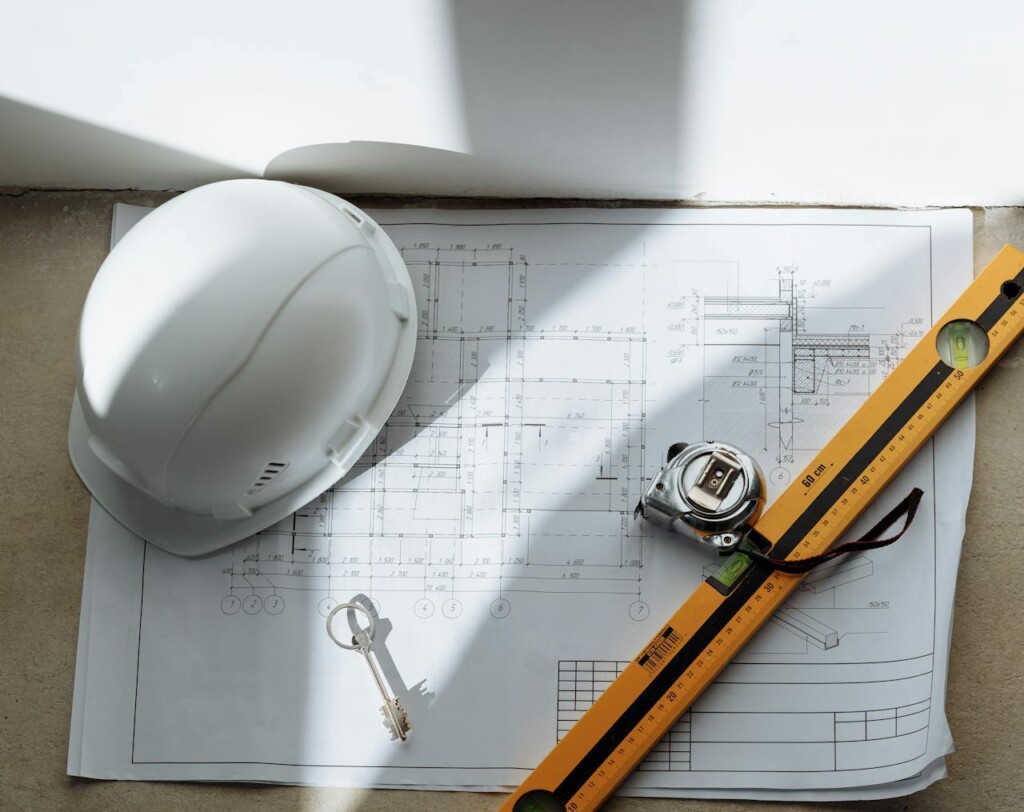
Projects in Austin typically undergo about 70 building inspections each year, reflecting the rigorous oversight built into the city’s construction process. The City of Austin Development Services Department structures development into three phases that move projects from initial concepts to occupied buildings. Each phase involves specific reviews, approvals, and coordination requirements that directly impact project timelines and costs.
We navigate Austin’s construction process daily, working through formal plan reviews and inspection protocols to ensure regulatory compliance while maintaining project momentum. The process encompasses scope alignment, budget control, risk management, and stakeholder communication across all delivery phases, from initial permitting through final Certificate of Occupancy issuance.
How Do Austin’s Official Development Phases Work?
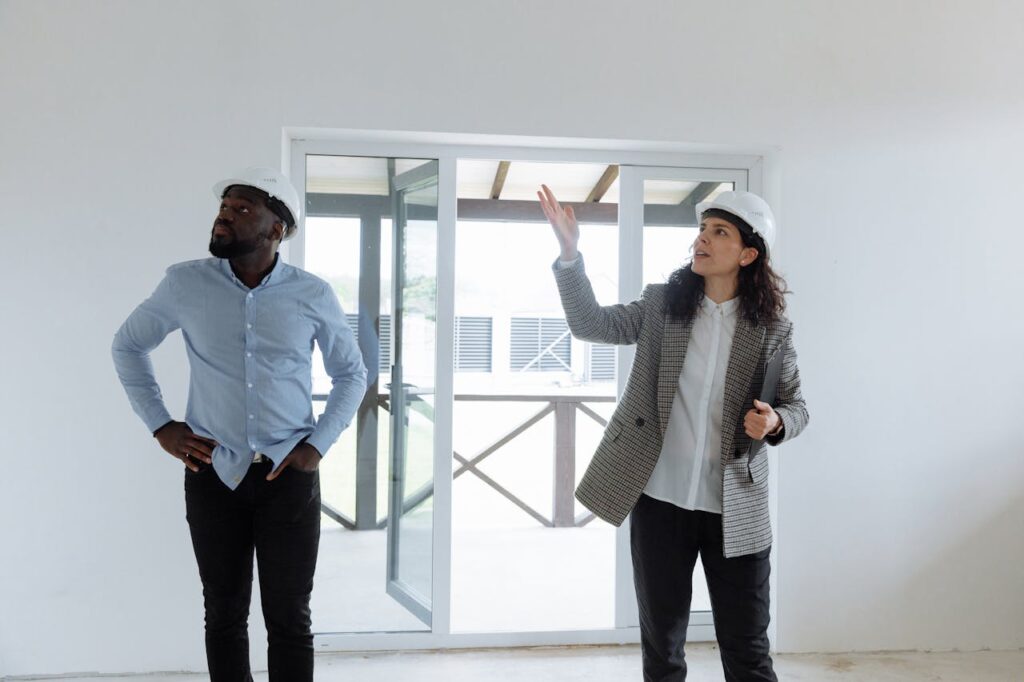
The City of Austin defines three phases that guide development projects through permitting. Understanding them helps construction teams manage expectations and coordinate resources effectively. Each phase builds on the previous one, with clear requirements and milestones to meet before moving forward.
Phase 1: Create Your Project
During Phase 1, developers maintain complete control over project vision and planning. This phase begins with site analysis and financial preparation, followed by conceptual design development with architects and engineers. We study land characteristics, gather financing commitments, and work with designers to develop concepts that align with both client objectives and adopted regulations.
The phase continues with comprehensive design development and regulatory compliance verification. Teams check zoning requirements, environmental constraints, and building codes before finalizing construction documents. All necessary documentation must be assembled in the format required by the City of Austin Development Services Department before submitting the permit application.
Thorough preparation in Phase 1 significantly reduces review cycles in later phases. Through this upfront work, we ensure designs are complete and code-compliant, positioning projects for smoother city reviews. The phase concludes when permit applications are submitted with complete documentation packages.
Phase 2: Review and Revise
Phase 2 becomes a collaborative effort between project teams and city staff. Multiple city departments review the submitted plans to confirm compliance with applicable codes and standards. This structured review includes four sequential steps that must be approved before permits are issued.
Zoning Review comes first, confirming that the proposed development aligns with designated zoning classifications and applicable overlay requirements. Subdivision Review follows, verifying that projects are located on legally defined parcels with appropriate infrastructure connections. These initial reviews establish the legal foundation for development approval.
Site Plan Review examines drainage systems, utility connections, environmental compliance, and site development standards. This comprehensive review ensures that projects integrate properly with surrounding infrastructure and meet environmental protection requirements. Building Plan Review concludes the sequence, focusing on structural safety, code compliance, and occupant use.
Upon approval from all review disciplines, the city issues permits that must be activated by registered contractors before construction can begin. This activation requirement ensures that qualified professionals oversee the construction process from the outset.
Phase 3: Build and Inspect
Construction begins only after permit activation, triggering Phase 3—Build and Inspect—when approved plans become physical structures. We coordinate each construction stage with required city inspections to verify compliance with approved documents and applicable building codes. This inspection process provides ongoing verification that construction matches the approved plans.
Regular inspections occur throughout construction, covering foundations, framing, mechanical systems, electrical installations, and plumbing work. Each inspection must pass before the next construction phase can proceed. Failed inspections require corrections and re-inspection before work continues.
The Final Inspection represents the culmination of the entire development process. Once all required inspections pass, including this final review, the permit status changes to “Final” and the project becomes eligible for occupancy. Projects that complete all inspections successfully receive either a Certificate of Occupancy or Certificate of Compliance, depending on the structure type and intended use.
Permits can expire if inspection coordination fails or construction stalls. We maintain active communication with inspection departments and ensure timely scheduling to prevent permit lapse and associated complications.
What Preconstruction And Management Practices Support Success In Austin?
Effective project delivery in Austin starts with scope alignment during the preconstruction phase. We establish clear objectives, budgets, and financial goals before moving into the formal design and permitting phases. This disciplined approach prevents costly changes after permits are issued and construction begins.
Establishing a Project Foundation Through Early Planning
Feasibility assessments form the backbone of successful Austin projects. We analyze site conditions, zoning constraints, and regulatory requirements to identify potential obstacles before they become costly delays. These evaluations help determine whether the proposed scope aligns with available resources and local development standards.
Budget and cost-control strategies require ongoing attention throughout preconstruction. We track design development costs, permit fees, and construction estimates to prevent overruns that could jeopardize project completion. Early cost modeling helps stakeholders make informed decisions about scope adjustments before committing to final designs.
Risk Management and Resource Optimization
Risk analyses address common challenges in Austin’s construction environment. We evaluate weather impacts, labor availability, and material supply chains to build realistic schedules that account for local conditions. This planning reduces the likelihood of delays that can affect permit timelines or inspection coordination.
Scheduling optimization aligns project phases with Austin’s review processes. We coordinate design management activities with the city’s submission deadlines to maintain momentum through zoning, site plan, and building plan reviews. Proper sequencing helps prevent bottlenecks that can extend project timelines unnecessarily.
Communication and Quality Oversight
Stakeholder engagement maintains project alignment through regular progress meetings and transparent reporting. We keep property owners, design teams, and regulatory officials informed about schedule updates, budget changes, and scope modifications. This communication prevents misunderstandings that could complicate later project phases.
Quality, safety, and regulatory compliance are priorities throughout planning and execution. We implement periodic audits and compliance checks to ensure designs meet Austin’s building codes and development standards. These measures help prevent costly revisions during the city’s review process.
Design management aligns architectural and engineering plans with established budgets and local codes. We coordinate across design disciplines to resolve conflicts before permit submission. This coordination reduces the need for resubmittals and plan revisions that could delay project approval.
Project Auditing and Sustainability Integration
Formal risk management protocols track potential issues throughout the preconstruction and construction phases. We document risk mitigation strategies and monitor their effectiveness to prevent small problems from turning into major setbacks. Regular project auditing ensures compliance with established procedures and quality standards.
Sustainability considerations align with Austin’s environmental review requirements. We evaluate energy efficiency, stormwater management, and material selection during design development. These decisions support both regulatory compliance and long-term operational efficiency.
Post-construction support planning begins during preconstruction to ensure a smooth project closeout. We prepare for final inspections, warranty collection, and community integration activities. This preparation helps achieve a timely Certificate of Occupancy approval and a successful project handover.
What Permits, Fees, And Tools Should Austin Teams Plan For?

Most construction work in Austin requires permits, including new construction, renovations, demolitions, pools, and fences over a certain height. We coordinate permits for electrical, mechanical, and plumbing work through the city system as well. The Do I Need a Permit wizard confirms the specific requirements for your project.
Austin Build + Connect Portal
The Development Services Department oversees permitting through Austin Build + Connect (AB+C), the city’s online portal. We use AB+C to apply for permits, upload documents, pay fees, and schedule inspections. The system consolidates the Development Services Department and other city departments into one interface.
AB+C supports multiple permit types, including commercial building permits, residential permits, electrical and mechanical permits, sign permits, and right-of-way permits. The portal also includes a Public Search function that doesn’t require registration, allowing us to check permits and case history for existing projects.
Fee Structure and Payment Options
Austin breaks permit fees into distinct categories. Application processing fees typically run under $100 for most projects. Plan review fees are often the largest expense, frequently costing $1,000 or more depending on project size and complexity. Plan resubmittal fees apply when we address reviewer comments and resubmit documents.
Minor plan revision fees are usually under $100, while major revisions involving two or more disciplines can reach several hundred dollars. Commercial projects over 1,500 square feet face base plan review fees starting at $3,320.50, with additional per-square-foot charges as size increases. A 6% Development Services Surcharge applies to all permit fees.
We can pay permit fees in four ways: online, by phone, in person, or by mail to City of Austin.
Required Inspections
After permit approval, construction requires coordinated inspections. Building inspections verify structural compliance and safety standards. Environmental inspections address site conditions and impact management. Site development inspections cover drainage, utilities, and infrastructure connections.
Subdivision inspections apply to projects involving land division or platting. Sound enforcement inspections address noise compliance during construction. Utility cut inspections ensure proper restoration of city infrastructure. We schedule inspections through AB+C and coordinate timing with construction phases to avoid delays.
Support Resources
The Permitting and Development Center provides in-person and virtual appointments for complex questions. The center offers plan review consultations when we need more than 20 minutes with reviewers or when multiple disciplines are involved.
Austin Code consolidated with the Development Services Department in March 2023, streamlining the review process. We use the AB+C Manual for guidance on registration, applications, fee payments, and inspection scheduling. The system includes application wizards that walk through submission requirements based on permit type.
What Construction Delivery Milestones And Closeout Steps Matter In Austin?
Austin’s institutional practices provide a structured framework for construction delivery. These milestones align technical execution with financial accountability and ensure compliance with local inspection requirements.
Project Initiation and Development
The estimate phase establishes preliminary cost expectations and schedule parameters. We develop rough estimates that set realistic budget ranges and schedule projections based on similar projects and current market conditions. These assessments guide funding decisions and define initial project boundaries.
Funding authorization secures the financial resources necessary to proceed through the design and construction phases. This milestone confirms budget availability and establishes spending authority for the project. We coordinate with owners to verify funding sources and ensure adequate reserves for contingencies.
The planning phase is essential when a project requires scope refinement, detailed coordination, or specialized assessments before design work begins. We use this phase to align stakeholder expectations, conduct feasibility studies, and address complex technical requirements. Not all projects require formal planning, but it is valuable for developments with unique constraints or multiple approval requirements.
Design and Procurement
Design phases translate project concepts into buildable plans that meet owner requirements and local code standards. We coordinate design development to keep plans aligned with budgets and schedules while maintaining compliance with Austin’s building regulations. Owner approvals at key design milestones help prevent costly revisions later.
Bid documents are prepared when outside contractors will execute the construction work. We compile comprehensive specifications and drawings that enable accurate pricing from qualified contractors. This phase includes contractor prequalification and competitive selection processes that deliver value while maintaining quality standards.
Construction Execution
Construction preparation involves coordinating site access, relocating occupants when necessary, and establishing work areas for contractors and in-house crews. We manage these logistics to minimize disruption while ensuring safe, efficient work environments. Proper preparation prevents delays and reduces coordination conflicts during active construction.
Substantial completion is the milestone at which spaces can be used for their intended purpose. During this phase, we conduct thorough inspections with project architects to identify remaining work items. Any deficient or incomplete elements are documented on a punch list that must be addressed before final payment to contractors.
Project Closeout and Occupancy
The closeout phase involves collecting all required documentation from contractors, including warranties, operating manuals, and as-built drawings. We coordinate final payment processing and reconcile project accounts with their funding sources. This systematic approach ensures complete financial closure and proper documentation transfer.
Final payment occurs only after all punch list items are complete and final inspections have passed. We verify that all contractual obligations have been met before authorizing final contractor payments. Reconciling project accounts confirms that all expenditures align with approved budgets and funding allocations.
These delivery milestones align directly with Austin’s Build and Inspect phase requirements. We schedule required city inspections throughout construction and ensure proper documentation for Final Inspection approval. This coordination enables permits to reach Final status and supports Certificate of Occupancy issuance at project completion.
Conclusion And Next Steps For Austin Projects

Austin’s construction process moves from the initial project vision, through the Development Services Department’s formal review, into permitted and inspected construction, and finally to occupancy approval. We coordinate this progression by aligning project scope and budget during early planning, implementing structured risk management throughout execution, and maintaining transparent communication with all stakeholders, including city staff, contractors, and project owners.
Use the Austin Build + Connect portal to submit applications and pay fees, confirm requirements with the city’s “Do I Need a Permit” wizard, and schedule appointments at the Permitting and Development Center when complex issues call for direct consultation. We structure our closeout process to ensure all required inspections are completed and documented, warranties and compliance certificates are collected, and the Final Inspection is passed so permits achieve final status and the Certificate of Occupancy can be issued for legal occupancy.
Ready for experienced guidance through Austin’s construction process? Contact EB3 Construction to discuss your project requirements and development timeline.