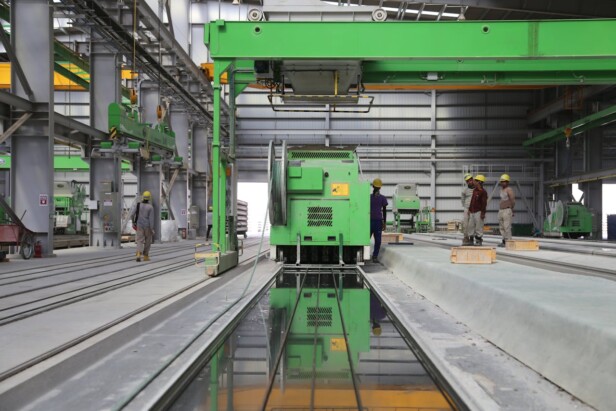
Dallas ranked first among U.S. metropolitan areas for manufacturing growth in 2024, reflecting a sustained surge of industrial construction investment that has transformed the Dallas-Fort Worth region into a manufacturing powerhouse over the past five years. The construction activity driving this ranking encompasses diverse facility types, specialized building systems, and advanced production technologies that define modern manufacturing infrastructure.
The region added 9.2 million square feet of manufacturing construction during this period. Texas leads the nation in manufactured goods exports and ranks second in factory output behind California. The Dallas area combines this production momentum with some of the lowest manufacturing labor costs in the country, creating economic conditions where manufacturing facility expansion construction projects continue to gain scale and technical sophistication.
Construction Sectors And Facility Footprints Defining Current Dallas Manufacturing Expansions

DFW manufacturing expansion construction spans multiple high-growth sectors, each requiring distinct facility specifications, building system requirements, and job creation outcomes. Aerospace manufacturing leads with substantial construction investments, including satellite manufacturing facilities approaching 750,000 square feet supporting approximately 2,000 jobs in the Arlington area. Engine repair and maintenance facilities add another aerospace construction dimension with projects exceeding 290,000 square feet creating 170 specialized technical positions in Dallas proper.
The mobility manufacturing sector demonstrates strong construction momentum in heavy-truck production facilities and renewable energy equipment manufacturing. Heavy-truck manufacturing construction projects have established 200,000-square-foot facilities in eastern suburbs employing 250 workers, while renewable energy manufacturing construction represents one of the region’s largest commitments: a $270 million investment creating 1,500 jobs, with immediate 750,000-square-foot facility construction in eastern Dallas County. The sector also includes heavy-truck production construction by international manufacturing firms establishing North American operations.
Food Production and Cold Storage Construction
Food manufacturing and distribution construction show significant scale across the Dallas-Fort Worth metro. Bakery production facility construction in southern suburbs spans 267,000 square feet with $160 million construction investment, creating 450 jobs for first North American plant operations. Supporting this sector, specialized cold storage warehouse construction delivered a $61 million, 123,000-square-foot facility in eastern markets, marking the largest industrial capital construction investment in that municipality’s history.
Ready-to-drink beverage manufacturing expanded its production footprint in northern suburbs to 300,000 square feet through facility construction additions, while major food processing companies announced $143 million construction upgrades expanding existing facilities to 635,000 square feet, adding 200 jobs in eastern Dallas County. These construction projects demonstrate how established food manufacturers are scaling production operations to meet regional consumption demand.
Semiconductor and Advanced Technology Construction
Semiconductor and advanced technology manufacturing construction brings specialized facility requirements to the region. Semiconductor wafer production facility construction expansions in northern suburbs include 30,000-square-foot additions with 35 jobs and $41 million investments to triple annual production capacity. Telecommunications equipment manufacturers announced additional $50 million construction investments in existing 300,000-square-foot 5G production facilities in northern markets, underscoring how technology manufacturers are expanding Dallas-area construction operations.
Power electronics manufacturing represents large-scale semiconductor construction growth, with plans to expand northern suburban operations by more than 1 million square feet and 1,500 jobs through major facility construction initiatives. These semiconductor construction projects typically require cleanroom environment construction, specialized utility infrastructure, and precision manufacturing capability installations.
Distribution and Logistics Facility Construction
Distribution center construction development shows the largest facility footprints across the metropolitan area. Sporting goods retail announced plans for 880,000-square-foot regional distribution center construction in Fort Worth supporting 300 jobs. Food distribution construction established even larger footprints with 1.1 million-square-foot distribution center construction in southern Dallas County.
Distribution operators added second 500,000-square-foot distribution center construction in eastern suburbs creating 75 new jobs, while logistics container manufacturers leased and improved 420,000 square feet of manufacturing space construction in northeast markets, creating 190 new positions. These logistics construction facilities require high-bay structural systems, extensive truck court development, and automated material handling system installations.
Manufacturing facility construction footprints across sectors typically range from 123,000 square feet for specialized cold storage operations to more than 1 million square feet for major distribution center construction. Job creation varies from 75 positions in smaller logistics construction operations to 2,000 jobs in large aerospace manufacturing construction projects. Multi-acre manufacturing site construction in eastern markets for fuel-cell facility development represents another construction approach, emphasizing land acquisition for future expansion construction phases.
Advanced Manufacturing Technologies And Data Center Innovations Shaping Facility Construction Design
Manufacturing facility construction in the Dallas area increasingly integrates digital twin technology infrastructure to create virtual replicas of production lines and equipment operations. These construction systems incorporate real-time sensor data networks including temperature monitors, vibration sensors, and power consumption meters to build dynamic simulations of manufacturing processes. Construction teams implement digital twin infrastructure for predictive maintenance capabilities and process optimization testing before making physical construction changes to production systems.
Automation and generative AI integration drive smart factory design construction in Dallas-area manufacturing expansions. Modern facility construction incorporates automated conveyor systems, robotic assembly line installations, and AI-powered quality control system infrastructure that can detect manufacturing defects faster than traditional inspection methods. These technology integrations require specialized power distribution construction, advanced networking infrastructure installations, and dedicated engineering lab construction for ongoing system refinement operations.
Data center cooling technology influences manufacturing facility construction design as production equipment generates greater heat loads requiring advanced thermal management. Advanced cooling system construction originally developed for high-density data center operations now supports manufacturing facility construction, with liquid cooling solution installations for precision machinery and GPU-powered quality inspection systems. These cooling construction approaches can reduce energy consumption by up to 90% compared with traditional air-based cooling system construction.
Engineering lab and product testing area construction receives increased emphasis in facility layout planning. Construction teams coordinate space planning to accommodate testing equipment installations, prototype development area construction, and quality assurance station integration that supports both manufacturing operations and data center cooling equipment production. These construction spaces often require specialized electrical system installations, cleanroom environment construction, and flexible layout designs that can adapt to changing product development construction needs.
Modular and scalable facility construction designs allow manufacturers to expand production capacity as market demand grows. Prefabricated building component construction and standardized utility connection installations enable faster construction timeline execution and easier capacity adjustment implementation. This construction approach supports both traditional manufacturing facility operations and emerging data center cooling equipment production construction that serves hyperscale and colocation customers across the regional market.
High-density computing requirements shape facility infrastructure construction planning. Manufacturing facility construction operations now include edge computing system installations for real-time process control and data analysis capabilities. Construction teams design electrical system infrastructure and cooling installations to support these computing loads alongside traditional production equipment requirements, ensuring reliable power delivery construction and thermal management systems for integrated smart manufacturing construction operations.
Construction Timelines, Workforce Coordination, And Cost Factors For Dallas Manufacturing Expansions
Manufacturing expansion construction in the Dallas area typically requires project timeline execution of 12-18 months from initial planning through operational startup completion. Construction teams observe this timeline pattern across capacity expansion construction investments, whether building new facility construction or upgrading existing manufacturing operations. The planning phase alone often consumes four to six months, covering site selection, permitting coordination, and design finalization before construction mobilization begins.
Workforce planning represents critical construction success factors, as Dallas area manufacturing construction projects commonly create hundreds to thousands of new employment positions. Recent construction announcements show job creation ranging from 170 roles in specialized manufacturing facility construction to more than 1,500 positions in major solar production facility construction. Construction teams phase recruitment coordination to match construction milestone completion and production startup schedule requirements.
Many expansion construction plans incorporate workforce retraining program coordination alongside new hiring initiatives. Manufacturing companies often redeploy existing staff to higher-skill positions while bringing in additional workers for expanded capacity construction operations. This combined workforce approach helps maintain operational continuity during construction transitions and leverages institutional knowledge from experienced team members during facility construction phases.
The Dallas area’s relatively low manufacturing labor costs strengthen construction project feasibility compared with coastal market economics. That cost advantage, combined with Texas business-friendly regulatory environment, allows construction teams to allocate more resources to advanced equipment installations and facility construction improvements rather than labor expense absorption.
Facility sizing construction varies by manufacturing sector and operational requirement specifications. Recent construction projects demonstrate the range: cold storage facility construction around 123,000 square feet; specialized manufacturing operation construction spanning 200,000-300,000 square feet; major plant upgrade construction exceeding 600,000 square feet; and distribution center construction reaching 880,000 to 1.1 million square feet. Construction teams align utility infrastructure installations, testing capability construction, and automation-ready layout designs with these facility footprints during the design phase development.
Engineering capacity planning construction should account for current operational needs as well as future expansion potential construction. Recent $100 million construction investments in Dallas area manufacturing capacity demonstrate how companies are incorporating advanced engineering and product development capabilities into their expansion construction strategies. Testing area construction and automation infrastructure installations require careful coordination with facility sizing specifications to ensure efficient workflow construction and production system integration.
Strategic Construction Recommendations For Dallas Manufacturing Expansion Projects
Moving DFW industrial construction projects forward requires strategic alignment across facility footprint planning and capacity expansion timeline coordination. Construction teams should scope projects from 123,000 to more than one million square feet based on operational requirement specifications, incorporate 12- to 18-month capacity ramp construction schedules that accommodate workforce scaling and equipment installation phases, and embed automation planning infrastructure and testing capability construction directly into initial design specification documents. Advanced manufacturing facility construction design should also account for the region’s emphasis on smart factory technology integration, data center cooling system construction technologies, and modular production system construction that can adapt to evolving market demand patterns and production capacity requirements.
Ready to explore manufacturing facility expansion construction opportunities in the Dallas market? Contact EB3 Construction to discuss your project’s specific footprint requirements, construction timeline expectations, and automation system integration specifications.