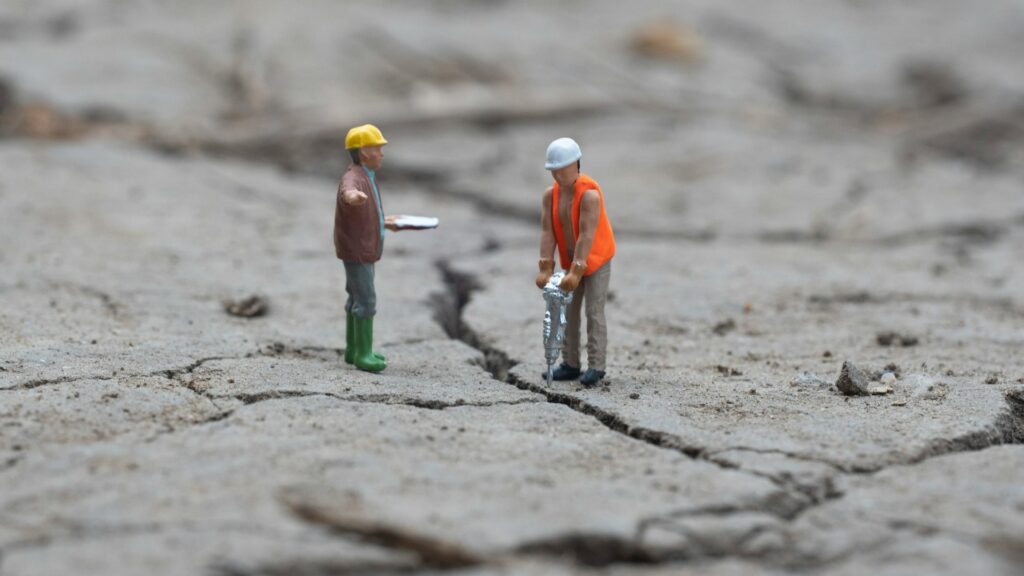
Sitework and utilities in Dallas refer to site development work that happens outside building footprints before vertical construction begins. In Dallas–Fort Worth (DFW) projects, these activities encompass a broad range of exterior infrastructure preparation.
Sitework activities focus on earthwork, such as excavation and fill placement across the project site. Underground utilities include water mains, sanitary sewer systems, stormwater drainage networks, fire lines, and duct banks that serve as the backbone of new developments. Teams coordinate these elements with outfall structures and lift stations to manage wastewater and stormwater flow throughout the region.
Which Scopes Are Typically Covered Under Civil Sitework In Dallas?
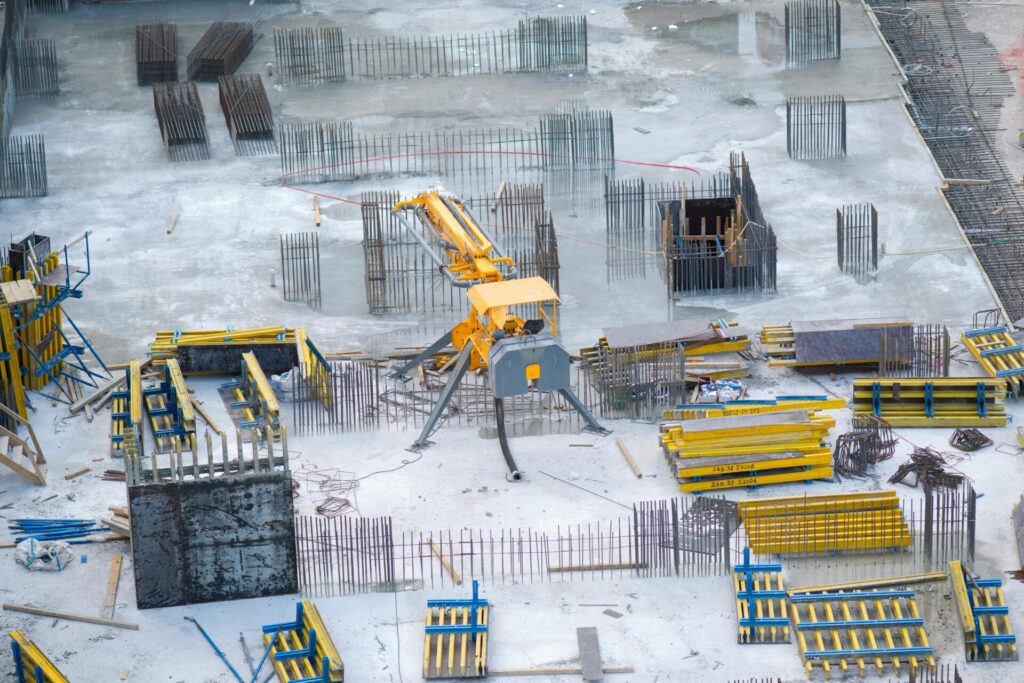
Civil sitework packages in Dallas encompass interconnected disciplines that prepare construction sites for vertical construction. We coordinate these scopes to establish proper site conditions and infrastructure before above-ground construction begins.
Earthwork and Site Preparation
Excavation forms the foundation of most Dallas sitework projects. We handle soil removal, grading, and fill placement to achieve design elevations across exterior project areas.
Site clearing removes vegetation, debris, and existing structures that interfere with new construction. Our teams coordinate clearing activities with environmental requirements and local disposal regulations in the DFW region.
Soil stabilization addresses challenging ground conditions common in North Texas clay soils. We implement stabilization techniques to support subsequent construction phases and prevent settlement issues.
Utility Integration
Underground utility installation typically runs in parallel with earthwork activities. We coordinate trenching, pipe installation, and backfill operations to minimize site disturbance and maintain construction schedules.
Utility scopes interface directly with building foundations and structural elements. Our teams sequence these installations to support both horizontal infrastructure and vertical construction requirements.
Structural Concrete Elements
Suspended slabs require precise coordination between sitework and structural trades. We prepare subgrade conditions and coordinate utilities that pass through or under these elevated concrete elements.
Grade beams connect foundation systems with site utilities and drainage infrastructure. Our concrete crews form and place these structural elements as integrated components of the overall sitework package.
Tilt walls interface with both foundation systems and site utilities. We coordinate panel locations, utility penetrations, and supporting infrastructure during the sitework phase to streamline vertical construction activities.
What Underground Utility Systems Are Common On Dallas Projects?
We install storm drainage systems to manage water across DFW developments. RCP pipe and PVC pipe form the backbone of these networks, with curb and grate inlets capturing surface runoff. Safety end treatments protect exposed pipe ends, while detention systems and box culverts manage flow during heavy rain. We self-perform concrete structures, including headwalls and junction boxes, that connect system components and provide maintenance access.
Sanitary sewer work includes public and private mains that transport wastewater to treatment facilities. Force mains carry pumped sewage from low-lying areas and connect to manholes for system access. Lift stations require mechanical installation of pumps and controls to move sewage uphill. We handle residential and commercial sewer services that connect buildings to main collection lines.
Water Distribution and Fire Protection Systems
Water utilities include public and private water mains that deliver potable water across Dallas projects. Large meters serve commercial buildings and developments, while small meters handle individual connections. Fire lines integrate with water systems for emergency protection and require specialized installation techniques and materials.
Fire line systems include remote fire department connections that allow emergency responders to boost system pressure. We install underground fire main piping to within one foot of finished floor elevation, meeting Texas RME-U licensing requirements. These systems must integrate with building sprinkler networks and maintain proper pressure throughout the development.
Electrical and Emergency Infrastructure
Duct bank installation creates protected pathways for electrical and telecommunications infrastructure. Fully encased duct bank systems use concrete to shield cables from damage and provide long-term durability. MEP duct bank excavation and backfill require coordination with electrical contractors to ensure proper conduit placement and protection.
Emergency response capabilities address water and sewer main breaks at any time. We provide 24/7 repair services for both private and public utility owners, responding immediately to prevent property damage and service disruptions.
How Do Dallas Teams Manage Quality, Schedule, And Accuracy?
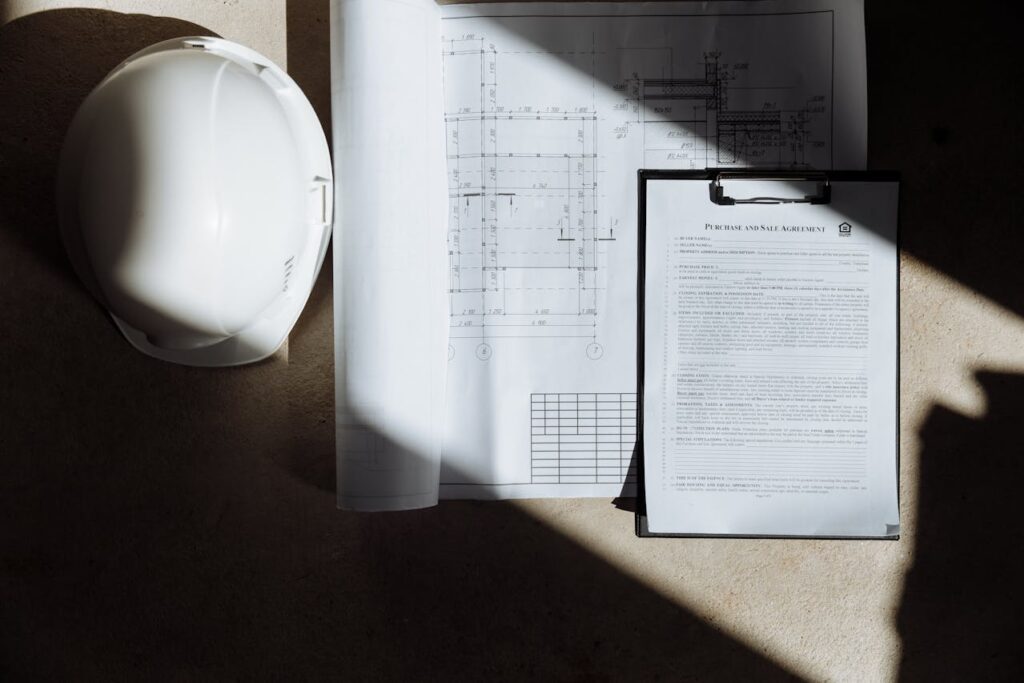
We integrate technology throughout the construction process to maintain precision and control. AGTEK estimating software provides detailed takeoffs and material calculations from a project’s early stages. This digital foundation eliminates guesswork and establishes accurate baselines for cost control.
Sage Intacct handles project management and accounting with real-time visibility into budgets and schedules. It tracks progress against milestones and manages change orders and resource allocation, keeping financial oversight current across each phase.
Equipment Technology for Precise Execution
Trimble GPS systems on earthmoving equipment deliver millimeter-level accuracy for cuts and fills. Construction firms report 28% to 33% productivity increases using GPS-guided machinery compared with traditional grading methods. Operators complete accurate grades in a single pass without stakes or manual surveying.
GPS grading technology is essential for complex drainage requirements common in Dallas projects. Precise elevation control prevents water pooling and ensures proper flow patterns across sites with minimal grade variations.
Engineer-Led Project Oversight
Engineer-managed projects maintain technical standards through systematic quality control. Daily production meetings coordinate schedules, while jobsite safety protocols protect workers and maintain compliance. We assign engineering oversight to verify that construction matches design intent and code requirements.
Quality assurance includes regular inspections of underground utilities before backfill operations. Engineers validate pipe grades, joint connections, and material specifications against project drawings.
Collaborative Delivery Methods
Design-build arrangements streamline decision-making by combining design and construction responsibilities under a single contract. CMAR (Construction Manager at Risk) delivery allows early contractor involvement during design phases. CM/GC (Construction Manager/General Contractor) approaches facilitate value engineering and constructability input.
These collaborative methods reduce change orders and schedule delays through integrated team coordination. Early involvement helps identify potential conflicts before they affect field operations.
Self-Perform Capabilities and Local Expertise
Self-perform work gives us direct control over critical path activities and quality standards. We handle excavation, utility installation, and concrete placement with our own crews and equipment. This approach eliminates coordination delays among multiple subcontractors.
Local market knowledge informs permitting strategies and environmental compliance requirements. We understand Dallas drainage regulations, soil conditions, and utility coordination procedures that affect project timelines. This expertise helps us navigate regulatory processes efficiently while maintaining schedule momentum.
What Should Builders Know About The Dallas Utilities Bidding Environment?
The Dallas utility bidding market presents significant challenges for builders seeking qualified contractors. Market data shows high bidding difficulty across the DFW region, with contractors operating within parameters that affect project scheduling and procurement strategies.
Response Times and Lead Requirements
Utility contractors in Dallas typically respond to bid requests within 4 days. This pace reflects the competitive market and the volume of opportunities available to established firms.
Average lead time is 17 days from initial contact to project start. We factor this timeline into our preconstruction scheduling to ensure utility scopes align with overall milestones and critical-path activities.
Most contractors operate within a 32-mile service radius from Dallas. This geographic constraint affects subcontractor availability and can influence pricing and scheduling for projects in outer DFW areas.
Contractor Market Composition
The Dallas utility market includes hundreds of active contractors with varying capabilities and specializations. Many nonunion firms compete alongside union contractors, creating a diverse bidding pool with different cost structures and scheduling approaches.
Minority- and women-owned businesses represent significant portions of the contractor base. These firms often bring competitive pricing and specialized expertise to utility scopes, particularly in storm drainage and water system installations.
Project square footage data shows recent utility builds averaging about 13,160 square feet, with maximum sizes exceeding 66,000 square feet. These projects span commercial sectors including office, healthcare, education, retail, industrial, and government facilities.
Optimizing the Bid Process
Clear scope definition significantly improves bid outcomes in the Dallas market. We provide detailed specifications for materials, installation methods, and performance requirements to eliminate ambiguity and reduce the potential for change orders during construction.
Phone follow-up is essential on urgent timelines. Direct contractor communication helps clarify technical requirements and confirms availability for accelerated schedules when project demands call for compressed utility installation windows.
The ITB process allows simultaneous management of multiple bids, improving contractor response rates and enabling better cost comparisons. This approach works well for large utility packages where specialized contractors may handle different system components.
Conclusion And Next Steps

Sitework and utilities projects in Dallas require coordination across multiple systems. Earthwork establishes the foundation, while concrete interfaces connect utility systems to structural elements. Storm drainage, sanitary sewer, water mains, fire lines, and duct banks form the backbone of any development.
GPS equipment enables precise grading and excavation. Estimating software provides accurate takeoffs, while project management systems track schedules and costs. The Dallas bidding process demands close attention to timing, with 17-day lead times and 4-day response windows becoming standard.
We recommend defining scope boundaries early in the planning phase. Choose collaborative delivery methods such as design-build or CMAR when schedule compression matters. Prepare detailed bid packages with clear material lists and installation requirements. Plan for realistic lead times and maintain communication with selected contractors throughout the process.
Ready to move forward with your Dallas sitework project? Contact EB3 Construction to discuss your development’s specific utility and earthwork requirements.