Commercial flooring installation in San Antonio requires careful coordination of material performance with business operations. Facilities across Texas face challenges from climate variations and heavy traffic, requiring specialized flooring solutions. Professional contractors manage these complexities through strategic planning and proven installation methods.
We coordinate projects across sectors including educational facilities, healthcare environments, hospitality venues, retail spaces, and industrial warehouses. Each sector presents distinct requirements for durability, safety, and maintenance, which influence material selection and installation methods. The scope includes comprehensive services, from initial assessment through long-term maintenance planning, to ensure optimal performance and code compliance.
Which Commercial Flooring Types Fit Your Space And Performance Needs?
Commercial carpet delivers comfort underfoot while controlling sound transmission in offices. The modular design of carpet tiles allows us to replace damaged sections without full-floor disruption, making them practical for conference rooms and hospitality spaces. Dense, commercial-grade fibers resist wear patterns and support frequent cleaning in educational facilities.
LVT combines visual appeal with waterproof construction that handles spills in healthcare and retail settings. These products replicate the look of hardwood or stone while offering scratch resistance in high-traffic areas. Installation options include click-lock systems that reduce downtime during corporate renovations.
Hard Surface Options for Moisture Control
Resilient flooring such as sheet vinyl creates seamless surfaces that block moisture in hospital corridors. Its nonporous construction supports frequent sanitization while maintaining slip resistance. Vinyl tile alternatives provide similar benefits with easier spot repairs in schools and clinics.
Porcelain tile withstands heavy loads and temperature changes common in restaurant kitchens and hotel lobbies. These ceramic materials resist stains and chemical damage while offering decades of use. Natural stone options like granite add a premium look to boardrooms but require sealing to maintain stain resistance.
Wood and Concrete Solutions
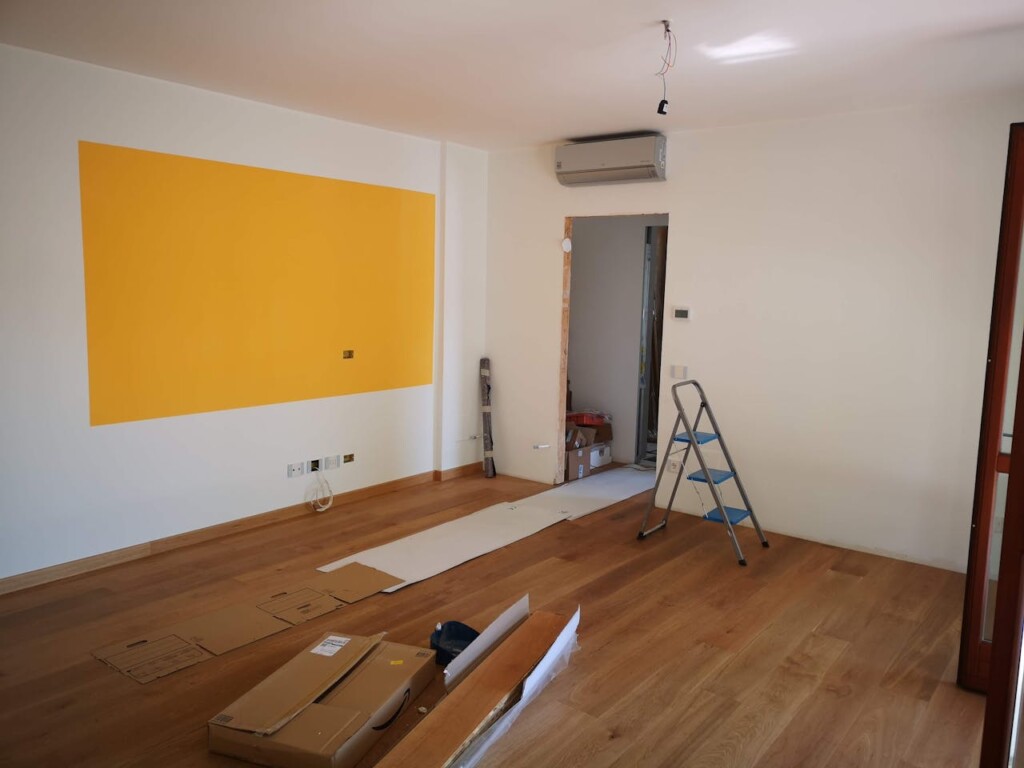
Wood flooring creates warmth in reception areas and executive spaces where appearance matters. Engineered products handle moisture changes better than solid wood, reducing the risk of warping. We coordinate acclimation periods to prevent gaps or movement after installation.
Polished concrete offers durability that withstands forklift traffic in warehouses and industrial spaces. The seamless surface reflects light while requiring minimal maintenance beyond periodic sealing. Decorative concrete finishes add color and texture options for retail showrooms.
Specialty Coatings and Budget Alternatives
Decorative broadcast coatings enhance concrete surfaces with slip resistance and chemical protection. Urethane systems create seamless floors that resist abrasion in manufacturing facilities. These specialty applications refresh worn surfaces while adding functional properties such as moisture resistance.
Linoleum features a natural composition that supports sustainability goals in educational projects. Laminate flooring offers a wood look at lower cost for temporary installations or budget-conscious renovations. Both options handle moderate traffic while accommodating varied design preferences.
How Do Installers In San Antonio Meet Safety Standards And Reduce Downtime?
We follow strict OSHA compliance protocols and local building codes to ensure every flooring installation meets safety requirements. Safety begins with proper training and equipment; our crews use fall protection, respiratory protection, and appropriate tools to prevent workplace injuries. These standards protect both installers and building occupants during construction.
Local building codes in San Antonio require specific installation practices for slip-resistant flooring applications. We coordinate with building officials to verify code requirements before starting work, ensuring all installations meet fire safety ratings, accessibility standards, and structural load requirements. This approach prevents costly rework and delays that extend project timelines.
Strategic Project Scheduling and Phased Installation
We implement careful project scheduling to minimize disruption to business operations. Projects often proceed in phases, allowing businesses to maintain partial operations while we complete sections of flooring. Off-peak scheduling, including evenings and weekends, keeps disruption to normal business hours at a minimum.
Phased installation requires detailed coordination between trades and facility management. We establish clear boundaries between active work zones and operational areas, using dust barriers and temporary access routes. This systematic approach allows hospitals to continue patient care, schools to hold classes, and retail spaces to serve customers during installation phases.
Effective logistics coordination ensures materials arrive precisely when needed, preventing storage issues and workflow interruptions. We coordinate delivery schedules with facility managers, arranging material staging areas that don’t interfere with daily operations. This timing reduces the project footprint and accelerates completion.
Pre-Installation Services to Protect Long-Term Performance
We conduct comprehensive moisture remediation before flooring installation to prevent future problems. Moisture testing identifies areas where humidity levels exceed manufacturer specifications, requiring treatment before installation can proceed. These preventive steps protect manufacturer warranties and extend flooring service life.
Substrate preparation forms the foundation for successful installations and long-term performance. We assess existing floor conditions, repair cracks or uneven surfaces, and apply appropriate underlayments where required. Proper preparation prevents adhesion failures, premature wear patterns, and safety hazards that could develop over time.
Surface leveling ensures consistent installation quality across large commercial spaces. We use self-leveling compounds, grinding techniques, and patching materials to create uniform substrates. This attention to detail prevents lippage in tile installations, eliminates squeaks in wood floors, and ensures smooth transitions between flooring materials.
Quality Control and Communication Throughout Installation
Clear communication supports compliance monitoring and addresses issues before they become costly issues. We maintain daily progress reports, conduct regular safety briefings, and coordinate with facility managers to address any concerns promptly. This transparency builds trust and ensures all stakeholders understand project status and any necessary adjustments.
Organized submittals streamline the approval process and prevent delays during installation. We prepare detailed installation drawings, material specifications, and safety protocols for review before work begins. These documents establish clear expectations and provide reference points for quality control inspections throughout the project.
Our skilled crews understand that commercial installations require different approaches than residential projects. We maintain teams with specific experience in downtime reduction techniques, allowing businesses to resume normal operations quickly. This expertise translates to faster project completion and reduced impact on facility operations, protecting business revenue during construction phases.
What Services Should Your Scope Include Beyond Installation?

We coordinate comprehensive services across every project phase to ensure flooring systems meet long-term performance goals. These services extend well beyond installation to address critical planning, preparation, and maintenance needs.
Planning and Estimating
Pre-construction consulting establishes project feasibility and material requirements before work begins. We collaborate with design teams to review architectural plans and provide technical input on material specifications and installation methods.
Value engineering identifies cost-effective alternatives without compromising performance. Our detailed submittals document product specifications, installation methods, and building code compliance to streamline approvals.
Site Readiness
Floor surveys confirm existing conditions and identify potential challenges before material delivery. We take precise measurements to ensure accurate material quantities and minimize waste during installation.
Moisture testing protects flooring warranties by identifying substrate conditions that could cause adhesion failures or material damage. Surface preparation and leveling create a stable foundation for proper installation and long-term durability.
Installation Support
Vertical installation services address base molding, wall panels, and transition elements that complete the flooring system. Concrete surfacing includes polishing, sealing, and decorative treatments that enhance appearance and performance.
We coordinate material delivery, staging, and logistics to maintain project schedules. Our installation teams work with other trades to sequence work efficiently and avoid conflicts during construction.
Protection and Upgrades
Repair services address damage from construction activities or normal wear before final turnover. We develop maintenance plans tailored to specific flooring materials and facility operations.
Specialty coatings provide slip resistance, stain protection, and moisture control where required. Resurfacing services refresh existing floors and extend their service life without complete replacement.
Closeout and Upkeep
Closeout documentation includes warranty information, maintenance guidelines, and product specifications for facility management teams. We prepare comprehensive records that support warranty claims and future maintenance decisions.
Maintenance planning establishes schedules for cleaning, inspection, and preventive care. Scheduled upkeep services preserve flooring appearance, safety performance, and warranty coverage throughout the system’s service life.
What Does A Typical Commercial Flooring Installation Process Involve?
Commercial flooring installation follows a systematic approach that ensures long-term durability and performance. We coordinate each phase to minimize business disruption while maintaining the quality standards your facility demands. The process adapts to different materials and site conditions while maintaining consistent quality control throughout.
Assessment and Measurement
We begin every project by verifying exact dimensions and evaluating existing site conditions. This assessment includes checking for structural irregularities, moisture issues, and substrate stability that could affect installation quality. Our teams also identify any electrical or HVAC considerations that might influence material placement or sequencing.
Accurate measurements prevent material shortages and reduce waste during installation. We document floor elevations, expansion joints, and transition points to other surfaces. This data guides our material ordering and helps establish realistic project timelines.
Subfloor Preparation
Proper subfloor preparation forms the foundation for successful installations. We repair cracks, fill low spots, and level uneven surfaces to meet manufacturer specifications. Moisture testing determines whether concrete slabs require additional drying time or vapor barriers before proceeding.
Surface cleaning removes dust, oil, and contaminants that could compromise adhesive bonds. We also check for any residual adhesive from previous flooring that needs to be removed. Substrate preparation varies by material but consistently focuses on creating a stable, clean surface that supports manufacturer warranties.
Underlayment and Material Acclimation
Certain flooring types require underlayment installation before the finished material goes down. Sound-dampening underlayment supports acoustic performance in office environments, while moisture barriers protect wood flooring in areas with concrete substrates. We select underlayment based on manufacturer specifications and building requirements.
Materials like hardwood and laminate need acclimation to job site conditions before installation. We typically allow 24 to 48 hours for materials to adjust to temperature and humidity levels. This prevents expansion or contraction issues after installation that could cause gaps or buckling.
Layout Planning and Dry-Fitting
Strategic layout planning ensures balanced patterns and minimizes visible seams in high-traffic areas. We create chalk lines or laser references to maintain straight installations across large spaces. Pattern matching for carpet or tile requires careful coordination to achieve a consistent appearance.
Dry-fitting allows us to identify potential issues before permanent installation begins. We arrange materials to optimize traffic flow and aesthetic continuity. This planning phase also determines cut requirements and helps sequence the installation for maximum efficiency.
Cutting and Fitting
Precise cutting ensures clean transitions at walls, doorways, and architectural features. We use appropriate tools for each material type to prevent damage to finished edges. Complex areas like curved walls or irregular spaces require template cutting for accurate fits.
Corner details and threshold transitions receive special attention to maintain a professional appearance. We cut materials slightly oversized when possible, then trim to exact dimensions during fitting. This approach prevents gaps that could compromise performance or aesthetics.
Installation Methods by Material
Installation techniques vary significantly based on flooring type and manufacturer guidelines. Click-lock systems for vinyl and laminate provide floating installations that accommodate building movement. Nail-down methods for hardwood require proper fastener spacing and moisture content verification.
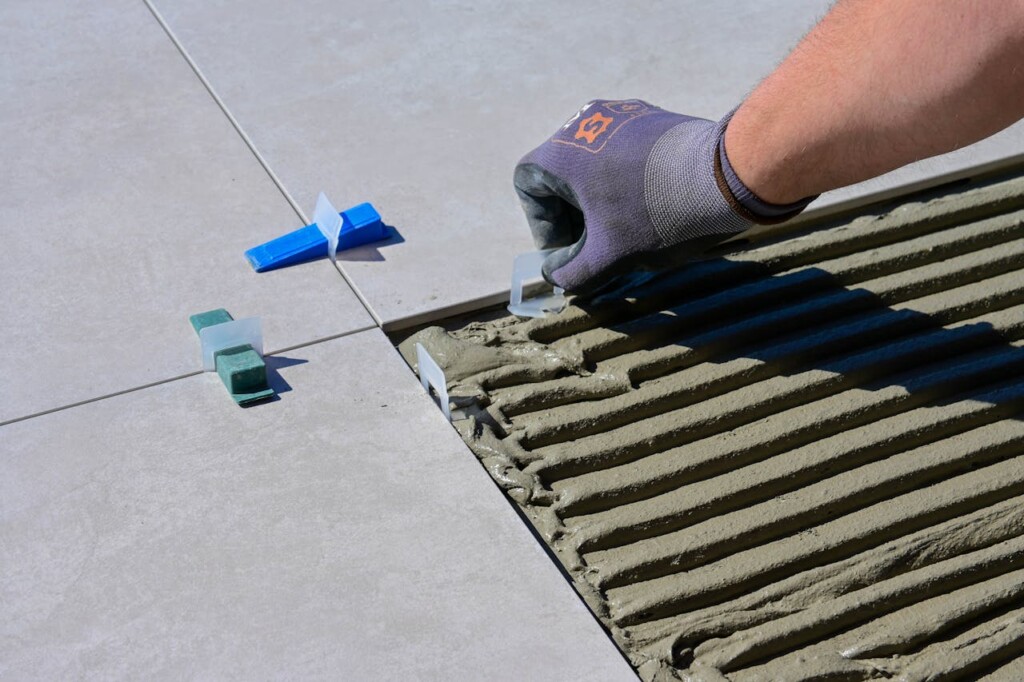
Adhesive installation for vinyl and tile demands attention to open times and environmental conditions. We maintain consistent trowel notch depths and spreading techniques to ensure adequate coverage. Carpet installation involves different approaches depending on whether we use direct glue-down or stretch-in methods over padding.
Carpet-Specific Installation Steps
Carpet installations require specialized techniques that differ from hard-surface flooring. Tack strips provide the anchoring system for stretch-in installations, positioned precisely to accommodate carpet thickness. We install padding that meets manufacturer density requirements and covers the entire floor area except for the tack strip perimeter.
Careful seaming creates invisible joints between carpet sections using hot-melt tape or hand-sewing methods. Power stretching ensures proper tension across the entire installation, preventing premature wear and maintaining its appearance. We follow specific stretching sequences that work from the center outward to achieve uniform tension.
Finishing and Cleanup
Final trimming creates clean edges along walls and around fixtures without damaging baseboards or molding. Transition strips bridge differences in height between flooring materials and protect exposed edges. We install appropriate thresholds at doorways to prevent tripping hazards and material damage.
Post-installation cleanup removes adhesive residue, dust, and construction debris before facility turnover. We inspect the completed installation for defects and document any warranty conditions. A final walkthrough with facility managers ensures all installation requirements have been met according to project specifications.
Conclusion And Next Steps

Successful commercial flooring installation in San Antonio starts with a clear understanding of your facility’s requirements. Define traffic patterns, safety standards, and cleaning protocols before selecting materials. Align flooring choices with performance goals and long-term maintenance plans.
Effective project planning requires careful attention to moisture control and substrate preparation. Schedule installations during off-peak hours to minimize business disruption. For occupied facilities, consider a phased installation to maintain operations while upgrading flooring systems.
EB3 Construction provides comprehensive commercial flooring installation services in San Antonio and throughout Central Texas. We coordinate material selection, installation, and maintenance planning for educational and healthcare facilities, industrial warehouses, and retail and hospitality spaces. Request a site assessment to confirm project scope, timeline, and long-term care requirements.