
The automotive construction landscape in Austin extends well beyond basic oil change shop build-outs. Top automotive facility construction contractors in Austin make up a comprehensive network of specialized builders equipped to handle everything from quick-lube facilities to complex dealership campuses and fleet maintenance centers.
These specialized contractors serve a wide range of automotive building types—service centers, body shops, dealerships, and EV charging facilities—and offer modern project delivery methods, design-build capabilities, and the proven credentials property developers and automotive businesses rely on to deliver functional, code-compliant facilities on time and on budget.
Which Services Should Top Automotive Construction Contractors In Austin Provide?
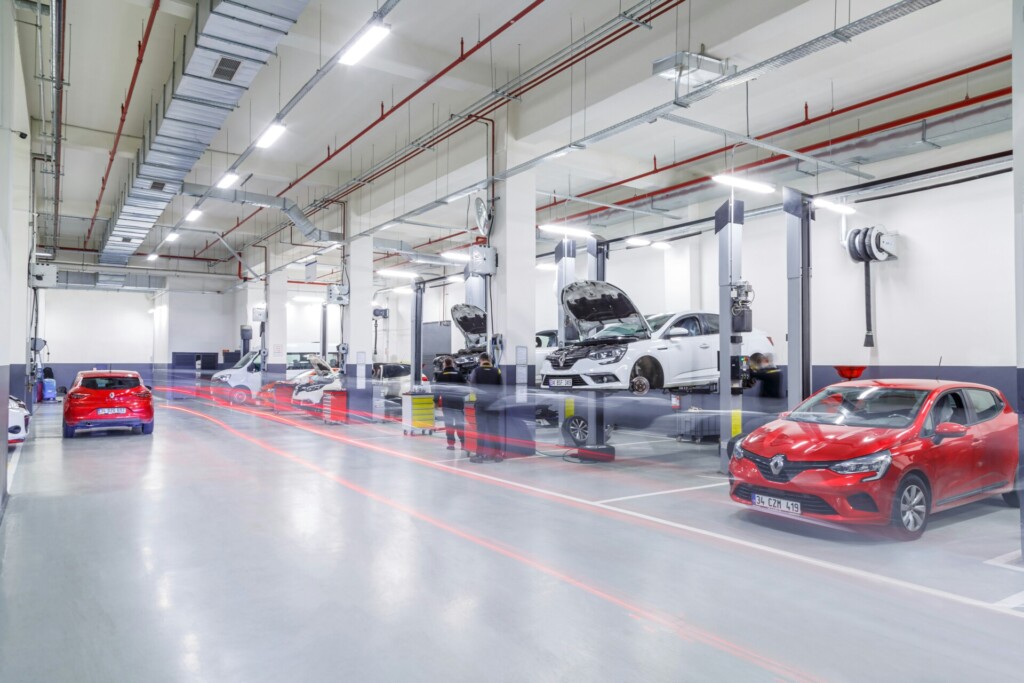
We look for comprehensive project capabilities when evaluating automotive construction contractors. A complete builder handles the construction services that bring automotive facilities from concept to operation, from site preparation to final occupancy. This foundation includes civil engineering coordination, MEP system installation, and specialized equipment integration to deliver turnkey automotive facilities.
Site work requires specialized attention: grading and drainage design, underground utility installation, parking lot construction, and stormwater management systems. Quality contractors maintain relationships with civil engineers and can navigate Austin’s development requirements, including environmental compliance and stormwater detention systems.
Core Building Systems
Foundation and structural systems encompass soil testing, foundation design for heavy equipment loads, structural steel erection, and concrete flatwork. Vehicle lift installation requires proper foundation reinforcement and precise floor thickness specifications to support concentrated loads.
Building envelope construction covers metal building systems, masonry construction, commercial roofing, and storefront glazing systems. These components must meet energy code requirements while providing durability for high-traffic automotive environments.
HVAC and ventilation systems include exhaust systems for service bays, climate control for customer areas, and specialized ventilation for paint booths and detail bays. Proper air circulation and code-compliant exhaust systems are critical for employee safety and regulatory compliance.
Specialized Automotive Systems
Service bay infrastructure includes vehicle lift installation, compressed air system installation, oil and fluid waste management systems, and floor drain systems with oil-water separators. Modern facilities require electrical capacity for diagnostic equipment and EV charging infrastructure.
Electrical and technology systems span high-capacity electrical service installation, LED lighting systems, data and communications infrastructure, and security system integration. Automotive facilities increasingly need robust electrical infrastructure to support diagnostic equipment, alignment systems, and customer amenities.
Advanced facility features include ADAS calibration bay construction with precise dimensional requirements, wash bay and detail area construction with proper drainage and water reclamation systems, and parts storage and inventory management spaces. Paint booth installation requires specialized ventilation, fire suppression, and environmental controls.
Site Development and Exterior Features
Site development expertise covers parking lot design and paving, vehicle display areas, landscape installation per city requirements, and exterior lighting systems. Commercial automotive sites must accommodate customer parking, vehicle storage, and service drive circulation.
Specialized exterior work addresses car wash facility construction, canopy structures for service drives, fuel system installation for fleet facilities, and signage installation meeting local zoning codes.
Project Delivery and Compliance
Design-build services integrate architectural and engineering design, permit acquisition and code compliance, value engineering, and construction management. This approach streamlines automotive facility development by coordinating design and construction under single-source responsibility.
Permitting and compliance services provide building permit applications, environmental permit coordination, fire marshal approvals for specialized systems, and site development plan approvals. ADA compliance verification and health department approvals for restroom facilities ensure projects meet all regulatory requirements.
| Construction Category | Scope of Work |
|---|---|
| Site Development | Grading, Utilities, Paving, Drainage Systems |
| Building Structure | Foundations, Structural Systems, Building Envelope |
| MEP Systems | HVAC, Plumbing, Electrical, Fire Protection |
| Service Bay Infrastructure | Vehicle Lifts, Compressed Air, Waste Systems, Floor Drains |
| Specialized Systems | Paint Booths, Wash Bays, ADAS Calibration Spaces |
| Project Management | Permitting, Scheduling, Code Compliance, Inspections |
What Credentials, Experience, And Track Record Signal Quality?
When evaluating Austin automotive construction contractors, we look for concrete markers that separate experienced builders from general contractors without automotive specialization. Our research highlights several indicators of professional standards and proven delivery capability.
Professional Licenses and Industry Experience
Texas commercial contractor licenses represent the baseline requirement for commercial automotive construction. Licensed contractors must maintain proper bonding and insurance coverage, demonstrate financial stability, and meet continuing education requirements to maintain their credentials.
Beyond basic licensing, look for contractors with documented automotive facility experience. Completed project portfolios should include similar facility types—quick-lube shops, full-service centers, collision facilities, or dealerships. These credentials demonstrate familiarity with automotive-specific building codes, equipment installation requirements, and operational flow considerations.
Performance Bonding and Insurance Coverage
Payment and performance bonds protect project owners from contractor default. Our research shows that reputable Austin contractors readily provide bonding for commercial automotive projects, typically ranging from 50% to 100% of contract value depending on project size and owner requirements.
Comprehensive insurance coverage should include general liability, workers’ compensation, and builders risk policies. The automotive construction environment presents unique risks—heavy equipment installation, hazardous material handling, and elevated fall protection requirements—that demand appropriate coverage limits.
Safety Records and Compliance History
OSHA compliance records and EMR (Experience Modification Rate) scores indicate a contractor’s safety performance. Contractors with EMR scores below 1.0 demonstrate better-than-average safety records, which translates to reduced insurance costs and fewer project disruptions from safety incidents.
Safety certifications such as OSHA 30-hour training for supervisors and documented safety programs reflect commitment to worker protection. These practices are particularly important for automotive construction involving confined space entry, hazardous material handling, and work around operating vehicle service equipment.
Project Delivery Capabilities
Quality contractors demonstrate multiple project delivery methods: design-bid-build, design-build, and construction management. Automotive facility owners benefit from design-build delivery, which provides single-source accountability and can reduce project timelines by overlapping design and construction phases.
Established relationships with MEP subcontractors, equipment suppliers, and specialty trades indicate a contractor’s ability to coordinate complex automotive systems. These partnerships often provide access to specialized expertise for vehicle lift installation, paint booth construction, and environmental control systems.
References and Completed Project Verification
Recent automotive project references from property owners and facility operators provide insight into on-time delivery, budget performance, and post-completion support. Look for patterns in feedback about change order management, schedule adherence, and responsiveness to punch list items.
Our research emphasizes verification of completed projects through site visits or owner contacts. Recent automotive facility projects reflect current construction knowledge and familiarity with modern building codes, energy requirements, and automotive equipment integration.
How Do Budgeting, Cost Estimating, And Project Financing Typically Work?

Most Austin automotive construction contractors use detailed estimating approaches to establish realistic project budgets. Comprehensive cost breakdowns help property owners and automotive businesses plan capital expenditures and secure project financing.
Construction cost estimating typically segments projects into major categories. Common budget breakdowns include 15–25% for site work and utilities, 40–50% for building structure and envelope, 20–30% for MEP systems, 10–15% for specialized automotive equipment, and 5–10% for project soft costs including permits, engineering, and contingencies.
Cost Variables and Market Factors
Automotive facility costs vary significantly based on facility type and equipment requirements. Quick-lube shops typically range from $150–$250 per square foot, full-service repair facilities from $200–$300 per square foot, and dealership service departments from $250–$400 per square foot depending on finishes and customer amenity levels.
Site conditions dramatically impact project budgets. Rock excavation, high water tables, poor soils requiring over-excavation, and significant utility extensions can add 20–40% to site work costs. We coordinate our project planning timelines around geotechnical investigations to identify these cost drivers early.
Equipment costs represent a significant budget component for automotive facilities. Vehicle lift systems range from $3,000–$15,000 per lift depending on capacity and features. Paint booth installations start at $50,000 for basic models and exceed $200,000 for downdraft booths with advanced controls. ADAS calibration systems add $30,000–$75,000 for proper bay setup and equipment.
Project Financing and Payment Structures
Construction financing options vary based on property ownership structure and development approach. Owner-occupied facilities often utilize SBA 504 loans providing long-term, fixed-rate financing for land, building, and equipment purchases with down payments as low as 10%.
Build-to-suit lease arrangements shift financing responsibility to property developers who construct facilities to tenant specifications. These structures benefit automotive operators without capital for property acquisition but typically result in higher long-term occupancy costs through base rent and NNN charges.
Payment schedules generally follow monthly draw requests tied to completion percentages. Standard structures include 10% mobilization payment, monthly progress payments based on completed work, and 10% retainage held until final completion and lien release. Some contractors offer early payment discounts or extended payment terms for established commercial clients.
Value Engineering and Cost Control
Value engineering during design development helps optimize project budgets without sacrificing functionality. Common strategies include metal building systems instead of conventional construction where appropriate, concrete tilt-wall construction for cost-effective building envelopes, and LED lighting systems that reduce energy costs and utility infrastructure requirements.
Phased construction approaches allow automotive businesses to open revenue-generating service bays while completing customer amenity areas or additional service capacity. This strategy improves cash flow by generating income before full project completion.
We recommend establishing contingency budgets of 10–15% for renovation projects and 5–10% for new construction to address unforeseen conditions. Automotive facility projects commonly encounter unexpected underground utilities, soil contamination from previous automotive uses, or code requirements that weren’t apparent during initial planning.
How Should Property Owners Vet And Select An Automotive Construction Contractor In Austin?
We understand that automotive facility development in Austin requires specialized construction expertise beyond standard commercial building capabilities. Automotive facilities combine complex equipment integration, specialized ventilation systems, and operational flow requirements that demand contractor experience with similar projects.
Start the vetting process by requesting completed automotive project portfolios. We look for contractors who can demonstrate experience with your specific facility type—quick-lube operations require different expertise than full-service collision centers or dealership service departments. Review project photos, square footages, and construction timelines for comparable facilities.
License Verification And Insurance Coverage
Verify Texas contractor licenses through the Texas Department of Licensing and Regulation database. Active licenses confirm that contractors maintain required bonding, insurance, and continuing education. We also request current certificates of insurance showing general liability coverage of at least $2 million aggregate and workers’ compensation coverage meeting state requirements.
For larger projects exceeding $500,000, request contractor financial statements and bonding capacity verification. Surety companies assess contractor financial strength before issuing performance bonds, providing additional validation of business stability and project capacity.
Technical Capabilities And Trade Relationships
Modern automotive facilities require coordination of specialized trades that many general contractors lack experience managing. Verify that potential contractors have established relationships with vehicle lift suppliers, paint booth manufacturers, and HVAC contractors experienced with automotive ventilation requirements.
Ask specific questions about equipment installation experience. Equipment integration challenges include electrical service sizing for multiple vehicle lifts, compressed air system design for service bays, and waste oil collection and storage systems meeting environmental regulations. Contractors should demonstrate familiarity with these automotive-specific systems.
Permitting Experience And Code Knowledge
Austin’s development requirements present unique challenges for automotive facilities. Contractors should demonstrate experience navigating watershed protection ordinances, commercial site development standards, and environmental compliance for automotive uses including oil-water separator requirements and stormwater pollution prevention.
Request timelines for recent permit approvals on automotive projects. Experienced contractors maintain relationships with city plan reviewers and understand documentation requirements that expedite approvals. We find these relationships especially valuable when coordinating construction schedules around project milestones and business opening deadlines.
Reference Checks And Site Visits
Request references from at least three recent automotive facility projects, preferably within the last two years. Contact property owners directly rather than relying on contractor-provided testimonials. Ask specific questions about budget performance, schedule adherence, change order management, and post-completion support for warranty issues.
Visit completed projects to assess construction quality, equipment installation, and facility functionality. Pay attention to floor flatness in service bay areas, door and window operation, HVAC system performance, and overall finish quality. These observations provide insight into contractor attention to detail and long-term facility performance.
Contract Structure And Payment Terms
Compare contract structures across potential contractors. Lump sum contracts provide price certainty but limit flexibility for design changes. Cost-plus contracts with guaranteed maximum price (GMP) offer transparency in actual costs while capping owner exposure. We confirm contract terms address schedule liquidated damages, warranty coverage duration, and dispute resolution procedures.
Payment schedules should align with project milestones and provide owner protections through retainage. Standard 10% retainage held until final completion and lien release protects against contractor default and ensures punch list completion. Some contracts include early completion bonuses to incentivize schedule performance.
Safety Programs And OSHA Compliance
Review contractor safety programs and OSHA recordkeeping. Request EMR scores and lost-time incident rates for the past three years. Contractors with documented safety training programs, daily toolbox talks, and comprehensive fall protection plans demonstrate commitment to worker safety and project risk management.
Automotive facility construction involves elevated fall hazards, confined space entry for underground utility work, and heavy equipment rigging. Contractors should provide site-specific safety plans addressing these risks before mobilization.
Conclusion and Next Steps
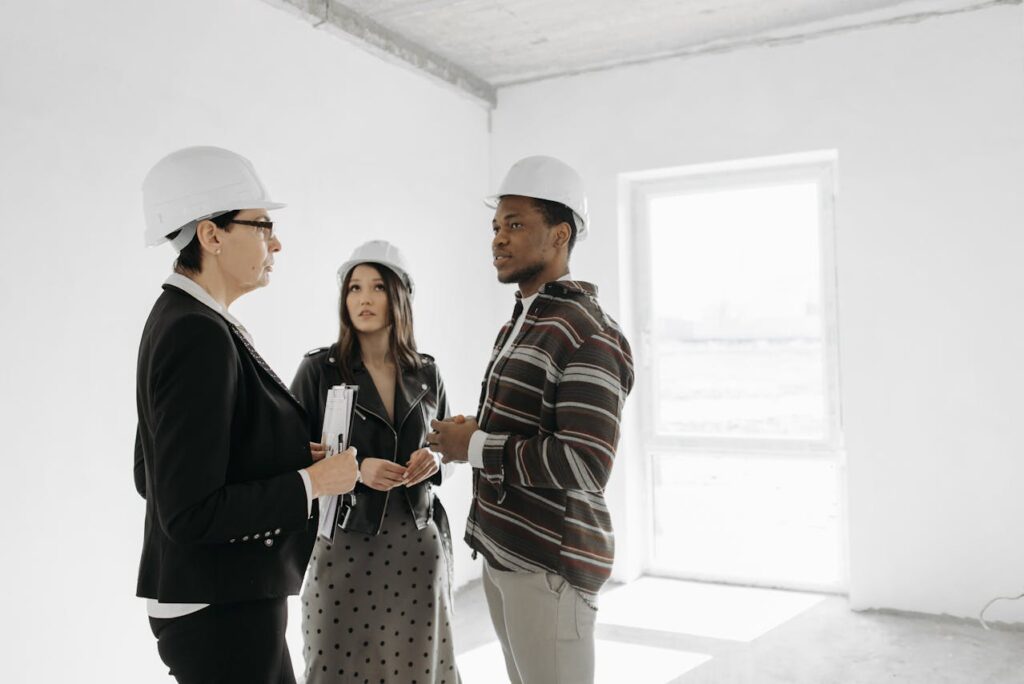
Top automotive construction contractors in Austin offer comprehensive project delivery, proven automotive facility experience, and technical capabilities that property developers and automotive businesses need for successful facility development. The research highlights contractors who provide design-build services, manage complex equipment integration, and navigate Austin’s permitting requirements to deliver functional, code-compliant facilities on schedule and within budget.
Use these evaluation criteria to create your contractor shortlist: verify automotive project experience through portfolio review and site visits, confirm licensing and insurance coverage, and assess technical capabilities for specialized automotive systems. Review contract structures, payment terms, and safety records before making final selections. Request detailed cost estimates early in the process, as automotive equipment and site-specific conditions significantly impact project budgets.
Early contractor involvement during design development optimizes facility layouts, identifies cost-saving opportunities through value engineering, and establishes realistic project schedules. This approach reduces change orders, minimizes schedule delays, and ensures automotive facilities meet operational requirements from day one.
Ready to develop your automotive facility with experienced construction partners? Contact EB3 Construction to discuss how our automotive facility expertise can support your project’s success.