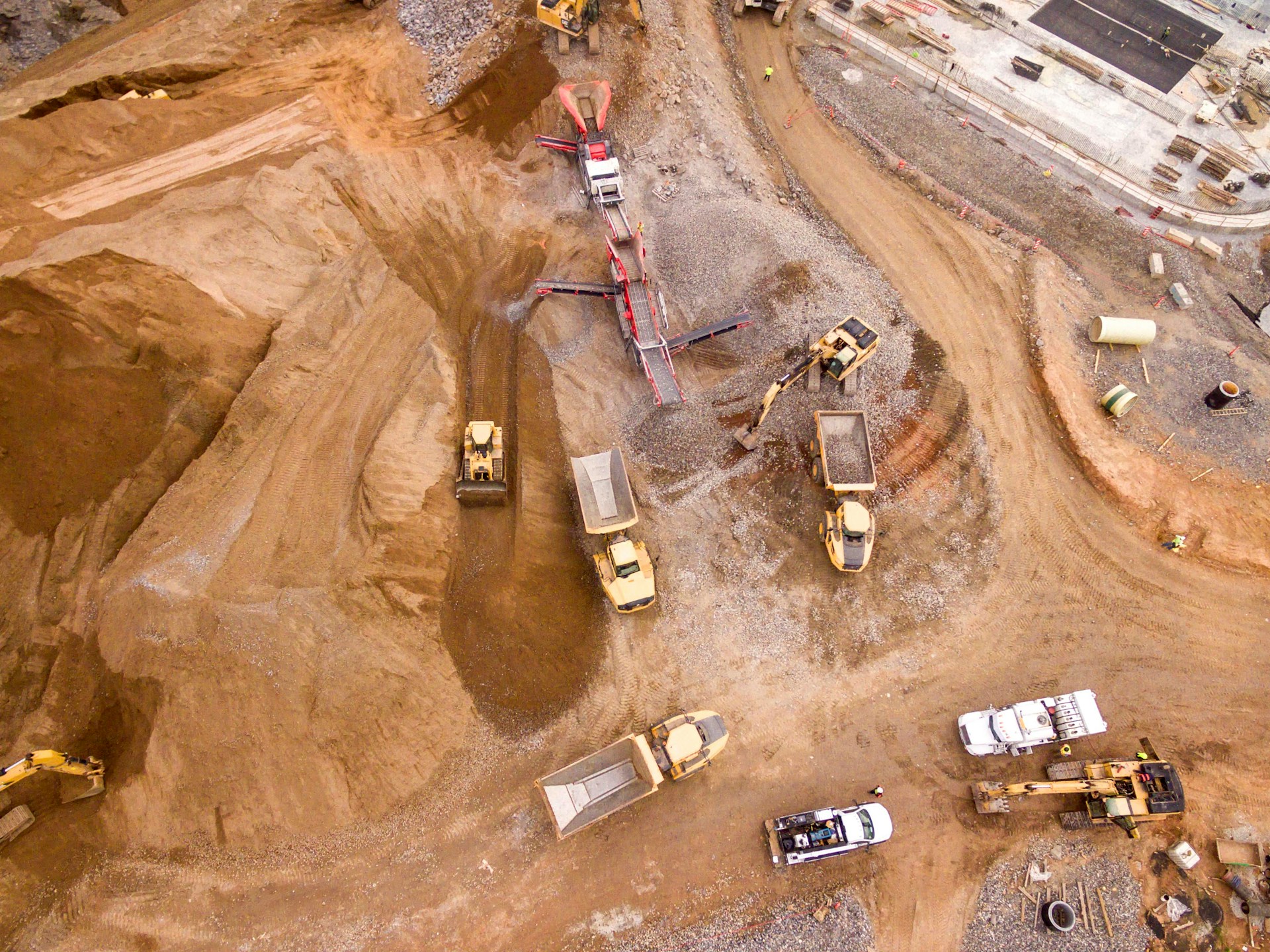

Dallas is experiencing a construction surge few cities can match. The region expects approximately $27 billion in construction spending for 2025, with projections reaching $81 billion over the next three years, according to market analysis.
This rapid growth creates both opportunity and risk across commercial construction, residential development, and infrastructure projects throughout the Dallas-Fort Worth metroplex. At the same time, the demand driving this boom strains available resources and can derail project timelines when contractors lack adequate staffing or safety protocols.
What Qualifications And Capabilities Should You Require From A Dallas Contractor?
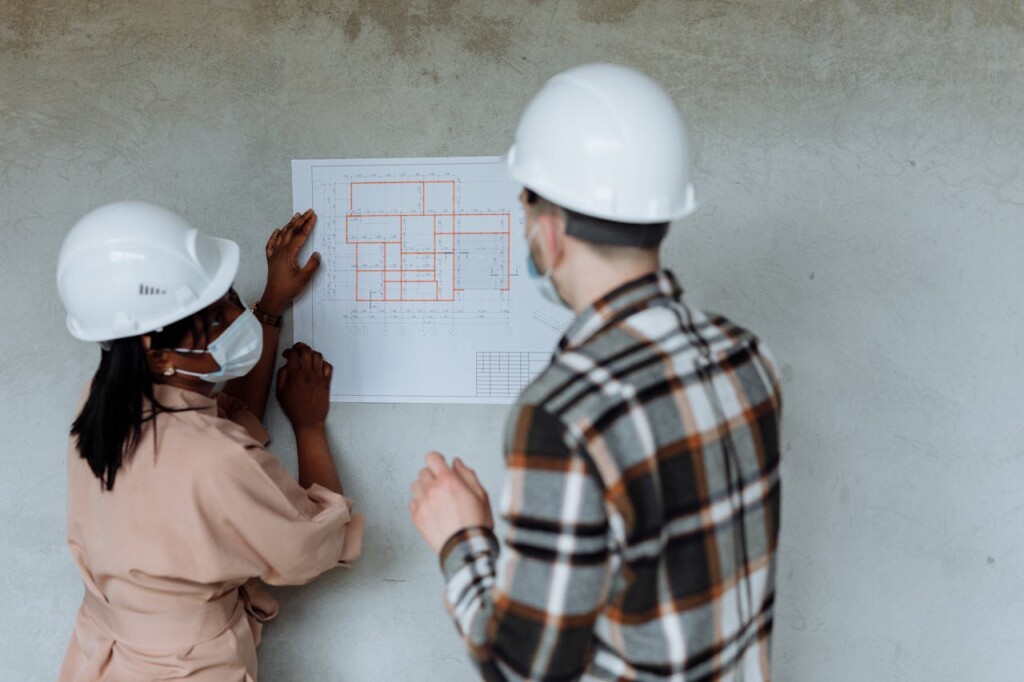
Reliability and precision form the foundation of successful commercial construction. We prioritize structural accuracy because even minor framing errors can cascade through subsequent trades, creating costly delays and rework. When evaluating contractors, examine their track record for delivering work that meets engineering plans and architectural specifications.
Workplace safety protocols directly affect project predictability. Construction teams that maintain comprehensive safety programs reduce accidents, minimize downtime, and create more controlled work environments; see the construction safety summary for additional guidance. Strong project management and construction management capabilities ensure resources stay aligned with schedules and budgets throughout the build process.
Wood Framing Expertise In Commercial Construction
Wood framing expertise is especially important for retail, restaurant, and hospitality builds where structural alignment affects every trade that follows. Precise framing establishes proper load paths, ensures accurate dimensions, and creates the foundation for mechanical, electrical, and finish work. We have found that franchise standards often require specific framing tolerances that directly impact brand consistency.
Quality framing work reduces coordination issues between trades. When structural elements meet engineering specifications, subsequent work proceeds more smoothly. That accuracy is especially important in commercial builds where tight schedules demand seamless workflow between different craft professionals.
Scheduling Reliability And Communication Standards
Scheduling discipline matters: predictable delivery supports overall project flow. Contractors should demonstrate consistent communication with general contractors, architects, and engineering teams throughout the construction process. We coordinate closely with all stakeholders to maintain alignment and address potential issues before they impact timelines.
Strong coordination capabilities help reduce rework and change orders. When construction teams understand project requirements clearly and communicate regularly with design professionals, they can identify conflicts early and resolve them efficiently. This collaborative approach supports smoother project delivery across all phases.
At EB3 Construction, we provide both full-scale commercial construction support and specialized wood framing services. This combination allows us to support diverse commercial needs while maintaining the precision and reliability that developers and property owners expect from their construction partners.
How Do Staffing Strength And Safety Programs Impact Delivery In Dallas?
Dallas faces persistent skilled labor shortages that can threaten project schedules across the Metroplex. With the region’s $27 billion in annual construction spending driving intense competition for qualified workers, evaluating a firm’s staffing plan is critical to schedule predictability. We prioritize comprehensive workforce verification to ensure our teams maintain both quality and pace throughout project delivery.
The foundation of reliable staffing starts with verifying trade qualifications through Texas TDLR license checks. These licenses confirm that workers meet state requirements for regulated trades across commercial, residential, and infrastructure sectors. When we assess potential team members, we verify current TDLR status and ensure compliance with Texas Occupations Code requirements that govern construction work throughout the Dallas market.
OSHA Training Supports Schedule Reliability
OSHA 10/30 safety training provides essential documentation of worker competency and safety awareness. The OSHA 10-hour construction course covers occupational safety fundamentals, while the 30-hour program delivers comprehensive safety training for supervisory roles. These certifications indicate that workers understand hazard identification, safety protocols, and emergency procedures, which help prevent costly delays and rework.
We evaluate whether contractors maintain current OSHA training records for their workforce. Teams with documented safety training demonstrate a commitment to risk reduction and regulatory compliance. This translates to fewer safety incidents, reduced downtime, and more predictable project schedules across Dallas worksites.
Background Screening and Local Verification
Comprehensive background screening that includes Dallas County records helps identify qualified, reliable workers before they join project teams. This verification process covers criminal history, employment records, and reference validation, which supports workforce stability. Pre-vetted professionals reduce turnover risks and maintain consistent productivity throughout project phases.
The screening process should extend beyond basic checks to include multi-state reference validation for workers with experience outside Texas. Given Dallas’s role as a major construction hub that attracts talent from across the region, thorough vetting helps maintain team quality and reduces potential schedule disruptions related to workforce issues.
Active Safety Monitoring and Risk Reduction
Safety-driven cultures create measurable impacts on project delivery through fewer incidents and better predictability. We look for contractors who maintain active on-site safety monitoring programs, regular training updates, and compliance with OSHA standards and local Dallas guidelines. These programs demonstrate systematic approaches to risk management that protect schedules from safety-related delays.
Effective safety programs include documented inspection procedures, incident reporting systems, and corrective action protocols. Contractors who invest in comprehensive safety infrastructure typically deliver more consistent schedules because they proactively address hazards before they cause work stoppages or regulatory interventions.
How Can You Assess Local Experience, Scale, And Scheduling Reliability?

Local delivery history shows how well a contractor handles Dallas-specific challenges. Review their portfolio across healthcare, commercial, higher education, hospitality, civil, and transportation. Each sector tests different capabilities. Healthcare projects demand strict infection control protocols. Hospitality work requires precise coordination between trades to protect the guest experience. Transportation projects involve complex phasing around existing traffic patterns.
Collaborative delivery methods signal a contractor’s ability to work within integrated project delivery (IPD) teams. Design-build, design-assist, and construction management approaches require strong communication and flexibility. We coordinate closely with architects, engineers, and specialty consultants to keep the project aligned. This collaboration is crucial when scope changes or unexpected conditions arise during construction.
Dallas Building Codes And Permitting
Knowledge of Dallas building codes and state regulations prevents costly delays and rework. The city uses modified versions of the International Building Code with local amendments. Contractors should understand these requirements before breaking ground. Familiarity with permitting streamlines approvals through the City of Dallas permitting system.
Prevailing wage compliance affects public projects under Texas Government Code Section 2258. Dallas contractors must maintain certified payroll records showing compliance with wage rates determined by local surveys or federal Davis-Bacon Act standards. We track these requirements carefully to avoid compliance issues that can halt progress.
Zoning ordinances shape what can be built and how sites can be developed. Contractors experienced with Dallas zoning understand setback requirements, height restrictions, and use limitations. This knowledge prevents design conflicts that surface late in the process.
Market Scale And Capacity Matching
Market scale varies dramatically across Dallas contractors. The 60 largest general contractors in North Texas reported over $18.62B in local revenue, indicating a wide spectrum of capabilities. Small firms might excel at tenant improvements but lack resources for major ground-up construction. Large contractors handle complex projects but may not provide personal attention to smaller builds.
Match project complexity to contractor capacity. A $500,000 tenant improvement requires different resources than a $50 million mixed-use development. Ask about current workload, bonding capacity, and key personnel availability. We maintain staffing levels that support multiple concurrent projects without stretching resources thin.
Schedule control mechanisms reveal how contractors maintain project timelines. Look for detailed scheduling software, regular progress reporting, and clear milestone tracking. Communication protocols should include weekly progress meetings, monthly stakeholder updates, and immediate notification of potential delays. Strong contractors anticipate problems before they impact critical-path activities.
What Texas Business Structure And Compliance Checks Should You Verify?
Establishing a contractor’s legal business structure provides essential risk protection. We verify every entity through Texas Secretary of State records to confirm proper formation and ongoing compliance. This foundation supports stable contracts and reduces liability concerns throughout project delivery.
Certificate of Formation Requirements
Texas corporations and LLCs must file a certificate of formation to operate legally. The Texas Secretary of State provides standardized forms that meet minimum requirements, and businesses can complete filings online through SOSDirect. This establishes the legal entity, enabling contract execution and liability protection for both parties.
Corporations establish limited liability for shareholders while providing centralized management through directors. LLCs offer similar liability protection but allow flexible management structures where members control operations directly or designate managers. Both structures require specific formation documents, and we verify these documents during our contractor evaluation process.
Partnership and Sole Proprietor Filings
General partnerships and sole proprietorships operate under different filing requirements in Texas. When these entities use an assumed name that differs from the owner’s surname or partners’ names, they must file a DBA certificate with the county clerk where they maintain business premises. This filing requirement ensures proper identification and supports contract enforceability.
Limited partnerships combine general partners who manage operations with limited partners who contribute capital but avoid management responsibilities. These entities file certificates of formation with the Texas Secretary of State while operating under partnership agreements that define roles and responsibilities among partners.
Federal Tax Elections and Professional Structures
S corporation status is a federal tax election rather than a state business structure. Existing corporations can elect S corporation taxation by filing with the IRS, which allows pass-through tax treatment while maintaining corporate liability protection. This election affects how the business reports income but does not change its legal formation requirements in Texas.
Limited liability partnerships provide professional firms with liability protection while maintaining partnership tax treatment. These structures require registration with the Texas Secretary of State and suit professional practices where partners need protection from one another’s professional liability while preserving collaborative management.
Professional Consultation and Ongoing Compliance
The Texas Secretary of State recommends consulting attorneys and accountants when selecting business structures. These professionals help evaluate tax implications, liability exposure, management requirements, and continuity planning that affect long-term operations. We encourage this consultation during our contractor verification process to ensure proper entity selection.
Ongoing compliance includes maintaining current filings, meeting annual report requirements, and updating registered agent information when changes occur. These obligations continue throughout the entity’s existence and affect its ability to enter contracts, obtain licenses, and operate legally in Texas construction markets.
Conclusion And Next Steps
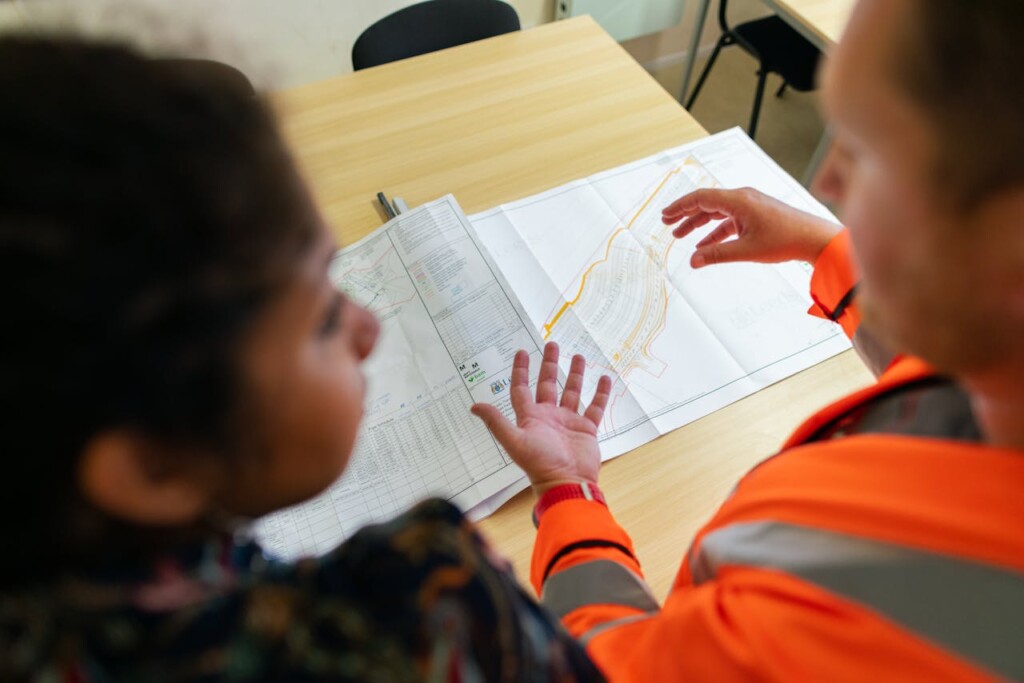
As Dallas construction spending is projected to reach $27 billion in 2025, careful contractor selection is essential to project success. We recognize that rising demand intensifies competition for skilled professionals, making the selection process more critical than ever. The right construction partner can be the difference between smooth project delivery and costly delays.
Your contractor selection checklist should prioritize key verification points. Confirm TDLR licenses for all regulated trades and validate OSHA 10- and 30-hour safety training completion. Verify comprehensive background screening, including Dallas County records, and review workforce qualifications. Check the firm’s knowledge of Dallas building codes, permitting experience, and prevailing wage practices for public projects. Match your project’s complexity to the contractor’s demonstrated scale and sector experience. Validate Texas entity filings and DBA status through the Texas Secretary of State. Request recent Dallas references and a detailed communication plan to keep stakeholders aligned from preconstruction through project closeout. These steps protect schedule integrity and support reliable project delivery in Dallas’s competitive construction environment.
Contact EB3 Construction to discuss your Dallas construction project needs.