
San Antonio properties face recurring threats from severe weather patterns that sweep through Bexar County each year. Hailstorms, flash flooding, and damaging wind events often cause extensive damage to commercial and residential construction sites across the region.
Construction site restoration in San Antonio includes comprehensive recovery operations that address multiple types of damage at once. We coordinate 24/7 emergency response, water extraction and drying, fire and smoke cleanup, mold remediation, exterior façade restoration, and complete reconstruction services across the greater San Antonio area.
How Does EB3 Construction Structure A Typical Restoration Workflow?
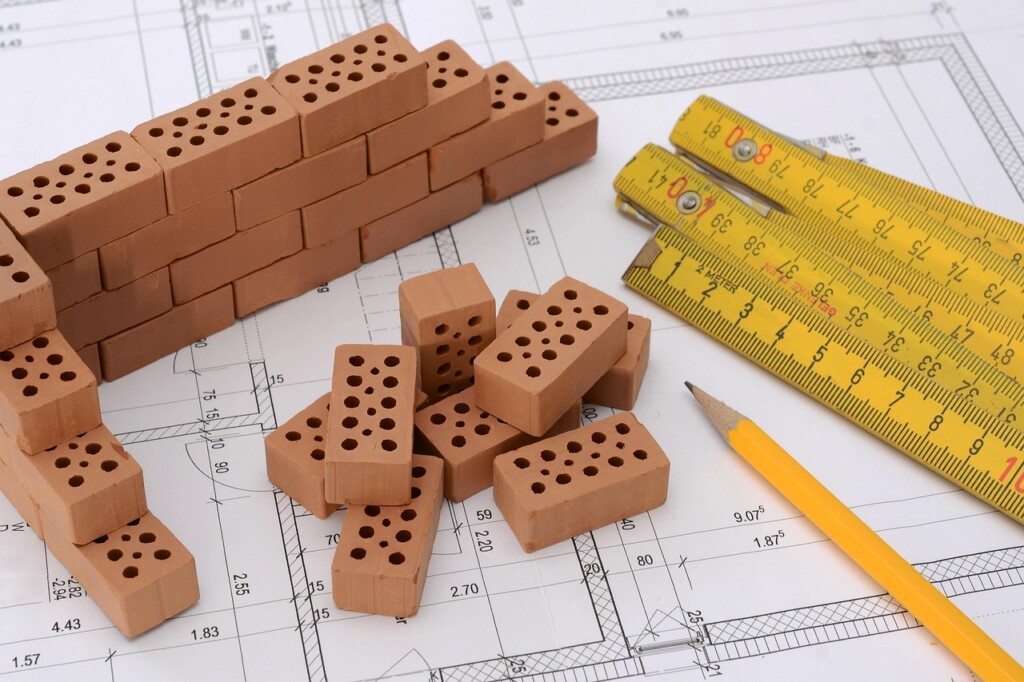
We organize restoration projects through a systematic eight-phase workflow that addresses immediate safety concerns while building toward complete property recovery. Each phase builds on the previous one, ensuring a comprehensive process that meets both emergency response needs and long-term structural integrity requirements.
Rapid Mobilization And Site Assessment
Our priority response begins within hours of the initial call. We dispatch certified technicians equipped with moisture detection equipment, structural assessment tools, and temporary stabilization materials. Site assessment involves documenting the extent of damage, identifying safety hazards, and establishing secure work zones before any restoration activities begin.
Initial response teams coordinate with building engineers and facility managers to understand utility locations, structural systems, and access requirements. We photograph all damaged areas and create detailed reports that support insurance claims and project planning. This documentation becomes the foundation for all subsequent restoration phases.
Emergency Measures And Site Stabilization
Site stabilization protects the property from additional damage while creating safe working conditions for restoration crews. Board-ups secure openings in the building envelope, preventing weather exposure and unauthorized access. Water extraction removes standing water from affected areas using truck-mounted extractors and portable pumps.
We establish temporary power and lighting systems where needed, coordinate utility shutoffs for safety, and install protective barriers around work zones. Site stabilization also includes removing unstable debris and reinforcing damaged structural elements that could pose a collapse risk during restoration work.
Diagnostics And Environmental Monitoring
Comprehensive diagnostics reveal the full extent of damage beyond what is visible during the initial assessment. Moisture mapping uses thermal imaging and pin-type meters to identify water penetration patterns in walls, floors, and ceiling assemblies. Leak detection pinpoints the source of water intrusion, whether from plumbing failures, roof damage, or building envelope breaches.
Environmental checks test air quality for contaminants, including mold spores, chemical residues, and particulate matter. We establish baseline readings that guide remediation strategies and track progress throughout the restoration process. This phase determines which materials can be salvaged and which require replacement.
Mitigation And Containment
Mitigation focuses on preventing secondary damage while preparing for cleaning and reconstruction phases. Dehumidification systems remove excess moisture from building materials and air spaces, preventing mold growth and material degradation. We isolate affected zones using plastic sheeting and negative air machines to contain contaminants.
Air quality controls include HEPA filtration systems and air scrubbers that remove particulates and odors from work areas. Isolation protocols prevent cross-contamination between damaged and undamaged building sections. We monitor humidity levels and air quality continuously throughout this phase.
Cleaning And Decontamination
Structural cleaning removes soot, smoke residue, water stains, and other contaminants from building surfaces and systems. We use specialized cleaning agents and techniques suited to different materials, from concrete and steel to wood and drywall. HVAC restoration includes duct cleaning, system sanitization, and filter replacement to restore indoor air quality.
Contents restoration addresses furniture, equipment, and documents affected by the event. We coordinate off-site cleaning and storage when necessary, maintaining detailed inventories throughout the process. Document care includes freeze-drying for water-damaged papers and specialized cleaning for smoke-affected materials.
Building Envelope And Façade Restoration
Building envelope work restores the protective barrier that prevents water and air infiltration. Glass restoration involves cleaning, polishing, and replacing damaged panels in curtain wall systems. We restore metal panels, including aluminum composite systems, addressing both cosmetic damage and structural attachment issues.
Window frame restoration includes resealing, hardware replacement, and thermal break repair where applicable. Precast concrete restoration addresses surface damage, joint sealing, and structural connections. This phase ensures long-term building performance and helps prevent future water intrusion.
Reconstruction And Finish Work
Reconstruction rebuilds damaged structural and architectural elements to pre-loss condition or better. Structural repairs address load-bearing components, foundation issues, and building frame damage. Selective demolition removes materials beyond repair while preserving salvageable building elements.
Debris removal is coordinated with waste management companies for proper disposal and recycling of construction materials. Finish work includes interior surfaces, flooring, and architectural details that complete the restoration. We coordinate with specialized trades for electrical, plumbing, and mechanical system restoration.
Project Closeout And Documentation
Closeout involves comprehensive documentation of completed work and final inspections. We provide detailed scopes of work outlining all restoration activities, material specifications, and compliance certifications. Final inspections verify that all work meets building codes and project specifications.
Project turnover includes training facility managers on restored systems, providing operation manuals, and transferring all warranty documentation. We maintain clear communication with property owners and insurance representatives throughout closeout, ensuring satisfaction with restoration results.
What Safety, Compliance, And Documentation Practices Matter Most?
We manage restoration projects that involve multiple hazards, from contaminated water to structural instability. Safety precautions and regulatory compliance protect our crews and building occupants throughout the process.
OSHA compliance guides our approach to worker protection during all restoration phases. We follow OSHA standards for respiratory protection and personal protective equipment when handling contaminated materials, and we adhere to heat-stress compliance practices for crews working in high temperatures. Local building codes also shape our structural repair methods and permit requirements for major reconstruction work.
Mold assessment requires specific expertise. We involve an independent Industrial Hygienist for testing and evaluation when mold growth appears significant. EPA guidance indicates remediation is necessary when growth exceeds 10 square feet, though we often address smaller areas to prevent spread and protect occupants.
Infection control measures are critical during certain types of restoration work. We implement ICRA barriers and decontamination protocols when working in healthcare facilities or handling sewage-contaminated materials. These environmental controls isolate work areas and prevent cross-contamination between clean and affected spaces.
HVAC cleaning restores indoor air quality after fire, smoke, or biological contamination events. We clean supply and return air ducts, replace filters, and verify that systems meet original airflow specifications. Contaminated ductwork can spread pollutants throughout a building if left untreated.
Documentation supports both project management and insurance coordination. We maintain clear scopes of emergency services, moisture mapping records, and step-by-step restoration documentation. These records help stakeholders understand the work completed and support insurance claims processing.
How Can Owners Reduce Downtime With Pre-Planning In San Antonio?

Proactive planning significantly reduces recovery time when disasters strike San Antonio properties. An Emergency Response Agreement (ERA) with EB3 Construction establishes priority service before any incident occurs. This contingency planning turns chaotic emergencies into structured response protocols.
We structure our ERA to eliminate decision-making delays during critical moments. Property owners receive 24-hour response commitments that bypass typical service queues. The agreement outlines a clear scope of emergency services, removing ambiguity about what we address immediately and what requires additional authorization.
Upfront pricing within the ERA helps owners budget for potential incidents and streamlines insurance coordination. We work with carriers to establish pre-approval processes that accelerate claim resolution. This preparation reduces the administrative burden that often extends recovery timelines beyond the restoration work itself.
The ERA workflow operates through a single point of contact that triggers our priority dispatch system. Our teams arrive for immediate on-site inspection and begin emergency services without delay. We develop recovery plans focused on limiting secondary loss, which often exceeds the cost of the initial damage.
Business continuity depends on rapid stabilization of affected areas. We prioritize structural safety, water removal, and environmental controls to prevent progressive deterioration. This systematic approach to reducing downtime keeps properties functional while comprehensive restoration proceeds in phases.
Conclusion and Practical Next Steps
San Antonio’s position in South Texas exposes construction sites to frequent hail and windstorms, as well as flood risks from severe weather. When severe weather strikes, we’ve learned that structured restoration protocols make the difference between minimal downtime and extended project delays. Our experience handling emergency response throughout Bexar County shows that preparation consistently outperforms reaction.
Site owners benefit from establishing restoration priorities before damage occurs. Document utility shutoffs, access routes, and locations of critical systems. Establish an Emergency Response Agreement with us to ensure 24/7 priority dispatch when severe weather demands immediate action. Focus restoration efforts first on safety stabilization, then on water extraction and air quality controls, followed by building envelope protection. Maintain detailed records of all restoration activities, moisture mapping results, and repair timelines to support insurance coordination and project scheduling requirements.
Contact EB3 Construction today to establish your Emergency Response Agreement and protect your San Antonio construction investment.