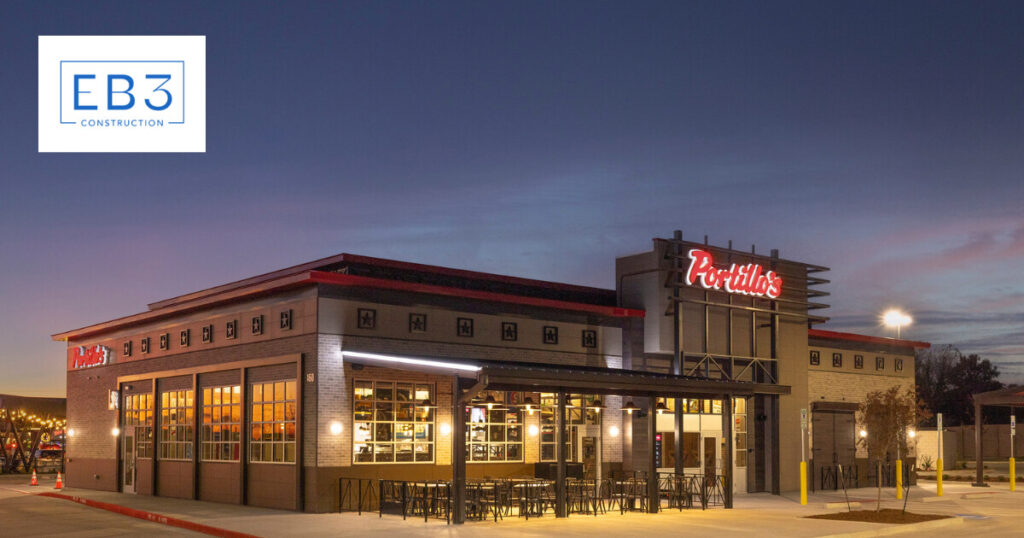
As Austin grows, so do its parking infrastructure needs, particularly in mixed-use districts and commercial centers. We deliver construction parking solutions that cover the entire project lifecycle, from initial feasibility studies to long-term operations management.
These comprehensive solutions integrate structural systems like precast concrete with advanced operational technologies such as PARCS, parking guidance systems, and license plate recognition. Additional services such as valet operations, shuttle coordination, and automated vehicle storage address specific site requirements and user patterns across Austin.
How Should Teams Plan And Design Parking For Austin Projects?

Functional design drives effective parking planning in Austin’s growing mixed-use market. We begin each project by analyzing street traffic patterns, site constraints, and local code requirements to establish a framework that meets current needs and accommodates future growth. User patterns show how people move through the space in practice, shaping everything from entry placement to pedestrian pathways.
Assessing Site Context and Regulatory Requirements
Site layout analysis reveals opportunities for basement parking, podium configurations, or adjacent-structure integration. We review zoning requirements early to understand setbacks, height restrictions, and parking ratios that will influence design decisions. Mixed-use developments often require different parking calculations for residential and commercial components, and understanding these distinctions prevents costly redesigns later.
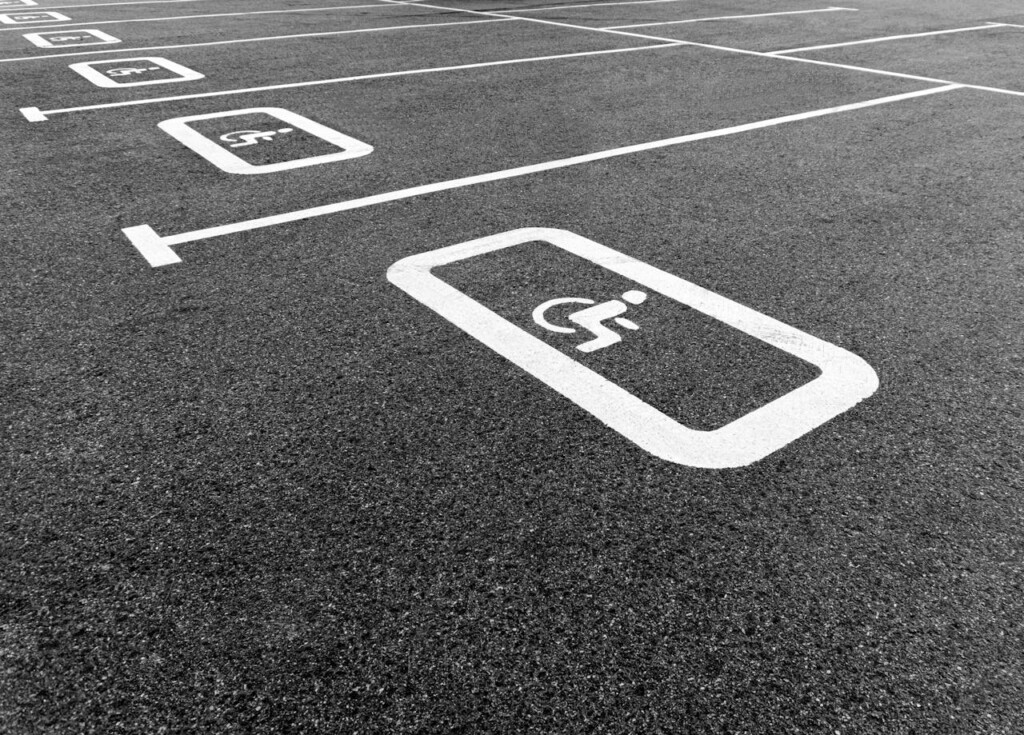
Code compliance extends beyond minimum space counts to include accessibility requirements, fire-lane access, and stormwater management. Austin’s development standards emphasize pedestrian connectivity, which affects how we position entries and design circulation routes. We coordinate with city planners to ensure our approach aligns with neighborhood plans and transportation goals.
Integrating Lighting and Wayfinding Systems
Clear lighting and early wayfinding improve safety and the user experience from day one. We design lighting systems that provide adequate illumination for both vehicles and pedestrians while meeting energy efficiency standards. LED fixtures offer long-term cost benefits and allow for smart controls that adjust based on occupancy and time of day.
Wayfinding signage starts at street level and continues through the facility to guide users efficiently. We install directional signs before construction is complete to help early users navigate the space. Digital displays can show real-time availability, but physical signage provides reliable backup guidance. Color-coded zones and clear numbering systems help users remember parking locations.
Planning for Adaptive Reuse and Future Flexibility
Adaptive reuse planning allows parking structures to evolve with changing market demands. We design floor plates and ceiling heights that can accommodate future conversion to office, retail, or residential use if parking needs decrease. We plan utility infrastructure and structural loads to support various building types without major reconstruction.
Future flexibility includes provisions for electric vehicle charging, automated systems, and technology upgrades. We install conduit and electrical capacity beyond current needs to avoid disruptive retrofits. Modular design approaches allow sections of parking to be repurposed while maintaining operations in other areas.
Using Traffic Microsimulation for Flow Optimization
Traffic microsimulation testing validates entry and exit designs before construction begins. We model peak-hour scenarios, special events, and emergency evacuations to identify potential bottlenecks. Simulation software shows how vehicles interact at merge points, ticket gates, and parking level transitions, allowing us to adjust designs proactively.
Internal flow analysis examines turning radii, sight lines, and queue lengths at payment stations. We test different traffic control strategies to optimize movement patterns and reduce conflicts between vehicles and pedestrians. Results guide decisions about one-way versus two-way circulation, parking space angles, and aisle widths.
Implementing Program Management and Strategic Planning
Master planning coordinates parking development with broader project goals and phasing requirements. We work with development teams to understand how parking needs may change as mixed-use projects mature and tenant mixes evolve. Feasibility studies examine shared parking opportunities with adjacent properties and evaluate long-term financial performance.
Program management ensures parking elements stay coordinated with other project components throughout construction. We track milestones for technology installation, signage fabrication, and operational readiness to prevent delays. Regular coordination meetings with stakeholders help resolve conflicts between parking requirements and other building systems. Shared parking strategies can reduce overall space requirements when residential and commercial uses have complementary peak demand periods.
Which Construction Methods And Materials Work Well For Austin Garages?
Precast and prestressed concrete offer exceptional durability for Austin parking structures. We use these systems because they withstand Texas weather extremes and heavy vehicle traffic while maintaining structural integrity for decades. The material’s inherent strength reduces cracking and deterioration common with traditional cast-in-place concrete.
Cost-effectiveness drives many of our material decisions on Austin projects. Precast components are manufactured off-site under controlled conditions, which helps eliminate weather delays and reduce construction time by 30-40%. We can complete typical garage installations faster than with conventional methods, saving labor costs and allowing earlier revenue for property owners.
Standardized precast elements improve construction efficiency. We coordinate delivery schedules to minimize site congestion and reduce the impact on surrounding traffic. Double tees, columns, and spandrel beams arrive ready for installation, streamlining the construction sequence and maintaining consistent quality throughout the project.
The City of Austin Permitting and Development Center Parking Garage demonstrates precast concrete’s versatility in mixed-use environments. This facility incorporates 1,118 precast components, including double tees, beams, and shear walls, to create nearly 1,000 parking spaces with ground-level retail and fitness areas. The project earned recognition as a 2021 Austin Green Award Winner, highlighting precast concrete’s sustainability benefits.
Safety considerations guide our material selection for Austin parking structures. Precast concrete provides excellent fire resistance and impact protection while creating open sight lines that enhance security. We design spandrel beams and architectural panels to meet natural ventilation requirements while maintaining structural performance during seismic events.
Maintenance requirements remain minimal with properly designed precast systems. We specify corrosion-resistant reinforcement and high-performance concrete mixes that resist chloride penetration from de-icing salts and automotive fluids. Regular inspections help identify potential issues before they affect structural performance or user safety.
Aesthetic flexibility allows precast concrete to complement Austin’s diverse architectural styles. We can incorporate custom textures, colors, and panel configurations to match project requirements while maintaining cost controls. Architectural precast elements create visual interest through exposed aggregate finishes or geometric patterns that enhance the building’s appearance.
What Technologies And Systems Improve Operations And User Experience?
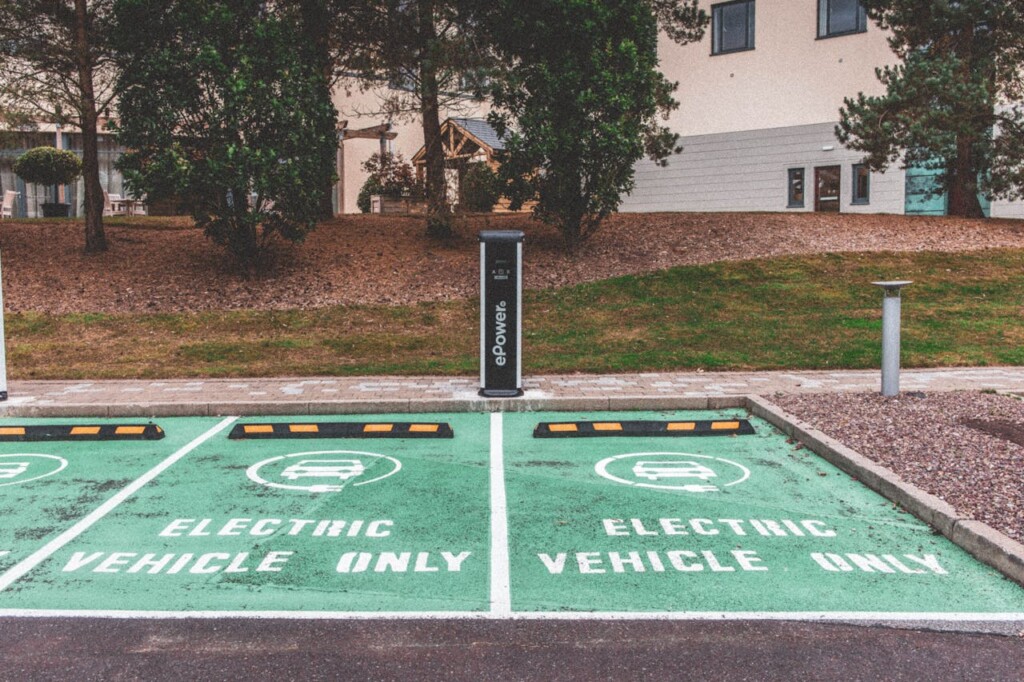
Parking facilities depend on interconnected systems that streamline operations and enhance the driver experience. We organize these technologies around specific outcomes: access control and revenue management through PARCS, space optimization with guidance systems, flexible entry methods, safety infrastructure, data integration platforms, sustainable charging solutions, and specialized storage systems.
PARCS Technology For Access Control And Revenue Tracking
Parking Access and Revenue Control Systems serve as the operational backbone for modern facilities. These systems automate vehicle entry and exit while capturing every transaction for accurate revenue tracking. PARCS technology integrates barrier arms, payment terminals, and license plate recognition to create seamless vehicle flow without manual intervention.
We implement PARCS solutions that support both new construction and retrofit projects. The systems reduce wait times at entry points and eliminate revenue leakage through automated payment processing. Real-time data collection helps operators track occupancy rates, peak usage periods, and revenue trends across multiple facilities.
Parking Guidance Systems For Space Optimization
Parking guidance systems use sensors and digital displays to direct drivers to available spaces efficiently. These systems reduce circulation time within facilities and improve overall capacity utilization. LED indicators at individual spaces work with overhead displays to create clear pathways to open parking areas.
We coordinate guidance system installation with structural elements and electrical infrastructure during construction. The technology adapts to different facility layouts, from surface lots to multi-level garages. Integration with mobile apps extends guidance capabilities beyond physical signage to show space availability before drivers arrive on-site.
Flexible Access Control Methods
Modern access control accommodates diverse user preferences through multiple authentication methods. App-based access allows smartphone entry without physical credentials. Toll tag systems support fleet vehicles and frequent users who prefer dedicated transponders. License plate recognition enables hands-free entry for pre-registered vehicles.
We design access points to support these varied methods without creating bottlenecks. The technology scales from small office buildings to large mixed-use developments. Integration with existing security systems ensures access control aligns with broader facility management protocols.
Safety Infrastructure And Risk Reduction
Safety systems protect both vehicles and pedestrians through strategic placement of mirrors, speed control measures, and protective barriers. Convex mirrors improve sight lines at blind corners and intersections within parking areas. Speed bumps and rumble strips encourage appropriate driving speeds in pedestrian zones.
We position bollards and protective barriers to prevent vehicle damage to structural elements and utility infrastructure. LED lighting systems enhance visibility during evening hours and support security cameras. Emergency communication systems provide direct contact points throughout larger facilities.
Centralized Data Platforms For Operations Management
Centralized platforms connect reservations, digital payments, and wayfinding systems into unified operations dashboards. These systems manage capacity allocation and adjust pricing based on demand patterns. Data integration supports dynamic pricing models that optimize revenue during peak periods.
We implement platforms that scale with facility growth and integrate with property management systems. Online reservations reduce uncertainty for users while helping operators predict utilization patterns. Real-time analytics support operational decisions about staffing, maintenance scheduling, and space allocation adjustments.
EV Charging Infrastructure Planning
Electric vehicle charging requires strategic planning to support scalable growth without major infrastructure modifications. We design electrical systems with adequate capacity for future charging station additions. Conduit placement and panel sizing accommodate expanding EV adoption rates among facility users.
Level 2 charging stations meet most daily charging needs for workplace and retail applications. Integration with automated parking systems maximizes space efficiency while providing convenient charging access. Smart charging systems manage electrical loads and can integrate with renewable energy sources where applicable.
Automated Vehicle Storage Systems
Automated vehicle storage and retrieval systems work effectively for sites with limited space and low turnover rates. These systems use mechanical platforms to stack vehicles vertically or move them horizontally into compact storage configurations. Robotic systems handle vehicle positioning without driver involvement.
We evaluate automated systems based on site constraints, user patterns, and operational requirements. The technology suits residential buildings, office complexes, and medical facilities where parking duration is predictable. However, automated systems are not appropriate for high-volume venues like sports stadiums or concert halls where rapid vehicle movement is essential.
Which Service Models Support Parking Facilities In Austin?
Service models form the operational backbone of parking facilities once construction is complete. We coordinate valet systems that handle vehicle retrieval and positioning, ensuring a smooth guest experience at high-volume sites. Shuttle operations connect remote parking areas to main destinations, particularly valuable for campuses and mixed-use projects when walking distances exceed practical limits.
Curb management becomes essential in dense urban areas where multiple transportation modes compete for space. We design these systems to coordinate passenger drop-offs, rideshare pickups, and traditional parking access without creating bottlenecks. Professional coordination reduces conflicts among vehicle types and maintains consistent traffic flow.
Staffing and Training Requirements
Effective service delivery depends on properly trained personnel who understand safety protocols and guest relations. We work with local recruiting networks to identify candidates with the appropriate temperament and experience for parking operations. Background screening and insurance verification ensure compliance with property requirements and liability standards.
Training programs cover vehicle handling procedures, emergency protocols, and customer service standards. Staff members learn to operate parking equipment, handle various vehicle types safely, and manage interactions with guests who may be unfamiliar with the facility layout. Regular refresher sessions keep teams current on operational changes and safety updates.
Scalable Operations for Demand Fluctuations
Austin’s diverse property types create varying staffing needs throughout the year. University campuses require increased capacity during move-in periods and special events, while corporate office parks maintain more consistent daily patterns. We structure service agreements to accommodate these fluctuations without carrying excess capacity during low-demand periods.
Local staffing pools provide flexibility to scale operations quickly when construction schedules shift or tenant occupancy increases. This approach works particularly well for mixed-use developments where retail, office, and residential components may have different peak usage times throughout the day and week.
Integrated Reporting and Performance Management
Modern parking operations generate significant data that support ongoing optimization efforts. Operations reporting systems track metrics such as vehicle turnover rates, peak usage periods, and service response times. This information helps property managers adjust staffing levels, identify maintenance needs, and plan capacity expansions.
Periodic performance reviews examine service quality metrics alongside operational efficiency measures. Regular assessments identify opportunities to improve guest satisfaction while maintaining cost-effective operations. These reviews often reveal patterns that inform future construction projects and service model adjustments.
Service integration with existing building management systems enables unified operational oversight. Property teams can monitor parking performance alongside other facility metrics, enabling coordinated responses to issues that affect multiple building systems. This comprehensive approach supports the long-term success of parking investments in Austin’s competitive real estate market.
Conclusion And Next Steps
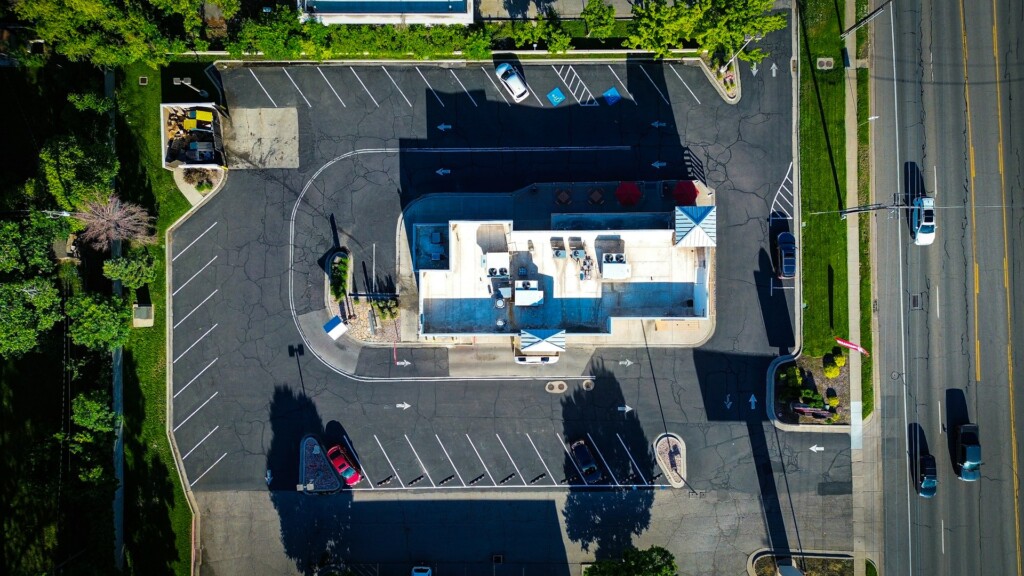
Effective construction parking solutions in Austin require careful coordination across several components. We approach each project by establishing clear priorities that balance user needs, code compliance, operational efficiency, and long-term value. This systematic approach helps facilities perform well from day one and adapt to future requirements.
Start by defining the project scope through feasibility studies and user analysis. Evaluate precast parking structures for their proven durability and cost-effectiveness under local conditions. Integrate PARCS systems early to support revenue management and access control. Plan EV charging infrastructure with scalable capacity that supports growth without major retrofits. Layer in service programs such as valet operations, shuttle coordination, and curb management where site conditions and user patterns support them. Maintain project momentum through structured program management that tracks milestones, budgets, and performance metrics. Ready to develop your next parking facility? Contact EB3 Construction to discuss how we can deliver construction parking solutions that meet your project goals.