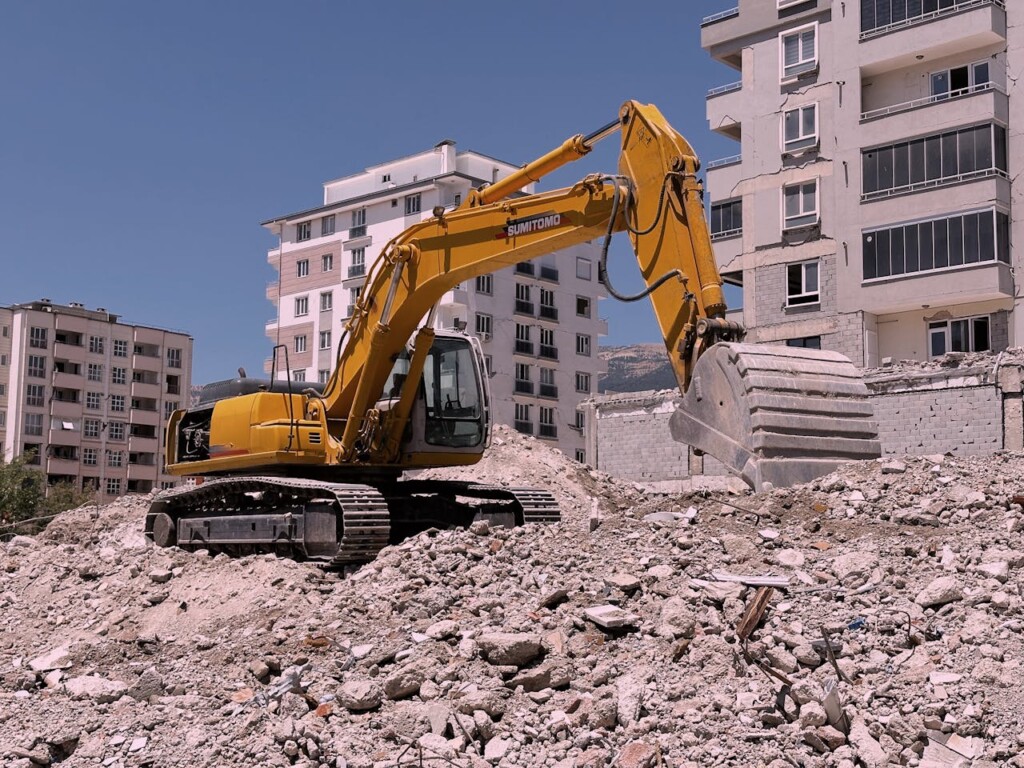
Dallas construction sites generate over 6 million tons of debris annually, making proper waste management a critical factor in project success. Construction waste management in Dallas focuses on safe removal, sorting, recycling, and compliant disposal of debris from building and renovation sites.
The process includes meeting city and state regulations, diverting recyclable materials from landfills, and maintaining clean, safe jobsites. Effective waste diversion through recycling centers and transfer stations reduces landfill use, aligns with Dallas’s environmental best practices, and helps keep projects on schedule.
Which Dallas Rules And BMPs Control Construction Waste Handling?
Dallas construction projects must comply with multiple layers of environmental regulations governing waste handling practices. The Texas Pollutant Discharge Elimination System (TPDES) Construction General Permit TXR150000 applies to projects one acre or more, requiring contractors to create and implement a Stormwater Pollution Prevention Plan (SWP3). This plan establishes specific protocols for waste storage, erosion control, and spill prevention that protect waterways and prevent regulatory violations.
Basic compliance requirements include maintaining erosion and sediment controls throughout the project lifecycle. Contractors must cover and properly maintain all dumpsters to limit weather exposure and windblown debris. Any spills must be cleaned up immediately, with releases reported to the City through the 311 system and to regulatory agencies as required by law. These immediate response protocols prevent minor incidents from becoming major environmental violations.
Waste Storage And Stormwater Protection Requirements
All waste materials must be stored to limit exposure to stormwater and weather. Sealed drums must remain closed when not in active use, and secondary containment systems are required for all hydrocarbon and hazardous material containers. These measures prevent contaminated runoff from entering storm drains and municipal water systems.
Soil stockpiles require specific management practices, such as placement away from storm inlets and water bodies. Stockpiles should be maintained on flat grades, stored for minimal durations, and covered with tarps when possible. Perimeter controls, such as silt fencing, provide additional protection against sediment migration during rain events.
Hazardous Waste Management Under TCEQ Rules
The Texas Commission on Environmental Quality (TCEQ) establishes strict protocols for hazardous waste handling on construction sites. Contractors must provide appropriately trained staff for hazardous materials management, use proper containers with adequate labeling, and maintain proper manifest documentation. All hazardous waste must be disposed of at TCEQ-approved facilities with complete chain-of-custody documentation.
McCommas Bluff Landfill, Dallas’s primary municipal solid waste facility, accepts commercial waste, household waste, municipal solid waste, and certain special wastes on a case-by-case basis. However, the facility strictly prohibits hazardous waste, Class 1 waste, and liquid waste disposal. Soils may require analytical testing to verify compliance with the landfill’s soil acceptance policy before disposal approval.
Vehicle Operations And Site Management Rules
Dallas City Ordinance 26766 limits idling by vehicles with a gross vehicle weight rating (GVWR) of 14,000 pounds or more to a maximum of five minutes. This anti-idling ordinance reduces air-quality impacts and unnecessary emissions from heavy construction equipment and delivery vehicles.
Fueling and maintenance operations must occur at least 30 feet away from waterways, stormwater systems, and other environmentally sensitive areas. Fuel storage tanks require proper labeling and containment measures, with spill response materials readily available during all fueling activities. These setback requirements prevent accidental contamination of water resources and provide adequate response time for spill containment.
What Materials Can Be Removed, Recycled, Or Restricted In Dallas?
Dallas construction sites generate distinct debris streams that require specific handling approaches. Understanding which materials can be recycled, removed through city services, or must undergo special processing helps contractors plan efficient waste management strategies while staying compliant with local regulations.
Common Construction Debris Streams
Typical Dallas job sites produce lumber, drywall, plywood, concrete, bricks, tiles, and shingles from structural work. Interior renovation work generates carpet, insulation, flooring, metal fixtures, cabinets, doors, and windows. Packaging from material deliveries creates additional cardboard and plastic waste streams.
These materials vary significantly in weight, contamination potential, and processing requirements. Heavy materials like concrete and masonry often represent the largest disposal volumes, while metals provide the highest recycling value per pound.
Recyclable Material Streams
Concrete and masonry materials are frequently recycled into base fill for road construction and new building projects. This diverts substantial tonnage from landfills while creating valuable aggregate products. Steel and copper scrap from fixtures, rebar, and wiring typically command strong market prices when properly sorted and clean.
Untreated wood lumber can be processed into mulch, biomass fuel, or engineered wood products. Cardboard packaging is readily accepted at most recycling facilities. Certain plastics—particularly clean containers labeled 1–5 or 7—qualify for standard recycling programs.
Transfer Stations and City Services
Dallas operates three transfer stations that accept recyclables, yard waste, and municipal solid waste from contractors. These facilities provide convenient drop-off points for properly sorted materials. McCommas Bluff Landfill maintains specific acceptance policies for different waste types and requires soil testing for contaminated materials.
The City’s Cost Plus service collects certain construction materials, such as lumber and roofing, upon request. This service offers an alternative for smaller debris volumes that don’t justify private hauling.
Restricted and Prohibited Materials
Cost Plus service specifically excludes bricks, concrete, rocks, dirt, paint, oil, and hazardous containers. These materials require alternative disposal methods through licensed facilities. Hazardous waste demands specialized handling, proper containers, manifests, and disposal at Texas Commission on Environmental Quality (TCEQ)-approved facilities.
McCommas Bluff Landfill prohibits hazardous waste, Class 1 waste, and liquid waste entirely. Acceptance of special waste is considered case by case and requires approved applications and analytical testing from accredited laboratories.
Regional Processing Infrastructure
The North Central Texas region maintains processing facilities for specific construction materials. Concrete crushing operations convert demolished concrete into reusable aggregate. Metal processors handle copper, steel, and aluminum from construction sources. Wood processing facilities create mulch and composite products from clean lumber.
These specialized processors support the city’s waste reduction goals by providing viable alternatives to landfill disposal. Contractors benefit from lower tipping fees at recycling facilities compared to mixed-waste disposal rates at landfills.
How Should Dallas Contractors Manage Onsite Storage, Saw-Cut Slurry, And Spills?
Material Storage and Secondary Containment
We plan storage areas to minimize stormwater contact and prevent contamination. Sealed drums remain closed when not in active use, with secondary containment systems installed around all hydrocarbon storage areas.
Secondary containment must hold 110 percent of the largest container volume or be sized for multiple containers per Dallas environmental BMPs. We position fuel tanks behind protective berms with clear labeling and stage spill kits within immediate reach.
Soil Stockpile Management and Erosion Control
Soil stockpiles require careful positioning away from catch basins, inlets, and surface waters. We maintain flat storage grades to prevent runoff and minimize time between excavation and placement.
Tarps cover all stockpiles during non-working periods and precipitation events. Perimeter sediment controls, such as silt fences or organic filter tubes, limit material migration. Storage areas remain at least 50 feet from concentrated stormwater flows.
Saw Cutting and Slurry Control
Saw cutting and coring operations generate slurry containing sediment, hydrocarbons, and high pH. We block storm inlets and gutters before beginning work to prevent slurry from entering drainage systems.
Vacuum collection removes all slurry using appropriate equipment. We minimize water use during cutting and avoid work during wet or windy conditions. Slurry containment remains within designated work areas behind temporary barriers.
Spill Prevention Training and Response
Crew training covers spill prevention techniques and immediate response procedures. We maintain documented Standard Operating Procedures for cleanup activities and ensure adequate absorbent materials are readily available on all equipment.
Spill cleanup waste is disposed of through approved waste management channels. All incidents must be documented, with immediate cleanup using dry methods rather than hosing contaminated areas.
Tree Protection and Root Zone Management
Tree protection zones equal 1.25 feet per inch of trunk diameter measured at 4.5 feet above ground. We install chain-link fencing at the drip line to prevent equipment damage to root systems.
Construction activities, material storage, and vehicle access remain outside fenced protection areas. Grade changes within root zones may not exceed 2 inches without specialized protection measures for trees designated for preservation.
What Construction Debris Removal And Recycling Workflow Does EB3 Construction Follow In Dallas?
We handle debris removal systematically, starting with a thorough site assessment and clear, upfront pricing. Our process supports regulatory compliance and high recycling diversion rates, keeping Dallas job sites organized and ready for the next construction phase.
Site Assessment and Transparent Pricing
Our first step is to evaluate jobsite conditions and debris volumes to provide accurate cost estimates. We assess accessibility, noting factors such as narrow driveways, stairs, or distances to truck positioning areas that affect hauling time and labor. Material identification during this phase helps determine the most cost-effective disposal and recycling options.
Volume estimation uses standard cubic-yard measurements, with one cubic yard roughly the size of a washing machine. For heavy materials like concrete and masonry, we calculate costs by weight in tons rather than volume. Site access directly impacts pricing; restricted areas may require additional labor and specialized equipment for safe material removal.
Comprehensive Material Sorting
We implement systematic material sorting to maximize recycling rates and ensure proper waste-stream separation. Concrete and masonry are segregated for processing into base fill or aggregate. Metal components, such as copper wiring, steel reinforcement, and aluminum trim, are separated for scrap recovery programs that can offset disposal costs.
Wood materials require careful separation between untreated lumber suitable for recycling and treated materials that need specialized disposal. We maintain separate collection areas for cardboard packaging and clean plastics to preserve recyclability. This organized approach significantly improves landfill diversion rates while reducing overall disposal expenses.
Safe Loading and Property Protection
Our loading procedures prioritize property protection and worker safety throughout the removal process. We use protective coverings on floors, walls, and landscaping to prevent damage during debris movement. Heavy items such as concrete sections and appliances require specialized lifting equipment and techniques to protect the property and ensure crew safety.
All loading activities follow established safety protocols, including proper personal protective equipment and material-handling procedures. We coordinate closely with site personnel to minimize disruptions to ongoing construction while maintaining safe passage routes for debris removal.
Licensed Facility Transport and Processing
We transport all materials to licensed recycling or disposal facilities based on material type and local regulations. Concrete and masonry go to crushing facilities for reprocessing into construction aggregate. Metals are delivered to scrap processors who separate alloy types for recycling into new products.
Wood waste travels to facilities that process it into mulch, biomass fuel, or composite products, depending on treatment status and contamination levels. Our partnerships with licensed facilities ensure proper documentation for regulatory compliance while maximizing recycling opportunities across the Dallas region.
Final Site Preparation
We complete each project with thorough site cleanup to prepare the area for subsequent construction phases. This final sweep removes remaining debris, dust, and packaging materials that could interfere with upcoming work. We document all materials removed and provide disposal certificates as required for project compliance records.
Our systematic approach ensures sites meet cleanliness standards and provides clear documentation of waste diversion. This final step confirms the work area is ready for the next trade contractors or construction activities without debris-related delays or complications.
Conclusion And Next Steps For Dallas Job Sites
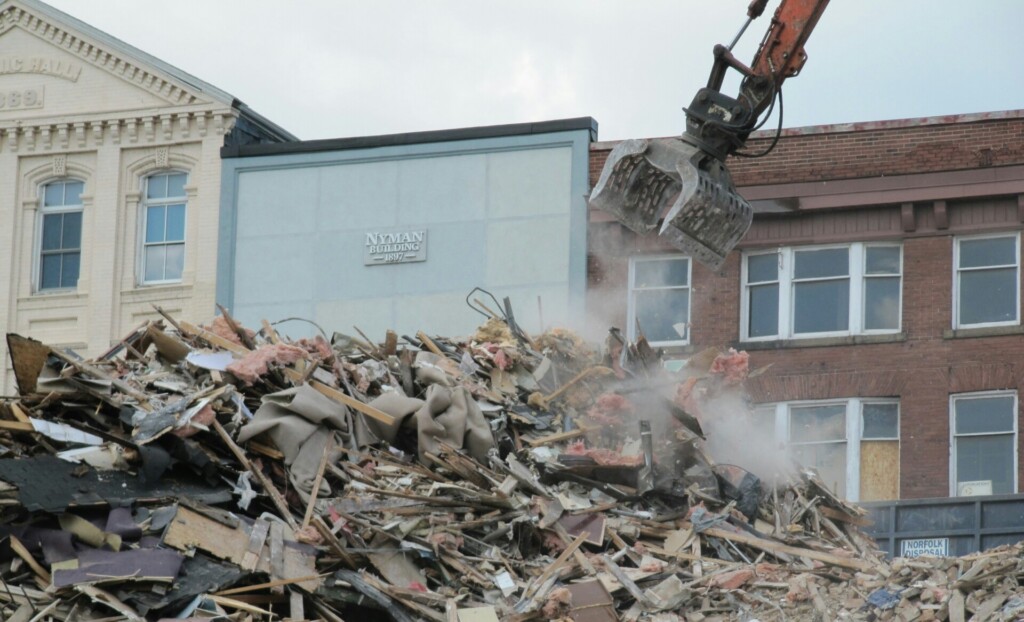
Successful construction waste management in Dallas requires contractors to establish clear processes from day one. Start by implementing environmental best management practices (BMPs), creating detailed sorting plans that separate concrete, metals, wood, and packaging materials, and confirming what local facilities will accept. These steps help prevent costly project delays and regulatory violations.
Thorough documentation is essential for compliance in Dallas. Maintain a Stormwater Pollution Prevention Plan (SWPPP) where the Texas Pollutant Discharge Elimination System (TPDES) Construction General Permit (CGP) TXR150000 applies. Keep records of waste handling, spill response actions, and debris-hauling receipts. Protect stormwater systems through proper storage, secondary containment for hydrocarbons, and immediate cleanup of any releases. Report spills to the City of Dallas at 311 and to regulatory agencies as required by law.
Ready to streamline your construction waste management in Dallas? Contact EB3 Construction today.