Rising land values in established neighborhoods make Dallas tear-down rebuilds attractive. You can create a modern home in a location you already love while avoiding the compromises that come with renovation.
This approach is common across the Dallas-Fort Worth area as neighborhoods mature and owners seek updated features without relocating. The process runs from property assessment through move-in, with local regulations, budget planning, and North Texas weather shaping the timeline.
Which Dallas Permits, Zoning, And Historic Rules Apply?
Dallas operates under a complex regulatory framework that differs from other DFW cities. Properties in historic districts or with landmark designation face additional layers of review before demolition can proceed.
Certificate of Appropriateness Requirements
Historic or protected properties in Dallas require a Certificate of Appropriateness (COA) from the Dallas Landmark Commission before any demolition work begins. This process applies to properties in designated historic districts, individual landmarks, or structures meeting specific age and significance criteria.
The COA application process includes several components. Submit detailed photos of all building elevations, architectural plans showing existing conditions, and a written justification for demolition. The application is submitted to the Landmark Commission for review during a public meeting where community members can provide input.
We work closely with preservation planners during this phase to ensure applications meet commission standards. Missing documentation or inadequate justification can delay approval for months.
Demolition Delay Overlay Districts
Dallas maintains four Demolition Delay Overlay Districts that cover buildings at least 50 years old and historically significant. Properties in these areas face a 45-day delay period before demolition permits can be issued, even for non-landmark structures.
The delay allows the city’s historic preservation officer to evaluate the building’s significance and explore alternatives to demolition. During this period, preservation groups may intervene or propose adaptive reuse solutions.
The delay is triggered when a building meets specific criteria. These include structures listed on the National Register of Historic Places, designated as Recorded Texas Historic Landmarks, or identified in city architectural surveys from 1994 and 2003.
Legal Compliance and Enforcement
Skipping required approvals carries serious consequences. The city can issue stop-work orders that halt all construction activity until proper permits are secured. Violations may result in daily fines that accumulate until the situation is resolved.
The Dallas preservation code includes provisions against demolition-by-neglect. Property owners cannot allow buildings to deteriorate intentionally to circumvent the review process. This creates ongoing maintenance obligations even when demolition is the eventual goal.
Economic hardship exceptions exist for property owners who can demonstrate financial strain from preservation requirements. However, these applications require extensive documentation and rarely succeed without compelling evidence.
Strategic Planning Steps
We recommend a systematic approach to navigate these requirements effectively. Start by confirming with the city’s preservation office whether the property sits in a historic district or carries any form of designation.
Contact preservation staff early in your planning process. They can clarify which rules apply and outline the specific approval pathway for your project. Early engagement prevents costly delays later in the timeline.
Document every interaction with city staff and preservation groups. Maintain detailed records of applications, meeting minutes, and correspondence. This documentation protects against future disputes and demonstrates good-faith compliance efforts.
Consider engaging neighbors and community stakeholders before filing formal applications. Public hearings go more smoothly when nearby residents understand your plans and any benefits the project might bring to the neighborhood.
How Should You Plan Scope, Budget, And Financing?
Effective planning for your DFW rebuild starts with a thorough property assessment. We evaluate the existing structure, site conditions, and neighborhood home values to confirm that a complete teardown makes financial sense compared with renovation alternatives. This assessment examines the lot’s buildable area, utility access, soil conditions, and drainage patterns that may affect construction costs.
The property assessment also considers the surrounding market. We analyze recent sales of comparable rebuilt homes in your neighborhood to establish realistic value expectations. This data helps determine whether your planned investment aligns with potential resale value and ensures the project supports your long-term financial goals.
Building a Realistic DFW Rebuild Budget
A comprehensive budget for your teardown rebuild must account for multiple cost categories beyond basic construction. Permitting fees, demolition expenses, temporary utility disconnects, and site preparation are significant early costs many property owners underestimate. We factor in Dallas-specific requirements, such as potential historic review processes and specialized inspections.
Construction costs vary widely based on home size, finish selections, and site complexity. We build detailed estimates that include foundation work, framing, mechanical systems, and interior finishes. Contingency planning remains critical because unexpected conditions, such as contaminated soil or utility complications, can affect both the budget and the schedule.
Material costs in the DFW market have been volatile, particularly for lumber, steel, and specialty finishes. We track these trends and build appropriate buffers into our estimates. Labor availability also affects pricing, especially for specialized trades such as electrical and plumbing work.
Cost-Plus Contracts for Transparent Project Management
We use open-book, cost-plus contracts to provide complete financial transparency throughout your rebuild project. This approach allows you to see actual material costs, subcontractor invoices, and our management fee structure. Unlike fixed-price contracts that may include hidden markups, cost-plus agreements show exactly where every dollar goes.
Our cost-plus structure includes detailed documentation of all project expenses. You receive regular reports showing labor hours, material deliveries, and change-order impacts. This transparency helps you make informed decisions about upgrades, modifications, or value-engineering opportunities as the project progresses.
The cost-plus model works particularly well for teardown rebuilds because these projects often uncover unexpected conditions that require scope adjustments. With transparent pricing, we can address issues quickly without lengthy contract renegotiations or disputes over additional costs.
Construction Financing for DFW Rebuilds
Construction financing differs significantly from standard mortgage loans and requires specialized lenders who understand the rebuild process. Construction loans typically operate as short-term, variable-rate instruments that convert to permanent financing upon project completion. The approval process considers both your creditworthiness and the projected value of the finished home.
Many DFW lenders offer construction-to-permanent loans that streamline the financing process. These products eliminate the need for separate construction and mortgage applications, reducing closing costs and paperwork. However, they require detailed construction plans and contractor documentation before approval.
We work with lenders experienced in DFW construction projects who understand local building costs, permit timelines, and market conditions. These relationships help expedite approvals and ensure realistic funding schedules that align with construction milestones. Early lender engagement is essential because approval processes can take several weeks.
Planning Temporary Housing and Project Communication
Living arrangements during construction require careful advance planning, especially for families with school-age children or specific work requirements. Temporary housing costs should be factored into your overall project budget, whether you choose rental properties, extended-stay facilities, or temporary stays with family or friends.
We establish clear communication protocols at the start of the project to keep you informed about progress, schedule changes, and decision points. Regular updates help you plan around construction milestones and coordinate any temporary housing transitions. Our project management systems provide real-time access to photos, schedules, and budget tracking.
Schedule contingencies are particularly important in North Texas due to weather variability. Spring storms and extreme summer heat can affect construction timelines, and we build realistic buffers into our project schedules. Clear communication about these potential delays helps you make informed decisions about temporary housing duration and costs.
What Does Safe, Compliant Demolition Require In Dallas?
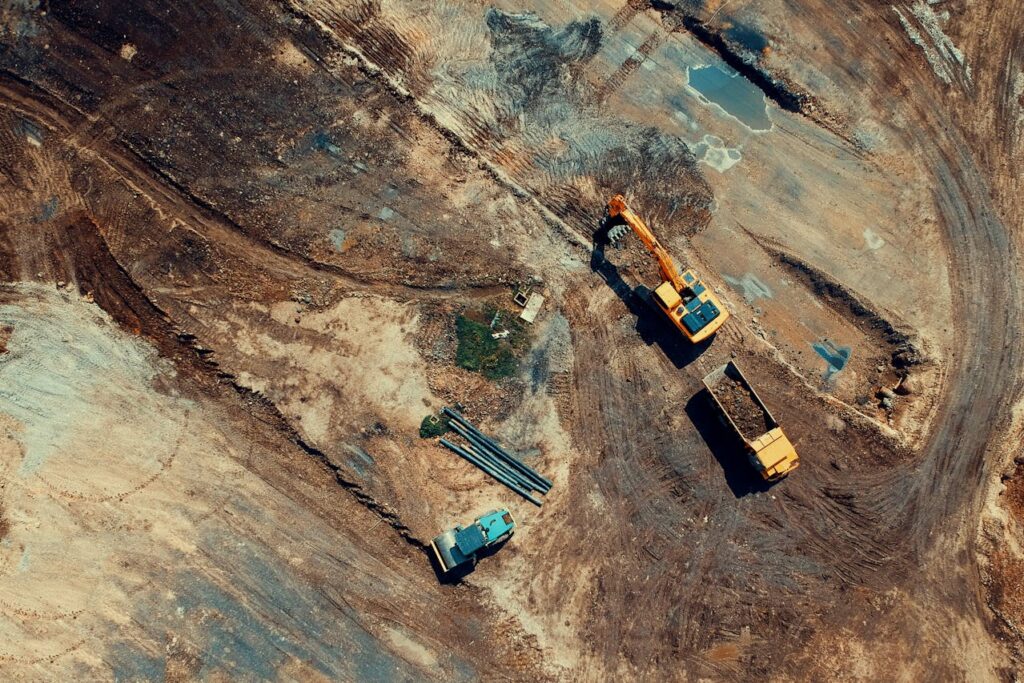
Safe demolition starts with utility disconnects across all services. Coordinate with gas, electric, and water companies to shut off service at the meter and cap lines properly. This prevents dangerous incidents during structural takedown and protects workers from electrocution, gas leaks, or water damage.
Hazardous materials screening comes next and cannot be skipped. Dallas requires an asbestos survey, in accordance with the Texas Asbestos Health Protection Rules, for structures built before 1980. For guidance, review the city’s Demolition Checklist. Lead paint, mold, and other hazardous substances also require professional assessment and removal by certified contractors.
Method Selection and Structural Considerations
Choose your demolition method based on the structure and surrounding constraints. Mechanical equipment like high-reach excavators works well for most residential teardowns. Tracked machines and bulldozers handle smaller structures efficiently while maintaining site control.
Controlled demolition using implosion or explosion requires specialized permits and is typically reserved for large commercial structures. Most Dallas residential projects use deconstruction in sections from the top down, following Chapter 53 of the Dallas Building Code requirements.
Site constraints determine method selection. Tight lots near other homes favor careful deconstruction. Open sites with adequate clearance can accommodate larger mechanical equipment for faster teardown.
Permit Requirements and Documentation
Dallas demolition permits require comprehensive documentation before work begins. Submit a completed building inspection permit application with proof of solid waste collection contracts. The city mandates minimum general liability insurance of $1,000,000 per occurrence, including coverage for asbestos hazards, underground work, and explosion risks.
Tree surveys identify protected trees within 50 feet of demolition activities. Dallas requires treatment for rodent and insect infestation 30 days before demolition begins. Historic district properties need additional Landmark Commission approval before permits are issued.
Execute hold harmless agreements and provide detailed demolition plans showing turn-by-turn debris routes. Barricade permits are required when working within 10 feet of the public right-of-way.
Site Management and Environmental Compliance
Professional site management prevents accidents and regulatory violations. Post the required construction site management signage and implement erosion control measures from the start of the project. Establish secure perimeters to protect the public and maintain site safety throughout demolition.
Material salvage and recycling reduce waste disposal costs while supporting environmental goals. Reclaim valuable materials like hardwood, brick, and metal fixtures before mechanical demolition begins. Coordinate with approved disposal sites for remaining debris.
Complete site cleanup includes blade-clean finishing with proper grading. Fill, level, compact, and smooth areas disturbed during demolition unless new construction permits are issued within 60 days. This final step prevents erosion and prepares the lot for future development phases.
How Do Design, Energy, And Scheduling Decisions Shape The Rebuild?
The design phase transforms your vision into buildable plans that work with your specific lot characteristics and neighborhood context. We start by analyzing how your new home should sit on the lot, considering orientation for natural light, privacy from neighbors, and optimal use of outdoor space. These lot-optimization decisions affect everything from room placement to energy performance.
Interior selections require early coordination to prevent delays and scope creep. We work with clients to finalize finishes, fixtures, and built-in features during the design phase instead of mid-construction. This approach keeps the project timeline predictable and avoids the costly changes that often derail rebuild schedules.
Energy Efficiency Delivers Immediate And Long-Term Value
North Texas weather extremes make energy efficiency more than an environmental choice; it is a practical necessity. Summer temperatures regularly exceed 100 degrees, while winter freezes can stress heating systems and pipes. Modern insulation methods like spray foam insulation create continuous thermal barriers that older homes simply cannot match.
High-performance insulation can reduce energy costs by 20-40% compared to standard fiberglass batts. Spray foam also seals air leaks that drive up utility bills and reduce comfort. These efficiency improvements help offset the higher construction costs associated with a teardown rebuild.
Solar readiness adds future flexibility without requiring immediate investment. Pre-wiring for solar panels costs very little during construction but can cost $3,000 to $6,000 to retrofit later. We recommend installing conduit and electrical infrastructure even if you plan to add panels later, when technology improves or prices drop.
Construction Timeline Accounts For Weather And Logistics
A DFW rebuild typically runs 10-14 months from design completion to move-in. We structure the schedule in phases that align with North Texas seasonal patterns. Foundation and framing proceed during milder months when possible, while interior systems installation can continue regardless of weather.
Spring storms can halt exterior work for days at a time, so we build buffer time into critical-path activities. Summer heat affects concrete curing times and worker productivity, requiring adjusted schedules during peak temperatures. We plan these factors into the schedule rather than treating them as unexpected delays.
Material deliveries and inspection schedules also influence the timeline. Long-lead items—such as custom millwork, specialty fixtures, or structural steel—require early ordering to prevent delays. City inspection availability can create bottlenecks, particularly during peak construction seasons when permit offices see heavy volume.
Remote Project Management Keeps Clients Connected
Many of our rebuild clients live out-of-state or travel frequently for work. We use digital systems that provide real-time updates on construction progress, budget tracking, and decision points that require client input. Photo documentation, milestone reports, and video walkthroughs keep remote clients informed without requiring constant site visits.
Communication protocols establish clear expectations for response times and decision-making authority. We coordinate major selections and approvals in batches rather than requesting individual decisions throughout the week. This approach respects busy schedules while maintaining project momentum.
Conclusion And Next Steps

.
Your next steps start with property verification and city coordination. Confirm whether your property requires historic review, establish contact with Dallas building officials, and develop a comprehensive budget that includes 15-20% contingencies for unforeseen issues. Engage construction-financing lenders early in the process, as these loans have different requirements than traditional mortgages. Create a detailed demolition plan that addresses utility disconnection, screening for hazardous materials, and site cleanup. Set energy-performance goals that leverage modern insulation and HVAC technologies to handle North Texas weather extremes. Arrange temporary housing well before demolition begins, and establish documentation systems to track permits, approvals, and project milestones. With this structured approach, your DFW rebuild moves from an overwhelming concept to a manageable process that delivers the custom home you envision.
Ready to explore how your Dallas tear-down rebuild can become reality? Contact EB3 Construction to discuss your project goals and development timeline.