In Fort Worth, construction without disrupting business demands a balance between progress and preservation. When we work near active businesses, the challenge is keeping people safe while doors stay open. Projects must deliver results without derailing the revenue streams that keep downtown vibrant.
Fort Worth’s downtown environment requires specific protocols that go beyond standard construction practices. City guidelines emphasize safe pedestrian routes, reduced noise levels, clean work areas, and continued access to every business entrance. These requirements aren’t just bureaucratic boxes to check; they form an essential framework that allows commerce to continue as construction progresses around them.
How Do You Keep Customers Moving Safely While Work Happens?
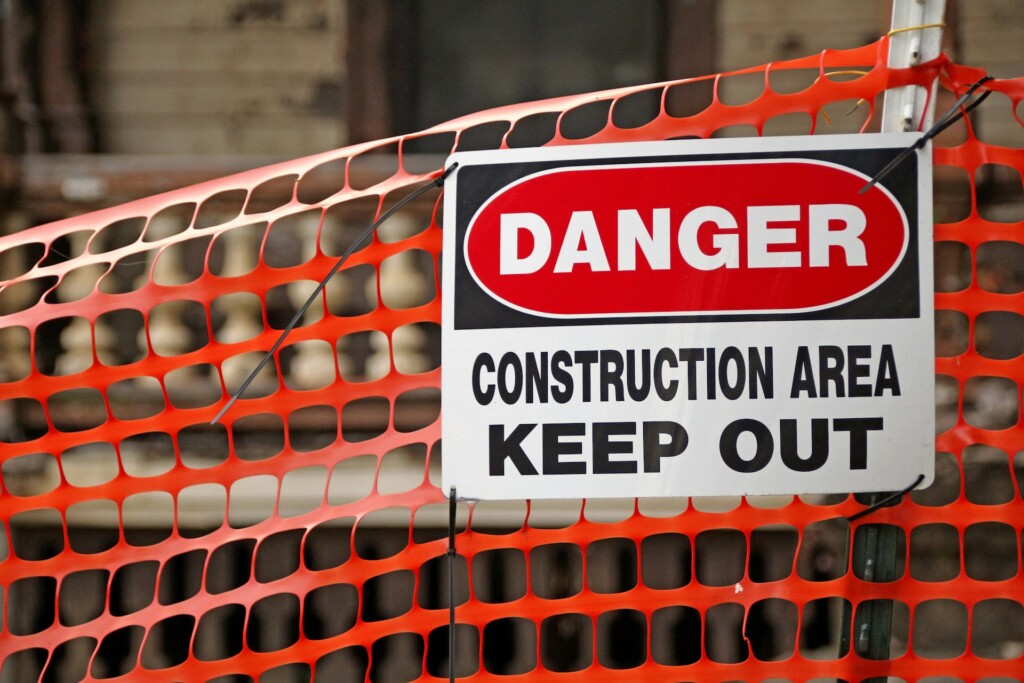
Customer safety and business access depend on maintaining clear, protected pathways throughout construction. We establish continuous pedestrian access on both sides of the street whenever possible, or we provide a safe temporary sidewalk when one route must close.
ADA-compliant walkways require a minimum width of 4 feet with proper transitions at curbs and building entries. Where grade changes exceed half an inch, we install temporary ramps with handrails for rises greater than 6 inches or lengths exceeding 72 inches. These ramps maintain slopes between 1:12 and 1:8, depending on space constraints, with non-slip surfaces and adequate drainage.
Overhead Protection and Visibility
Covered walkways protect pedestrians from falling debris during demolition or facade work. We construct sidewalk sheds with a minimum clearance of 7 feet and impact-resistant barriers facing traffic. Debris netting provides additional protection for lighter construction activities while maintaining visibility.
Clear wayfinding ensures customers can locate business entrances even when normal approaches change. Night lighting of approximately 1 foot-candle illuminates walkways, signs, and potential hazards. Lighting placement avoids shadows from trees or equipment that could obscure changes in the path or obstacles.
Business Access and Parking Management
Prominent signage confirms that businesses remain open during construction, with directional arrows pointing to accessible entrances. When main entries become inaccessible, we clean and prepare alleyway routes to rear doors, ensuring these alternate paths meet ADA standards.
Off-site staging and parking preserve customer access to storefronts. We limit parking meter bagging to essential work periods and coordinate timing with business peak hours. This approach keeps street parking available for shoppers while providing necessary workspace.
Surface Protection and Hazard Management
Removable utility marking products protect decorative sidewalks and prevent permanent staining from construction activities. We maintain level walking surfaces and address trip hazards within hours of identification. Regular inspections catch surface irregularities, standing water, or debris accumulation before they create safety issues.
Utility locates and markings help prevent underground conflicts that could create emergency closures. When subsurface work requires temporary excavations near walkways, we provide secure barriers with detectable edges for vision-impaired pedestrians.
What Construction-Phase Practices Reduce Business Impact Downtown?
We schedule active construction around Fort Worth’s peak business periods and major community events. Heavy work—such as demolition, pile driving, and major utility installations—is curtailed from Thanksgiving through New Year’s and during special events like the Main Street Arts Festival or Parade of Lights. This schedule protects retailers’ revenue during their busiest seasons while allowing us to maintain project momentum during quieter periods.
Fort Worth’s noise ordinance sets clear decibel limits that we monitor throughout each workday. The city allows 80 dB(A) during daytime hours and 70 dB(A) at night, with stricter restrictions near occupied residential structures and hotels. We limit noisy activities before 7:00 a.m. and after 8:00 p.m. on weekdays, and before 9:00 a.m. and after 8:00 p.m. on weekends when working within 300 feet of residential buildings.
Daily site cleanliness prevents code enforcement citations and maintains the professional image downtown businesses expect. We cover all dumpsters when not in use, control dust with water suppression systems, and clean the public right-of-way immediately after any spills or debris impacts. Our crews repair streetscape damage quickly to avoid pedestrian hazards and maintain the aesthetic standards that draw customers to the district.
Regular stakeholder communication keeps business owners informed and reduces friction during construction. We hold monthly meetings with affected businesses and send updates about lane closures, meter bagging schedules, and any changes to our construction timeline. These updates maintain a clear, positive message about project progress while giving business owners advance notice to adjust their operations accordingly.
Clear wayfinding and advance signage help customers navigate around construction zones to reach open businesses. We post prominent signs indicating that businesses remain open and provide visible routes to entries. All temporary signage is removed promptly at project completion to restore the area’s clean appearance and avoid city violations.
We assign a dedicated point of contact for all right-of-way issues and maintain detailed compliance documentation. This single contact manages relationships with city staff, addresses concerns quickly, and ensures we meet all permit conditions. Post-construction, we honor the required two-year maintenance period for all public right-of-way improvements, which provides long-term value to the downtown community.
Which Project Types Fit Business-As-Usual Operations?
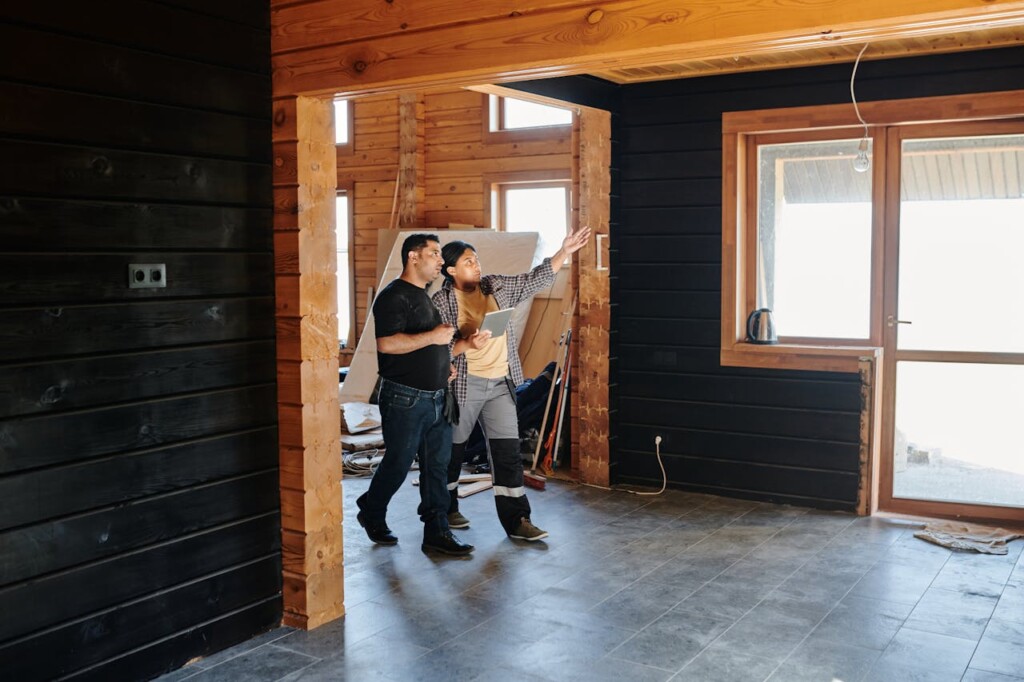
Office build-outs are the most compatible construction scope for maintaining business continuity. These projects focus on interior construction within existing structures, allowing businesses to remain operational in adjacent spaces while we complete work in defined zones. Office build-outs typically involve new partition walls, updated electrical systems, and fresh finishes without disrupting core building infrastructure.
Tenant improvements and fit-outs follow similar principles of contained construction. We configure spaces to meet specific business needs while keeping disruption minimal through careful scheduling and access management. These projects often include flooring updates, lighting upgrades, and workspace reconfigurations that can proceed during after-hours work or in phases.
ADA office remodels are well suited to phased renovation approaches. Compliance upgrades such as wider doorways, accessible restrooms, and proper counter heights can often be completed in sections. We sequence this work to maintain building accessibility throughout construction while bringing spaces up to current standards.
Office expansions into adjacent vacant space create natural staging opportunities. We build out new areas first, allowing businesses to relocate temporarily before renovating their original space. This approach minimizes operational disruption while providing long-term capacity for growth.
Minor renovations deliver significant improvements without full shutdowns. Interior construction projects such as conference-room updates, break-area refreshes, and reception-area modernization can proceed with businesses operating normally. These focused scopes cost considerably less than comprehensive remodels while providing measurable improvements to workplace functionality.
Successful business continuity depends on careful sequencing and clear communication. We coordinate after-hours work windows with building management and neighboring businesses to minimize noise and access conflicts. Proper signage ensures customers and employees can navigate around construction zones safely while maintaining normal operations.
Conclusion and Next Steps For Fort Worth Projects
Low-disruption construction in Fort Worth centers on four pillars: early planning, protected access, noise and clutter control, and consistent communication. These principles guide successful projects from initial concept through final cleanup. TPW guidelines and Downtown design standards provide a framework, but successful execution depends on systematic preparation and coordination with stakeholders.
Your action checklist starts with scheduling the mandatory City pre-construction meeting with Transportation and Public Works staff. Prepare a Traffic Control Plan signed and sealed by a professional engineer, then compile comprehensive stakeholder contact lists for monthly project updates. Design ADA-compliant pedestrian routes with covered walkways where needed, establish daily site cleanliness protocols, and coordinate work windows to avoid conflicts with Downtown events and business peak hours. Document all right-of-way management decisions to maintain code compliance and avoid citations.
Ready to move forward with your Fort Worth construction project? Contact EB3 Construction to coordinate low-disruption building strategies that keep businesses open and communities moving.