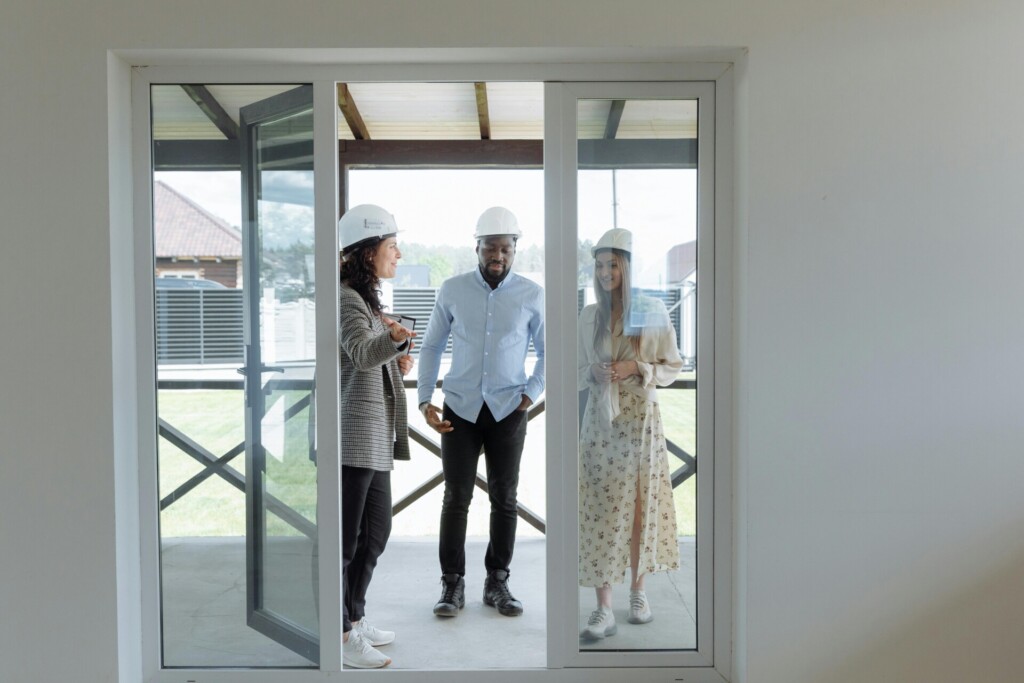
A single misunderstood brand detail can derail months of planning and thousands of dollars in investment. When your retail contractor misses the specified paint shade or selects the wrong lighting, you face delays, rework, and an opening that falls short of your vision.
We approach retail build-outs with clear brand standards, documented finishes, and disciplined quality control from contract signing through final inspection. The scope includes contractor vetting, brand standards documentation, quality control systems, approval processes, and schedule coordination to protect your opening deadline.
How Should You Vet A Contractor’s Retail And Finish Experience?

Selecting a contractor with proven retail expertise protects your project timeline, budget, and brand execution. We begin every retail build-out by evaluating the contractor’s specific experience delivering similar projects, not just general construction capability.
Review Retail Project Portfolios
Ask contractors to provide examples of recent retail build-outs that align with your scope and brand positioning. We examine their work on storefront design, interior finishes, and custom millwork to assess quality standards and attention to detail. Request references from developers and property owners who can verify project completion dates, budget adherence, and problem-solving capabilities.
Look for contractors who understand the unique demands of retail construction, including tight opening deadlines, coordination with mall management, and the precision expected for branded finishes. Their portfolio should demonstrate experience with similar square footage, finish complexity, and tenant improvement scopes.
Verify Regulatory Knowledge And Compliance Experience
Retail build-outs require specialized knowledge of signage regulations, accessibility standards, and safety codes that differ from other project types. We verify that contractors understand ADA compliance requirements for tactile signage, mounting heights, and clear floor space specifications that apply to permanent room identification and directional signs. For reference, see the U.S. Access Board signage guide and this overview of ADA requirements for retail stores.
Confirm their experience with local fire codes, electrical requirements for retail lighting systems, and building permit processes. Contractors should demonstrate familiarity with retail-specific inspections and the coordination required between different trades during finish installation.
Assess Budget Control And Timeline Management
Retail projects operate under strict financial constraints and non-negotiable opening dates that leave no room for cost overruns or schedule delays. We evaluate contractors based on their ability to provide accurate cost estimates, manage change orders transparently, and deliver projects on time.
Review their approach to value engineering and cost control throughout the construction process. Strong retail contractors can identify potential budget risks early and propose alternative solutions that maintain design intent while controlling costs. Ask about their experience managing projects with blackout periods, restricted access hours, and coordinating with existing mall operations.
Test Communication And Collaboration Skills
Retail build-outs require constant coordination between multiple parties, including mall management, landlords, architects, and brand representatives. We prioritize contractors who demonstrate clear communication protocols and proactive project management.
Evaluate their ability to provide regular progress updates, maintain detailed project documentation, and respond quickly to questions or concerns. Strong contractors should present organized project schedules, clear reporting systems, and established processes for managing approvals and sign-offs throughout construction.
What Should Your Brand Standards Package Include For Construction?
A comprehensive brand standards package translates your brand vision into construction-ready documentation. We structure these packages to address every visual and functional element that affects brand expression. The package should include specific materials, finishes, and installation methods so contractors can execute without guesswork.
Your brand vision is the foundation for all construction decisions. It goes beyond logo placement and color schemes to define how customers should feel when they enter your space. We document how lighting affects product visibility, how material textures support brand personality, and how spatial flow guides customer behavior through the retail environment.
Essential Color and Material Specifications
Color specifications require precise documentation with HEX, RGB, and CMYK values for both digital and print applications. We provide color samples for paint, fabrics, and other materials to ensure consistency across all brand touchpoints. Each color choice connects to specific brand attributes and customer experiences.
Material selection drives durability and maintenance requirements throughout the retail space. We specify flooring that withstands high traffic while reflecting brand sophistication, wall finishes that complement merchandise displays, and counter surfaces that maintain appearance under daily use. Each material selection includes installation notes and maintenance protocols to preserve brand quality over time.
Finish specifications extend to fixtures, millwork, and custom elements that define the retail environment. We document surface treatments, edge details, and hardware specifications that reinforce brand identity. These specifications prevent substitutions that compromise the intended brand experience.
Lighting Design for Brand Expression
Lighting specifications shape how customers perceive merchandise and navigate the space. We define general illumination levels, accent lighting for displays, and architectural lighting that reinforces the brand atmosphere. Lighting color temperature affects how merchandise appears and influences customer comfort.
Storefront lighting requires coordination with mall guidelines and local regulations. We specify fixture types, mounting methods, and control systems that highlight brand elements while meeting technical requirements. Night lighting extends brand visibility beyond operating hours and supports mall aesthetics.
Emergency and code-required lighting integrate with the brand design rather than compromising visual quality. We coordinate exit signs, security lighting, and compliance fixtures that maintain brand consistency while meeting safety regulations.
Signage and Storefront Elements
Signage specifications cover dimensional requirements, materials, illumination, and mounting systems. We document sign placement within mall guidelines and landlord restrictions while maximizing brand impact. Each sign type supports specific communication and wayfinding needs.
Storefront elements include glass specifications, framing materials, door hardware, and display systems. These components create the first impression of your brand and must withstand daily use while maintaining appearance. We specify materials that support both brand expression and operational efficiency.
Display fixtures and merchandising systems require detailed specifications for construction and installation. We document shelving materials, display lighting, and fixture configurations that support product presentation and sales objectives. Each element reinforces brand positioning while serving functional requirements.
Durability and Maintenance Considerations
Material durability directly affects long-term brand presentation and operational costs. We evaluate finish performance under retail conditions, including customer traffic, cleaning requirements, and environmental factors. High-traffic areas receive materials that maintain appearance despite intensive use.
Maintenance protocols preserve brand quality throughout the lease term. We document cleaning procedures, replacement schedules, and touch-up requirements for all materials and finishes. These protocols prevent gradual brand deterioration that affects customer perception.
Warranty information and supplier contacts support ongoing maintenance needs. We maintain relationships with material suppliers and contractors who understand brand requirements for future repairs and updates.
Mall Guidelines and Landlord Approvals
Mall design guidelines establish parameters for materials, colors, and construction methods. We review these requirements early and incorporate them into brand standards without compromising brand integrity. This prevents costly redesigns during the approval process.
Landlord design reviews require documentation that demonstrates compliance with lease requirements and mall standards. We prepare submission packages that clearly communicate brand intent while addressing all technical requirements. These packages accelerate approval timelines and help prevent construction delays.
Written sign-offs protect against misunderstandings and changes during construction. We document all approvals and maintain communication records that support project execution. This documentation helps prevent delays that affect opening schedules and lease obligations.
How Do You Communicate, Document, And Control Quality To Protect Finishes?
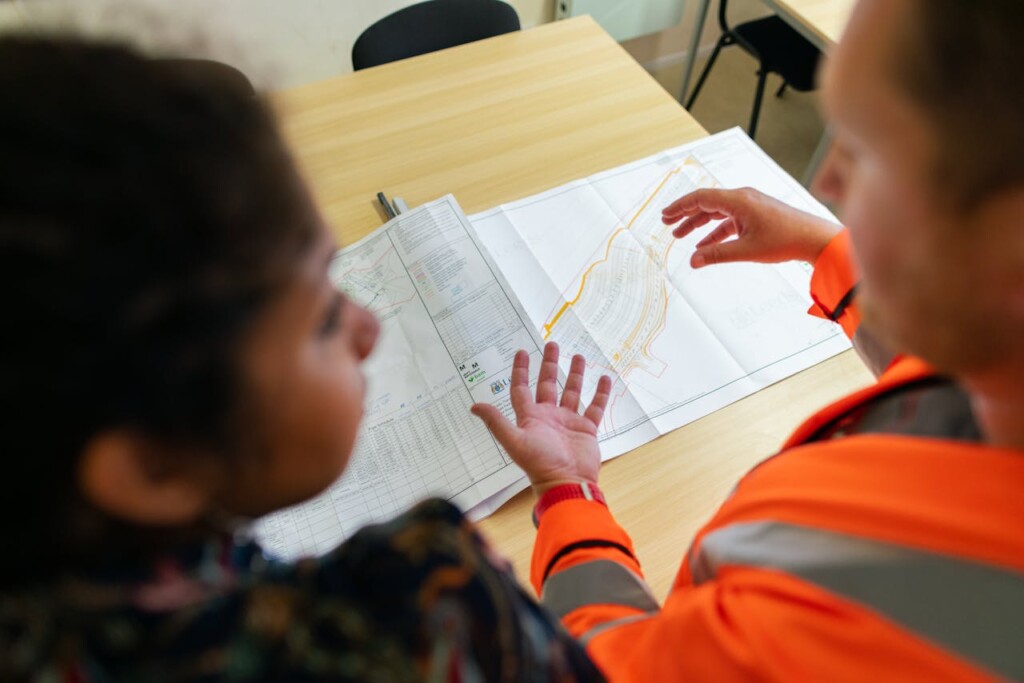
Clear communication, comprehensive documentation, and structured quality control form the backbone of finish protection in retail construction. We establish these systems before construction starts and maintain them throughout the build-out process.
Establish Clear Contract Parameters
Define specific roles for every stakeholder within the contract documents. Specify who inspects finishes, who approves material samples, and who authorizes changes. Include timeline expectations for each phase of work and establish consequences for delays.
Set measurable quality benchmarks for workmanship and materials. Document acceptable tolerances for paint coverage, tile alignment, and fixture installation. Establish standards for surface preparation, application techniques, and final inspection criteria.
Implement Regular Quality Inspections
Schedule systematic walkthroughs at predetermined construction milestones. Conduct inspections when substrate preparation is complete, during material installation, and before final acceptance. Address deviations immediately rather than waiting for project completion.
Document every inspection with photographs, measurements, and written observations. Record which areas meet standards and which require corrective action. Maintain inspection logs that include dates, personnel present, and specific findings.
Control Changes Through Structured Processes
Log every change request with a unique identifier and detailed description. Assess the cost impact, schedule implications, and effect on other trades before making decisions. Require written approval from authorized personnel before implementing any modifications.
Establish a change control hierarchy that routes minor adjustments through field supervision and major changes through project management. Create forms that capture the rationale for changes, cost adjustments, and schedule impacts. Store all change documentation in a centralized system accessible to stakeholders.
Maintain Comprehensive Documentation Systems
Document all communications through written channels that create audit trails. Follow up verbal discussions with email summaries that confirm agreements and decisions. Store approvals, inspection reports, and correspondence in organized project files.
Keep detailed records of material submittals, sample approvals, and installation sequences. Photograph work in progress and completed installations to demonstrate compliance with specifications. Maintain version control for all project documents and design changes.
Keep property managers informed throughout the process to prevent approval delays. Share inspection schedules, change requests, and milestone completions promptly. Provide regular status updates that highlight potential issues before they impact the schedule.
How Do Approvals And Scheduling Affect Branded Finishes And Opening Day?
Mall guidelines and landlord approvals form the backbone of retail construction timing. We review every requirement during preconstruction to identify potential delays before they impact your schedule. Each shopping center has specific rules for signage placement, storefront modifications, and construction hours that directly affect your branded finishes.
Securing landlord approvals early prevents last-minute design changes that can derail your opening timeline. Property managers need time to review your storefront glass specifications, branded signage plans, and interior finish selections against their guidelines. We coordinate these submissions well ahead of the construction start date to maintain schedule control.
Blackout Dates and Site Access
Blackout periods during peak shopping seasons can halt construction for weeks. We map these restrictions against your lease commencement dates to identify potential conflicts early. Holiday shopping periods, back-to-school seasons, and major promotional events typically limit construction access in retail centers.
Busy shopping centers often require off-hour work to minimize disruption to operating stores. We schedule noisy activities like core drilling and heavy equipment use during approved overnight windows. This approach protects your relationship with neighboring tenants while keeping your construction moving forward.
Coordinating Critical Path Elements
Storefront glass installation requires precise timing with other trades. We coordinate glazing contractors with electrical rough-in work and structural modifications to avoid delays. Custom glass fabrication can take 6-8 weeks, making early ordering essential for meeting opening deadlines.
Branded signage often involves multiple approval layers from mall management and local authorities. We submit signage plans early in the design phase and track permit status weekly, including related approvals such as driveway permits. Changes to signage specifications late in construction can push opening dates back significantly due to refabrication timelines.
Custom displays and fixtures need coordination with final finishes and lighting installation. We schedule these elements to arrive and be installed after flooring and painting are complete but before final inspections. This sequencing protects your investment in branded elements while maintaining construction momentum.
Final Inspections and Store Turnover
Punch lists with building inspectors and mall managers require detailed scheduling coordination. We complete all major construction elements before scheduling these final walkthroughs to avoid multiple reinspection fees. Each inspection failure can add days to your timeline and impact your opening date.
POS system installation needs dedicated time after construction dust settles but before staff training begins. We coordinate with your technology vendors to schedule equipment delivery and testing during the final construction phase. Networking infrastructure must be complete and tested before POS installation can proceed.
Merchandising and IT system setup require clean, finished spaces with stable power and climate control. We schedule these activities in the final two weeks before opening to ensure branded displays and technology systems function properly for day one operations. Staff training follows these installations to guarantee your team can operate all systems effectively from opening day.
Conclusion And Next Steps
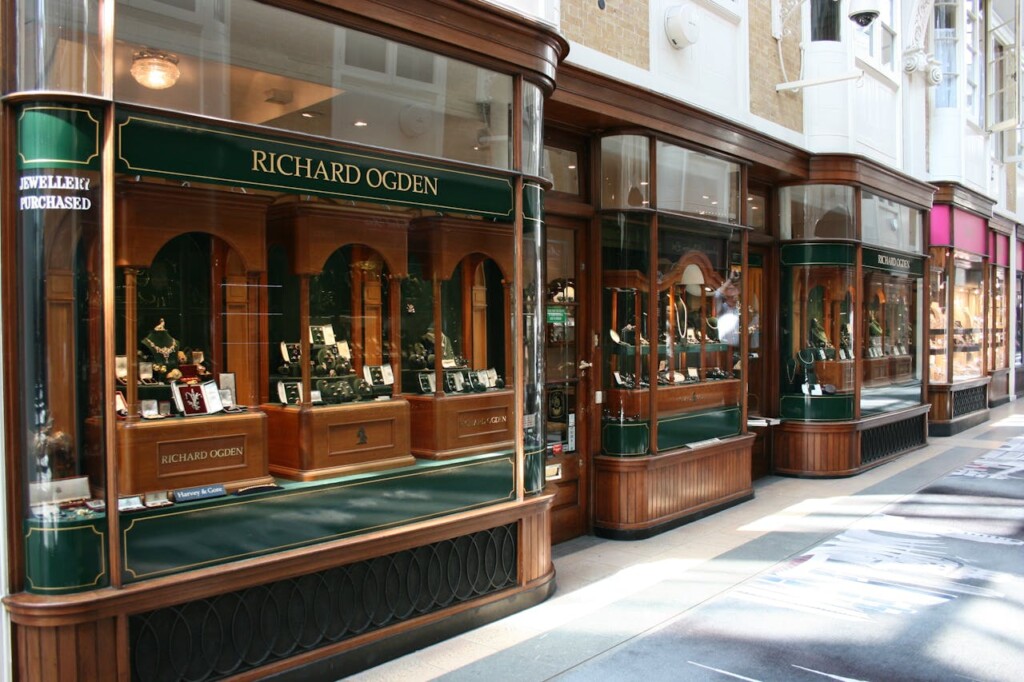
To ensure a contractor understands brand standards and finishes, lock in three essentials: clear standards, a retail-experienced team, and disciplined approvals and quality control. Clearly define brand materials and storefront elements from the outset. Vet the contractor’s retail portfolio and compliance capabilities. Secure mall and landlord sign-offs early. Manage changes with written approvals and a structured change-management process.
Use regular inspections and tight scheduling to protect your brand and your opening date. Document decisions, approvals, and site conditions meticulously to reduce disputes and maintain project momentum. Control schedule risks by mapping blackout periods and coordinating long-lead items, such as storefront glass and branded signage, well ahead of installation deadlines. These systematic practices in contractor vetting, quality control, and project management provide the foundation for successful store turnover on schedule and within brand specifications.
Contact EB3 Construction to coordinate your retail build-out with proven brand-standard compliance and quality-control processes.