
When bidding opens for your next commercial project, how do you know which contractors will prioritize worker safety over profit margins? Research shows that contractors with documented safety programs and tracking of leading indicators build stronger safety climates than those that rely solely on past injury rates.
You can compare bidders across three core areas: program-level safety practices, PPE policies with proper-fit requirements, and OSHA compliance signals. OSHA now requires properly fitting PPE for every construction worker, making equipment fit a critical comparison point alongside traditional toolbox talks, pre-task plans, and routine inspections.
What Program-Level Safety Elements Should You Verify?
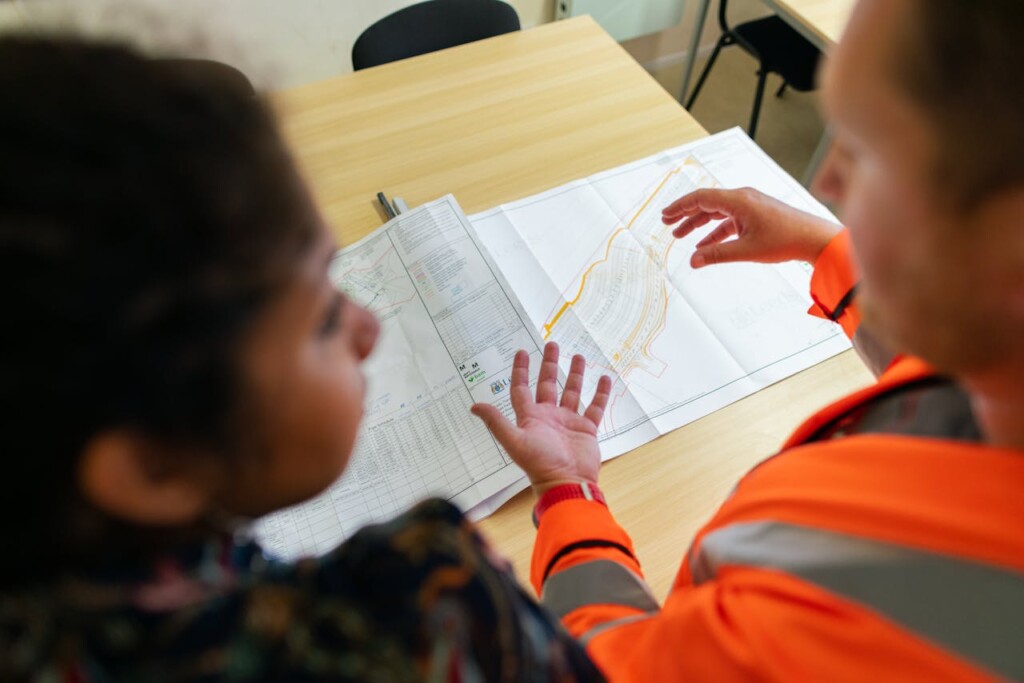
We evaluate contractors based on documented safety practices that drive meaningful project outcomes. Effective safety programs demonstrate management commitment through specific elements that create accountability and prevent incidents.
A written safety program forms the foundation of contractor evaluation. Confirm contractors maintain comprehensive, documented safety management systems with clear rules and procedures. Programs should outline hazard identification protocols, emergency response procedures, and specific safety objectives tied to project goals.
Regular safety meetings indicate consistent communication and engagement. Weekly toolbox talks are standard practice among exemplary contractors. These sessions should address site-specific hazards, review recent incidents, and reinforce safety procedures. Request meeting logs and attendance records for verification.
Pre-task planning demonstrates proactive hazard management. Daily pre-task plans identify potential risks before work begins and establish specific controls for each activity. Quality contractors integrate these plans into their workflow and require sign-offs from crew leaders.
Inspections provide ongoing hazard monitoring throughout all construction phases. Ask about routine equipment inspection checklists, daily safety walkarounds, and formal inspection schedules. Effective programs include both planned inspections and responsive assessments when conditions change.
Hazard assessment and controls reflect systematic risk management approaches. Expect continuous evaluation processes that identify emerging hazards and implement appropriate controls. Contractors should maintain clear reporting mechanisms that encourage workers to identify safety concerns without fear of retaliation.
Training and communication ensure consistent safety implementation across project teams. Tailored, ongoing training programs address site-specific hazards and equipment requirements. Leader-driven communication improves safety performance by establishing clear expectations and providing regular feedback on safety metrics.
OSHA recognition pathways signal commitment to excellence beyond basic compliance. Ask if contractors participate in OSHA Voluntary Protection Programs (site-based) or maintain OSHA Partnership agreements. These programs require rigorous safety management systems and demonstrate sustained safety performance.
Evidence indicates that contractors with comprehensive safety requirements typically implement 13 to 17 standard safety policies. These larger programs correlate with a stronger perceived safety climate on construction projects. Contractors with fewer policies may still deliver quality results, but require additional evaluation of their specific safety practices.
How Should You Assess PPE Policies And Proper-Fit Requirements?
OSHA amended 29 CFR 1926.95(c), effective January 13, 2025, to explicitly require PPE that properly fits each construction worker. This clarification strengthens enforcement and aligns construction standards with general industry requirements.
Inventory and sizing capabilities separate contractors who genuinely understand worker diversity from those applying one-size-fits-all approaches. We verify that contractors stock PPE in multiple sizes and styles to accommodate different body types, including smaller-framed workers and women who may struggle with equipment historically designed for generic male proportions. Contractors should maintain inventory ranging from extra-small through extra-large, with additional style variations when standard sizes prove inadequate.
Individual fit checks are the most critical assessment point under the new OSHA rule. We examine whether contractors assess fit for helmets, gloves, boots, high-visibility vests, and harnesses on a per-worker basis. Effective contractors conduct initial fit verification when issuing PPE and document the process. This goes beyond simply handing equipment to workers and expecting proper self-adjustment.
Comfort versus unsafe fit distinction requires contractor expertise in manufacturer guidance and hazard assessment principles. Discomfort alone doesn’t indicate improper fit, but contractors must recognize when sizing issues create safety gaps. We look for contractors who reference manufacturer instructions and can explain the difference between equipment that feels uncomfortable and equipment that fails to provide adequate protection.
Routine PPE inspections and replacement protocols demonstrate ongoing commitment beyond initial issuance. Leading contractors establish schedules for replacing damaged or ill-fitting PPE and reevaluate fit when workers experience physical changes, weight fluctuations, or role modifications. We verify that contractors have processes for removing compromised equipment from service and providing immediate replacements.
Training and documentation requirements under 29 CFR 1926.95(c) extend beyond basic donning and doffing instructions. Contractors should train workers on proper use, care procedures, and refit triggers while maintaining comprehensive documentation of training sessions, inspection records, and equipment replacements. This documentation becomes critical during OSHA inspections and incident investigations.
Gender-sensitive selection and worker feedback processes indicate contractors who understand diverse workforce needs. We assess whether contractors engage employees in PPE selection decisions and provide gender-appropriate options when standard equipment proves inadequate. Progressive contractors actively solicit worker feedback and adjust procurement based on real-world performance data.
Beyond fit requirements, we confirm standard site PPE policies common to exemplary programs. These include hard hats required at all times, mandatory safety glasses, appropriate footwear with toe protection, high-visibility clothing for traffic exposure areas, task-based double eye protection for grinding or welding operations, and 100% tie-off protocols where fall hazards exist at heights of six feet or more.
How Do You Evaluate A Contractor’s Safety ‘Flow-Down’ To Subcontractors?
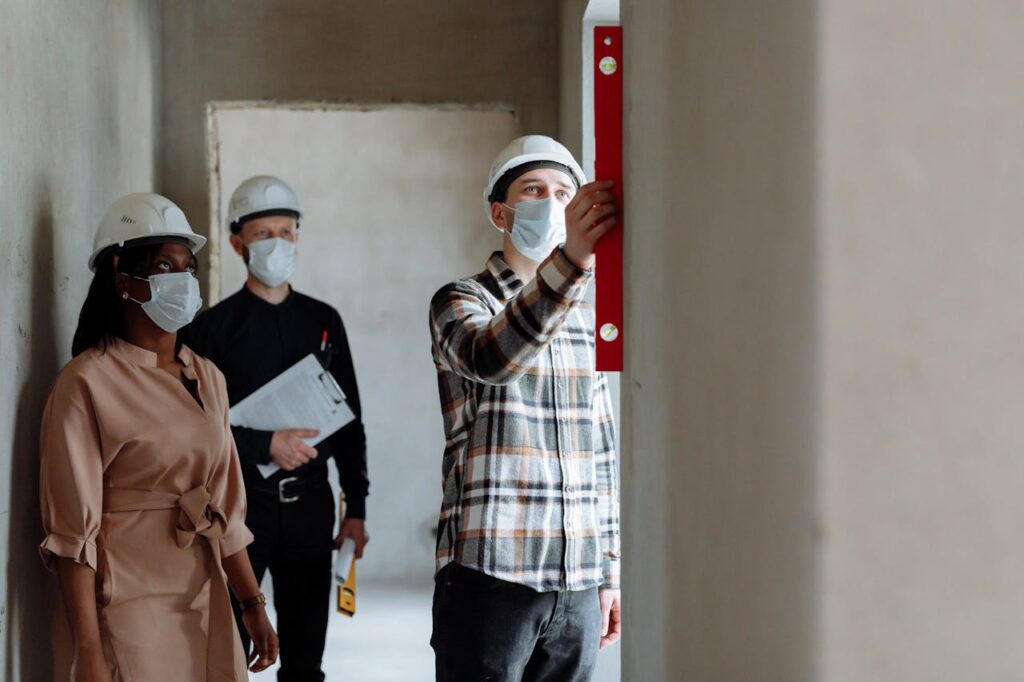
General contractors with exemplary safety programs demonstrate their commitment by ensuring safety requirements flow down to all subcontractors. We evaluate this flow-down approach through four key areas that reveal how seriously a contractor takes comprehensive project safety.
The most effective contractors establish clear contractual requirements for their subcontractors and provide ongoing support to maintain standards. Research indicates this approach creates a stronger safety climate across projects, benefiting all stakeholders.
Standard Requirements
Ask potential contractors for their complete list of safety policies required of subcontractors. The specific requirements reveal program depth and commitment to comprehensive safety management.
Essential policies include 100% tie-off at 6 feet for all trades, tie-off when using scissor lifts, weekly toolbox talks, written safety programs, daily pre-task plans, and equipment checklists. Additional requirements often include stretch-and-flex programs, Use Ladders Last policies, and requirements to keep materials off the ground.
We document each policy requirement during the bidding process. The number and specificity of requirements directly correlate with the contractor’s safety program maturity and their ability to influence subcontractor behavior.
Scope and Consistency
Larger safety programs typically require 13 to 17 standard policies from subcontractors. Smaller programs may include 8 to 12 requirements, though fewer policies can still be effective if consistently enforced.
Research shows contractors with more robust flow-down requirements achieve a higher perceived safety climate on projects. We verify that requirements apply consistently across all trades and project phases, not just high-risk activities.
The consistency of application matters as much as the scope. Contractors who selectively enforce requirements based on subcontractor relationships or project pressures create uneven safety standards that undermine the overall project safety climate.
Subcontractor Support
Strong contractors provide assistance to help smaller subcontractors meet documentation and PPE requirements. Small firms often need the most support in these areas, as they may lack dedicated safety personnel or resources.
We ask how contractors help subcontractors develop written safety programs, conduct toolbox talks, or implement pre-task planning. Support can include template documents, training sessions, or regular check-ins with safety personnel.
The level of support offered indicates whether the contractor views flow-down as a collaborative partnership or simply a contractual requirement. Contractors who invest in subcontractor safety education typically achieve better overall compliance and safety performance.
Enforcement and Verification
Effective flow-down requires active monitoring and verification systems. We confirm how contractors audit compliance on site through meeting attendance tracking, document reviews, and regular safety inspections.
Verification methods should include attendance records for toolbox talks, reviews of completed pre-task plans, inspections of equipment checklists, and observation of safety practices. The frequency and thoroughness of these checks indicate program effectiveness.
Contractors should demonstrate clear consequences for non-compliance, such as work stoppage or contract termination. However, the most effective programs emphasize correction and education over punishment, using enforcement as a tool to maintain standards rather than simply penalize violations.
What Scorecard Can You Use To Compare EB3 Construction And Other Bidders?
A structured scorecard provides objective criteria for comparing contractors on safety performance. We recommend a weighted scoring system that prioritizes documented practices and leading indicators over past injury statistics. This approach supports fair comparisons across contractors of different sizes and experience levels.
The scorecard divides the safety assessment into five equal categories, each worth 20 points for a total of 100 possible points. Each category targets specific aspects of safety program development and implementation.
| Category | Description |
|---|---|
| Safety Management System Assessment | Evaluates the foundation of a contractor’s safety approach, including written safety programs, site-specific hazard protocols, and leadership communication cadence. |
| Meetings and Planning Components | Assesses the regularity and effectiveness of safety meetings, pre-task planning, safety walkarounds, and inspections. |
| PPE Program and Fit Compliance | Ensures contractors comply with PPE fit requirements under OSHA 29 CFR 1926.95(c), including inventory breadth and individual fit checks. |
| Subcontractor Flow-Down Evaluation | Evaluates how general contractors apply safety requirements to subcontractors and provide necessary support for compliance. |
| OSHA Recognition and Continuous Improvement | Measures involvement in OSHA programs and the implementation of continuous improvement processes. |
This balanced weighting ensures a comprehensive evaluation across all critical safety dimensions.
Safety Management System Assessment
This category evaluates the foundation of each contractor’s safety approach. Look for written safety programs that address site-specific hazards and establish clear protocols for hazard identification and control. Leadership communication cadence measures how frequently supervisors conduct safety discussions and reinforce safety priorities with crews.
We examine whether site-specific procedures exist for common construction hazards such as fall protection, electrical safety, and excavation work. Documentation should demonstrate regular updates and revisions based on project conditions and regulatory changes. Strong programs include measurable safety objectives and regular progress reviews.
Meetings and Planning Components
Regular safety meetings and pre-task planning create consistent safety awareness throughout project execution. Weekly toolbox talks should address current hazards, weather conditions, and task-specific risks. Daily pre-task plans help crews identify and mitigate hazards before work begins.
Safety walkarounds and inspections by competent persons demonstrate active hazard identification and correction. We look for documented inspection schedules, corrective action tracking, and follow-up verification that hazards have been addressed. Effective programs include worker participation in hazard identification and safety planning processes.
PPE Program and Fit Compliance
Under the updated 29 CFR 1926.95(c) requirements, contractors must ensure proper PPE fit for each worker. An inventory that spans sizes and styles accommodates diverse body types and work requirements. Individual fit checks for helmets, gloves, boots, high-visibility clothing, and fall protection harnesses are mandatory.
Training programs should cover proper use, care, inspection, and replacement triggers for all PPE types. Documentation requirements include training records, fit assessments, inspection logs, and replacement schedules. We verify that contractors can distinguish between discomfort and an unsafe fit using manufacturer guidance and worker feedback.
Subcontractor Flow-Down Evaluation
General contractors influence overall project safety through subcontractor requirements and support. The number and clarity of required safety policies indicate program comprehensiveness. Strong programs typically require 13–17 specific policies covering tie-off rules, scissor-lift tie-off, ladders-last practices, and materials storage off the ground.
Verification methods demonstrate how general contractors monitor subcontractor compliance. We examine audit procedures, meeting attendance tracking, and document review processes. Support for smaller subcontractors includes training assistance, documentation templates, and PPE guidance to help them meet program requirements.
OSHA Recognition and Continuous Improvement
Participation in OSHA Partnerships or Voluntary Protection Programs signals commitment to safety excellence beyond minimum compliance. These programs require demonstrated safety leadership, comprehensive hazard identification, and measurable safety improvements. VPP recognition indicates rigorous safety management systems and worker participation.
Leading indicators offer a better measure of safety performance than lagging indicators such as injury rates. We evaluate whether contractors track safety meeting attendance, inspection completion rates, near-miss reporting, and corrective action closure times. Continuous improvement processes should include regular program reviews, performance analysis, and corrective action implementation.
Apply identical evaluation criteria to EB3 Construction and all competing bidders. Request written evidence for each scorecard element before assigning points. This approach eliminates bias and creates transparent contractor comparisons based on documented safety performance rather than reputation or past relationships.
Conclusion and Next Steps
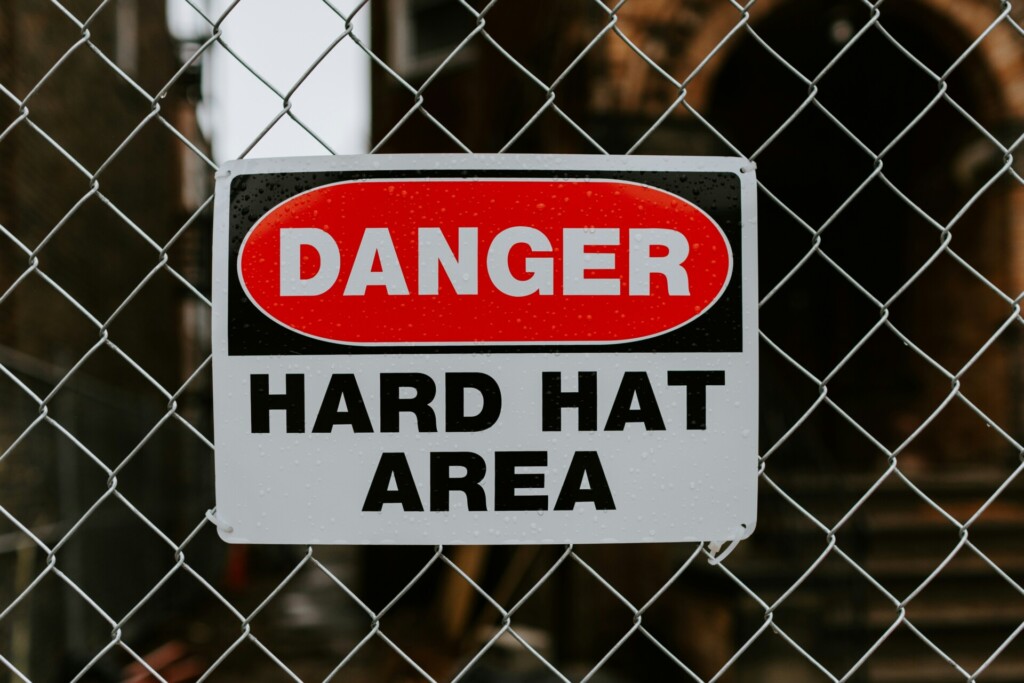
Safe contractor selection starts with verification, not assumptions. We evaluate bidders by confirming that program elements exist on paper and function in practice. This includes checking PPE fit for compliance with the updated 29 CFR 1926.95 requirements and assessing how thoroughly safety requirements flow down to subcontractors.
Leading indicators offer more reliable insight than injury rates alone when comparing contractors. Documented practices such as daily pre-task plans, weekly toolbox talks, and routine safety inspections demonstrate an operational commitment to a strong safety climate. Together, these elements form the foundation of an OSHA-aligned evaluation that protects both projects and people.
Property owners and developers should request comprehensive documentation from all bidders, including written safety programs, meeting logs, pre-task planning records, inspection checklists, PPE fit documentation, and subcontractor requirement matrices. Apply a weighted scorecard consistently across all candidates, including EB3 Construction, to ensure a fair comparison based on measurable safety performance indicators rather than promises or past reputation. This systematic approach supports informed, safety-first contractor selection that reduces project risk and leads to successful construction outcomes.
Contact EB3 Construction to discuss your project safety requirements.