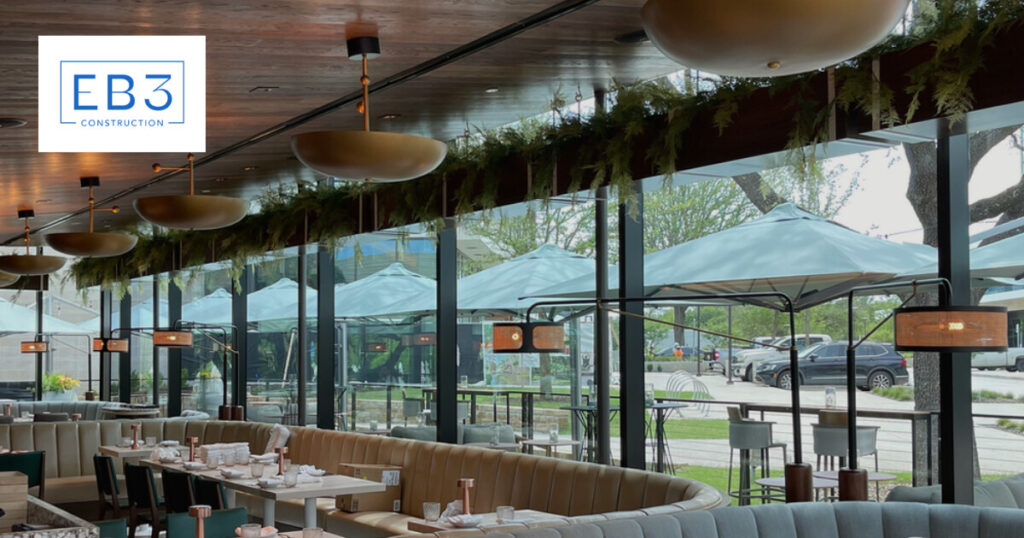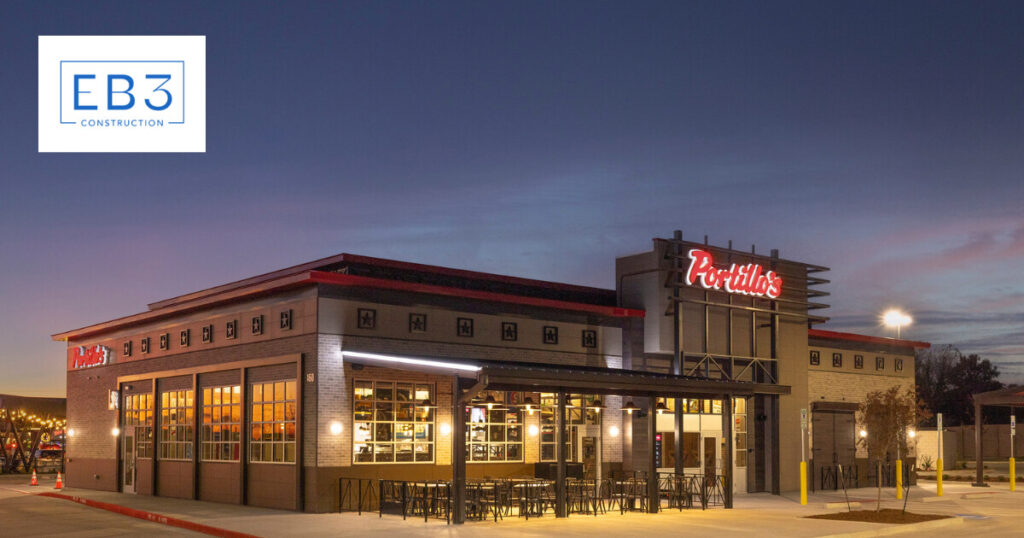
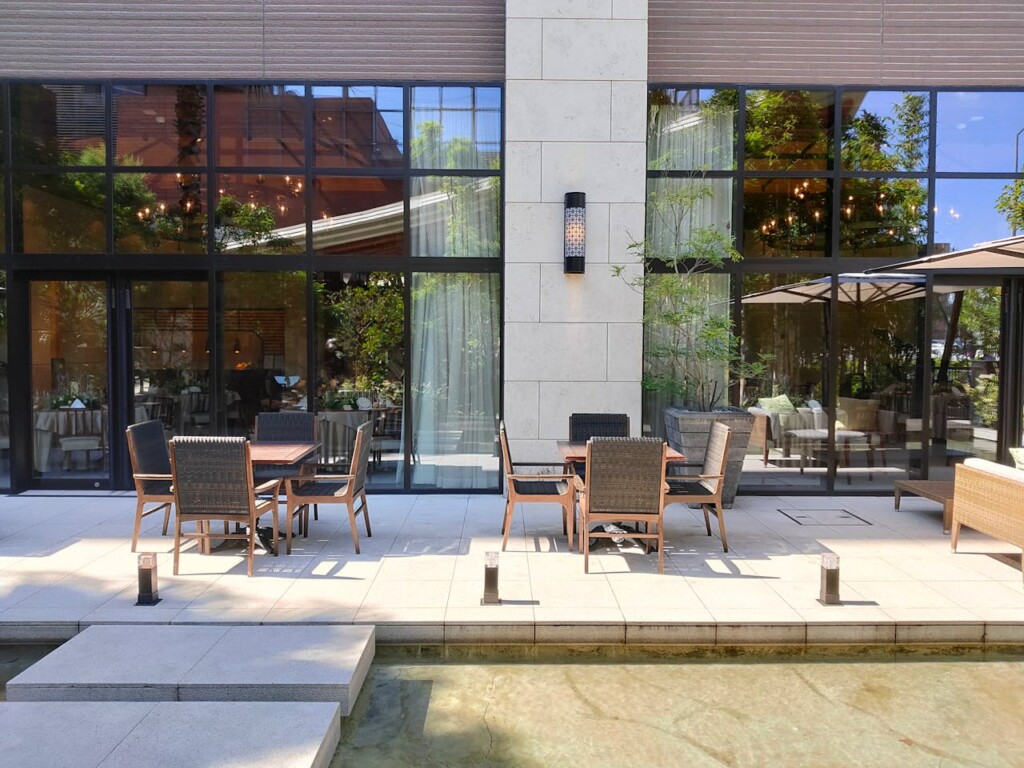
Successful outdoor dining spaces require more than tables and chairs. We coordinate permits and site conditions and ensure compliance with relevant building codes and regulations to create restaurant patios that open on schedule and operate safely from day one.
An experienced contractor for building code-compliant exterior patios and sidewalk seating for restaurants addresses safety, accessibility, and regulatory requirements while managing construction logistics. We handle site inspections, permit coordination, inspection scheduling, and material selection to deliver functional outdoor dining areas that meet all applicable standards.
Which Codes, Permits, And Licenses Govern Exterior Patios And Sidewalk Seating?
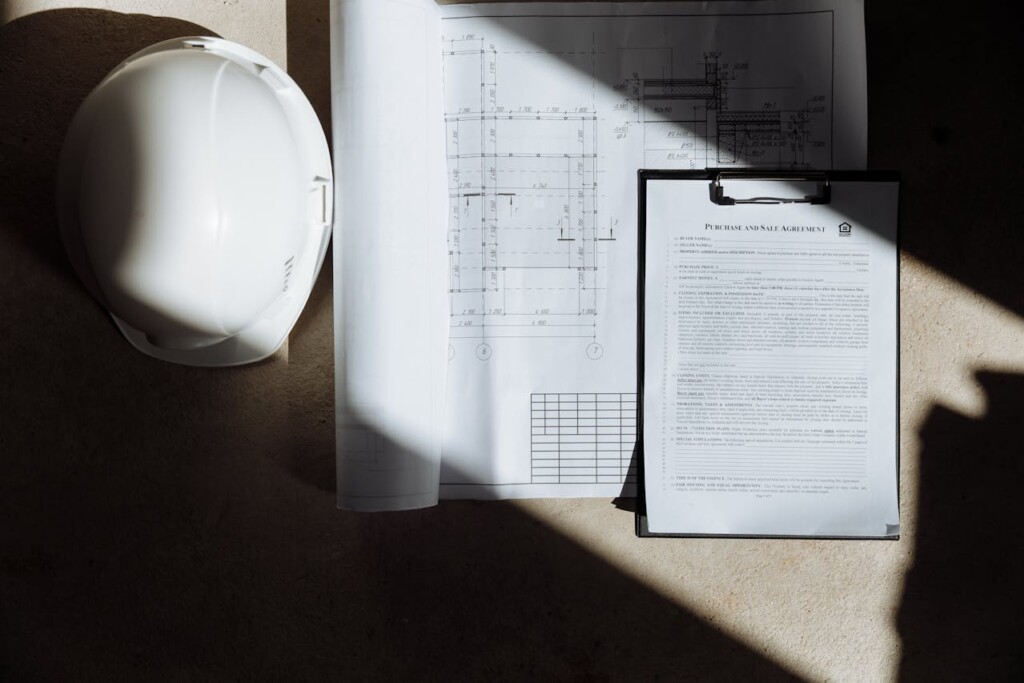
Compliance spans national, state, county, and local rules. We plan ahead to avoid costly retrofits and delays.
Building and Fire Safety Codes
Restaurant projects operate under applicable building and fire safety codes. OSHA standards typically apply to workplace safety during construction and operations, and our overview of heat stress OSHA compliance for Texas crews offers additional context. NFPA fire protection measures are often required when adding outdoor cooking equipment or heating systems to extend seasonal use.
Fire safety permits often require detailed plans for any outdoor cooking stations, propane storage, or electrical heating systems. We coordinate these requirements during design to ensure all fire protection systems meet local standards and avoid expensive modifications later.
Zoning and Local Ordinances
Local zoning codes determine whether outdoor dining is permitted at specific locations. Some areas require special permissions or variances before any construction begins. We verify zoning compliance early in the planning process to identify any restrictions or additional approval requirements, and our Texas zoning and land use overview helps frame local considerations.
Municipal ordinances often set specific guidelines for setup areas, clear path requirements, and operating boundaries. These regulations can vary significantly between neighborhoods within the same city, making local research essential for each project.
ADA Accessibility Requirements
Federal ADA requirements mandate accessible seating, clear pathways, and other accessible features throughout outdoor dining areas. We design layouts that provide accessible routes from public sidewalks to seating areas and ensure appropriate table heights and spacing.
Clear path widths must accommodate wheelchairs and mobility devices while maintaining required pedestrian circulation space. These accessibility standards apply to both permanent and seasonal outdoor dining installations.
Health and Operational Licensing
Food service establishments require proper licenses for outdoor food handling and service. Waste disposal permits ensure compliance with local sanitation requirements, particularly for areas handling food waste and grease.
Many jurisdictions require separate permits for outdoor alcohol service, often as extensions of existing liquor licenses. We coordinate these licensing requirements alongside construction permitting to streamline the approval process.
How Should Contractors Plan and Design a Safe, Accessible Outdoor Dining Layout?
The foundation for any successful outdoor dining project starts with comprehensive site due diligence. We begin by testing soil compaction to understand load-bearing capacity and identify potential settlement issues that could affect patio stability over time, and we review foundation considerations as part of this assessment. Slope evaluation reveals drainage patterns and helps us determine proper grading requirements. We verify utility capacity and locations early in the planning phase to avoid costly conflicts during construction, referencing utility safety guidance and broader site development considerations.
Our approach integrates design elements with practical construction considerations from the outset. We develop a comprehensive plan that connects material specifications, budget constraints, project milestones, and required inspection schedules. This coordination prevents delays and ensures each phase supports the overall project goals while maintaining compliance with local building requirements.
Essential Layout Planning for Safety and Function
Level, even surfaces are essential for safe outdoor dining areas. Uneven pavement creates trip hazards for customers and causes furniture to wobble, disrupting the dining experience. We specify proper site preparation and base preparation, along with surface materials that maintain stability under varying weather conditions and foot-traffic loads.
ADA-accessible pathways require careful attention to width, slope, and surface textures. We design clear routes from parking areas to seating zones, ensuring wheelchair users can navigate comfortably without obstacles. Accessible seating areas must be dispersed throughout the dining space rather than concentrated in a single location, as ADA guidelines specify.
Strategic table spacing supports both customer comfort and operational efficiency. We allow sufficient clearance for patrons to move between tables while seated, typically maintaining at least 36 inches between occupied chairs. Staff circulation paths require additional consideration, with wider aisles near high-traffic areas like service stations and emergency exits.
Safety Infrastructure and Emergency Planning
Street-side seating installations require protective barriers or edge treatments to separate dining areas from vehicle traffic. These barriers must meet local transportation department requirements while allowing emergency vehicle access when necessary. We coordinate with municipal authorities to ensure barrier designs comply with visibility and safety standards.
Egress planning is critical for enclosed outdoor spaces, particularly rooftop installations or areas with limited exit options. We develop evacuation routes that account for the maximum occupancy load and ensure emergency responders can access the space efficiently. Fire department consultation often provides valuable input during this planning phase.
Lighting design considers both safety and ambiance. We coordinate electrical capacity for adequate illumination levels while planning decorative elements that enhance the dining atmosphere. Power infrastructure must support lighting loads and any additional equipment like heaters or sound systems without overloading existing electrical systems.
Maintenance and Operational Considerations
Pest prevention strategies influence both material selection and layout design. We recommend easy-to-clean surface finishes that resist staining and bacterial growth, which reduces maintenance needs and the risk of health code violations. Proper drainage prevents standing water that attracts insects and creates unsanitary conditions.
Utility coordination extends beyond initial installation to include ongoing maintenance access. We ensure service panels, gas shutoffs, and electrical connections remain accessible for routine inspections and emergency repairs. Strategic placement of these elements minimizes disruption to dining operations during maintenance activities.
The integration of these planning elements creates outdoor dining spaces that operate safely and efficiently while meeting regulatory requirements. Proper site preparation and thoughtful layout design establish a strong foundation for successful restaurant operations that comply with accessibility standards and local building codes.
What Materials, Coverings, And Furnishings Support Durability And Year-Round Use?
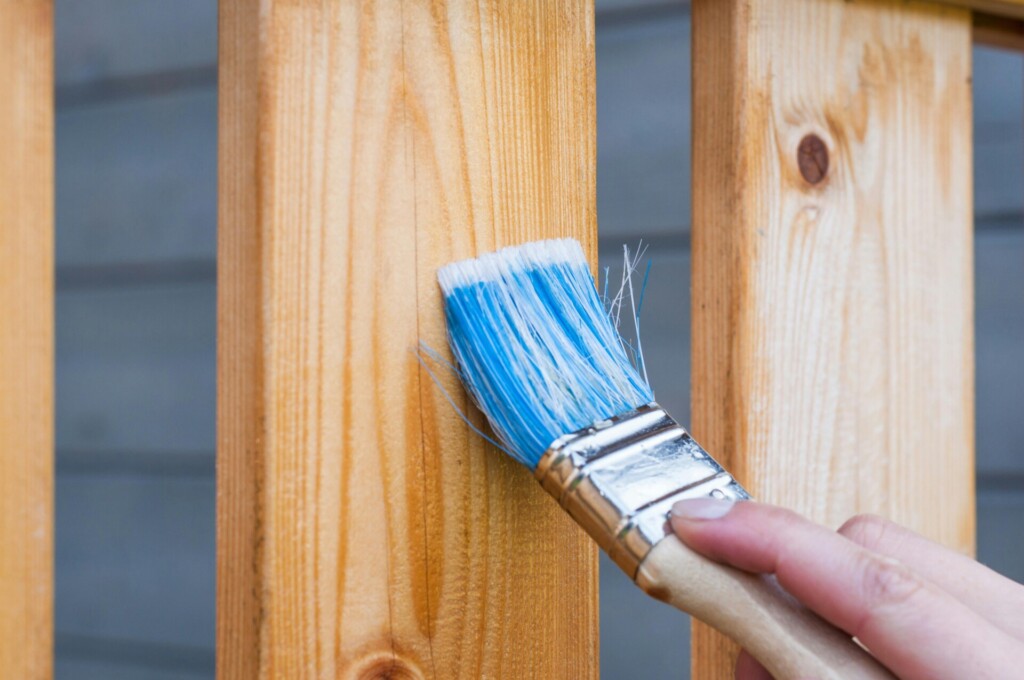
Restaurant outdoor dining areas face constant exposure to weather, frequent use, and rigorous health inspections. We select materials that withstand these demands while maintaining an attractive appearance and complying with applicable codes. The right combinations create spaces that operate efficiently year-round without compromising safety or guest comfort.
Outdoor Furnishings for Commercial Use
Commercial-grade outdoor furniture differs significantly from residential options. Aluminum frames provide exceptional durability and rust resistance, making them ideal for high-turnover environments where furniture gets moved frequently. Powder-coated finishes resist scratches and fading better than painted surfaces.
For lighter-weight needs, high-density polyethylene (HDPE) or poly lumber furniture offers weather resistance without the maintenance requirements of wood. These materials clean easily and resist staining, which is essential during health inspections. Wood furnishings create warmth and aesthetic appeal but require regular sealing and maintenance to prevent warping or deterioration.
We mix table sizes strategically to accommodate different party configurations. Two-tops work for couples, while larger tables serve groups. Modular seating arrangements allow staff to reconfigure spaces quickly based on demand. All selections must meet fire-safety codes and provide adequate accessibility under Americans with Disabilities Act (ADA) requirements.
Advanced Shade and Shelter Systems
Basic umbrellas serve temporary shade needs, but advanced systems extend operating seasons significantly. Motorized louvered pergolas with integrated gutters provide precise climate control. Adjustable louvers regulate sunlight and airflow, while built-in drainage effectively handles rain runoff.
For year-round operation, insulated roof covers create comfortable microclimates. These systems often include integrated screens and sensors that automatically adjust based on wind speed, temperature, and precipitation. LED lighting built into the structure eliminates the need for separate electrical installations while providing ambiance after sunset.
In hurricane-prone areas, we specify assemblies with High Velocity Hurricane Zone (HVHZ) approval. These engineered systems withstand extreme wind loads and meet local building codes for storm-resistant construction. Retractable elements can be secured quickly when severe weather threatens, protecting both equipment and guests.
Climate-Specific Comfort Solutions
Hot climates require comprehensive sun protection beyond basic shade structures. We incorporate misting systems, outdoor ceiling fans, and strategic placement of shade elements to maintain comfortable dining temperatures. UV-blocking fabrics reduce solar heat gain while maintaining visibility and airflow.
Cold-weather extensions use outdoor heaters integrated into pergola systems or mounted strategically around seating areas. Infrared heaters provide direct warmth without heating large volumes of air, making them energy efficient for restaurant operations. Wind screens and protective barriers help retain heat while maintaining the open-air dining experience.
Easy-to-clean, stain-resistant finishes across materials simplify maintenance and support health-code compliance. Non-porous surfaces prevent bacterial growth and allow for frequent sanitization. We avoid materials that trap moisture or provide hiding places for pests, addressing health-department concerns proactively during the design phase.
How Can Contractors Manage Timelines, Inspections, And Enforcement Risk?
Restaurant construction schedules demand realistic planning that accounts for multiple variables beyond basic construction work. We typically see projects run for two to six months, though this window shifts based on service model complexity, permit requirements, existing site conditions, and current labor availability. The key lies in establishing a schedule with built-in checkpoints for design approvals and required inspections instead of assuming everything will proceed smoothly.
Material procurement timelines often drive the critical path, particularly for commercial kitchen equipment and specialized outdoor furnishings. We coordinate these orders early in the process to prevent delays during installation. Weather-sensitive work requires seasonal planning, especially for exterior patio construction which depends on concrete curing and finishing work.
Structured Permit Workflow
We approach the permit process through a systematic workflow that prevents common bottlenecks. The planning phase defines scope boundaries, establishes budget parameters, and identifies all required documentation before any applications begin. This upfront work prevents costly revisions and resubmissions that typically add weeks to approval timelines.
During the application phase, we submit complete drawing sets and required forms while ensuring all fees are processed correctly. Incomplete applications often sit in review queues for weeks, so thoroughness at this stage accelerates the overall timeline. We maintain direct communication with reviewing agencies to track progress and respond quickly to any requests for additional information.
The review and issuance phase requires active management rather than passive waiting. We address examiner comments promptly and coordinate any required revisions with design teams. Once permits are secured, we immediately schedule required inspections to align with construction milestones. This proactive approach prevents delays caused by inspector availability conflicts.
On-Site Inspection Coordination
Inspection scheduling follows local jurisdiction requirements, but we enhance the process through detailed recordkeeping and preparation protocols. Each inspection includes advance preparation such as system testing, documentation gathering, and site condition verification. We maintain comprehensive records of all inspections, approvals, and any corrective actions required.
Failed inspections create significant schedule risks, so we conduct internal pre-inspections to identify potential issues before official reviews. This practice has proven essential for complex systems like fire suppression, commercial ventilation, and ADA accessibility features. We also coordinate closely with trade contractors to ensure their work meets inspection standards before scheduling official reviews.
Operational Compliance and Risk Management
Post-construction compliance represents an ongoing responsibility that begins during the planning phase. NYC sidewalk cafes provide a clear example of operational requirements that contractors must understand and communicate to owners. These establishments must maintain cleanliness and good order, secure all furnishings after operating hours, and avoid blocking utility access points.
Noise control represents a critical compliance area, with most locations prohibiting amplified sound without specific Street Activity Permits. Operators cannot permit smoking or e-cigarettes in outdoor dining areas and must serve patrons only from within the licensed cafe premises. The outdoor dining license must remain on-site and accessible during all operating hours.
Operating hour restrictions typically limit sidewalk cafe service from 8 a.m. to midnight on most days, though specific locations may have different requirements. Repeated violations of these operating standards can trigger corrective action requests, financial penalties, or license suspension. We ensure owners understand these requirements and have systems in place for ongoing compliance before opening day arrives.
Conclusion And Next Steps
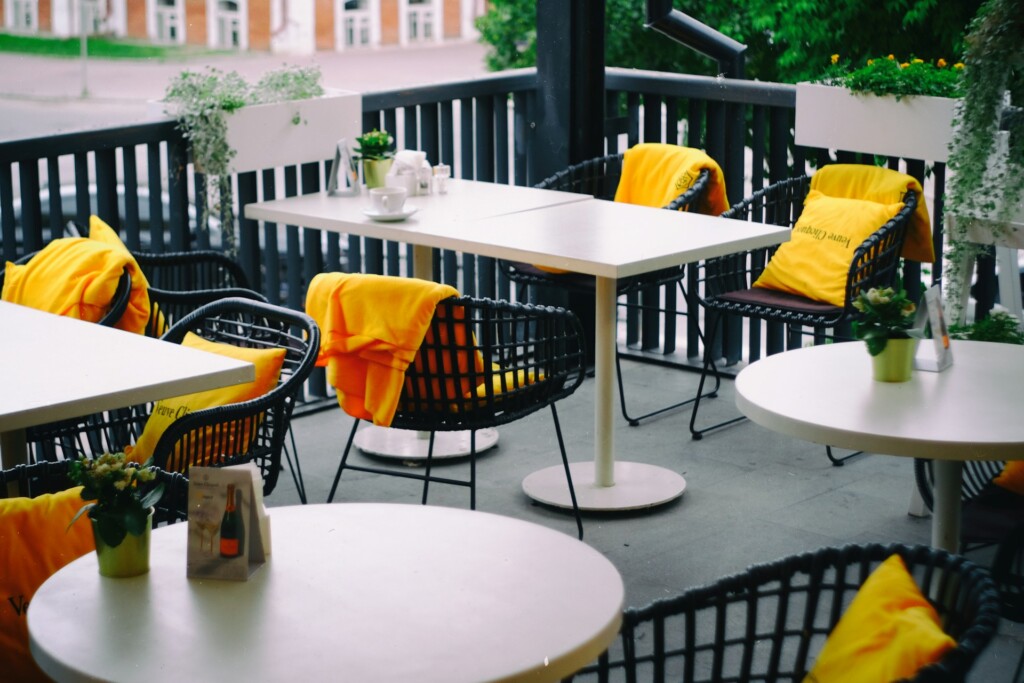
Code-compliant patios and sidewalk seating require early code research, thorough site inspections, accessible layouts, and durable materials. Success depends on aligning the design with local permits and operating rules while coordinating a clear permitting path that includes scheduled inspections and documented compliance. Together, these elements create the foundation for outdoor dining areas that meet ADA access requirements, secure zoning approvals, and support long-term operations.
Ready to build code-compliant outdoor dining spaces? Contact EB3 Construction to discuss your project requirements.