Retail build-out costs in Dallas for a small boutique or shop typically run between $150 and $185 per square foot. Across the DFW market, budgets can range from roughly $50 to $200+ per square foot, depending on scope, existing space conditions, and finish requirements. Typical build-out timelines run from several weeks to a few months.
Several variables shape both the budget and schedule, including the space’s delivery condition, MEP (mechanical, electrical, and plumbing) upgrades, desired level of finish, and permitting requirements.
These figures reflect general market data as of early 2026 and are not a formal quote from EB3 Construction. Actual costs vary by project scope, building age, labor rates, and material pricing.
What Per-Square-Foot Costs Should A Small Boutique Expect In Dallas?

The Core Cost Range For Dallas Retail Build-Outs
Dallas retail build-outs for established spaces with moderate finishes and standard MEP (mechanical, electrical, and plumbing) upgrades typically land between $150 and $185 per square foot. Across the broader DFW market, that range stretches from roughly $50 to $200+ per square foot, reflecting the wide gap between a basic cosmetic refresh and a full mechanical build-out from raw shell conditions.
These figures represent general market data as of early 2026 and are not a formal quote. Actual costs vary based on building age, labor availability, material pricing, and the specific scope of work involved in each project.
How Space Delivery Condition Shapes The Budget
The delivery condition of a space is one of the most consequential cost variables we evaluate before a project begins. Shell spaces arrive as raw concrete floors with exposed mechanical, electrical, and plumbing systems, requiring complete build-out work, including ceiling systems, partition walls, flooring, and full MEP connections. White box spaces, by contrast, include basic ceiling grids, standard flooring, painted walls, and connected utilities, reducing the scope of work considerably.
We consistently see shell-condition costs exceed white box deliveries by $50 to $80 per square foot. That gap reflects the labor and materials required to bring a raw space up to functional retail standards. For a 1,500-square-foot boutique, that difference can represent $75,000 to $120,000 in additional construction costs, making delivery condition a critical factor to confirm before lease negotiations are finalized.
Finish Level and Its Effect on Per-Square-Foot Costs
Mid-range retail installations typically run $65 to $80 per square foot, covering standard commercial flooring, basic millwork, adequate lighting, and functional fixtures. These specifications suit general merchandise retailers and clothing boutiques well, providing a clean, professional environment without premium material costs.
Upgrading to custom millwork, specialty lighting systems, or luxury flooring materials adds $20 to $40 per square foot above those standard retail specifications. High-end millwork requires skilled craftspeople, premium materials, and extended installation timelines. Custom storefronts and architectural lighting involve complex electrical coordination that goes well beyond standard fixture work. These upgrades can meaningfully differentiate a retail environment, but they need to be budgeted explicitly from the start rather than added mid-project.
The Three Largest Budget Categories
Mechanical, electrical, and plumbing systems represent the largest controllable cost driver in most retail build-outs, averaging approximately 19% of total project budgets. MEP work often totals about $27.99 per square foot, driven by HVAC modifications, electrical upgrades for modern lighting and technology loads, and plumbing adjustments for updated fixtures. Older retail spaces often require complete system replacements rather than simple modifications, which is why we evaluate existing MEP conditions early in every project.
Carpentry, doors, storefronts, and windows account for roughly 17% of budgets, covering framing, millwork, storefront elements, and interior partitions. General conditions follow at approximately 16%, encompassing project management, safety protocols, and site coordination throughout the build. Together, these three categories consume more than half of a typical retail construction budget, and understanding their individual weight helps owners build more accurate financial projections from the outset.
Tenant Improvement Allowances and the Out-of-Pocket Gap
Class A Dallas retail spaces typically offer tenant improvement (TI) allowances of $30 to $50 per square foot, a range we see consistently across premium locations in Uptown, Victory Park, and established shopping centers throughout the DFW market. These allowances offset a portion of build-out costs, but the math reveals a persistent gap that tenants must fund independently.
On a project running $175 per square foot with a $40 per square foot TI allowance, the tenant covers approximately $135 per square foot out of pocket, or about 77% of total project costs. For a 1,500-square-foot boutique, that translates to roughly $202,500 in tenant-funded construction expenses beyond the landlord contribution. Property owners and developers evaluating retail lease opportunities need to account for this gap explicitly when modeling project feasibility, rather than treating the TI allowance as a near-complete offset.
How Long Do Small Boutique Renovations Take In Dallas, And What Phasing Works?
For a small boutique in Dallas, the retail renovation timeline typically runs several weeks to a few months, from the start of construction through final inspections. A straightforward cosmetic refresh on a white box space can wrap up in four to eight weeks. A more involved build-out with MEP work, custom millwork, and layout changes commonly extends to ten to twelve weeks.
White box deliveries move faster because the basic infrastructure is already in place. Shell spaces, by contrast, require full mechanical connections, ceiling systems, and partitions before finish work can begin, adding meaningful time to the schedule regardless of crew size.
Zone-Based Phasing for Occupied Retail
When a boutique needs to stay open during construction, we organize the work into distinct zones rather than tackling the entire floor plate at once. Back-of-house areas, storage rooms, and secondary display sections go first since they have the least customer impact. High-traffic zones like the entrance and checkout counter are addressed last, once earlier phases are complete and operational.
This sequencing keeps customer flow intact throughout the project. Shoppers can still browse and purchase items while crews work in contained sections behind temporary barriers. The approach requires careful planning of utility tie-ins and material staging so that active zones are never compromised by adjacent construction activity.
Temporary Barriers and Off-Hours Work
Engineered temporary construction walls do more than separate work zones from retail floor space. They contain dust, attenuate construction noise, and present a clean, professional appearance that keeps the shopping environment intact. We position these barriers to preserve natural pedestrian paths and install clear directional signage so customers move through the space without confusion.
Noisy or particularly dusty tasks, such as concrete grinding, demolition, and core drilling, are scheduled during off-hours windows to protect the customer experience during business hours. Deliveries are coordinated to avoid peak shopping periods, and daily site cleanup is completed before the store opens each morning. This discipline allows an occupied retail renovation to proceed on schedule without forcing a full closure.
Which Permits, Codes, And Hidden Costs Can Affect A Boutique’s Schedule And Budget?
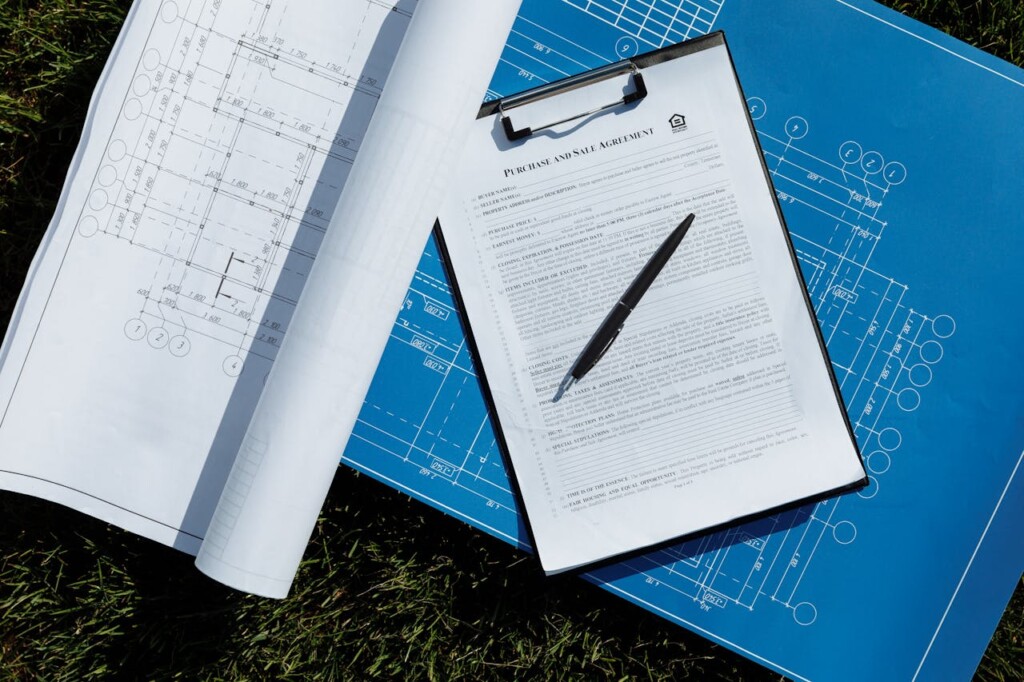
Permitting for a Dallas retail build-out involves more moving parts than many owners anticipate. The Dallas Building Inspection Division requires a complete permit application package for commercial finish-out and renovation work, including architectural plans, structural details, and compliance affidavits. As of May 2024, all commercial applications must be submitted through the city’s online portal, DallasNow.
Plan reviews cover structural, mechanical, electrical, and plumbing systems. Commercial remodel reviews currently take about 12 business days for the first round, while new commercial construction can exceed 20 business days. Occupancy changes, such as converting a general retail space into a food or beverage concept, trigger additional scrutiny and can extend approval timelines by several weeks.
Fire Marshal Review And Occupancy Considerations
Fire marshal oversight becomes a factor when a project involves a larger scope or a change in occupancy classification. This review layer adds time to the approval process and may require modifications to egress layouts, fire suppression systems, or exit signage. We account for this in our scheduling from the start rather than treating it as a late-stage variable.
For first-time tenant finish-outs, the Dallas Building Inspection Division also requires a Green Building Program Plan Review Compliance Affidavit from a registered third-party provider, along with an Energy Code Compliance Path form. These documents are straightforward but must be in order before a permit can be issued.
Texas Accessibility Standards And ADA Compliance
Texas Accessibility Standards (TAS) apply to all commercial renovation projects and are enforced by the Texas Department of Licensing and Regulation (TDLR). Plans and specifications must be submitted to TDLR by a Registered Accessibility Specialist before a building permit can be issued. This is a separate process from the city permit review and adds a coordination step that owners of older buildings often underestimate.
In practice, TAS and ADA requirements frequently trigger physical modifications that weren’t part of the original scope. Door widths, restroom configurations, and entrance ramp conditions are the most common issues, particularly in spaces built before current accessibility standards were adopted. We identify these conditions during preconstruction review so they can be priced and scheduled before work begins rather than discovered mid-project.
Hidden Costs That Surface After Demolition
Utility infrastructure is the most consistent source of unplanned costs in older Dallas retail spaces. Electrical panels, HVAC systems, and plumbing lines that were adequate for a previous tenant often fall short of current retail demands. Point-of-sale technology, modern lighting loads, and updated HVAC comfort standards can all require service upgrades that weren’t visible until demolition exposed the existing conditions.
Exterior compliance items add another layer of cost that frequently go unbudgeted. Local ordinances may require exterior signage updates when a new tenant takes occupancy, and aging parking lot lighting often needs full replacement to meet current safety standards. These line items tend to surface in the final phases of a project, which is why we account for them during initial scope development rather than leaving them as contingency items.
Concrete-related conditions represent a third category of hidden costs specific to older Dallas properties. Foundation settlement, deteriorated floor slabs, and surfaces that require extensive preparation before new finishes can be applied are common findings in buildings that predate current construction standards. Foundation repair, floor replacement or resurfacing, and surface preparation work can add meaningful cost and time to a project if they are not identified and priced before construction begins.
How Can Small Shops Control Costs And Reduce Delays In Dallas?
Design decisions made late in a project cost significantly more than those made early. Mid-project changes can drive total build-out costs up by 15–25 percent, primarily because rework disrupts trade sequences, generates change orders, and extends permit reviews. We encourage clients to lock scope and finishes before construction documents are submitted, since every revision after that point comes with a compounding price tag.
Contingency planning follows the same logic. For standard retail renovations, we recommend holding 10–15 percent of hard costs in reserve. Shell-condition spaces or projects with significant MEP upgrades warrant the higher end of that range, closer to 20 percent. That buffer absorbs the kind of field conditions and hidden costs outlined earlier, without forcing scope cuts mid-build.
Using a Three-Bid Strategy to Close Scope Gaps
Securing at least three comparable bids does more than reveal competitive pricing. It exposes inconsistencies in how subcontractors interpret the scope. When one bid is significantly lower than the others, the gap usually indicates a missed line item rather than a better deal. We use bid leveling to align proposals to the same scope before making any cost comparison.
This process also applies pricing pressure across the board. DFW has a large subcontractor pool, which works in the owner’s favor when bids are structured consistently. Specifying the same breakdown format, allowance definitions, and assumption documentation across all bidders makes the comparison meaningful and prevents scope gaps from becoming costly surprises after contract execution.
Confirm Delivery Condition Before Lease Signing
Delivery condition is one of the highest-leverage decisions in any Dallas retail build-out, and it must be resolved before the lease is signed. A shell space requires full MEP connections, ceilings, partitions, and flooring from scratch, adding $50–$80 per square foot compared to a white-box delivery. Discovering this after lease execution leaves the tenant absorbing costs that could have been negotiated into the tenant improvement allowance or lease terms.
We coordinate with clients during the pre-lease phase to assess delivered conditions and quantify the gap between what the landlord provides and what the build-out actually requires. That analysis directly informs how tenant improvement (TI) allowance negotiations are approached and whether the space pencils out at all.
Early MEP and Systems Integration
MEP and technology systems account for roughly 19 percent of a typical retail build-out budget, and they generate the most field conflicts when planned late. HVAC routing, electrical panel capacity, data cabling, and point-of-sale infrastructure all compete for the same ceiling and wall cavities. Resolving those conflicts in the field costs far more than resolving them on paper during design coordination.
We sequence MEP and systems integration planning ahead of finish selections so that structural and rough-in work can proceed without interruption. This approach also prevents situations in which technology requirements, like dedicated circuits for display lighting or security systems, surface after walls are closed.
Permit Filing and Phased Openings
Filing permits as soon as design is finalized is one of the most effective schedule controls available. DFW municipalities vary considerably in review cycle length, and occupancy changes, such as converting a storage area to retail floor space, can extend approval timelines by several weeks. Waiting to submit while finalizing finish selections or negotiating with vendors adds avoidable time to the front end of the schedule.
Phased openings provide a parallel strategy for protecting cash flow when construction timelines extend. By sequencing work so that a portion of the retail floor is operational while construction continues in adjacent zones, boutique owners can generate revenue before the full build-out is complete. We plan zone boundaries and temporary barrier placement during preconstruction so that phased occupancy is a structured option rather than a last-minute workaround.
Conclusion And Next Steps

Dallas retail build-outs for small boutiques typically range from $150 to $185 per square foot, with timelines ranging from several weeks to a few months, depending on the delivery condition, MEP scope, finish selections, and permitting requirements. These variables do not operate independently; each compounds the others, and a gap in any one area tends to surface as a cost overrun or a schedule extension.
The decisions made before construction begins carry the most weight. Confirming whether a space is delivered as a shell or white box sets the foundation for every budget line that follows. Tenant improvement allowances in Class A Dallas spaces often cover $30 to $50 per square foot but rarely close the full gap on a $150 to $185 per square foot build-out. Planning beyond the allowance, holding a 10% to 20% contingency, and locking design parameters before permit submission are the controls that keep projects on track. Early MEP coordination prevents field conflicts that stall inspections and push occupancy dates further out.
At EB3 Construction, we work with developers and property owners from scope definition through to certificate of occupancy, coordinating permitting, phasing, and MEP integration to keep Dallas retail build-outs on schedule and within budget. Contact us to discuss your project scope and get construction moving in the right direction.